







Introduction:Struggling to accurately describe the layers of aroma in coffee? This article systematically breaks down 36 key aromas in the Coffee Taster’s Flavor Wheel — from floral and fruity notes to roasty scents. By exploring light, medium, and dark roast characteristics alongside specific coffee bean references, it helps you build a professional tasting vocabulary. Through molecular solubility principles and extraction stage analysis, you'll grasp the logic behind sour, sweet, bitter, and salty flavors, along with practical tasting tips that elevate you from novice to a connoisseur capable of articulating nuanced profiles.
Ever caught a fleeting, familiar scent in your coffee that you just can’t name? This reflects how most people lack systematic flavor recognition training. The sensory experience of coffee is actually a three-dimensional interplay of aroma, taste, and aftertaste, and professional cuppers transform these complex sensations into communicable language through rigorous flavor categorization. This article, structured around the Flavor Wheel framework, dives deep into 36 common aroma types, offering concrete coffee bean references and practical tasting advice.
The essence of coffee flavor is a multi-dimensional composite experience. Many drinkers often puzzle over the sensation of “knowing it but not being able to describe it,” which stems from rarely focusing on the actual scent of food during everyday eating. One coffee shop found during roast adjustments that systematic training can significantly enhance flavor identification skills — from introducing new beans to cupping stages, repeated practice of flavor memory and description is essential. Next, we’ll start from the four basic tastes and gradually break down the characteristics of each aroma type.
The expression of coffee’s acidity, sweetness, bitterness, and saltiness is closely related to the degree of roasting.The Flavor Wheel categorizes taste compounds by molecular weight: light to medium roasts are dominated by low-molecular-weight acidic and sweet substances (extracted in the first half of brewing), while bitter and salty compounds, due to their larger molecules and lower water solubility, are released in the latter half.. Notably, although sweetness accounts for 39% of soluble substances (data shown in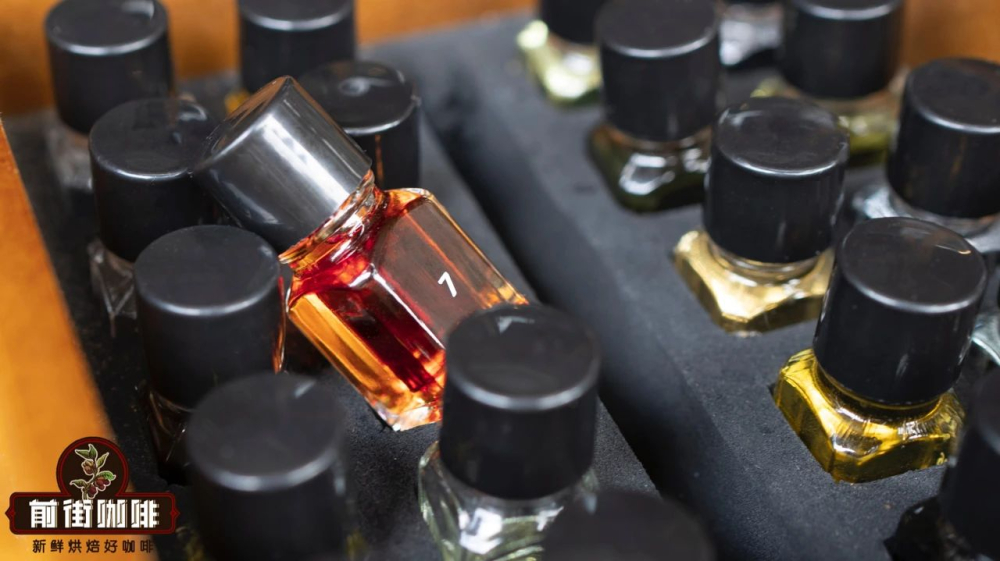 ), it is often masked by other flavors and thus hard to stand out. Though dark roasts are primarily bitter and salty, high-quality dark roasts can still deliver a “rich yet not bitter” smooth mouthfeel.
We suggest understanding the four major tastes as independent spectrums:The acidity spectrum originates from organic acids and sucrose degradation products (e.g., acetic acid, lactic acid); the bitterness spectrum is divided into natural mild bitterness (like caffeine) and harsh, astringent bitterness (like chlorogenic acid lactones, carbonized particles); the sweetness spectrum is captured via retronasal olfaction (caramel aromas) and is often overshadowed by acidic or bitter components; the saltiness spectrum emerges as inorganic substances become more prominent as flavors fade, usually signaling a decline in coffee freshness.
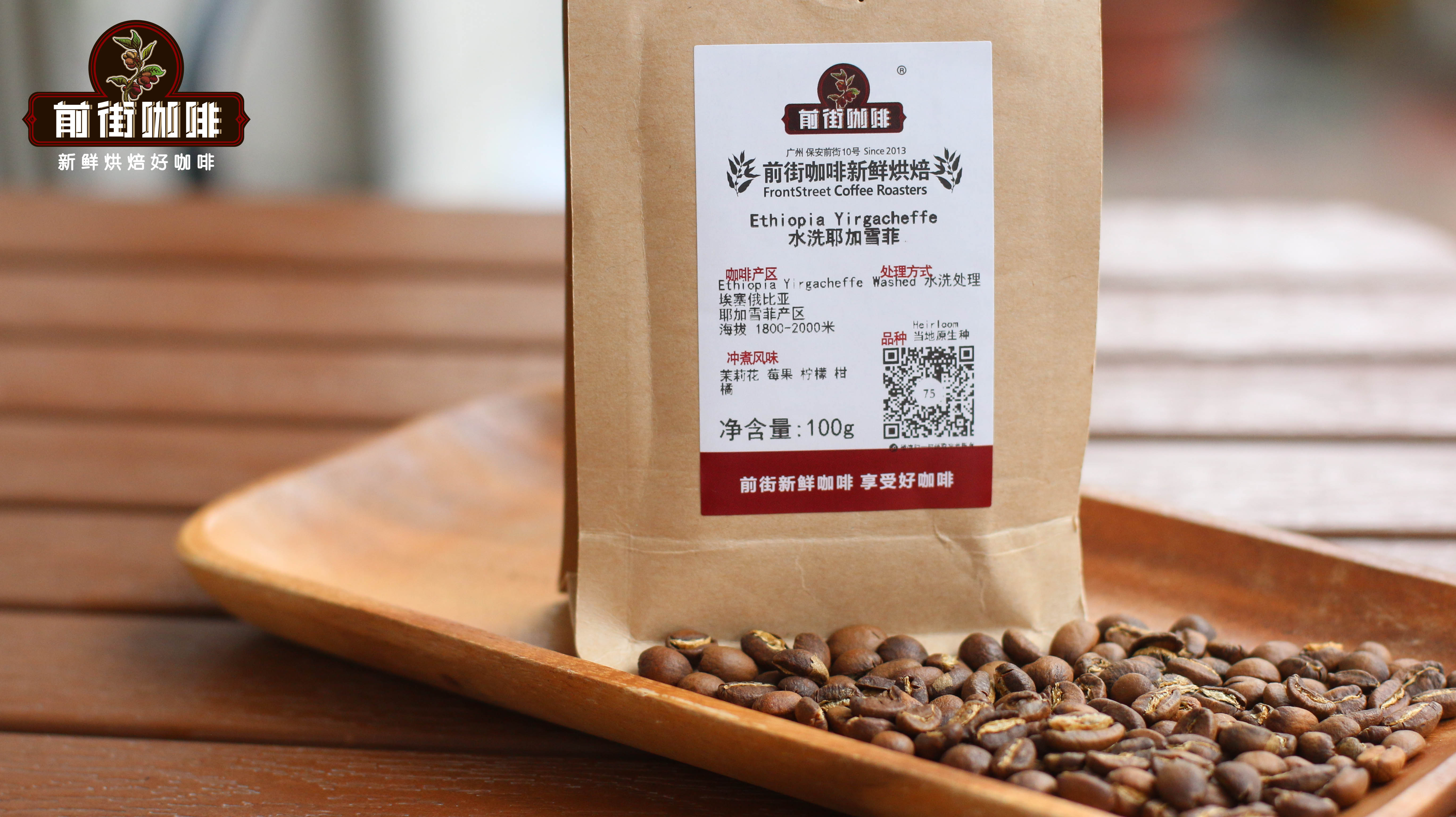
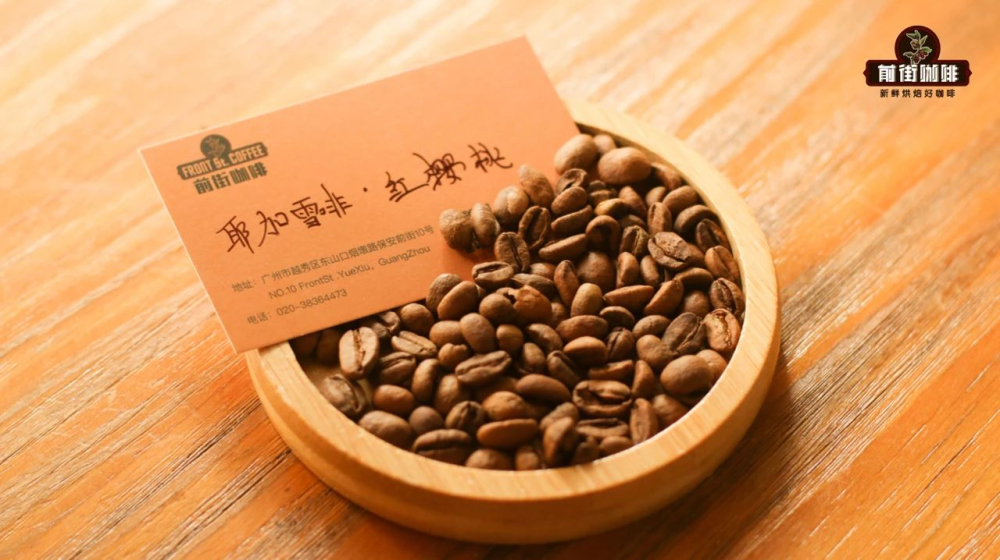
Interpreting the Coffee Flavor Wheel requires mastering its classification logic. First up are the floral and fruity types:Floral notes include chamomile (muted with a sharp edge), rose (soothing and calming), jasmine (fresh and uplifting), represented by beans such as Panama Green Label Geisha (jasmine) and Ethiopian Yirgacheffe (coexisting lemony acidity and floral notes). The fruit spectrum ranges from tart plum and strawberry (Yirgacheffe Red Cherry) to tea-like citrus acidity (Africa Heart), showcasing diverse variations. ,
 correspond to typical floral examples.
Green/plant/herbal aromas require special attention to the grapefruit peel-like sensation of unripe fruits, as well as unique profiles from dark green vegetables (like boiled spinach) or herbs (thyme). Medium to dark roasts like Indonesia’s Golden Mandheling occasionally exhibit unique botanical notes such as grass jelly and sandalwood ( refer to Indonesian beans). The nut/cocoa spectrum is commonly found in medium-roast Maillard reaction products, such as roasted almonds, dark chocolate, and walnut aromas, with Brazil’s Queen Estate being a classic example (rich chocolate and nut base).
The sweetness spectrum is divided into two main types:High-viscosity types (toffee > caramel > honey > maple syrup) require observing differences in the lingering richness at the cup’s bottom, as demonstrated by Panama Natural Huali Butterfly (showcasing lively sweet-sour notes of honey and cane sugar); low-viscosity types (brown sugar > cane sugar > white sugar) are exemplified by Costa Rica Strawberry Sugar Geisha’s berry taffy aroma. The spice spectrum often appears in dark roasts, such as the herbal medicinal tone (spicy character) of Tiger Mandheling.
 ,
Fermentation-related aromas fall into three categories:Aromatic acids (e.g., the citric acid in Geisha Village CHAKA), alcohol tones (moist sensation of overripe fruit), and the unique expressions of barrel fermentation — Honduras Sherry beans carry a whiskey and dark chocolate aftertaste, while Lishilan blends brandy-like wine aroma with honey sweetness (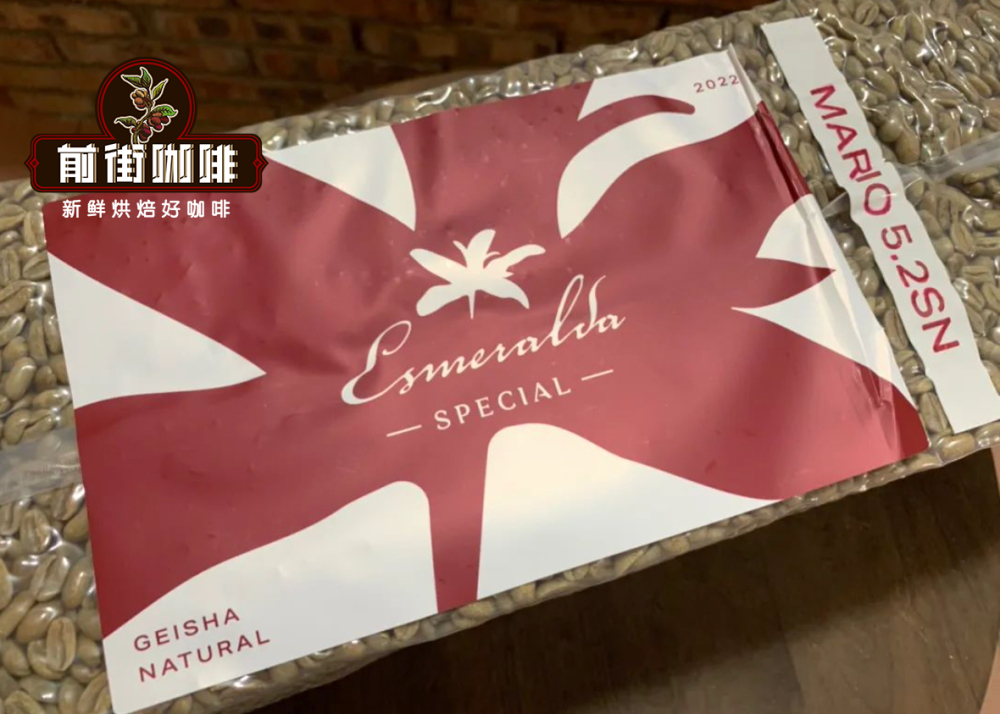 refer to fermented beans). The roast spectrum includes smoky, burnt-bitter, and pure roasted notes, while negative aromas like musty or moldy (
 listed as off-flavors) should be avoided.
Mastering flavor recognition requires three key elements:building taste and smell memory, tasting after the coffee cools (when fruity notes become more pronounced), and adjusting concentration to highlight layers.During actual tasting, it’s recommended to take small sips, letting the coffee cover your tongue and observing shifts as temperature changes — from initial bitterness to later sour-sweet aftertastes, finally capturing the bottom-of-cup sweetness through retronasal olfaction.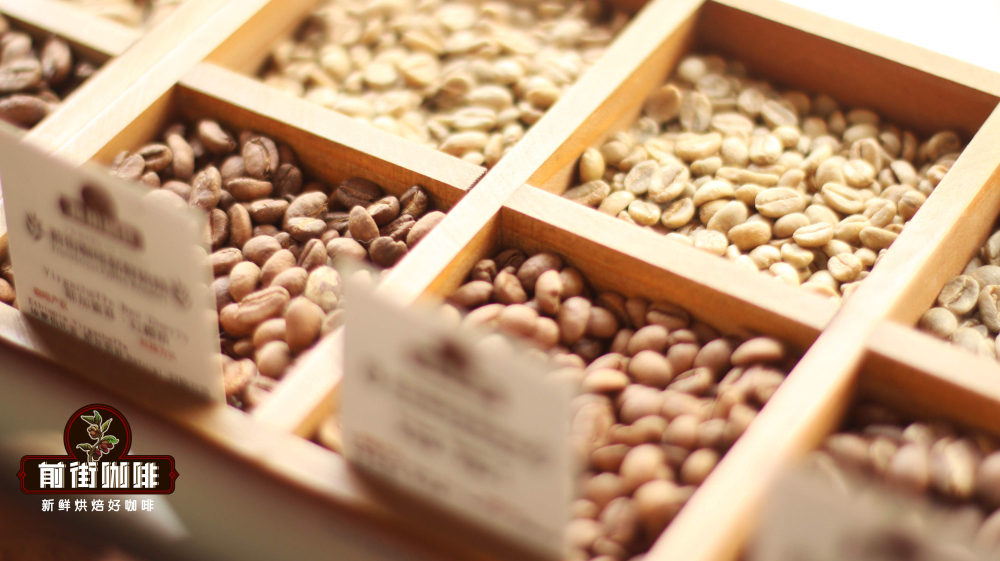 Illustrated complete tasting process. Professional cuppers build an accurate aroma vocabulary through cyclical training of “receiving – comparing – analyzing – memorizing.”
The above content is compiled by CoffeeHunters, a coffee news website.


