








Introduction:Typica is one of the earliest Arabica coffee varieties, and although it is not high-yielding and has relatively weak disease resistance, its elegant and balanced flavor has always been highly praised. This article provides an in-depth analysis of Typica’s origin history, plant characteristics, the impact of leaf rust disease on it, as well as the many well-known sub-varieties derived from it. It also offers brewing and roasting recommendations based on actual coffee beans, helping you gain a more comprehensive understanding of this classic coffee lineage.
Typica can be regarded as one of the oldest Arabica coffee varieties and is the genetic source of many modern varieties. Known for its clean, delicate, and layered flavor profile, this variety has gradually declined in the global coffee cultivation landscape due to its slow growth rate, low yield, and susceptibility to leaf rust. Nevertheless, Typica remains a classic in the hearts of many coffee enthusiasts, and its influence extends to several renowned coffees including Blue Mountain, Mandheling, and Kona.
The plant characteristics of Typica are distinctive, featuring a tall, conical tree shape that can typically grow to 3 to 5 meters in height. The trunk is straight, with side branches forming an angle of approximately 50 to 80 degrees with the main stem, and the internode spacing is relatively long. The leaves are relatively narrow and elongated, with new shoots appearing bronze-colored, while ripe fruits are bright red. The beans are generally wedge-shaped or slender oval, showing a clear visual difference from the more commonly round-bodied Bourbon beans. These traits make Typica one of the most easily recognizable coffee varieties.
Historically, the cultivation of Typica dates back to the early 17th century. At that time, the Dutch, aiming to meet the growing demand for coffee in the European market, first introduced coffee trees into greenhouse cultivation in 1616. This tree came to be known as the "mother coffee tree." By 1690 and 1699, the Dutch East India Company introduced Typica seedlings from the Malabar region of India to Java twice, successfully cultivating them there and laying the foundation for their subsequent global spread.
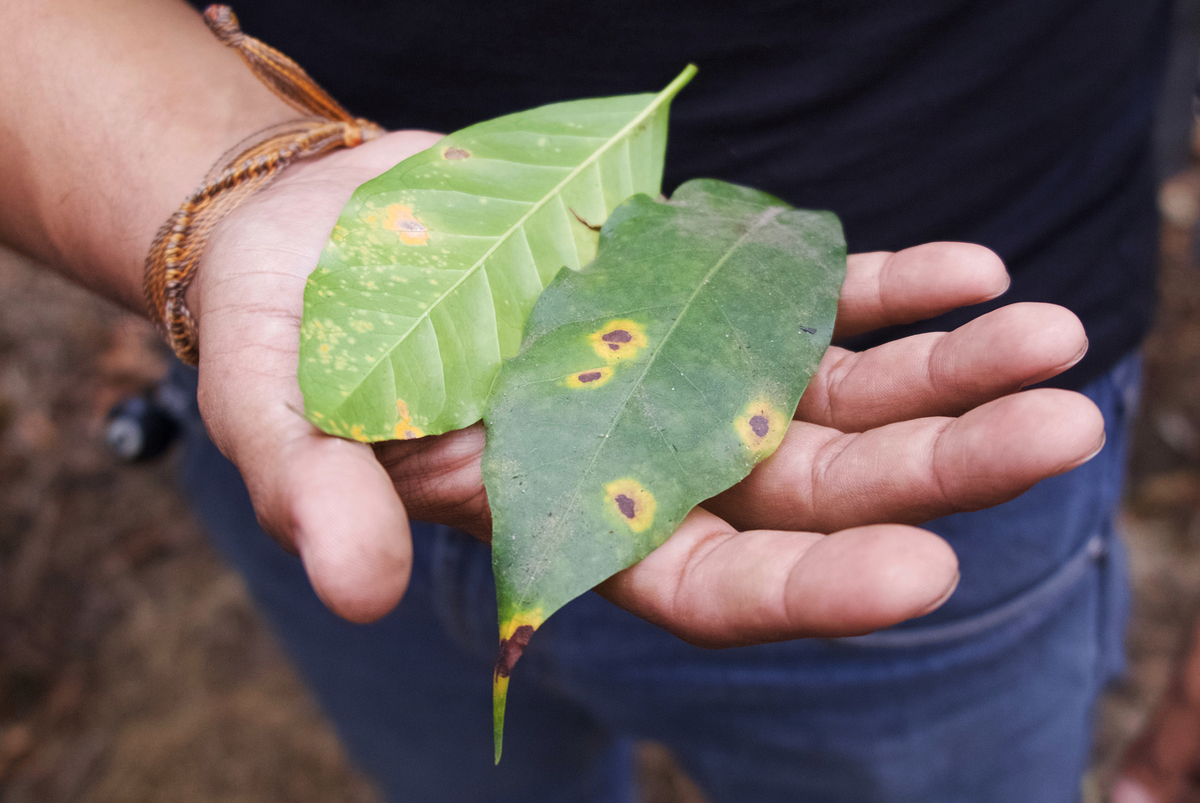
However, the biggest challenge for Typica came from leaf rust. This fungal disease first appeared in East Africa in 1861 and quickly spread to Sri Lanka, Southeast Asia, and several major producing regions in Africa, causing devastating damage to the global coffee industry. Leaf rust causes yellow spots to appear on the leaves, which eventually turn into orange-yellow powdery spores. The disease spreads easily through wind, rain, or human contact, leading to withered plants and a sharp decline in yield. Although subsequent breeding experts worked hard to develop disease-resistant varieties, Typica, with its inherently weak resistance, still faces significant challenges.
Even so, Typica has given rise to many representative sub-varieties, including Hawaiian Kona, Jamaican Blue Mountain, Indonesian Golden Mandheling, and Yunnan Typica. Though originating from the same lineage, these varieties have developed unique flavor characteristics due to differences in growing altitude, climate, and selective breeding over time. Among them, Golden Mandheling is known for its rich sweetness, Jamaican Blue Mountain for its balanced elegance, and Kona coffee for its delicate floral notes and soft acidity.
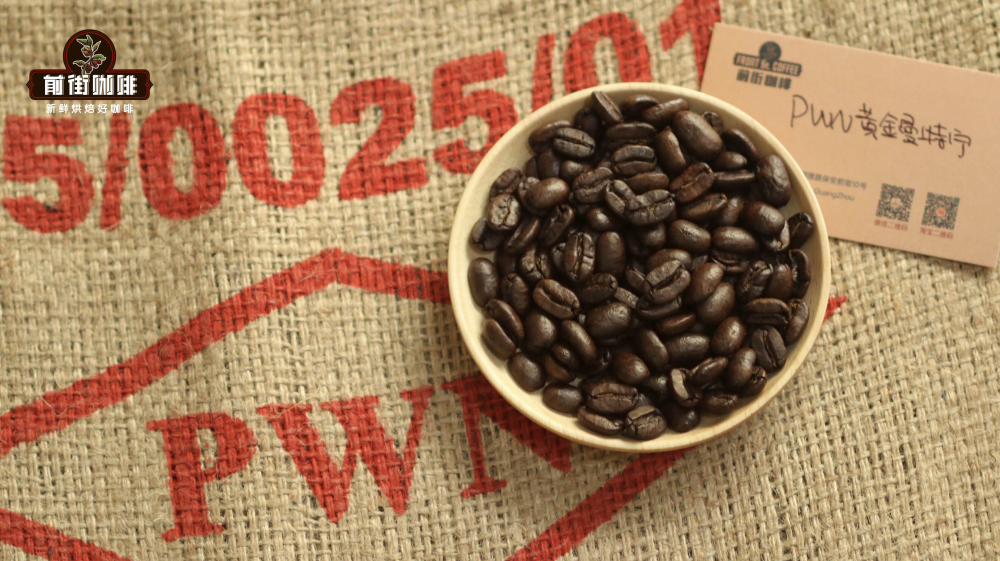
Take Indonesian Golden Mandheling as an example—this Typica variety coffee is typically grown at altitudes of 1100–1600 meters in Sumatra and processed using the wet-hulled method, resulting in low acidity, high sweetness, and intense spicy and caramel tones.For roasting, it is recommended to use a medium-to-high initial charge temperature, avoiding excessive heat at the start. The drying phase should control the temperature rise appropriately to preserve its rich aromatic layers.When brewing with pour over, you can choose a KONO filter cone, with a water temperature of around 85–88°C and a coffee-to-water ratio of 1:15, to highlight its sweet and full-bodied qualities.
In contrast, Hawaiian Kona exhibits a distinctly different flavor profile. Grown at around 1100 meters in the Kona region, this Typica coffee benefits from volcanic soil and a maritime climate, offering soft acidity, delicate floral notes, and honey-like sweetness.It is recommended to use a medium-light roast to preserve its light body and refined mouthfeel.For brewing, use a Hario V60 with water temperature controlled at 90°C and a medium-fine grind, employing a pulse pouring method to bring out its rounded and full flavors.
Jamaican Blue Mountain coffee is the pinnacle representation among Typica varieties, grown at 1310 meters in the Blue Mountains at the Clifton Estate. It not only undergoes strict quality control processes but also holds Rainforest Alliance certification, ensuring environmentally friendly cultivation and production. This coffee offers an extremely balanced flavor, with harmonious acidity and sweetness, along with notes of chocolate and soft fruit, and a long-lasting aftertaste.For roasting, a medium-to-dark level is recommended to bring out its rich texture and caramel finish.When brewing, use a KONO filter cone with water temperature around 87°C, and a fine grind helps to highlight its layered aromas.
Overall, although Typica does not make up a large proportion of modern coffee cultivation, its genetic influence and classic flavor remain hard to ignore. Whether you’re seeking the rich sweetness of Mandheling, the balanced elegance of Blue Mountain, or the delicate flavors of Kona, these classic beans offer a glimpse into the boundless charm of this ancient variety. If you wish to deeply explore the root flavors of Arabica coffee, Typica and its descendant varieties are definitely worth adding to your coffee exploration list.
The above content is compiled by CoffeeHunters, a coffee news website.


