







Introduction:Understand how the washed processing method shapes the flavor profile of coffee beans, from float bean selection, mucilage fermentation to drying and hulling. This article fully breaks down every step and key detail of this high-quality processing procedure. It also analyzes its pros and cons in depth, and compares with actual washed coffee beans to help you more accurately grasp the influence of different regions, altitudes, and varieties on flavor.
The flavor of coffee beans comes not only from their variety and origin, but the processing method also plays a crucial role. Among them, the washed processing method (Washed Process) is widely favored by the specialty coffee market because it can bring out a clear and bright acidity and a clean taste. This article will fully break down the actual operational steps of the washed processing method, including float bean screening, separation of pulp and flesh, mucilage fermentation, washing and cleaning, as well as drying and hulling. It will also analyze its pros and cons, and explore the unique flavor expressions brought by different regions and varieties through practical examples of washed beans.
Globally, coffee production reaches about 8.4 billion kilograms per year, but even for the same variety, the final flavor can vary drastically depending on the processing method. The washed processing method is known for its high stability, low impurities, and good appearance, making it the preferred processing method in many high-altitude regions. This method allows coffee beans to showcase a more pure "bean-origin flavor," with bright acidity and a refreshing taste, almost free from interference by off-flavors.
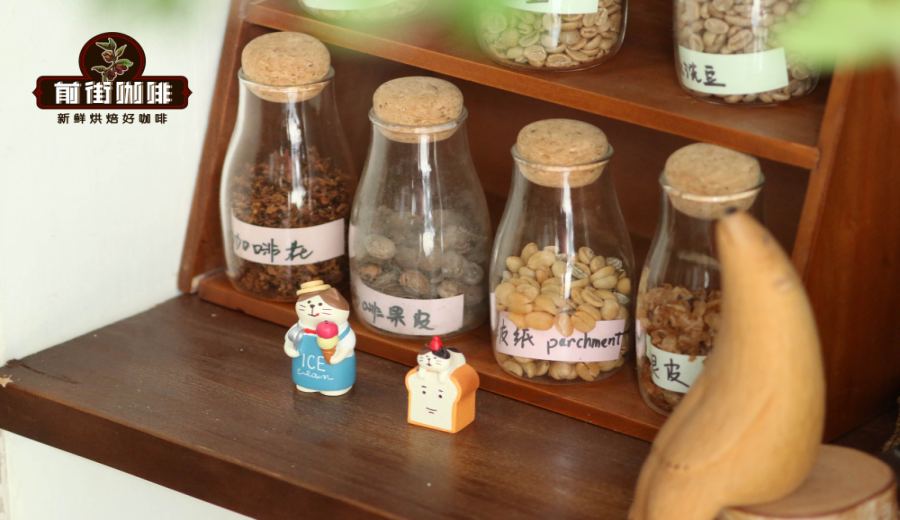
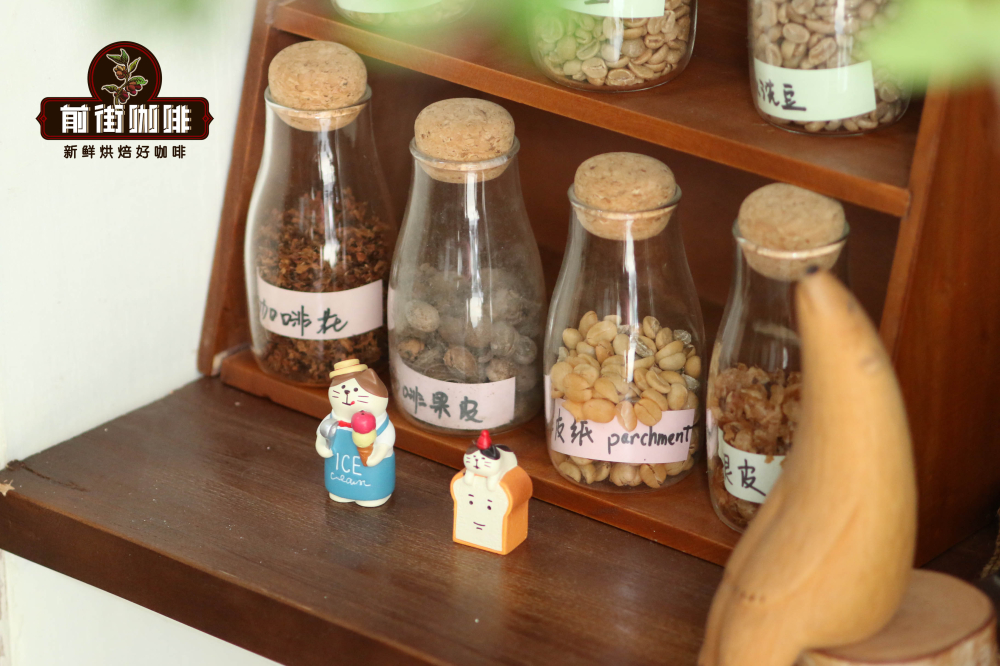
First, let’s clarify what a coffee bean is. In fact, what we call a “coffee bean” is the seed inside the coffee fruit, also referred to as a seed or endosperm. The outer layers of the fruit include the exocarp, pulp, mucilage layer, parchment (commonly known as parchment layer), and silver skin. The core of the washed processing method is to gradually remove these outer layers, leaving only the most central seed part.
The washed processing method mainly removes the mucilage layer through fermentation. The basic process is as follows: first, the harvested coffee fruits are placed in a water tank, where unripe or defective float beans are removed using the principle of buoyancy; next, a pulper is used to remove the exocarp and most of the pulp, at which point the mucilage layer still adheres tightly to the seed; then, through the fermentation process, microbes break down the mucilage. Once the mucilage softens, it is rinsed away with clean water; finally, the beans are dried to reduce the moisture content to 10%–14%, and then a hulling machine is used to remove the parchment and silver skin, completing the entire process.
The main steps of the washed processing method are explained in detail as follows:
1. Removing Float Beans: Freshly harvested coffee fruits are poured into a water tank. Unripe or damaged beans, due to their lower density, float to the surface, while well-ripened beans sink. Skimming off the float beans at this stage effectively performs an initial screening to select higher-quality coffee fruits.
2. Removing Pulp and Flesh: A pulper is used to remove the exocarp and flesh. At this point, the seed is still covered by the mucilage layer, parchment, and silver skin.
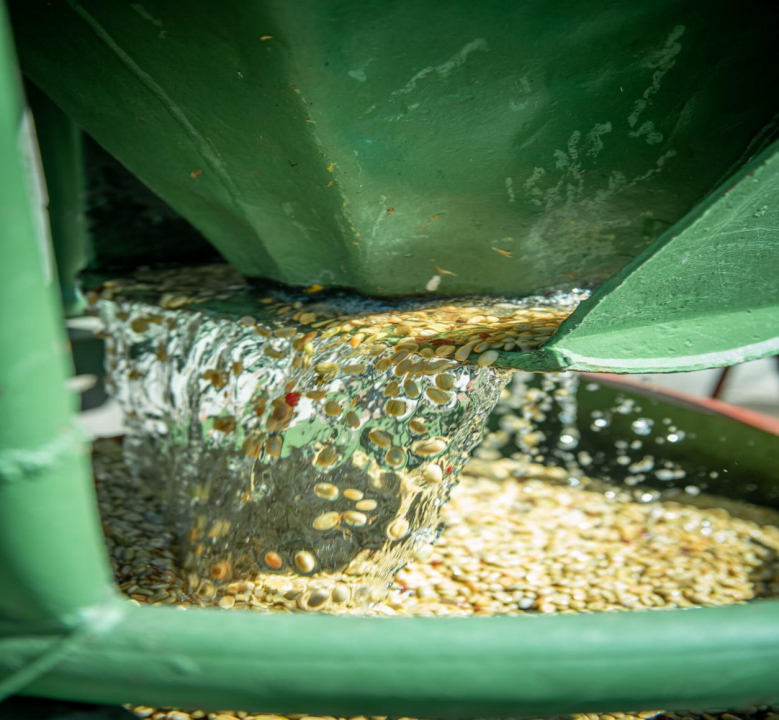
3. Fermentation: The seeds with mucilage are soaked in a water tank, where microbes ferment and break down the mucilage. The fermentation time varies depending on ambient temperature and quality control needs, typically ranging from 24 to 72 hours.
4. Washing: After fermentation, a large amount of clean water is used to rinse away fermentation residues and loosened mucilage. This step requires significant water usage and is one of the more resource-intensive parts of the washed method.
5. Drying and Hulling: The beans are dried by machine or sun-drying to achieve a moisture content of 10%–14%, then a hulling machine is used to remove the parchment and silver skin, completing the overall process.
Theadvantagesof the washed processing method include:
- The processing is mostly carried out in a controlled environment, making it easy to remove impurities and defective beans, resulting in a high purity of flavor.
- The flesh is removed early on, greatly reducing the risk of mold.
- The appearance is intact and the color is uniform, giving it an attractive look that suits the specialty market.
Thedisadvantages
- include:
- The steps are complicated, with higher labor and time costs, and the price is usually more expensive than natural sun-dried beans.
It requires a large amount of clean water—approximately 40–50 liters of water per kilogram of coffee beans—which makes it difficult to implement in water-scarce regions.
In terms of flavor, washed beans typically exhibit bright acidity, clear fruity notes, and a clean, non-offensive taste, making them suitable for drinkers who enjoy distinct layers and prominent main flavors.
Let’s look at some real examples: Kenya’s Asali washed beans and Yirgacheffe’s Guji Gedeb washed beans both use the washed process, but due to differences in region, altitude, and variety, their flavor profiles vary greatly.Kenya Asali Coffee Beans
are produced in the Thika region, at an altitude of 1550–1750 meters, with the SL28 and SL34 varieties. They belong to Kenya’s top AA grade and use a unique “72-hour washed process”: going through three cycles of 24-hour fermentation and washing, which significantly enhances the delicacy and layered complexity of the acidity. These beans are suitable for light roasting to highlight their acidity and fruity notes, often showcasing flavor notes such as black plum, cherry tomato, plum, and pear.Yirgacheffe Guji Gedeb Cooperative Washed Beans
come from the Gedeo Zone at an altitude of 1900–2300 meters, with the local heirloom variety, graded as G1. This bean shows a clear first crack and is commonly processed with medium-light roasting. The flavor profile is dominated by citrus and black tea upon entry, with cream, caramel, and almond undertones emerging as it cools. The overall mouthfeel is refreshing with a notably sweet aftertaste.
Through practical brewing comparisons, it’s not hard to see that even with the same washed processing method, factors such as regional altitude, microclimate, variety genetics, as well as subsequent roasting and extraction methods, can all significantly affect the final flavor. For example, using a Hario V60 filter, 90°C water temperature, 1:15 coffee-to-water ratio, and medium-fine grind can fully showcase the unique personalities of both washed beans.
The above content is compiled by CoffeeHunters, a coffee news website.


