







Introduction:The natural processing method is the most traditional and natural way of processing green coffee beans. Although it does not require complex equipment, it is highly dependent on stable weather conditions, and the entire process can take more than a month. This article will provide a detailed breakdown of the full natural processing workflow—from fruit selection, sun drying, pulping to storage—and explain why its appearance tends to be yellowish and what makes its unique flavor profile. We will also use three classic natural-processed beans as examples, offering practical pour-over parameters and flavor tasting references to help you better understand the charm and application of the natural drying method.
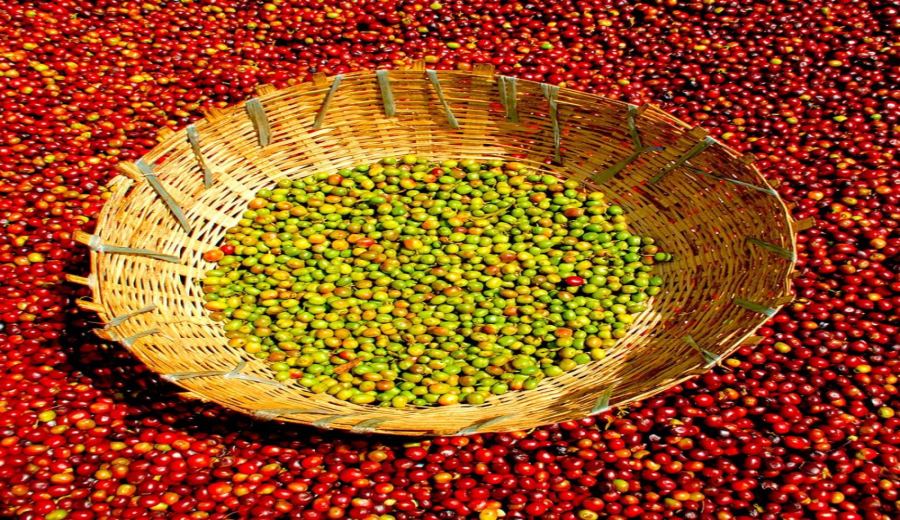
Among the many coffee processing methods, the natural process (also known as the natural drying method) can be considered the most primitive and historically oldest technique. This method does not require much equipment, but it heavily relies on good weather—especially several consecutive days of clear, rain-free skies—to allow the coffee cherries to dry evenly in the sun. The whole process usually takes about 27 to 30 days to stabilize the moisture content of the green beans at around 11%, meeting the standards suitable for storage and export.
The steps of the natural process can generally be divided into four stages: first is the harvesting and initial sorting of the cherries, followed by prolonged sun drying, then the removal of the fruit skin and pulp through hulling, and finally the sorting, grading, and proper storage of the green beans. Though this method may seem simple, each step requires careful attention—especially during the drying phase, where excessively long drying times or significant temperature fluctuations can lead to cracks or defects in the beans.
After harvesting, the coffee cherries are first manually sorted to remove unripe, overripe, insect-damaged, or visibly flawed fruits, ensuring that only high-quality cherries proceed to the next stage. This step greatly influences the purity of the final flavor and serves as the foundation of quality for many premium natural-processed beans.
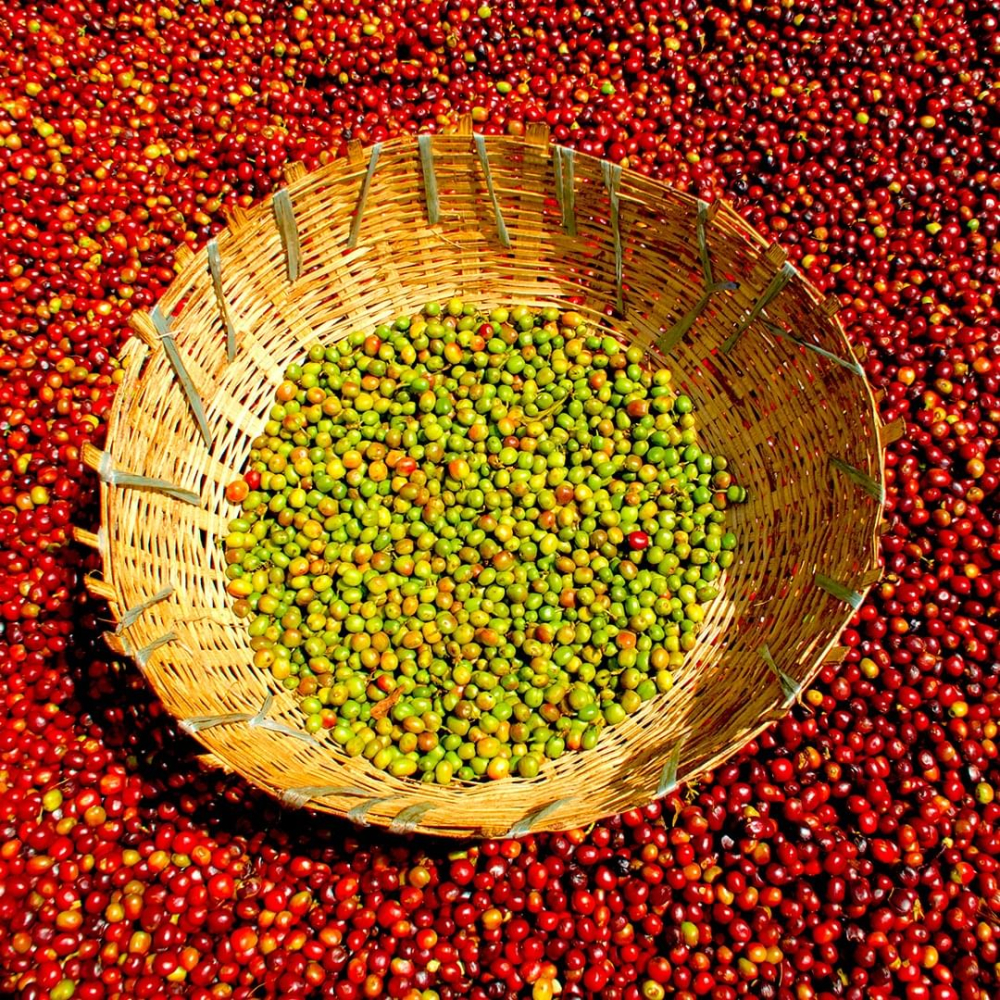
The sorted cherries are then transferred to the drying area, where, depending on regional practices, they may be spread on waterproof tarps, elevated drying beds, or even clean concrete floors. During drying, the cherries need to be regularly turned to ensure even exposure to the sun, avoiding uneven drying or mold. This drying period typically lasts three to four weeks, during which close attention must be paid to weather changes to prevent rain from affecting the drying quality.
Once dried, the coffee cherries are sent to a processing facility for pulping and hulling, where the outer fruit flesh, mucilage layer, and parchment-like inner skin are removed. Sometimes additional polishing is also done to enhance the smoothness of the bean surface. This stage is also key to the final appearance of the green beans. Under-dried beans with higher moisture content are prone to cracking during hulling, while over-dried beans become too brittle, both of which are unfavorable for subsequent processing.
The hulled green beans undergo another round of sorting to remove those with poor appearance, inconsistent size, or abnormal coloration, ensuring consistent final product quality. These rigorously controlled natural-processed green beans are then stored properly in warehouses, awaiting export or further roasting.
Since the natural process does not immediately remove the outer skin and flesh of the coffee cherries, the beans absorb sugars and flavor compounds from the fruit during drying, resulting in a richer, more fruit-forward, and fermentation-characterized flavor profile. However, because of the lack of immediate processing, natural beans often have a greenish-yellow hue, which is less visually vibrant compared to the bluish-green of washed beans or the amber tones of honey-processed beans—but this does not detract from their depth and layered flavors.
Below, we’ll use three classic natural-processed coffee beans as examples to illustrate their actual performance and flavor characteristics when brewed using the pour-over method:
Natural Yirgacheffe Aricha
Recommended pour-over parameters: V60 filter, brew ratio 1:15, water temperature 90°C, grind size approximately 80% passing through a Chinese No. 20 sieve (practical testing suggests using BG#5F).
Brewing method uses a three-stage pouring technique: the first pour adds 30 grams of water for a 30-second bloom, the second pour circles to reach 125 grams, then after the water level drops, continue pouring to 225 grams, with a total brew time of about 2 minutes.
Flavor profile: Exhibits pronounced ripe fruit aromas, with fermentation notes and green grape flavors on the palate. The acidity is bright and citrusy like lemon, and as the cup cools slightly, you can perceive a creamy texture and grape-like juiciness.
Natural Panama Jensen Gesha
Recommended pour-over parameters: Also use a V60 filter, brew ratio 1:15, water temperature 90°C, grind size recommended as BG#4G.
The three-stage pouring process is the same as above, with total extraction time kept within 2 minutes.
Flavor profile: Showcases rich, multi-layered sweet and acidic variations, including maple, lemon, citrus, apple, and rose floral notes, along with aromas of dark chocolate, pomegranate, ripe grapes, peaches, and dark berries. The overall complexity is extremely refined.
Natural Brazil Fazenda Rainha
Pour-over recommendation: V60 filter, brew ratio 1:15, water temperature 90°C, suitable grind size is BG#5F.
Use the same bloom and three-stage pouring method, with total brew time around 2 minutes.
Flavor description: Sweetness is prominent, with a soft lemon aroma. The main profile is intense nuttiness, with the finish shifting into a dark chocolate tone. The mouthfeel is round and balanced, making it very suitable for drinkers who prefer low-acidity, full-bodied flavors.
In summary, although the natural processing method relies on favorable weather and involves a longer production timeline, the unique fruity aromas, fermentation layers, and rich body it imparts to coffee continue to captivate many coffee enthusiasts. Whether for everyday drinking or as an entry point into exploring coffee flavors, understanding the natural process and its characteristics will allow you to better appreciate the natural craftsmanship and terroir behind each cup of coffee.
The above content is compiled by CoffeeHunters, a coffee news website.


