







Introduction:Jamaican Blue Mountain coffee is renowned worldwide for its delicate and balanced flavor, but selecting, understanding, and brewing this premium coffee bean correctly is an art in itself. This article begins with the natural conditions and historical background of the Blue Mountain region, analyzing its grading system, the two processing methods—washed and natural—and delving into key aspects of roasting and storage. More importantly, it provides seven practical brewing methods, including pour over, espresso, siphon, and cold drip, along with detailed parameters and flavor descriptions to help you fully grasp the charm of Blue Mountain coffee—from bean selection to brewing.
Jamaican Blue Mountain coffee is celebrated globally for its delicate and balanced flavor, but to truly understand, evaluate, and brew it to bring out its optimal characteristics, one must comprehensively study various factors such as the terroir, bean variety, processing techniques, and roasting methods. This article will take you deep into the story behind Blue Mountain coffee—from the natural conditions of the Blue Mountains, the historic significance of the Clifton Estate, to the differences between the two main processing methods (washed and natural)—further explaining its rigorous grading system, and offering expert advice on roasting and storage.
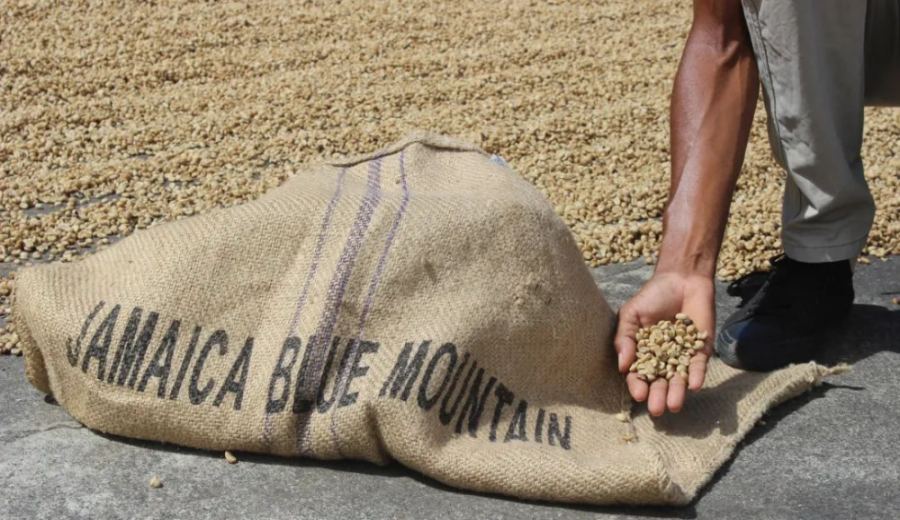
The cultivation area of Jamaican Blue Mountain coffee is located in the Blue Mountains of Jamaica, an island nation in the Caribbean. As the highest peak in the western Caribbean, the Blue Mountains rise to an elevation of 2,256 meters, featuring a cool and moist climate with frequent fog and significant day-night temperature variations. Coupled with fertile, newly formed volcanic soil, these conditions provide an ideal environment for coffee tree growth. Blue Mountain coffee is harvested only from June to November each year, relying entirely on skilled local female workers who hand-pick only the properly ripened coffee cherries to ensure the quality of the raw materials.
Among the various coffee processing methods, Jamaican Blue Mountain traditionally relies mainly on the washed process, which removes the pulp and mucilage through fermentation and washing, resulting in a clean and clear flavor base. However, in recent years, a small amount of naturally processed Blue Mountain coffee has also been introduced, offering different layers of berry and tea-like flavors. One brand once released a limited quantity of natural Blue Mountain, which exhibited subtle berry acidity as well as the sweetness of black plums and mulberries, while still maintaining the signature balance characteristic of Blue Mountain.
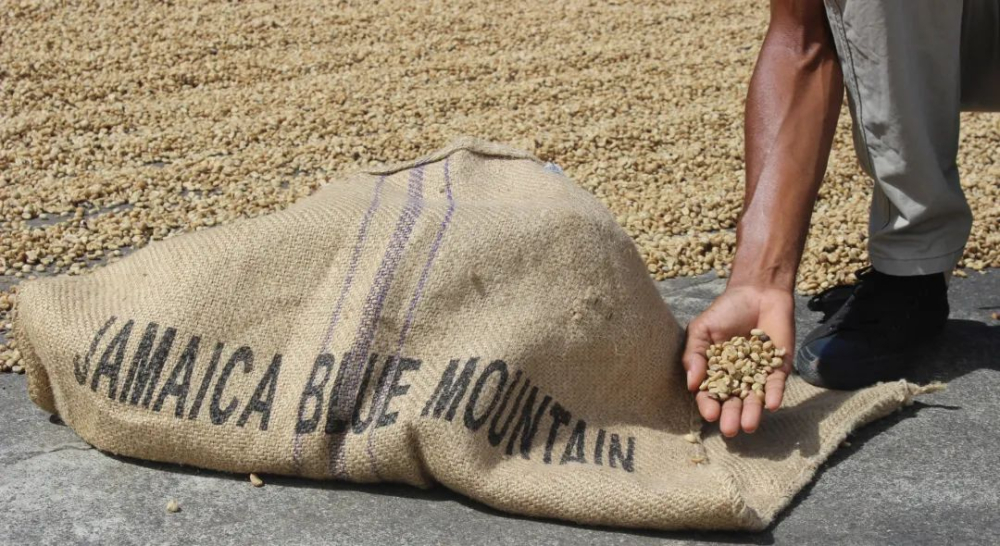
Jamaican Blue Mountain coffee is divided into three major grades based on quality: Blue Mountain Coffee, Jamaica High Mountain Supreme, and Jamaica Prime Coffee Beans. Among them, Blue Mountain and High Mountain coffees are further subdivided into NO.1, NO.2, NO.3, and PB (peaberry), with NO.1 being the highest grade. It requires green beans larger than 17 mesh, a defect rate below 3%, and a moisture content of about 13%. When selecting authentic Blue Mountain coffee, in addition to checking the origin certification, you can also make a preliminary judgment based on its barrel-packed packaging method and the slightly upturned, boat-shaped appearance of the beans at both ends.
In terms of roasting, Blue Mountain coffee is recommended to be medium-dark roasted. This allows the internal flavor compounds to fully transform, presenting delicate aromas of dark chocolate, nuts, and oolong tea, while maintaining an excellent balance among acidity, body, and aroma. One brand suggests an initial drum temperature of around 170°C, adjusting the heat and air vent sequentially, and dropping the beans at around 201.3°C during the first crack for a dense phase, to fully showcase its flavor potential.
Below are seven common and practical brewing methods for Blue Mountain coffee, each accompanied by detailed parameters and operational suggestions:
1. Espresso and Latte
Use 20 grams of Blue Mountain coffee grounds, extract a double shot to yield 40 grams of liquid, with a time control of 26–33 seconds, using a standard medium-dark grind for espresso machines. This method highlights the caramel aroma and mild fruity acidity of Blue Mountain. When paired with fresh milk, it forms a rich milky flavor with a chocolatey aftertaste, suitable for those who enjoy espresso-style coffee.
2. Pour Over Coffee
It is recommended to use a Kalita Wave, Kono, or V60 dripper, with 17 grams of coffee grounds, water temperature at 88°C, and a coffee-to-water ratio of 1:15 for a step-by-step extraction. After a 30-second bloom, pour water up to 225 grams, with a total extraction time of about 2 minutes. The Kono and Kalita can produce a fuller body, while the V60 highlights a cleaner acidity and more vibrant aroma layers, suitable for coffee lovers who prefer different flavor profiles.
3. Siphon Coffee
Use 25 grams of medium-fine ground Blue Mountain beans, with a coffee-to-water ratio of 1:12. Add the coffee grounds using the post-drip method at around 90–95°C water temperature. Through three stirs and appropriate blooming, the final brew yields a coffee with caramel and honey aromas, a full body, and a long-lasting aftertaste.
4. AeroPress
Use 15 grams of medium-fine ground coffee, water temperature at 85°C. Begin with a 30-second bloom, then add 200 grams of water, with a total time of about 2 minutes and 17 seconds. This method combines immersion and pressure, delivering low acidity, smoothness, and flavors of milk chocolate and fruit, suitable for those who prefer a rich and bold cup.
5. French Press
Use 20 grams of coarse ground Blue Mountain beans, with a coffee-to-water ratio of 1:14, steeping in 88°C water for 2 minutes and 30 seconds. The metal filter retains rich oils, resulting in a balanced flavor with afternotes of dark chocolate and fruity acidity. It’s simple to operate and perfect for everyday enjoyment.
6. Cold Drip Coffee
Use 60 grams of medium-fine ground Blue Mountain beans with 600 milliliters of iced water, at a coffee-to-water ratio of approximately 1:10–1:12. Extract slowly at a rate of 7 drops per 10 seconds. It is recommended to refrigerate and ferment for 3–4 nights to allow the flavors to become rounder and more full-bodied. Ideal for those who enjoy low-temperature slow brewing and fermented aromas.
7. Japanese-Style Iced Pour Over
Use 160 grams of water and 40 grams of bloom water, with a slightly higher water temperature than regular pour over at around 89°C. Combined with precise pouring and ice cooling, it showcases bright fruit acidity, soft sweetness, and a silky texture. While the layering may not be as complex as hot brewing, it offers a particularly refreshing taste when served cold.
Whether you are a newcomer exploring the flavors of Blue Mountain or an enthusiast seeking to refine your brewing skills, this comprehensive guide to Blue Mountain coffee tasting and brewing provides the references and inspiration you need. From the region to your cup, every step holds the refined secrets of Jamaican Blue Mountain.
The above content is compiled by CoffeeHunters, a coffee news website.


