







Introduction:Do you think that using freshly ground beans in pour over coffee automatically means "fresh"? In reality, the roast date and storage condition of the coffee beans are the key factors that influence flavor complexity. This article presents an experimental comparison analyzing the flavor differences between freshly rested beans and those stored for two months, under adjusted brewing parameters, and offers practical advice on how to consistently highlight citrus and berry aromas with the right water temperature, grind size, and blooming time.
Many people mistakenly believe that freshly grinding beans is all it takes to enjoy fresh, flavorful pour over coffee. However, aside from the timing of grinding, the period between the roast date and brewing is actually the most critical element affecting flavor expression. Through an experiment using a Panamanian Jensen Geisha, this article will help you understand the specific differences in flavor release, acidity-sweetness balance, and aroma layers between freshly rested beans and those stored for two months, and teach you how to adjust water temperature, grind size, and blooming time when dealing with slightly aged coffee beans—so they still retain clean, bright citrus and berry notes.
Many assume that grinding beans right before brewing will yield the best flavor, but in fact, the roast date is one of the key factors influencing aroma and taste. For most specialty coffees, the first two days after roasting are when the beans are still degassing, flavors are not yet stable, and regional characteristics are hard to discern. Therefore, it’s recommended to let the beans rest for three to four days after roasting, allowing them to enter a stable flavor phase before brewing, so you can enjoy coffee that truly represents its origin.
A certain coffee brand emphasizes that it only processes the amount needed for the current week—from roasting to shipping—avoiding inventory buildup to ensure customers receive freshly roasted beans. Whether sold in physical stores or online, all beans offered are recently roasted, and only if customers specifically request pre-ground beans will the brand recommend suitable grind sizes based on pour over or espresso needs. Moreover, the brand insists that its coffee must reflect regional characteristics—for example, Yirgacheffe should exhibit bright citrus tones rather than having its inherent freshness masked by over-roasting.
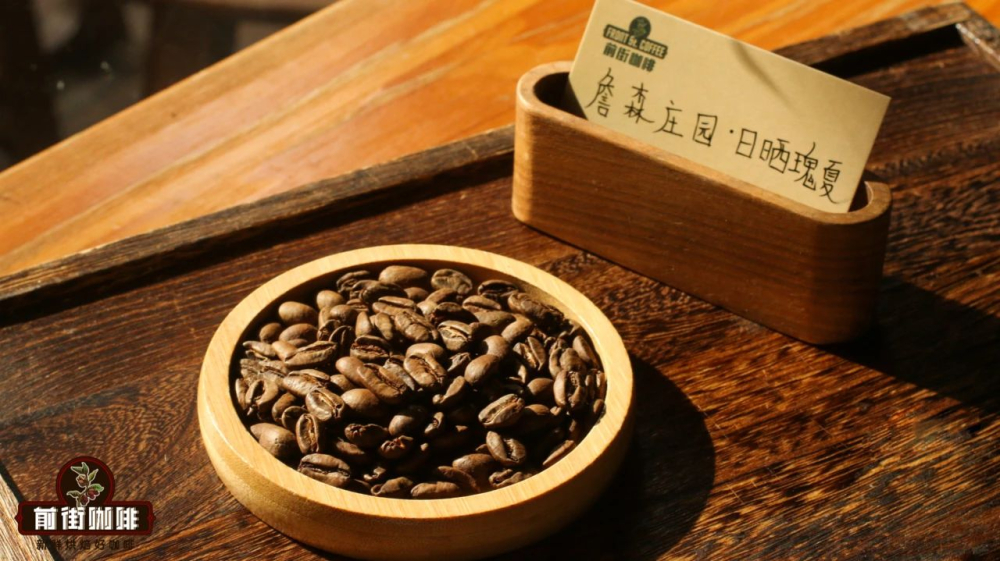
Here we take the Panamanian Jensen Estate Geisha as an example. This bean is processed using the natural method, sourced from the Volcan region, grown at an altitude of about 1750 meters, and is expected to express floral notes like rose, citrus acidity, along with layers of berries, peach, and tea-like qualities. The experiment used two batches: one roasted on May 27 (stored for approximately two months), and another roasted on July 21 (rested for seven days, in optimal flavor condition). Both were light roasted, using the same brew ratio of 1:15, 15 grams of coffee, a V60 filter, and a grind size passing 80% through a #20 sieve, with only water temperature and other brewing parameters adjusted to observe flavor differences.
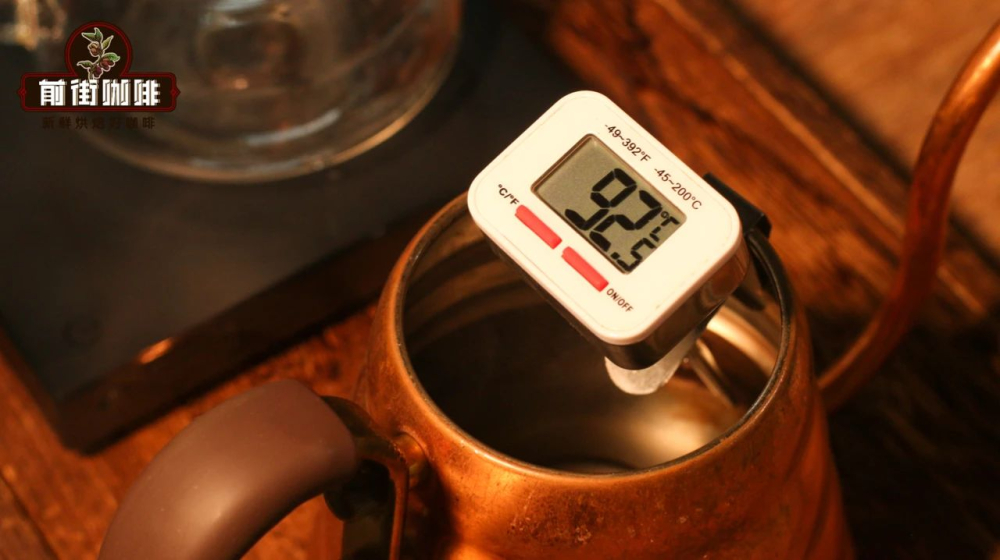
First, we tested the freshly rested Jensen Geisha, brewing with water temperatures of 92°C, 90°C, and 88°C. The pour over steps were as follows: first, pour 30 grams of water for a 30-second bloom, then pour up to 125 grams for the first drawdown, wait until the water level drops near exposing the coffee bed and pour again up to 225 grams, finally removing the dripper just before the water level exposes the filter—total brew time around 2 minutes (including bloom).
At 92°C, the coffee showed distinct fermentation aromas, with fruity acidity of green lime, raspberry, and nectarine, accompanied by sweetness of cocoa, butter, and caramel, and a vanilla- and fruit-toned aftertaste with a heavier body—but some may find the finish slightly bitter. Switching to 90°C, the aroma softened to a gentle jasmine note, with dominant citrus, raspberry, and strawberry flavors, clear layering, and an interplay of tea-like quality and caramel sweetness, resulting in excellent overall balance—deemed the ideal water temperature for this coffee. At 88°C, although acidity and sweetness were evident—with bright notes of lemon and pomegranate, and pronounced juiciness—the coffee also carried slight grassy tones, with an overall profile appearing a bit rough.
Overall, 90°C best highlighted the floral-fruity character and balanced acidity-sweetness of this Geisha, making it recommended for those seeking a full-flavored experience. In contrast, the same beans stored for two months, even brewed at the same 90°C, performed very differently. The brewing process remained unchanged, but the resulting cup offered only citrus, lemon, licorice, and cocoa flavors, alongside noticeable pipe tobacco notes, woody tones, and off-flavors—even slight astringency—with floral and aromatic layers almost entirely lost.
This is because during storage, volatile floral and fruity notes, acidity, and herbal compounds gradually dissipate, leaving more stable nutty, chocolatey, and caramel-like flavors—but the overall pool of extractable flavor compounds diminishes. Using brewing parameters suited for fresh beans in this case can easily lead to over-extraction, amplifying undesirable flavors. To address this, it is first recommended to reduce the bloom time from 30 seconds to 15 seconds, keeping other conditions unchanged, and observe flavor changes.
After adjustment, while fermentation aromas remained, the cup still delivered berry, strawberry, and citrus acidity, with a faint floral and cocoa aftertaste, but woody and astringent notes were still obvious. Further adjustments were made to grind size, changing the original 80% passing rate through a #20 sieve to 72%—a slightly coarser grind—to lower extraction yield and reduce over-extraction risk. The new brew parameters: 30 grams water for 15-second bloom, draw down to 125 grams, then add water up to 225 grams, total brew time around 1 minute 40 seconds.
This time, the resulting coffee had significantly cleaner flavors, with bright notes of green lime, citrus, nectarine, and nuts, and a mildly sweet-sour aftertaste akin to sour plum cake upon cooling, all with smooth mouthfeel and drastically reduced astringency. To further enhance flavor, water temperature was fine-tuned to 89°C, with other parameters unchanged—the result being a more focused cup, featuring citrus, green apple, berries, and nectarine, with sweet cane-like aftertaste, and an almond-toned finish—delivering a surprisingly pleasant overall performance.
In summary, the freshly rested Jensen Geisha exhibited clear, rich floral-fruity aromas and an elegant acidity-sweetness balance, while the two-month-old beans, though prone to over-extraction, could still deliver clean flavors with citrus and berry characteristics when the blooming time, grind size, and water temperature were properly adjusted. This experiment not only enhances our understanding of how coffee flavors evolve over time, but also provides practical pour over parameter adjustments to help you master the optimal extraction window—from grinding to brewing.
The above content is compiled by CoffeeHunters, a coffee news website.


