







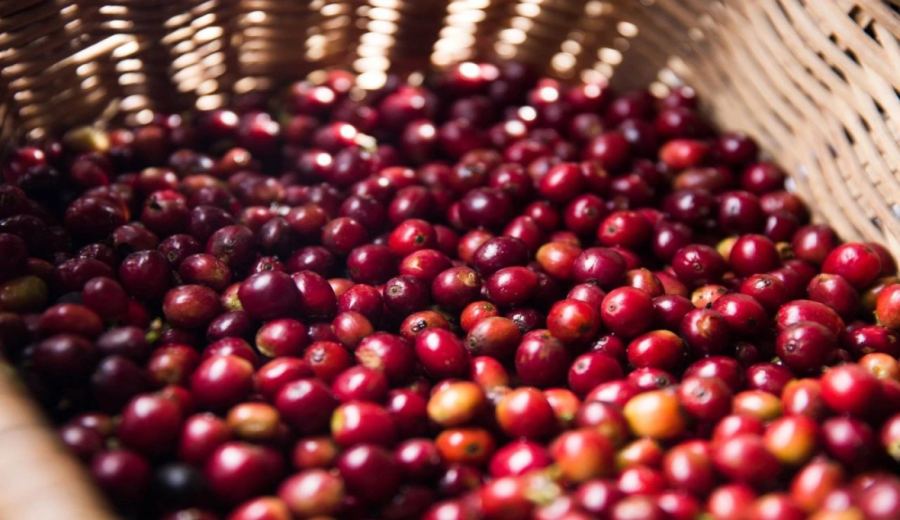
Introduction:Delve into Asia’s three renowned coffee-growing regions—Indonesia, Yunnan (China), and Papua New Guinea—to explore how their unique geographical environments shape the flavor profiles of their coffees. This article not only introduces classic processing methods such as Indonesia’s wet-hulling, Yunnan’s washed process, and India’s monsooned aging, but also details representative regional bean varieties, brewing recommendations, and flavor characteristics, providing pour-over enthusiasts with valuable insights for bean selection and extraction.
The global coffee-growing belt can be divided into three major regions based on geography and climate: Latin America, Africa, and Asia. Among them, Asian coffees are known for their bold, full-bodied profiles and pronounced sweetness, making them particularly suitable as the base for espresso blends, while also offering premium single-origin beans ideal for pour-over. This article focuses on key regions including Indonesia, Yunnan (China), Vietnam, India, and Papua New Guinea, analyzing how their terroirs contribute to distinctive cup profiles and diving deep into crucial processes like Indonesia’s wet-hulling, aging methods, and India’s monsooned aging.
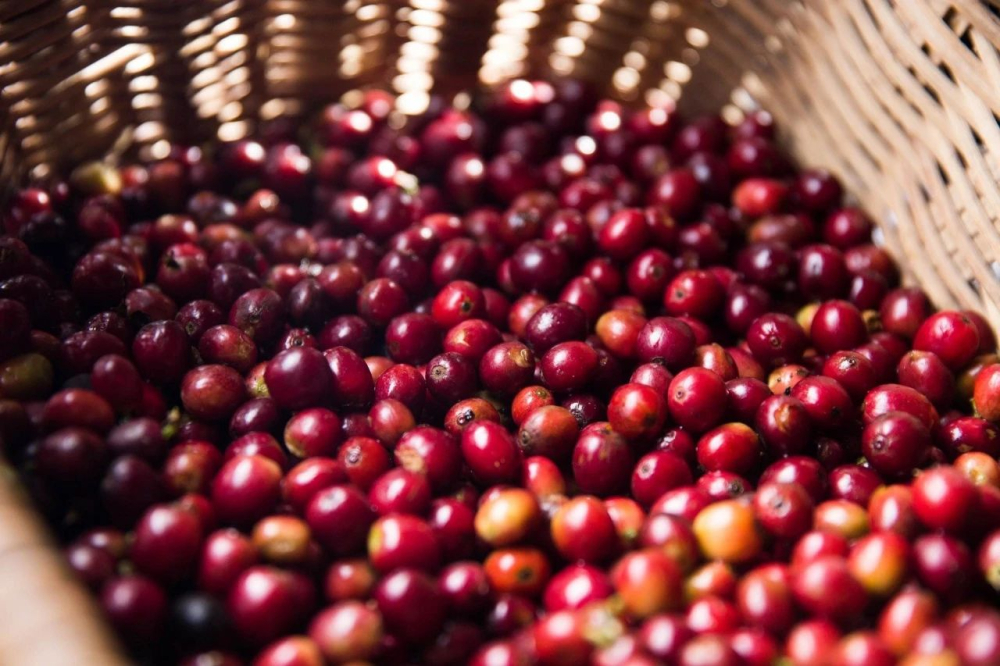
Although Asia has fewer globally renowned coffee-producing countries compared to Latin America and Africa, its overall production volume and flavor distinctiveness are remarkably prominent. Generally speaking, Asian coffees are characterized by intense flavors and rounded, sweet aromas, especially excelling in dark roasts where they showcase rich layers of chocolate and spices. As a result, they are often used as espresso bases or for bold filter brews. Major producing countries include Indonesia, China (Yunnan and Taiwan), Vietnam, India, and Papua New Guinea, which will be analyzed in turn below.
Indonesia: A Classic Representative of Wet-Hulling and Aging Processes
Indonesia’s coffee cultivation history dates back to 1696 when Dutch colonists introduced coffee to Java, marking the beginning of local production. However, the devastating leaf rust epidemic of 1877 nearly wiped out all Arabica plants in the region, leading to a subsequent shift toward the disease-resistant Robusta variety. Today, Indonesia is the world’s largest Robusta producer, primarily cultivated in southern Sumatra. In contrast, Arabica is concentrated in northern Sumatra, accounting for only about 10% of total production but giving rise to notable varieties such as Mandheling.
Common processing methods in Indonesia include natural (sun-dried), washed, and the most iconicwet-hulling method. Adapted to the region’s humid and rainy climate, this method involves quickly removing the mucilage layer and accelerating drying, resulting in coffees with intense herbal, spicy, and earthy notes. During wet-hulling, coffee beans often develop a unique “elephant ear” crack, which is a normal occurrence, not a defect. Additionally, some Mandheling beans undergoaged wet-hulling, where green beans are stored for 2 to 3 years, allowing acidity to transform into deeper caramelized sweetness and body.
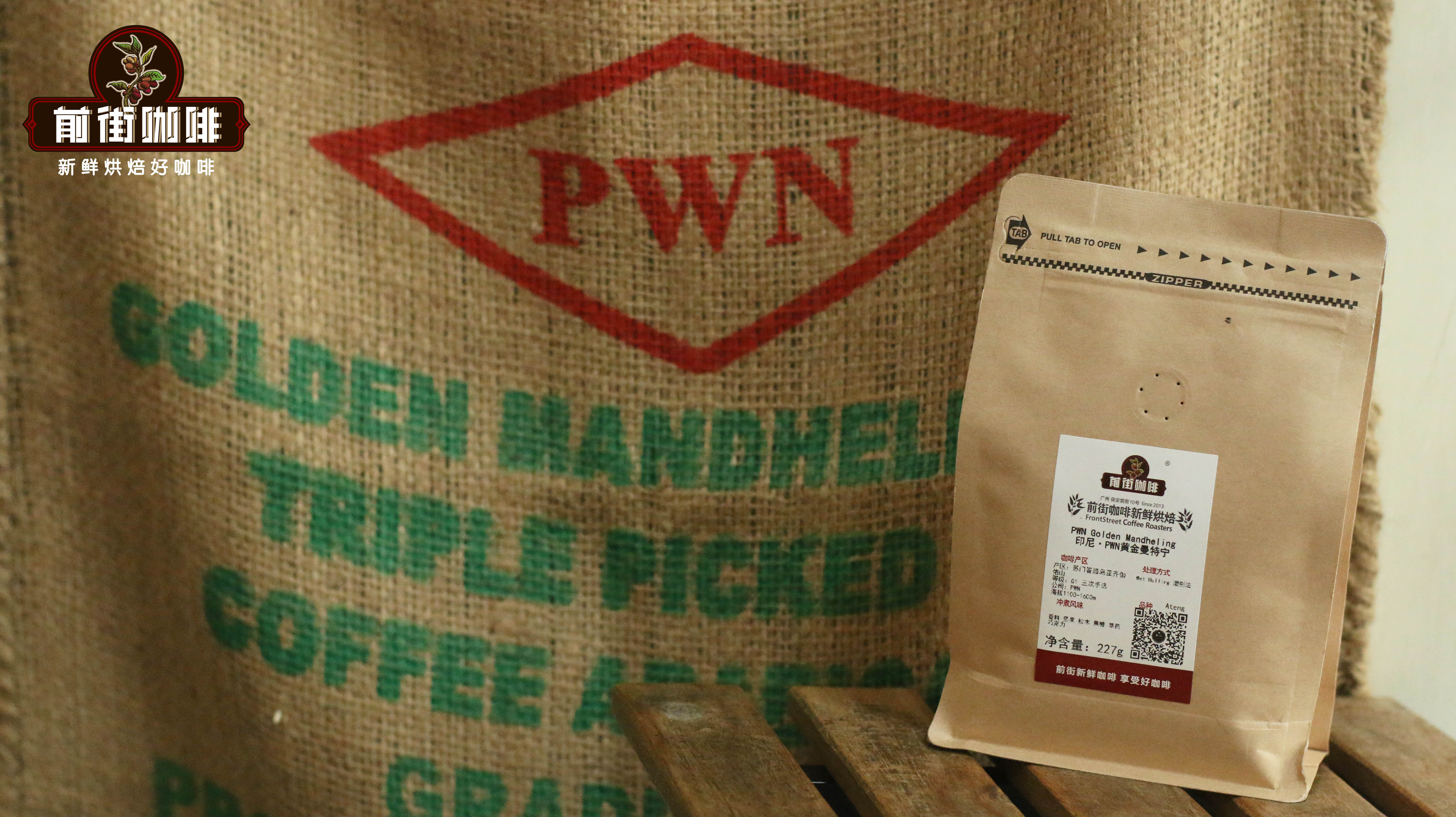
The Lake Toba area in northern Sumatra is a primary Mandheling-producing region, with notable offerings such as PWN Golden Mandheling (selected beans larger than 18 mesh, undergo four rounds of manual sorting), Lintong Mandheling (with bright herbal characteristics), and aged Mandheling (developing more intense flavors through prolonged maturation). Recommended brewing parameters: Kono dripper, 88°C water temperature, 1:15 coffee-to-water ratio, medium-fine grind (70-75% passing through a #20 sieve), using a pulse pouring technique to highlight nutty, spicy, and chocolatey layers.
Yunnan (China): Balancing Fruity Notes in Small-Bean Varieties
Coffee cultivation in China is concentrated in Yunnan, Hainan, and Taiwan, with Yunnan being the most significant. Located south of the Tropic of Cancer, the region features a subtropical highland climate with fertile, loose red soil—ideal for growing small-bean varieties (i.e., Arabica). The dominant cultivar is Catimor (a high-yield, disease-resistant hybrid of Caturra and Timor), along with a smaller amount of Typica (bronze-tipped leaves, offering delicate flavors but low yield and susceptibility to disease). Yunnan coffee is celebrated for being “bold yet not bitter, aromatic yet not overpowering, with subtle fruity notes.” Key producing areas include Lincang, Baoshan, and Xishuangbanna, among which Baoshan is regarded as the best small-bean coffee region due to its stable climate.
Current coffee processing methods in Yunnan are becoming increasingly diverse, encompassing natural, washed, and experimental techniques like anaerobic fermentation, though the market’s preferences are still being explored. For example, washed Catimor beans from Baoshan often exhibit a balanced profile of nuts, chocolate, and mild fruit acidity. Recommended brewing parameters: Kono dripper, 1:15 coffee-to-water ratio, medium-fine grind, pulse pouring (30g bloom for 30 seconds, then pour to 125g followed by 225g) to emphasize its rich base and delicate finish.
Vietnam: A Legacy of French-Style Robusta Flavors
As Asia’s largest coffee-producing country, Vietnam’s coffee history is closely tied to French colonization. In the mid-19th century, Arabica was introduced to the Gulf of Tonkin (now the northern region) by French missionaries, initially featuring varieties like Java and Bourbon. Today, over 96% of Vietnam’s coffee exports are Robusta, mostly from smallholder farms. While production volume is high, overall quality still lags behind regions like Brazil and Colombia, typically presenting bold bitterness and a heavy body.
India: Unique Flavor Transformation via Monsooned Aging
India’s coffee processing techniques share similarities with Indonesia’s, particularly the renownedmonsooned aging method. Historically, when green beans were transported to Europe by sailing ships, prolonged exposure to humid air turned the beans yellow and altered their flavors, eventually winning consumer preference for this distinctive character. Today, this effect is artificially replicated—during the southwest monsoon season from May to June, green beans are spread out in ventilated wooden warehouses and regularly turned to ensure even exposure to moist air. After about seven weeks, the beans turn golden and develop flavors of rich caramel, raisins, and herbs, with a berry-like finish.
Recommended brewing parameters: Kono dripper, 1:15 coffee-to-water ratio, medium-fine grind, pulse pouring (30g bloom for 30 seconds, then pour to 125g followed by 225g) to showcase its unique sweetness and smooth, rice-tea-like texture.
Papua New Guinea: Spice-Driven Notes with a “Little Blue Mountain” Heritage
Papua New Guinea (PNG) coffee holds national importance as a key crop, with around 90% grown by smallholders, supporting nearly one-third of the population’s income. The region primarily employs the washed process, lending the coffee a clean and refined profile, while a smaller portion of natural-processed beans adds richer fruity layers. The dominant varieties trace back to Jamaican Blue Mountain Typica, earning PNG the nickname “Little Blue Mountain,” characterized by distinct spice notes and a balanced acidity-sweetness structure.
For instance, PNG AA-grade Typica from Sigri Estate, grown at elevations of 1600–1800 meters, exhibits a well-layered profile of sweetness, bright acidity, and unique spicy aftertaste after washed processing. Recommended brewing parameters: Kono dripper, 1:15 coffee-to-water ratio, medium-fine grind, pulse pouring (30g bloom for 30 seconds, then pour to 125g followed by 225g) to fully present its rich and harmonious cup profile.
By understanding the terroir, processing methods, and representative offerings of these three major Asian coffee regions, coffee enthusiasts can select beans that suit their preferences and experiment with recommended parameters to explore optimal extraction flavors.

The above content is compiled by CoffeeHunters, a coffee news website.


