







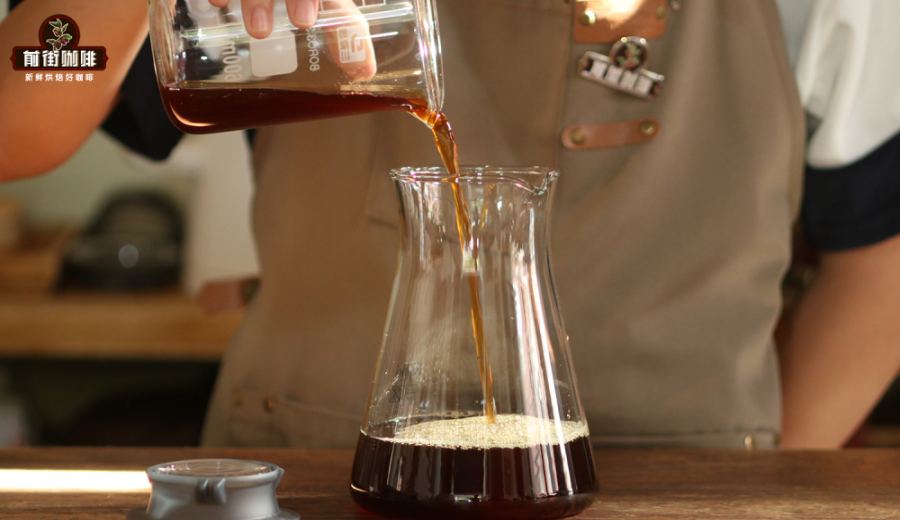
Introduction:Cold brew coffee, crafted through a low-temperature slow extraction method, delivers a uniquely smooth and non-bitter flavor profile, making it a top choice for many coffee enthusiasts to enjoy at home in recent years. But did you know that selecting the right coffee beans for cold brew is actually quite an art? This article delves into the processing methods and regional characteristics that are well-suited for cold brew, introduces flavorful beans such as Yirgacheffe and Panama Geisha/Huila through practical examples, and shares various creative ways to enjoy cold brew along with insights from testing with room-temperature water—helping you master the brewing techniques and ways to savor cold brew.
Cold brew coffee achieves an exceptionally smooth mouthfeel through prolonged cold steeping, significantly reducing the bitterness commonly associated with traditional hot brewing, which is why it has gained widespread popularity. Especially during hot seasons, a refreshing cup of cold brew not only invigorates the mind but also offers unique fermented aromas. With the rise of specialty coffee trends, more and more consumers are making cold brew at home, but choosing the right coffee beans is often the key factor influencing the final flavor.
Generally speaking, when making cold brew, it is recommended to choosesun-dried, washed, or specially processedcoffee beans. These processing methods can highlight the beans’ inherent fruity notes, sweetness, and complexity. Compared to traditional dark roasts, they better showcase the delicate characteristics of cold brew. For example, Yirgacheffe from Africa, known for its bright acidity and floral notes, suits those who prefer a fresh-tasting cup; whereas coffee from American regions such as Panama excels in body and balance, especially honey or sun-dried profiles that can express more complex aftertastes in cold brew.
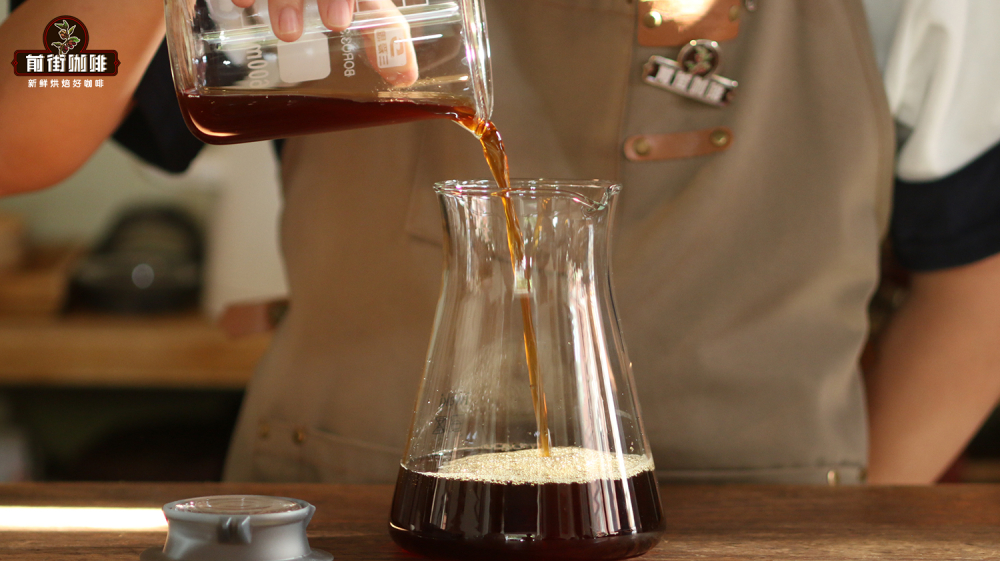
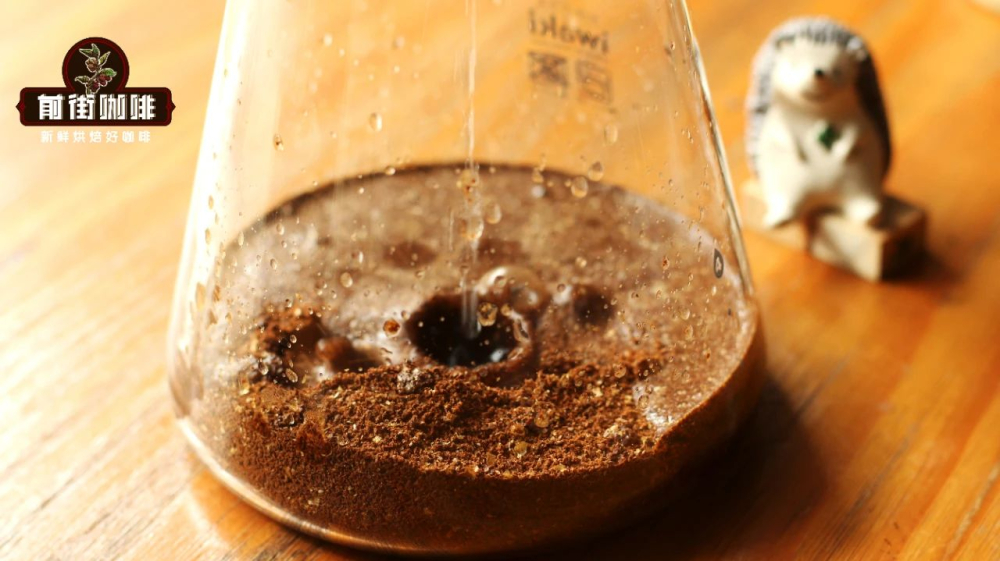
Cold brew coffee, known in English as Cold Brew Coffee, is fundamentally made bymixing coarsely ground coffee powder with cold water at a certain ratio, then refrigerating it for at least 12 hours. Some users seeking a stronger flavor may even extend the steeping time to 24 to 48 hours. After completion, simply filter out the coffee grounds to enjoy this uniquely flavored cold brew. This method doesn’t require expensive equipment—just a simple cold brew bottle or glass container is enough to get started easily.
The most distinctive feature of cold brew lies in its low-temperature extraction characteristic. Due to the low water temperature, only small molecular compounds such as floral, fruity, and acidic notes are more easily released, while larger molecular components like smoky or charred flavors are less likely to dissolve into the water. This explains why cold brew coffee generally haslow acidity, low bitterness, and a smooth mouthfeel, often accompanied by a hint of refreshing fermented aroma, making it highly suitable for summer consumption and even usable as a base for specialty mixed drinks in autumn and winter.
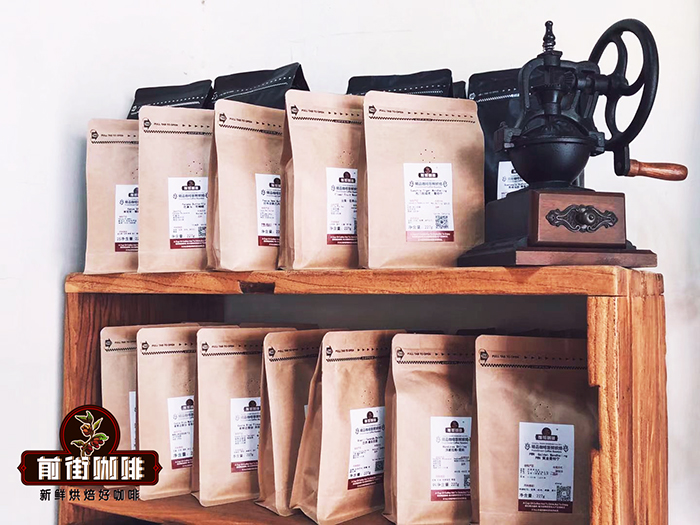
So, which coffee beans are suitable for making cold brew? It is recommended to prioritizewashed and sun-dried processedbeans. These types of beans usually have clear and distinct flavor profiles, and when used for cold brew, they can showcase richer fruity and sweet notes. For instance, coffee beans from African regions often exhibit pronounced floral and fruity acidity—like the native Heirloom variety from the Yirgacheffe area, beloved for its citrus tones and red plum-like fruitiness. Meanwhile, American beans such as sun-dried Panamanian beans offer intense tropical fruit and tea-like sensations, ideal for those who enjoy a full-bodied and richly flavored cup.
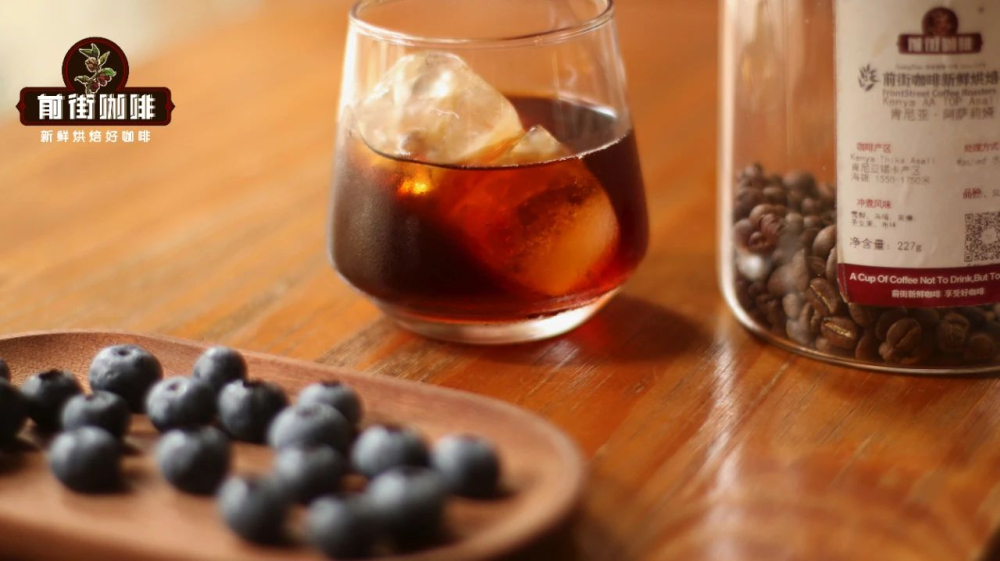
Taking practical examples,Yirgacheffe Guji Dingdingis a washed bean from Ethiopia, grown at an altitude of about 1850–2100 meters, classified as G1 grade, and of the Heirloom variety. This bean’s flavor profile is dominated by white floral notes, citrus, and red plum, with medium acidity—making it highly suitable for cold brew lovers who prefer a refreshing fruity taste. Another popular option isPanama Geisha/Huila, produced in the Boquete region at an altitude of 1600–1650 meters, using the sun-dried process. It consists of 70% Geisha blended with Catuai and Caturra varieties, presenting the classic Geisha notes of citrus and tea, which become even smoother and silkier after cold brewing.
Beyond traditional pure cold brew, you can also try different mixed drink styles to add more fun. For example, adding sparkling water not only enhances the overall refreshment level but also, due to the bubbling effect, allows the coffee grounds to distribute more evenly during steeping, thereby improving extraction efficiency. Practical tests have shown that cold brew made with soda water, though seemingly bubble-free on the surface, delivers a subtle effervescence upon drinking and makes berry aromas more vibrant.
Readers who enjoy creamy flavors can also try mixing cold brew with fresh milk or cream to create a drink similar to a cold brew latte. Generally, light roasts are best enjoyed plain to appreciate their original flavors, but if you opt for a dark roast, adding milk is recommended to create a rounder and smoother mouthfeel. Fresh milk, with its high water content, results in a lighter body after mixing—ideal for those who prefer a refreshing taste—whereas fresh cream or creamers can deliver a richer, thicker texture, making the coffee smoother and more luscious.
Additionally, cold brew can be paired with alcohol to create unique coffee cocktail flavors. For instance, adding a small amount of Irish whiskey or brandy can lend the cold brew a gentle boozy aroma and added complexity. For those avoiding alcohol, you might choose Honduran coffee beans with a sherry flavor—these beans undergo fermentation in whiskey barrels, resulting in rich notes of creamy vanilla and whiskey, allowing you to enjoy a similar spirit-like character even without adding any actual alcohol.
It’s worth noting that some readers have experimented with using room-temperature water instead of ice water for cold brew, and the test results turned out unexpectedly good. Although traditional methods emphasize cold water steeping, as long as time and ratios are well controlled, room-temperature water can also produce a flavorful cold brew—suitable for those without a fridge or wishing to speed up the brewing process.
In summary, the charm of cold brew coffee lies not only in its smooth, low-bitter taste but also in its flexible brewing methods and diverse flavor potential. Whether you prefer fresh fruity notes, rich chocolate undertones, or want to experiment with creative mixed drinks, as long as you choose the right beans and master the timing and techniques, you can easily enjoy a personalized specialty cold brew at home.

The above content is compiled by CoffeeHunters, a coffee news website.


