







Introduction:Kenyan coffee is renowned for its distinctive intense acidity and complex flavors, the key to which lies in the K72 double-washed processing method and a rigorous grading system. This article delves into the development history of Kenyan coffee, mainstream processing techniques, regional characteristics, and variety genetics, while also providing a practical overview of the auction system and pour-over brewing recommendations. It helps coffee enthusiasts comprehensively grasp the essence of Kenyan coffee—from bean to cup.
Kenya and neighboring Ethiopia are both important African coffee-producing regions, yet the two have taken entirely different paths in shaping their coffee flavors. Kenyan coffee stands out in the global specialty coffee market with its pronounced acidity reminiscent of cherry tomatoes and dark plums. This unique flavor profile stems not only from the region’s signature SL28 and SL34 varieties but is also closely tied to its distinctive K72 double-washed processing method.
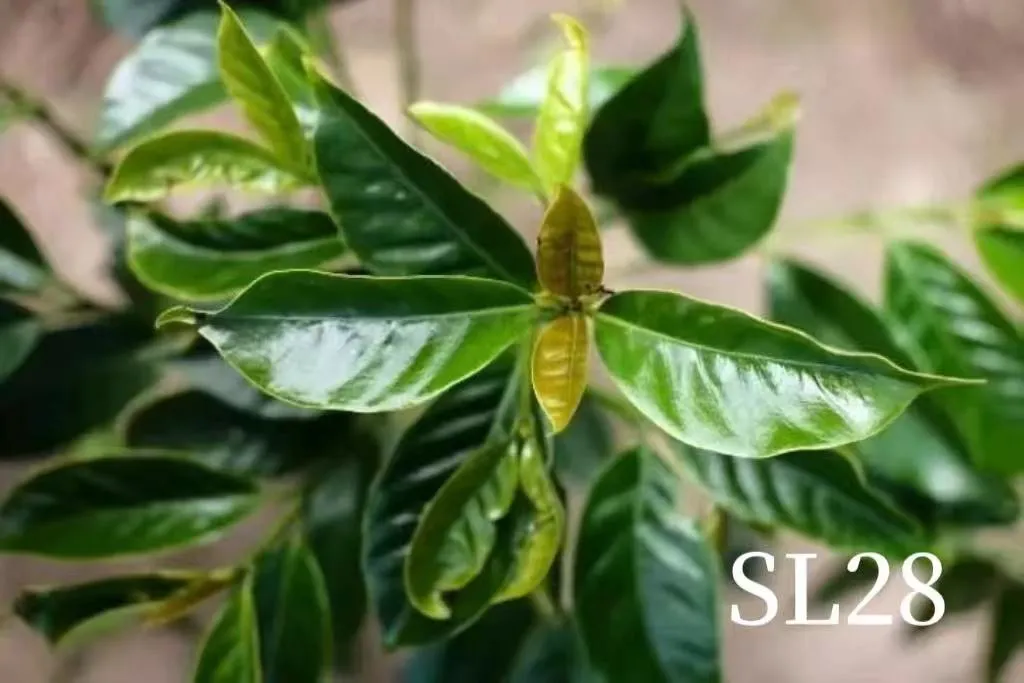
The early formation of Kenya’s coffee industry began in the 19th century when coffee was introduced by the British. In 1922, the Scott Agricultural Laboratories were established in Kenya, which later gave rise to the naming of the SL series of coffee varieties. Over the following decade, researchers selected the SL28 and SL34 varieties from 42 candidate cultivars as the most suitable for Kenya’s high-altitude environment. To this day, these two varieties still account for over 90% of Kenya’s coffee cultivation area, laying the foundation for the country’s core flavor profile.
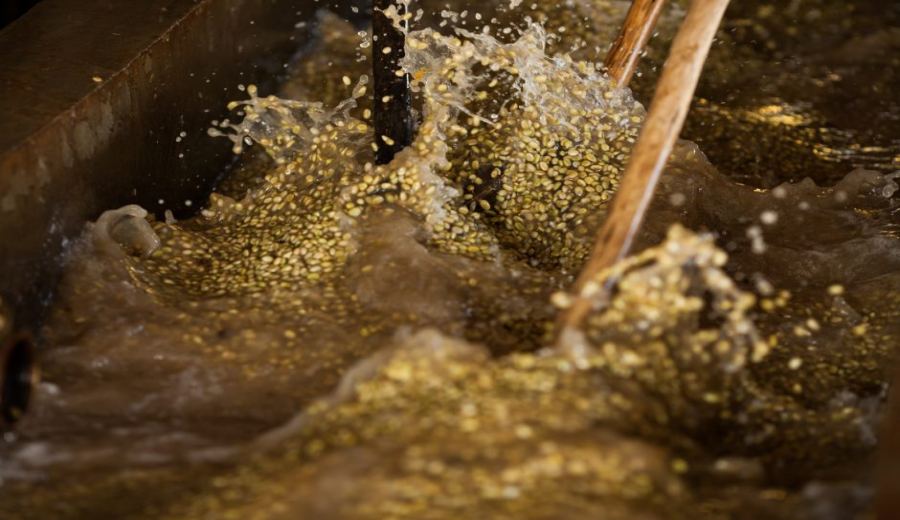
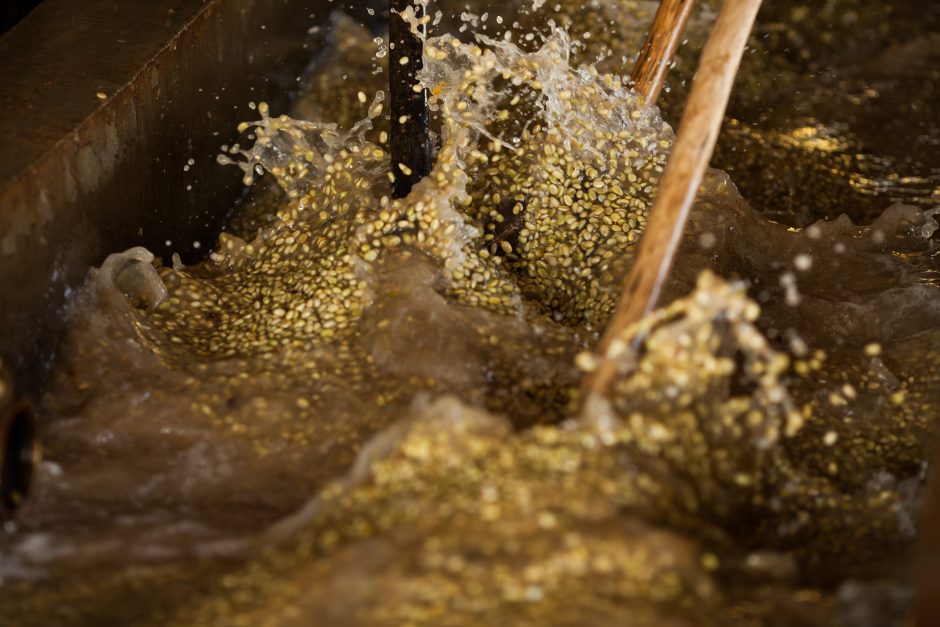
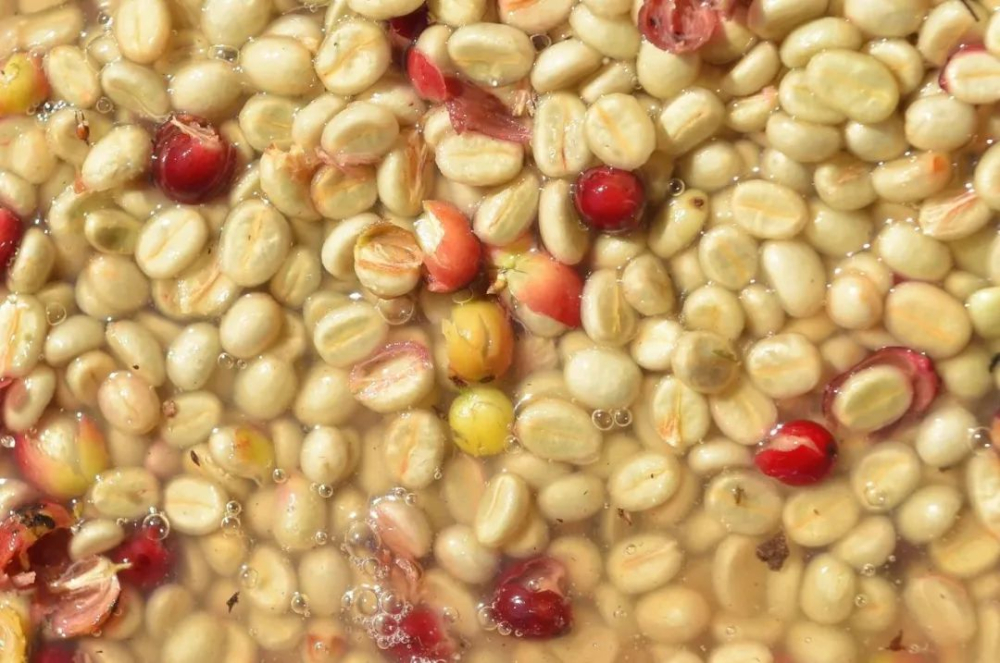
K72 Double-Washed Processing MethodThis is a proprietary technique of Kenyan coffee and the key to achieving its intense yet clean acidity. This method follows the basic steps of traditional washed processing but significantly enhances the duration and frequency of fermentation. Specifically, ripe coffee cherries with a sugar content of 21 or above are harvested, rigorously sorted, depulped, and then placed in water tanks for the first 24-hour fermentation. After washing, they undergo a second 24-hour fermentation. This process is repeated three times, accumulating a total fermentation time of72 hours, far exceeding the common 36-hour fermentation period of conventional washed methods. This repeated fermentation and washing process effectively improves the coffee beans’ cleanliness and flavor complexity, resulting in the characteristic bright, high acidity of Kenyan coffee.
During fermentation, water temperature and ambient temperature are critical variables. Typically, the higher the temperature, the faster the fermentation, but hygiene and quality control must be closely monitored. The water in fermentation tanks needs to be regularly changed to prevent the growth of unwanted microbes causing off-flavors. Additionally, multiple short fermentation cycles combined with thorough washing help stabilize flavor expression and reduce the occurrence of undesirable notes.
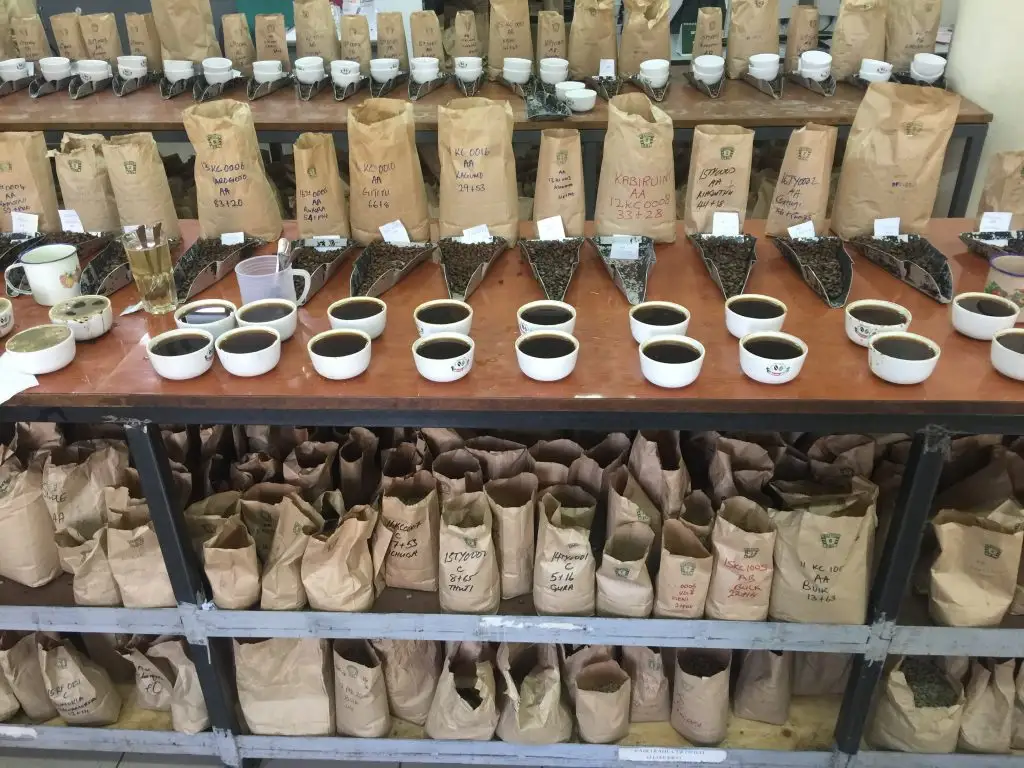
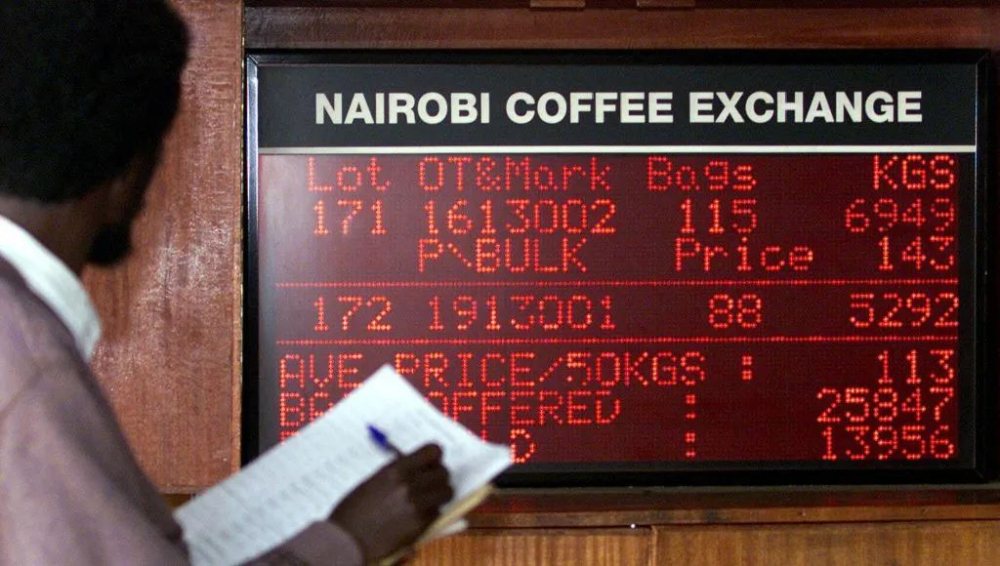
Kenya’s coffee trading system also has its unique features, among which the most representative is thepublic auction systemused since the 1930s. The Kenya Coffee Board is responsible for unifying the grading and certification of coffee beans, after which weekly auctions are held through the Nairobi Coffee Exchange. This trading approach dates back to before 1934, employing an agent system where licensed agents sent samples to international buyers. Buyers would cup the samples and instruct their agents to bid at the auctions. However, this system was criticized for overly relying on intermediaries, which reduced farmers' earnings. Therefore, after 2006, the Kenyan government allowed some cooperatives and processing factories to engage indirect trade (Second Window)with international buyers—negotiating prices directly without going through auctions, thereby offering farmers more diversified sales options.
Currently, Kenya’s coffee trade remains dominated by theauction system, accounting for about 85% of total production, while direct trade makes up around 15%. Auctions are usually held every Tuesday using an electronic bidding system akin to open outcry, where agents bid against each other, often reflecting the market’s genuine evaluation of specific batches of coffee. Direct trade mostly occurs before or during harvest seasons, where buyers and sellers may negotiate prices in advance, sometimes referencing the previous week’s auction prices as a basis. This model helps high-quality producers receive more reasonable compensation.
Kenya’s coffee farming structure is primarily composed ofsmallholder farmer cooperatives. Approximately 700,000 smallholders are spread across 270 cooperatives nationwide, collectively managing around 75% of the country’s coffee-growing areas. Each smallholder typically owns only a small plot of land, with annual yields of just a few hundred kilograms. They usually send their coffee cherries to nearby processing factories (Coffee Factories) based on proximity and purchase prices for collective processing. These factories are generally equipped with good washed processing facilities—including prolonged water soaking and precise fermentation controls—that help shape the consistent and outstanding flavor profile of Kenyan coffee.
In terms of producing regions, Kenyan coffee mainly comes from the central and western highlands, includingNyeri, Kirinyaga, Muranga, Kiambu, Embu, Kisii, and Bungoma. Each region, due to differences in altitude, microclimate, and processing methods, exhibits unique flavor traits. For example, Nyeri is known for its bright citrus and berry acidity, Kirinyaga offers delicate sweetness and heavy acidity, while Kisii and Bungoma are recognized for their soft acidity and prominent fruity sweetness.
In terms of varieties, Kenyan coffee is dominated by SL28 and SL34, both of which offer high quality and disease resistance while imparting distinct citrus, dark plum, and complex acidity. Additionally, Ruiru 11 is a hybrid variety developed in the 1980s to resist coffee leaf rust. Although it enjoys limited acceptance in the specialty market, it occasionally appears as part of blends, contributing unique flavor variations.
Kenya’s coffee grading system is equally rigorous, primarily categorizing beans by size, shape, and hardness into grades such asAA, AB, PB, C, E, TT, and T. Among these, AA grade (17–18 mesh) represents the largest beans and is considered the hallmark of high quality, while AB grade (15–16 mesh) forms the bulk of market circulation. PB refers to peaberry beans, often favored for their high density and concentrated flavor. Beyond size grading, Kenya also uses flavor grades such as TOP, PLUS, and FAQ, supplemented by cupping data to provide clear quality benchmarks for every batch of coffee on the market.
Take the popular Kenyan Assaliya coffee beans as an example. Produced in the Thika region, these beans are processed by the Asali Honey Factory using the K72 method. Grown at altitudes between 1,550 and 1,750 meters, they come from the SL28 and SL34 varieties and are graded as AA TOP. A light roast is recommended to highlight their bright acidity. During roasting, the charge temperature should be controlled at 200°C, and the beans should be dropped at 191.6°C after the development phase of the first crack, fully showcasing their layers of cherry tomato, berry, and dark plum flavors.
For pour-over brewing, a V60 dripper is suitable, paired with a 1:15 coffee-to-water ratio. The suggested water temperature is around 90°C, with a grind size of 20-mesh sieve at 80% extraction fineness. Use the three-pour method: the first pour is a 30-gram bloom for 30 seconds, followed by a second pour of 125 grams, then topping up to a total of 225 grams after the water level drops. The total brew time is approximately 2 minutes. These parameters help balance acidity and sweetness, highlighting clear fruit juice-like flavors with undertones of green tea and brown sugar in the aftertaste.
With its sophisticated processing techniques, rigorous grading system, and diverse regional flavor profiles, Kenyan coffee is a must-try for specialty coffee enthusiasts. Whether you’re exploring the nuanced acidity of K72 washed coffee or discovering the unique character of different growing regions, Kenyan coffee offers astonishing taste experiences.
The above content is compiled by CoffeeHunters, a coffee news website.


