








Introduction:Arabica coffee is the core variety of specialty coffee worldwide, encompassing multiple classic cultivars such as Typica, Bourbon, Caturra, and Geisha, each with unique flavor characteristics and ideal growing environments. This article will delve into the origins, regional distributions, processing method impacts, and flavor profiles of these major cultivars, while also providing recommended brewing parameters for pour over or extraction to help you find the Arabica beans that best suit your taste.
In the world of specialty coffee, the Arabica (Arabica) variety is undoubtedly the star. However, many coffee enthusiasts still lack a deep understanding of the origins, flavors, and suitable growing environments of细分 cultivars such as Typica, Bourbon, Caturra, Catuai, and Geisha. These varieties are not just different in name—they each represent unique flavor expressions and regional cultures, serving as key to a deeper understanding of coffee.
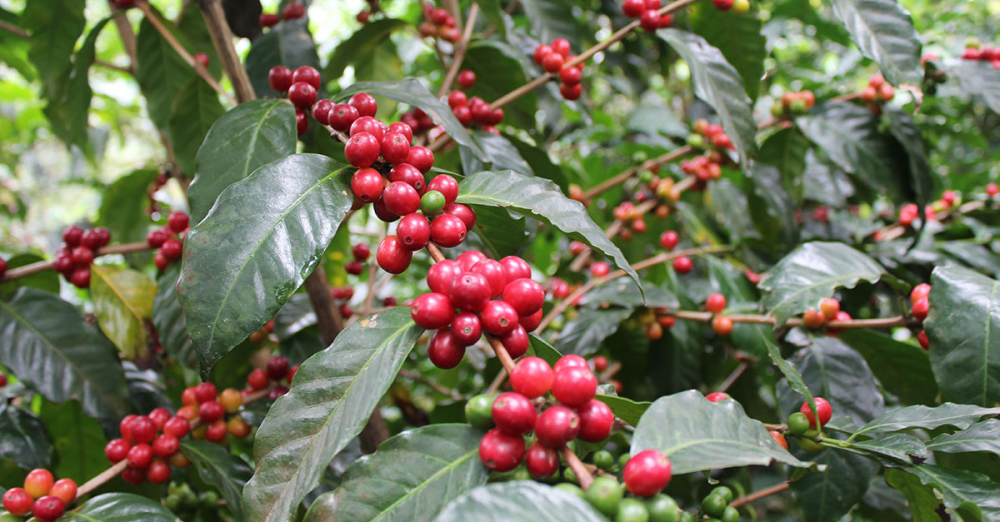
Legend has it that in 16th-century Ethiopia, a shepherd discovered his sheep becoming unusually energetic after eating a certain red fruit—this is the origin story of coffee. Over time, coffee gradually entered religious rituals and daily life. Today, the mainstream coffee varieties on the market are mainly divided into two categories: one is Arabica, known for its delicate flavors and pronounced acidity, and the other is Robusta, which has a stronger taste and higher caffeine content. The two differ significantly in altitude adaptability, yield, and flavor expression, directly affecting the final extraction and drinking experience.

Arabica coffee has higher environmental requirements and needs to be grown in higher-altitude regions, such as Costa Rica, Panama, and Ethiopia, which typically feature large day-night temperature variations, fertile soil, and moderate rainfall. In contrast, Robusta is better suited to hot, low-altitude areas. Although the brewed coffee is thicker, it often carries noticeable rubbery or musty notes, hence it is rarely included in the evaluation of specialty coffee. However, due to its lower cost, Robusta is commonly found in instant coffee, blends, and dark roast products.
Among the Arabica family, there are several classic cultivars worth exploring in depth. First is Typica, one of the varieties closest to the original Arabica, originating from Ethiopia and Yemen. Typica boasts elegant citrus acidity, a clean mouthfeel, and a soft sweetness, with high clarity and a sugarcane-like sweetness in the aftertaste. However, it has low yield, weak disease resistance, and a tall tree structure, making it difficult to cultivate.Representative regions include Panama’s Boquete area, at an altitude of about 1,850 meters, often using the natural (sun-dried) processing method to highlight rich tropical fruit and sugary flavors.
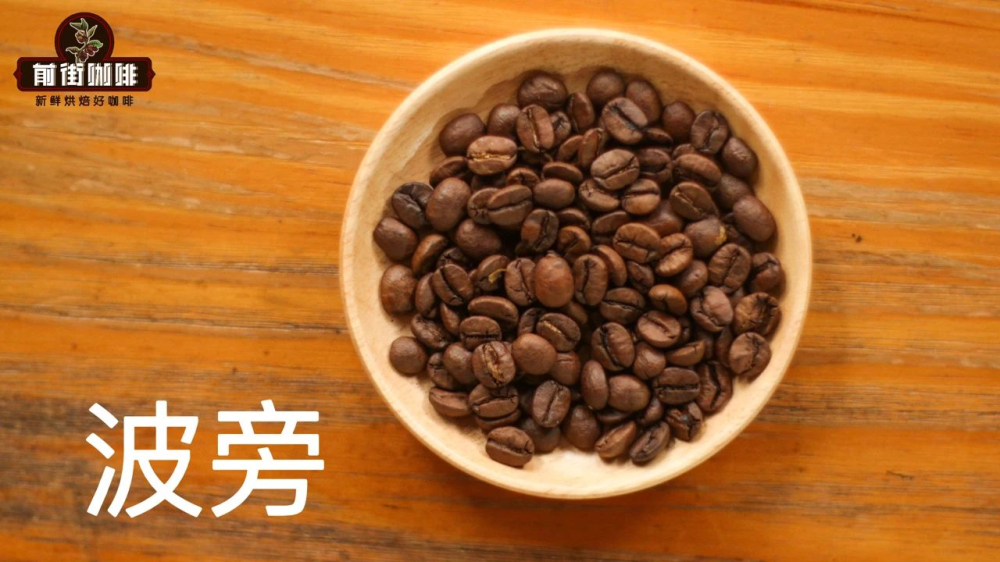
Bourbon, a cultivar as renowned as Typica, is a mutation of Typica with rounder beans, originating from the Bourbon Island in Yemen. Bourbon offers rich flavors of dark chocolate, nuts, and caramel, with smooth acidity and a layered flavor profile, making it a staple variety in many Central and South American regions.For example, Yellow Bourbon grown in Brazil’s Mogiana region, when processed naturally, exhibits pronounced caramel sweetness and black tea-like notes, with a smooth entry and clean aftertaste.
Caturra is a natural dwarf mutation of Red Bourbon, originating from Brazil, and suitable for cultivation at altitudes between 1,500–1,700 meters. Compared to Bourbon, Caturra has slightly higher yields, but its acidity is brighter, and sweetness depends on cultivation conditions. Costa Rica’s Tarrazú region is famous for Caturra, where sun-dried beans often carry intense fermented wine-like aromas and berry notes.During roasting, it is recommended to pay attention to the control of the yellowing point and Maillard reaction to fully bring out fruity and sweet flavors.

Catuai is a cross between Caturra and the Mundo Novo variety, inheriting Caturra’s dwarf tree characteristics, stable yield, and wind resistance. Although its overall flavor is less complex than Caturra, it still delivers good juiciness and tropical fruit notes, suitable for drinkers who prefer a softer taste. The Catuai and Caturra blend from Costa Rica’s Finca La Fertilidad, when sun-dried, showcases vibrant flavors of berries, honey, and tropical fruits.
Geisha can be said to be one of the most talked-about Arabica varieties in recent years, originally from Ethiopia’s Gesha Mountains and later introduced to Panama. Since 2004, it has won awards in international cupping competitions for its extreme citrus aroma, jasmine floral notes, and peach-like acidity. The Geisha Red Label from Panama’s Hacienda Esmeralda, grown in high-altitude wind-sheltered areas and processed naturally, demonstrates exceptional clarity and delicate sweetness, with a long-lasting aftertaste.It is recommended to use a medium-light roast to preserve its delicate floral and fruity aromas.

Additionally, Hawaiian Kona coffee, though limited in production, owes its uniquely aromatic, balanced sweet-and-acid profile to its volcanic rock soil and maritime climate. This type of coffee is usually medium-roasted to showcase its honey-like sweetness and gentle maltiness, making it suitable for consumers who prefer a mellow taste.
In Africa, Kenya’s SL28 and SL34 varieties, descendants of the Bourbon system, are known for their intense citrus acidity, complex fruitiness, and full body. Kenya’s Ashely Estate Processing Factory uses a 72-hour washed process to fully highlight the acidic-sweet contrast and delicate aftertaste of these varieties, making them an excellent choice for flavor enthusiasts.
In summary, the diversity of Arabica varieties brings endless possibilities to coffee tasting. From the pure citrus notes of Typica, to the floral-honey richness of Geisha, to the bold chocolate layers of Bourbon, each variety has its unique charm and ideal processing and extraction methods. Understanding their backstories and flavor characteristics will help you find the coffee that best matches your taste.

The above content is compiled by CoffeeHunters, a coffee news website.


