







Introduction:Anaerobic fermentation and wine processing are innovative techniques in the specialty coffee scene that have garnered significant attention in recent years. By simulating the environment of winemaking, these methods impart intense fruity aromas and complex layers to coffee beans. This article delves into their scientific principles, contrasts them with traditional washed and natural processes, and provides practical roasting and pour-over recommendations. Featuring two classic examples — Colombia’s Huayu Ye (Floral Moon Night) and Panama’s Hartmann — it helps you master the brewing techniques for these beans.
In recent years, anaerobic fermentation and wine processing have gradually become focal points in the specialty coffee market. From the innovative applications by 2015 World Barista Champion Sasa Sestic to early experiments by farmers in Costa Rica, these wine-inspired processing techniques have successfully introduced unique flavors such as strawberry jam, wine notes, and tropical fruits to coffee. This article will systematically break down the workings of anaerobic fermentation, highlight the essential differences from conventional processing methods, detail the practical steps of carbonic maceration, and combine actual roasting and pour-over parameters to help coffee enthusiasts deeply understand its core logic.
The current coffee industry is blooming with diversity, from special lots to rare varieties. Varied processing methods not only expand choices but also enrich the flavor spectrum of specialty coffee. There are now multiple bean offerings that employ anaerobic fermentation techniques. Whether tasted in-store or purchased online, consumers show high interest in these innovative flavors — this groundbreaking approach is a key driver of industry progress.
Anaerobically fermented coffee beans have become a new trend in processing technology. While some are drawn to their fermented flavors, others prefer traditional tastes, but there’s no denying that it represents a new direction in coffee processing. This technique can be traced back to the 2015 WBC champion, Australian competitor Sasa Sestic, which sparked widespread discussion in the coffee world thereafter. WBRC 2019 runner-up Patrik Rolf once pointed out that anaerobic fermentation offers a completely new taste experience. Although known by various names (such as “anaerobic fermentation” or “carbonic maceration”), they all essentially involve fermentation in low-oxygen or oxygen-free environments. Typically using pressure-resistant stainless steel tanks, parameters such as temperature, time, and pH are precisely controlled to achieve a synergistic effect between varietal characteristics and fermentation flavors.
[Basic Concepts of Fermentation] Fermentation is a chemical process where microorganisms (aerobic or anaerobic) convert sugars into a variety of compounds (including alcohol and carbon dioxide) through their life activities. This is also a key stage in flavor formation during coffee processing.
[Definition of Anaerobic Fermentation Processing] This technique originated in the innovative coffee-growing nation of Costa Rica, developed by coffee farmer Luis Eduardo Campos while working at “Café de Altura,” and later popularized by Sasa Sestic. It draws inspiration from winemaking — for example, Sasa referenced the Beaujolais Nouveau process, injecting carbon dioxide into stainless steel fermentation tanks to displace air and create an oxygen-free environment. This slows the breakdown of sugars in the mucilage and the drop in pH, thereby enhancing sweetness and unique flavors. As a result, it is also known as the carbonic maceration method (wine processing).
Is the difference between anaerobic fermentation and traditional processing merely about the “oxygen-free environment”? The answer is no. Broadly speaking, all coffee processing methods involve some degree of anaerobic stages — for instance, the fermentation phase after removing the fruit’s skin and pulp (whether using open pools, plastic buckets, or plastic bags) is essentially about controlling fermentation conditions. While natural and honey processes are exposed to oxygen, parts of the fermentation still occur in oxygen-deprived environments. Yeast adjusts its metabolic pathways based on oxygen concentration changes, converting sugars into carbon dioxide and ethanol. In short, fermentation is central to coffee flavor development, but balancing its impact is crucial.
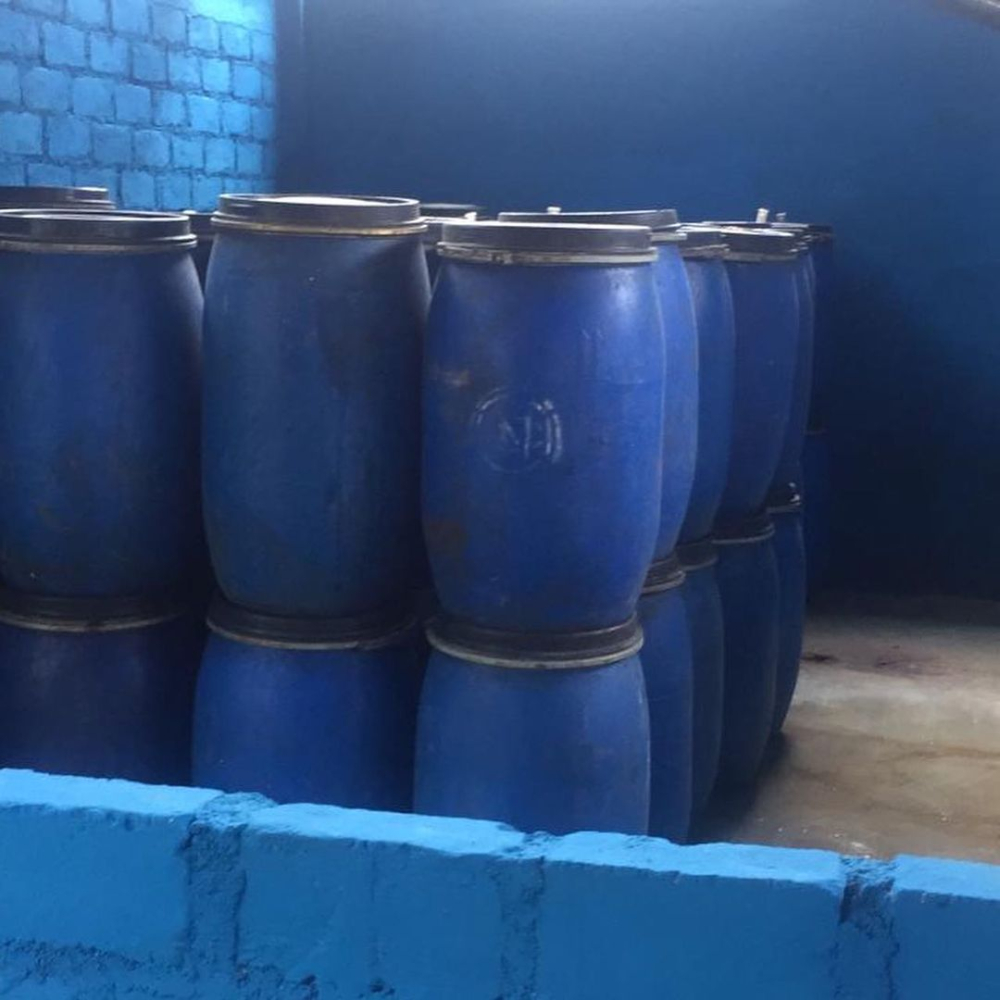
Anaerobic fermentation can be divided into several types: The common approach involves placing depulped coffee cherries with mucilage into sealed stainless steel containers (with only a vent valve), extending the fermentation time (possibly ranging from hours to days). Carbonic maceration, on the other hand, retains whole coffee cherries and injects carbon dioxide to create an oxygen-free environment, with fermentation times potentially extending to weeks. Different pressures inside the tank influence how sugars and mucilage break down — coffee at the bottom may rupture due to gravity, while those at the top remain intact, creating varied fermentation effects. The high pressure generated in this process helps green beans absorb flavor compounds from the mucilage.
Traditional processing methods find it harder to precisely control fermentation (due to numerous variables, higher risks, and greater batch inconsistencies). In contrast, anaerobic fermentation, akin to winemaking, not only presents richer and more complex flavors and body, but also enables stable production through monitoring and adjusting the microscopic environment inside the fermentation tank — this is a major reason for its popularity. Regardless of whether carbon dioxide is artificially injected or fruit skins and pulp are removed, the essence of anaerobic fermentation lies in “limiting oxygen levels to control microbial types” and strictly managing temperature and pH to halt fermentation. “Controllability” is the essence of this craft.
[Anaerobic Natural Fermentation Process] This technique has two phases: First, ripe coffee cherries are harvested and cleaned, then bagged and sealed in air-isolated fermentation for 72 hours, followed by flat drying. Its characteristic is deeper fermentation, resulting in more intense flavors — often featuring strawberry jam and fermented wine aromas, with a rich and delicate mouthfeel. When brewed, it presents fruity notes like strawberry, chocolate, and peach, fused with the richness of wine and cream, and a long-lasting aftertaste.
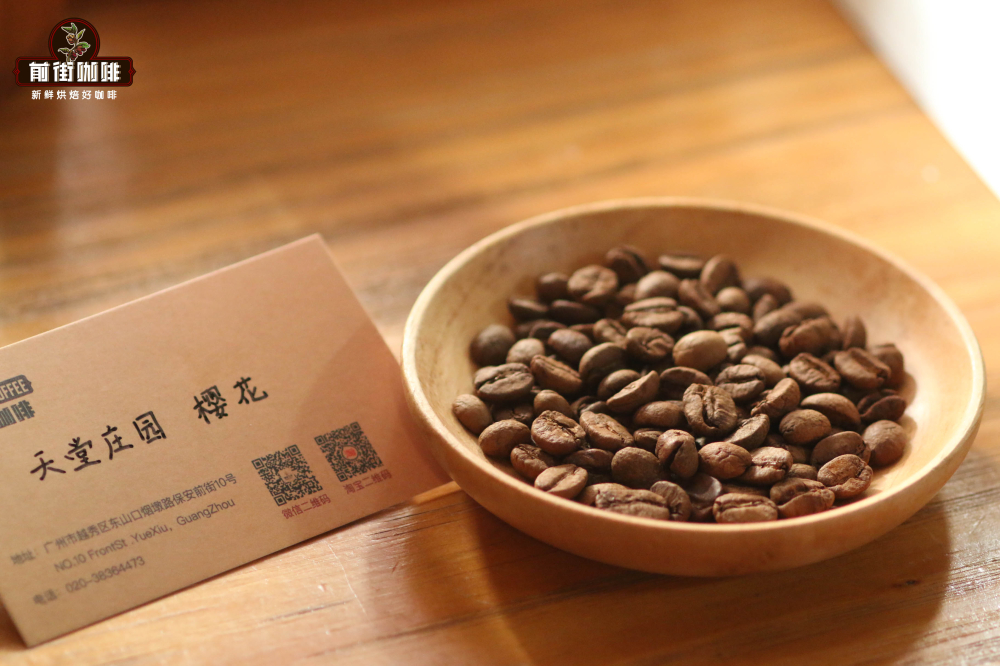
Colombia · Floral Moon Night Coffee Beans (Recommended)
Region: Huila / Farm: El Edén Estate / Elevation: 1800 meters / Variety: Caturra / Processing: Anaerobic Natural
Roasting Recommendation: Use a Yangjia 800N roaster. Charge temperature 180°C, initial flame 120, airflow 3; at 140°C, keep flame unchanged, adjust airflow to 4 (beans turn yellow, grassiness fades); at 6’25”, reach turning point with baked bread sweetness; at 180°C, reduce flame to 100, maintain airflow 4; at 9’38”, bean surface shows tiger stripping and black spots, baked bread aroma transitions to coffee aroma (prelude to first crack), listen carefully to first crack sounds; first crack begins at 10’20”, maintain airflow 4, develop for 1’50” post-first crack, drop at 196°C.
Notes: Considering the characteristics of anaerobic natural processing, dehydration time should be controlled between 9 minutes and 9 minutes 30 seconds to ensure full roasting and avoid underdevelopment. Develop for 1’50” post-first crack, drop at 196°C.
Pour-Over Parameters: Equipment: Hario V60 / Dose: 15g / Grind Size: Medium-fine (80% through 20-mesh sieve) / Coffee-to-Water Ratio: 1:15 / Water Temperature: 90°C
Pour-Over Technique: Bloom with 30g water for 30 seconds, then pour in small circles to 125g and pause. When water level nears the bed, pour to 225g and stop. Remove the filter when the water level drops again (bloom timed). Total brew time: 2’00”.
Flavor Profile: Balanced floral and fruity aromas, with lingering dark cocoa notes. Creamy texture is pronounced, and fermentation character is subtle.
Pressure Honey Processing (i.e., anaerobic non-oxygen fermentation) is another popular technique: Coffee beans (with mucilage) are fermented in stainless steel tanks after removal of fruit flesh and skin. The high-pressure environment slows fermentation, thereby enhancing sweetness and acidity expression. This technique is inspired by winemaking — placing whole grapes in a carbon dioxide environment, even without yeast, the grapes’ own sugars can convert into alcohol, lending the wine soft aromas and rich textures.
Key steps applied to coffee:
1. After removing flesh and skin, place mucilage-covered beans into a stainless steel container (material ensures flavor purity), adjusting temperature to influence reaction rate (low temperatures 4–8°C enhance acidity, higher temperatures 18–20°C boost sweetness).
2. Seal the fermentation tank to accumulate aromatic compounds.
3. Inject carbon dioxide (denser than oxygen) to displace air, creating an oxygen-free environment, slowing sugar breakdown and pH drop, reducing astringency and vinegar-like notes.
At 22°C, this fermentation process can be extended for 3 days; at lower temperatures, duration can be further prolonged.
Panama · Hartmann Estate (Classic)
Region: Volcán / Farm: Hartmann Estate / Elevation: 1250–1700 meters / Variety: Catuai / Grade: SHG / Processing: Wine Process
Roasting Recommendation: These beans are smaller in size, denser, and of medium moisture content. The goal is a light-to-medium roast to preserve acidity, tropical fruit flavors, and wine aromas, presenting a bright, sweet, and balanced style. Charge at 200°C with relatively high heat; gradually reduce flame during roasting to stabilize rise. Fine-tune flame before turning point, dehydration completion, and first crack signs to avoid scorching. Choose a dense first crack to end of roast window, shorten caramelization time to maintain purity of fruit aromas.
Pour-Over Parameters: Equipment: Hario V60 / Grind Size: Medium-fine (80% through 20-mesh sieve) / Coffee-to-Water Ratio: 1:15 / Water Temperature: 90°C
Pour-Over Technique: Bloom with 30g water for 30 seconds, then pour in small circles to 125g and pause. When water level nears the bed, pour to 225g and stop. Remove the filter when the water level drops again (bloom timed). Total brew time: 2’00”.
Flavor Profile: Rich body, distinct sweetness and acidity. Smooth entry with intense wine-like mouthfeel, high sweetness and lively acidity, layered complexity (tropical fruits, nuts, wine aftertaste, honey, cane sugar). Upon full cooling, hints of brown sugar emerge.
The above content is compiled by CoffeeHunters, a coffee news website.


