







Category: Coffee Knowledge
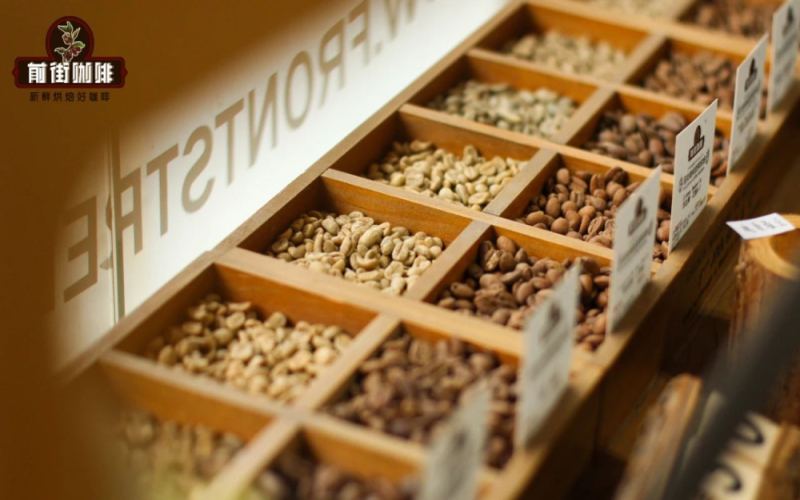
Flavor Analysis and Pour Over Parameter Recommendations for the Five Major Asian Coffee Regions
An in-depth exploration of the unique flavors, processing techniques, and ideal brewing methods of major Asian coffee regions such as Indonesian Mandheling, Yunnan Peaberry, and Vietnamese Robusta. From the classic wet-hulled process to monsoon processing, we comprehensively analyze the characteristics of coffee beans from each region and provide expert pour over recommendations to help you better master the essence of brewing Asian coffee. [more…]
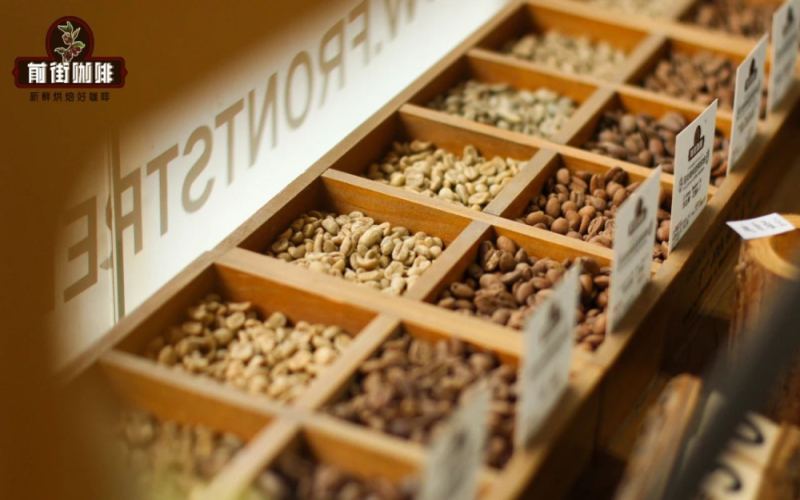
Full Analysis of the 2020 Ethiopia TOH Washed Champion Bean: Flavor Profile of Uraga G1 and Pour Over Parameters
The 2020 Ethiopia TOH Washed Category Champion comes from Uraga in the Guji region, standing out with a remarkable score of 89.8. This G1-grade washed coffee grown at an altitude of 2,300 meters boasts captivating layers of jasmine, citrus, honey, and oolong tea. This article provides an in-depth look into the TOH competition background, the terroir of the Uraga region, the processing craftsmanship of Sela Gajaba station, along with detailed cupping notes and V60 pour over parameters to help you master the brewing secrets of this top-tier coffee. [more…]
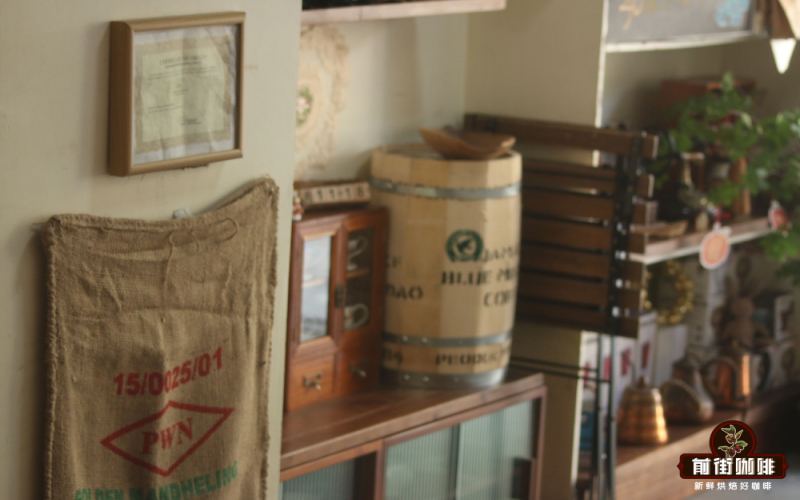
Analysis of Indonesia's Wet-Hulling Process | Complete Guide to Golden Mandheling Flavors and Brewing/Roasting Parameters
Indonesian coffee is renowned for its rich herbal and spicy flavors, a key characteristic stemming from its unique wet-hulling process. This article delves into the seven-step Giling Basah process, the climatic reasons behind its use, and how this technique shapes the low-acid, full-bodied profile typical of Mandheling coffee. It also provides the roasting curve and KONO filter brewing parameters for Golden Mandheling, helping coffee enthusiasts fully grasp the core techniques from green bean to cup. [more…]
Complete Guide to Indonesian Wet-Hulled Coffee: From Mandheling Flavor Profiles to Brewing & Roasting Techniques
Indonesian wet hulling (湿刨法) is a unique local green coffee processing method that gives Mandheling-style coffees their classic low-acidity, full-bodied profile with herbal notes. This article will deeply analyze the differences between wet hulling, washed, and natural processes, detail the complete workflow from pulping, fermentation, double drying to wet hulling and hull removal, and using PWN Golden Mandheling as an example, provide practical roasting profiles and KONO filter brew parameters to help you master this classic Southeast Asian bean. [more…]
A Complete Guide to Semeon Abay's Anaerobic Processing Method: Fermentation Principles and Flavor Profiles
An in-depth exploration of how Semeon Abay’s processing method alters the flavor profile of coffee through anaerobic fermentation techniques—from the background of its founder to the practical workflow. It compares traditional methods such as washed, natural, and honey processing, helping coffee enthusiasts understand how different processing methods affect extraction parameters and flavor expression, so you can find the beans that suit your taste. [more…]
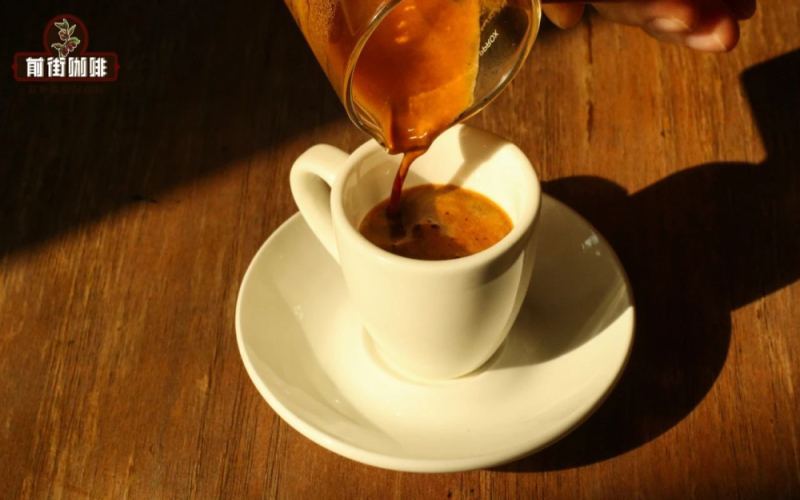
How to Brew Mandheling Single-Origin Coffee? A Complete Guide to Its Flavor Profile, Golden Mandheling Pour Over Parameters, and Differences from Espresso
Although Mandheling and espresso are often mentioned in the same breath, they belong to entirely different coffee systems. This article delves into the unique flavor characteristics of Mandheling single-origin coffee, explores the fundamental differences between it and espresso, and provides a detailed explanation of the origins and features of the processing method used for Sumatra’s Golden Mandheling. It also offers practical pour over recommendations, including grind size, water temperature, coffee-to-water ratio, and a complete brewing process, helping you master the brewing techniques and flavor profile of this classic Indonesian bean. [more…]
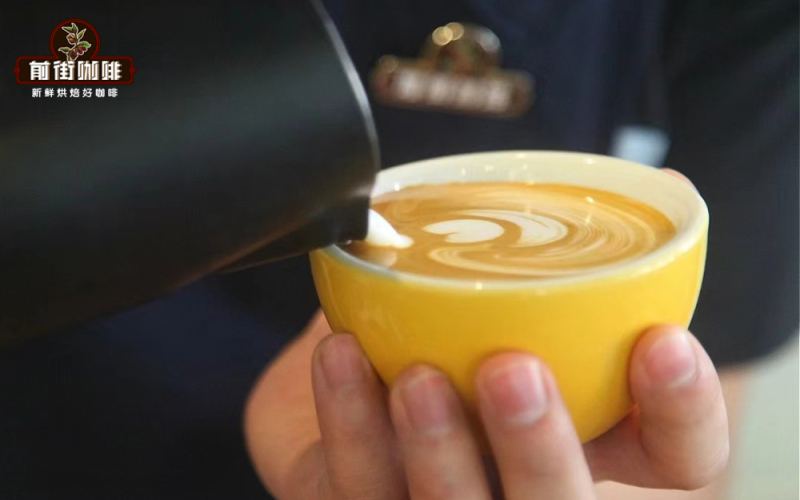
What’s the difference between Starbucks Flat White, Blonde Roast, Americano, and Cappuccino? Understand bitterness, milk foam, and concentration all at once
Wondering how Starbucks Flat White, Blonde Roast, Americano, and Cappuccino differ but always get confused about which is more bitter or smoother? This article takes an in-depth look at the recipe backgrounds, brewing details, and flavor profiles of these four popular coffee drinks—from the espresso base, milk ratio to the texture of the milk foam—to help you grasp the unique taste of each. Whether you're new to coffee or a enthusiast, you'll learn how to tell them apart and find your perfect match. [more…]
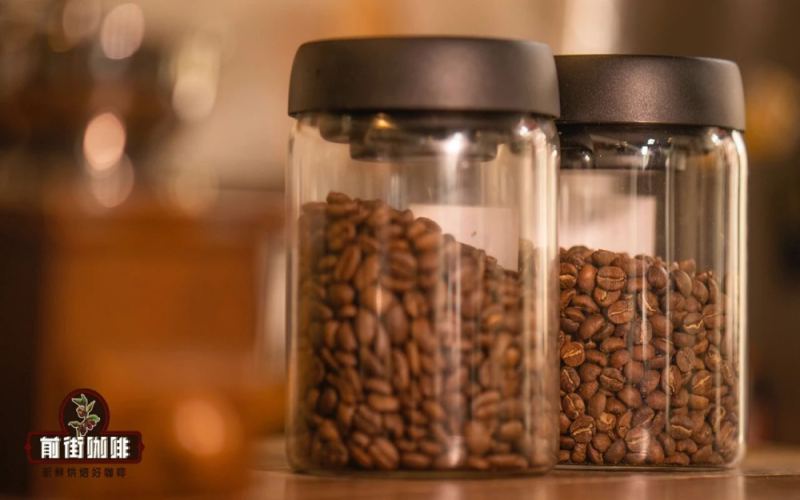
Flavor Analysis of the World’s Top 10 Specialty Coffee Regions | From Brazil to Blue Mountain: How to Choose the Right Coffee Beans for You
The diverse flavors of specialty coffee around the world stem from the unique natural conditions and processing methods of each producing region. This article provides an in-depth analysis of ten renowned coffee regions, including the balanced richness of Brazil, the sweet profile of Costa Rica’s honey-processed beans, the herbal aroma of Indonesia’s Mandheling, and the clean elegance of Jamaican Blue Mountain. It helps readers understand the flavor profiles and differences of coffees from various regions, and grasp the key factors in selecting beans. Whether you’re a pour over beginner or an advanced flavor explorer, you’ll be able to find your own preferred coffee taste. [more…]
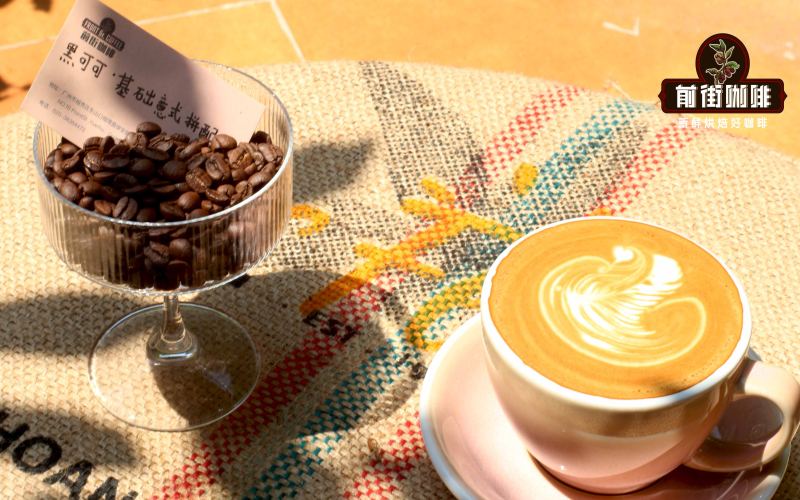
How to Choose Americano Coffee Beans? From Blends to SOEs, Learn to Brew Your Ideal Iced Americano
To brew a delicious Americano, choosing the right beans is key. This article delves into how different roast levels and regional flavors influence the taste of an Americano, offering practical bean selection advice ranging from classic Italian blends to single-origin SOEs. It also explains the optimal water-to-coffee ratio for iced Americanos, helping you adjust strength according to your taste preferences—whether at home or in a café. [more…]
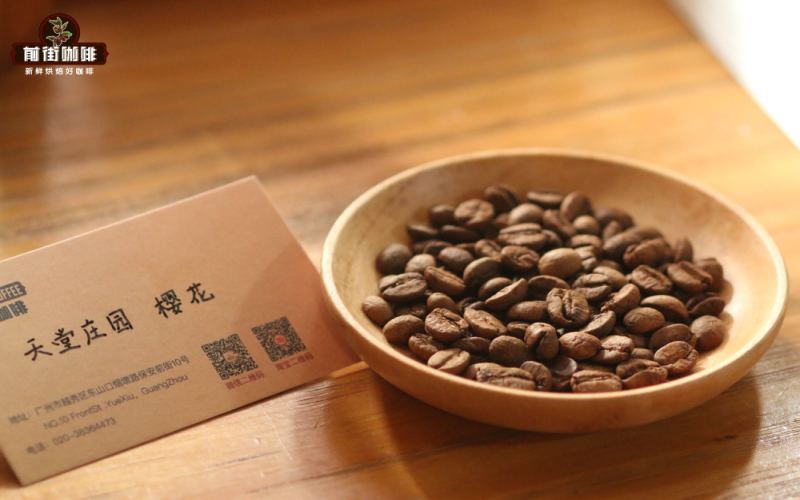
Colombian Heaven Estate Double Anaerobic Washed Castillo Coffee Beans: Flavor Profile & Pour Over Parameters
Nestled in Colombia’s Cauca region, Heaven Estate is renowned for its high altitude and meticulous processing. These coffee beans, crafted from the Castillo variety using a double anaerobic washed process, reveal a unique flavor profile of berries, strawberry jam, and mugwort spice. This article delves into the estate’s environment, varietal characteristics, processing techniques, and provides tested pour over parameters and flavor guidance to help you master the key details from roasting to brewing. [more…]
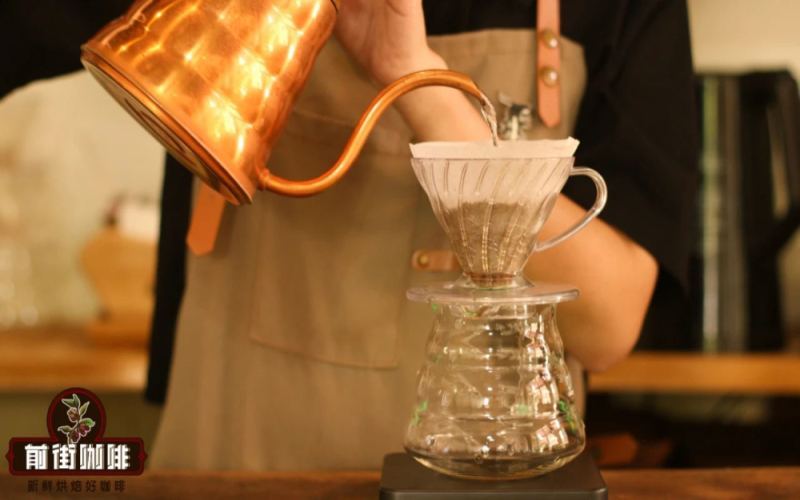
Analysis of Pour Over Coffee Powder-to-Water Ratio 1:15: Balancing Techniques from the Golden Cup Standard to Practical Brewing
Pour over coffee enthusiasts often wonder how much water they should use to brew their coffee grounds, especially why the ratio of 1:15 is so commonly adopted. This article delves into the relationship between concentration and extraction rate in the Golden Cup extraction theory, explains why 1:15 has become a stable and low-risk choice, and discusses the necessity of cutting off the tail end of the brew to help you more precisely master pour over parameters and flavor performance. [more…]
Premium Coffee Bean Flavor Guide: Analysis of Acidity, Sweetness, Bitterness & Saltiness, and Suitable Choices for Seniors
Faced with a dazzling array of coffee bean options, have you ever been confused by flavor descriptions? This article delves into the four fundamental flavor profiles of coffee—acidity, sweetness, bitterness, and saltiness—exploring how they form unique flavor contours through the interplay of roasting and origin. It also compares the characteristics of the three major coffee varieties: Arabica, Robusta, and Liberica. Practical advice is provided to help seniors choose coffee with mild flavors that are also healthy, allowing them to enjoy the pleasure of tasting. [more…]
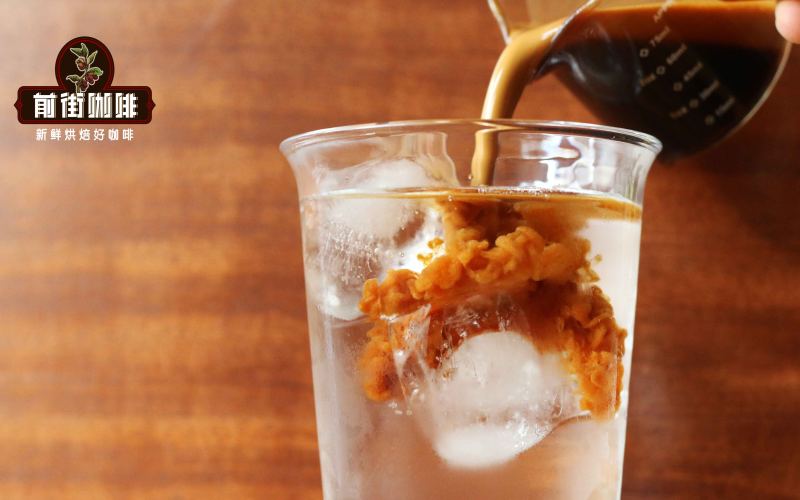
Why should drip filter coffee beans be ground coarsely? Extraction parameters and flavor guide for Americano coffee makers
The grinding logic of drip-style Americano coffee makers is vastly different from that of espresso machines. Coarsely ground coffee powder helps avoid over-extraction and brings out balanced flavors. This article delves into the principles behind grind size for drip coffee, suitable types of coffee beans, as well as techniques for setting the coffee-to-water ratio. It also provides detailed steps for making both hot and iced Americanos, helping coffee enthusiasts master professional-level brewing essentials. [more…]
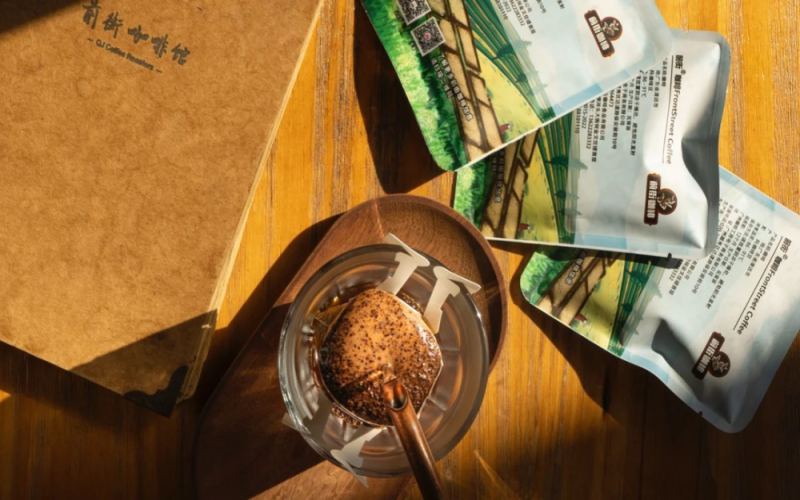
Drip Bag Coffee vs Black Coffee: A Complete Guide to Flavor Differences, Brewing Principles, and Techniques
Drip bag coffee combines the convenience of pour over with the layered complexity of single-origin coffee, making it a popular choice for busy lifestyles in recent years. This article delves into the essential differences between drip bag coffee and black coffee—from its Japanese origins to the evolution of filter bag design. Learn how to master the golden 1:15 brewing ratio and three-stage pouring technique, and understand why prolonged steeping should be avoided. Includes recommended tools for using drip bags and answers to common questions, helping you easily brew balanced and rich coffee flavors. [more…]
Chemex Coffee Maker Design Analysis & Differences from Pour Over | Includes Brewing Parameters & Flavor Profiles for Four Bean Varieties
Since its launch in 1941, the Chemex coffee maker has become a classic due to its minimalist yet aesthetically pleasing design. This article will delve into the design highlights of the Chemex, explore the differences compared to regular pour over brewing, and guide you through the key brewing elements—grind size, water temperature, coffee-to-water ratio, and technique—to help you master the correct brewing method. We also carefully selected four hand pour beans from different origins and roast levels, providing detailed brewing parameters and flavor characteristics to help you discover your ideal coffee flavor. [more…]
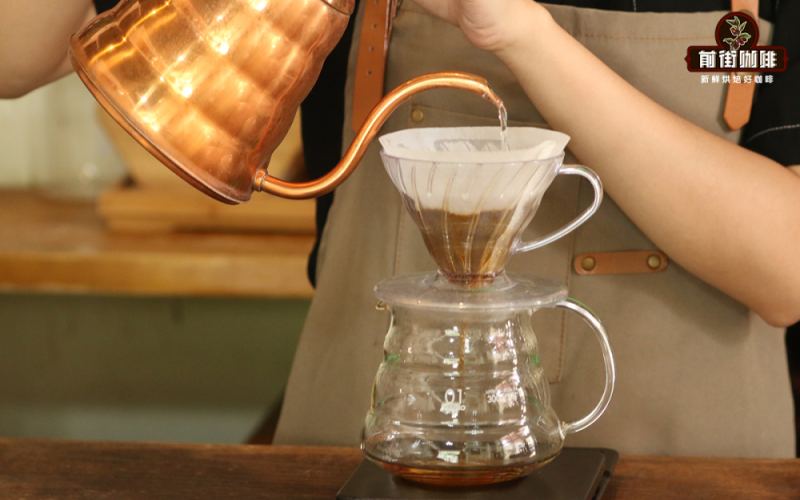
How to choose the pour over coffee powder-to-water ratio and coffee bean amount? A comprehensive guide to single-origin coffee varieties and flavors
When starting with pour over coffee, beginners often face basic questions such as powder-to-water ratio, coffee bean dosage, and selection of single-origin beans. This article starts from the SCA Golden Cup extraction theory, explaining in detail how practical powder-to-water ratios between 1:12 and 1:16 affect flavor, and calculates the classic brewing parameters for 15 grams of coffee beans with 225 milliliters of water. It also systematically introduces the characteristics of mainstream Arabica varieties such as Typica, Bourbon, and Caturra, compares the differences between Robusta and Liberica, helping you establish a scientific understanding of single-origin coffee. [more…]
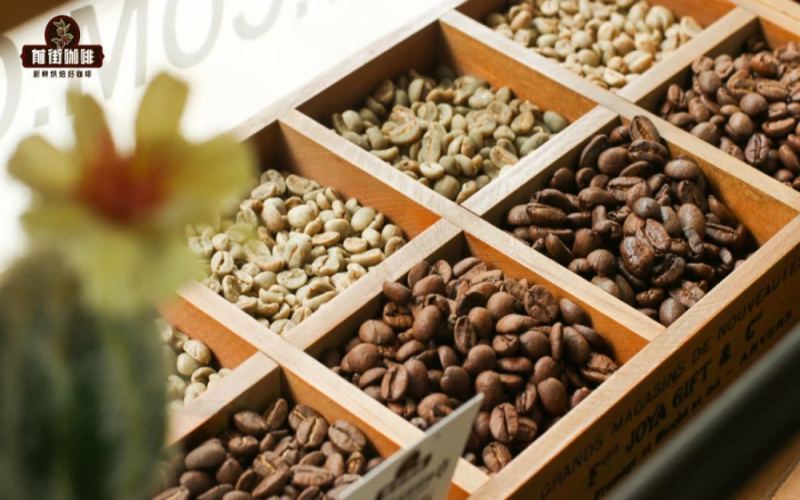
A Comprehensive Guide to Ethiopian Coffee Origins: Yirgacheffe Flavors, Trademark Disputes, and Pour Over Parameters
Ethiopia is hailed as the birthplace of coffee, home to world-renowned regions such as Yirgacheffe. This article delves into the country’s coffee-growing geography, varietal diversity, and processing methods. It also examines the famous trademark dispute between Starbucks and the Ethiopian government over regional coffee names, and provides detailed flavor profiles and pour over recommendations for both washed and natural Yirgacheffe coffees, helping you better understand the essence of this coffee sanctuary. [more…]
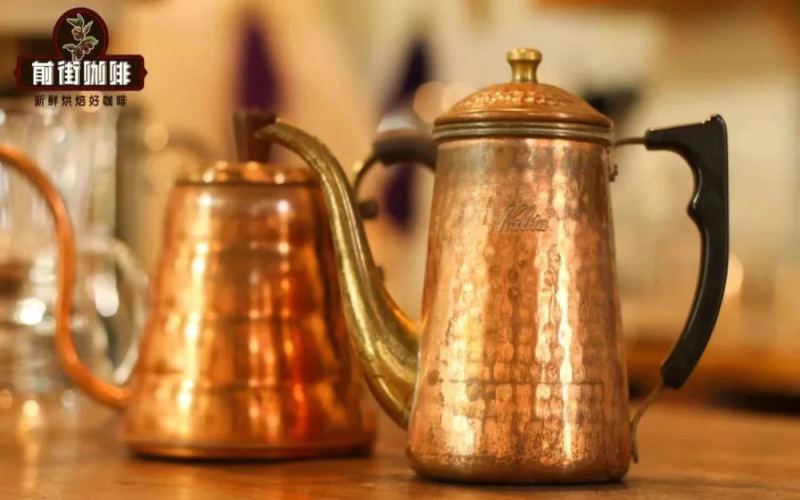
How to Choose Between Hario V60 01 and 02 Drippers? A Comprehensive Guide to Size, Coffee Dose, and Pour Over Techniques
The Hario V60 is one of the most popular drippers among pour over coffee enthusiasts, with the 01 and 02 models being especially favored by beginners. But what exactly is the difference between them? This article provides a detailed comparison of the Hario V60 01 and 02 in terms of size, recommended coffee dose, water flow control, and practical brewing techniques. Taking lightly roasted Yirgacheffe Natural Red Cherry as an example, we also demonstrate the actual brewing parameters and operational suggestions for both drippers to help you choose the right one. [more…]
The Ultimate Guide to Pour Over Coffee Grind Size: The Science and Practical Adjustments Behind an 80% Passing Rate Through a 0.85mm Sieve
To brew a cup of pour over coffee with balanced flavors, grind size is a key variable. This article delves into how the fineness or coarseness of coffee grounds affects extraction efficiency, exploring the interplay between water temperature, brewing time, and coffee-to-water ratio. It explains why the industry often uses an 80% passing rate through a standard 0.85mm sieve as a benchmark. No matter which grinder you use, this scientific approach helps beginners quickly calibrate the ideal grind settings for different coffee origins and roast levels. [more…]
Analysis of Coffee Bean Grading Standards: How to Choose Between G1, AA, PB Grades? A Global Overview of Grading Systems
When selecting coffee beans, have you ever been puzzled by labels such as G1, AA, or PB on the packaging? These letters actually represent different green bean grading methods used in various origins, directly influencing flavor and price. This article provides an in-depth analysis of the grading logic of major producing regions such as Ethiopia, Kenya, and Colombia—from the ratio of defective beans, bean size, to cupping scores—to help you accurately understand the quality significance behind the labels and choose the coffee beans that best suit your preferences. [more…]