







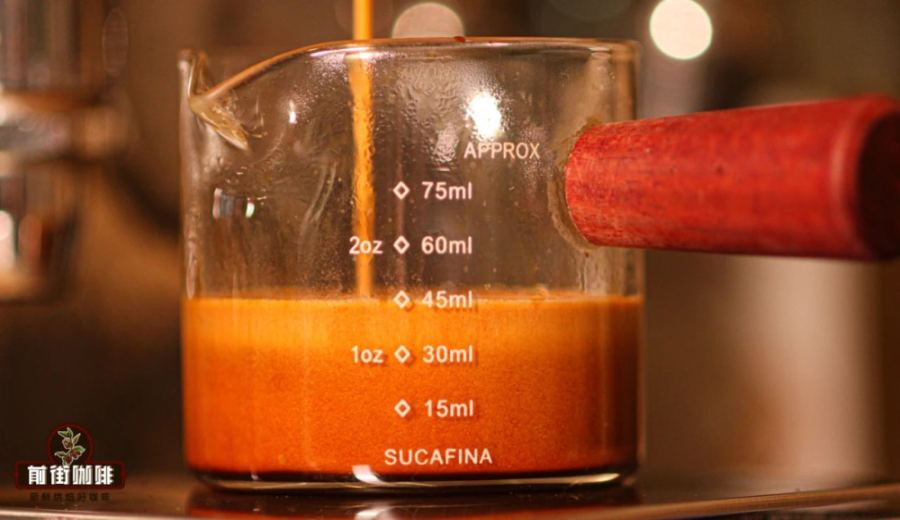
Introduction:To brew an espresso with balanced flavors, the key lies in precisely controlling various extraction parameters. This article will delve into the core elements such as dose selection, brew ratio, extraction time, flow rate adjustment, pressure, and water temperature settings. It will also explain how to evaluate extraction results through concentration and extraction yield, guiding you step-by-step to find the optimal recipe for your coffee beans.
Brewing espresso is not about achieving perfect flavor through a single formula, but rather it is influenced by multiple variables. From the freshness of the coffee beans and grind size, to the espresso machine model, extraction pressure, and water temperature stability—each factor can significantly impact the final flavor. As a result, compared to pour over, it is much harder to give a universal extraction time recommendation for espresso. This article will systematically guide you on how to develop an appropriate extraction strategy based on the characteristics of your blend, from perspectives such as dose setting, brew ratio, extraction time, flow rate performance, extraction pressure, and water temperature control. It will also introduce methods for calculating concentration and extraction yield, helping you find your favorite coffee flavor within the Golden Cup theory range.
Many people learning to brew espresso often wonder why it’s difficult to provide a fixed extraction time number like with pour over. The truth is, the factors influencing espresso flavor are far more complex than those in pour over. Not only is the state of the coffee beans crucial, but different brands and models of espresso machines also vary significantly in terms of extraction pressure and water temperature stability. Even with the same blend recipe, the flavor profile presented by different operators may differ greatly. So, how should one set the right extraction parameters for their own blend of coffee beans?
Selection of Coffee Dose
Dose setting primarily depends on the capacity of the portafilter basket. It is not recommended to use a dose that is significantly less or more than the basket's specification. An appropriate dose directly affects the density of the coffee puck: under the same tamper pressure, too little coffee leads to a loose puck structure, allowing water to pass through too quickly, which can result in under-extraction. Conversely, too much coffee makes the puck overly compact, restricting water flow, not only slowing down the extraction but possibly even preventing proper flow. In practice, a single shot of espresso is recommended to use 7 to 9 grams of coffee, and a double shot 18 to 20 grams. Of course, slight adjustments can be made according to the actual condition of the coffee beans used each day.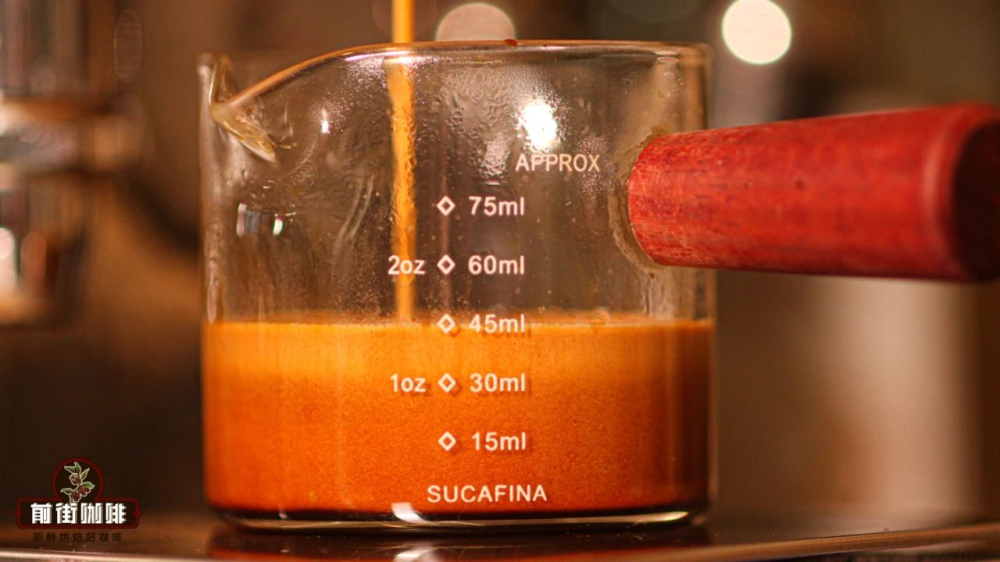
Brew Ratio for Espresso
Brew ratio refers to the ratio of the weight of coffee grounds to the weight of the final extracted liquid, generally ranging between 1:1.5 and 1:2.5, with 1:2 being the most common standard ratio. For example, 17 grams of coffee grounds yielding 34 grams of coffee liquid. This ratio is influenced by both the coffee dose and the total liquid weight. When the ratio is low, the coffee flavor tends to be intense and heavy, but it can also come with bitterness caused by over-extraction. When the ratio is high, the flavor tends to be thin, with sharp acidity, usually a sign of under-extraction. For instance, a blend that combines sun-dried Yirgacheffe and Honduran sherry cask flavors often aims to highlight layered wine-like aromas, and typically controls the brew ratio between 1:1.9 and 1:2.
Controlling Extraction Time
Extraction time refers to the entire duration from when the portafilter is locked in and the extraction button is pressed until the process is completed. The main factors affecting extraction time include grind size and brew ratio. The impact of brew ratio is more straightforward—the higher the ratio, the more water is needed, naturally extending the extraction time. Grind size determines the coarseness of the coffee grounds, which in turn affects the density of the coffee puck. The finer the coffee grounds, the denser the puck becomes after tamping, increasing resistance to water flow and thus lengthening the extraction time. If it's too long, it can easily lead to over-extraction.
In addition, the freshness of the coffee beans also affects extraction time. Beans that are too fresh contain a large amount of carbon dioxide internally, which, under high pressure, reacts with oils to create emulsification. This not only extends extraction time but also releases a significant amount of yellow crema foam. Conversely, stale beans have reduced water absorption capacity, causing water to pass through more quickly, shortening extraction time, and ultimately resulting in a thinner layer of espresso crema.
The Meaning and Observation of Flow Rate
Flow rate, the speed at which coffee liquid flows out from the portafilter, is the end result of all extraction parameters. Ideal espresso should begin to drip its first drop of liquid around the 5th second after starting extraction, followed by a consistent and stable flow rate. Generally speaking, when using 18 to 20 grams of coffee to extract 35 to 40 milliliters of coffee liquid, the overall extraction time falls within approximately 27 to 30 seconds. The speed of the flow rate directly reflects whether the grind size and brew ratio are well matched and serves as an important indicator for judging the extraction state.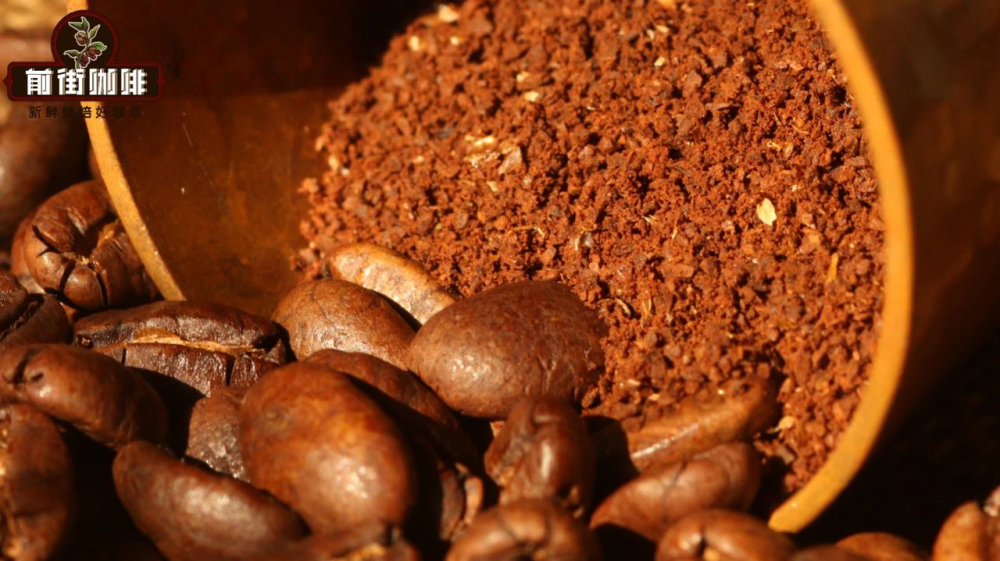
Importance of Extraction Pressure
Most professional espresso machines have a standard extraction pressure of around 9 bar, which is the ideal range determined by machine performance. If the pressure is too low, extraction efficiency will be poor; conversely, if the pressure is too high, it can easily lead to over-extraction and affect flavor balance. Therefore, when purchasing an espresso machine, in addition to paying attention to brand and price, it is essential to confirm its pressure performance, because a higher price does not necessarily mean better performance.
Regulation of Water Temperature
Water temperature is also one of the key factors affecting extraction. Although specific values are not detailed in this article, stable water temperature helps maintain flavor consistency and is an important aspect not to be overlooked when adjusting extraction performance.
Adjustment Strategies for Abnormal Flow Rate
When you notice that the flow rate of your espresso is either too fast or too slow, it is recommended to start troubleshooting with the condition of the coffee beans, including roast level and freshness (such as degassing status). Then check whether the coffee dose, extracted liquid volume, and tamping pressure are accurate. Prioritize adjusting the brew ratio by increasing or decreasing the coffee dose to change the flow rate—this method is the most efficient for adjustment. If the above factors have been confirmed to be correct, then further fine-tune the grind size to achieve the ideal extraction state.
How to Calculate Espresso Concentration and Extraction Yield
Concentration refers to the proportion of 'extracted coffee substances' in the total weight of the coffee liquid, with an ideal range typically being 8% to 12%. Extraction yield refers to the proportion of 'extracted coffee substances' relative to the original weight of the coffee beans, with a reasonable range being 18% to 22%.
The method for measuring concentration is: first calibrate the concentration meter (zeroing with pure water), then stir the freshly extracted espresso evenly, use a pipette to draw an appropriate amount of coffee liquid from the center, place it in the instrument, and press the measurement button. Repeat the measurement until the reading stabilizes.
The formula for calculating extraction yield is: Extraction Yield = (Concentration × Coffee Liquid Weight) ÷ Coffee Bean Weight.
For example, a coffee shop uses 19 grams of a blend (sun-dried Yirgacheffe and Honduran sherry) to extract 40 milliliters of coffee liquid in 28 seconds, measuring a concentration of 8.97%. The calculated extraction yield is 18.44%, which falls within the Golden Cup theory range, indicating that this extraction is in an ideal state.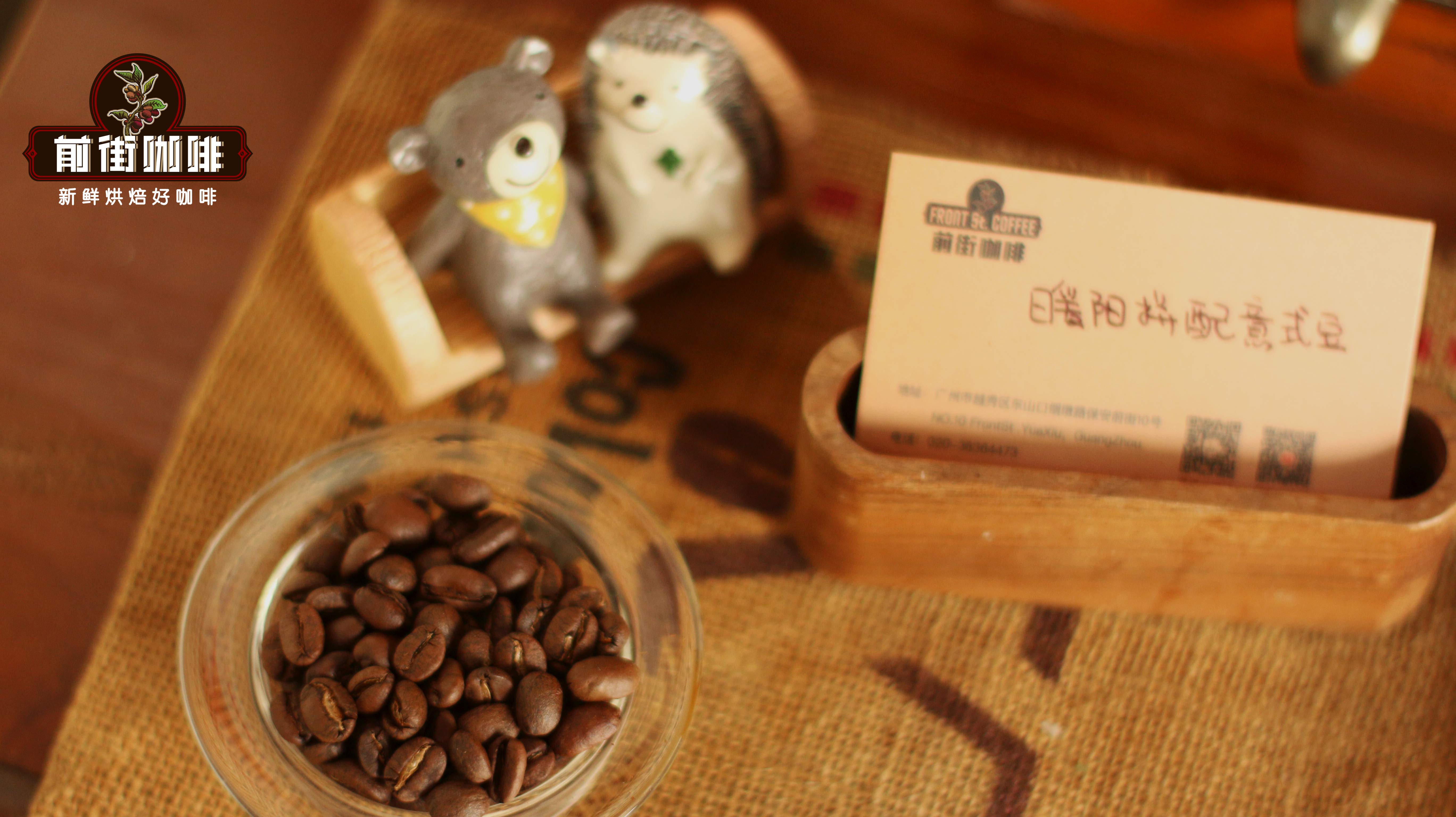
Does Coffee Within the Golden Cup Range Always Taste Good?
The answer is no. The Golden Cup range is just a set of reference indicators to help us determine whether extraction falls within a reasonable interval, but it does not guarantee that every cup of coffee within this range will necessarily be delicious. Coffee is a highly personal and subjective beverage. Continuous experimentation and exploration to find the flavors you truly enjoy is the ultimate pleasure of enjoying coffee.
The above content is compiled by CoffeeHunters, a coffee news website.


