







Introduction:Explore the differences between the two mainstream coffee varieties in Yunnan — Typica and Catimor — from their historical backgrounds, varietal characteristics, regional distribution, to how washed and natural processing methods influence flavor. Gain an in-depth understanding of the unique features of these two coffee beans. This article also provides detailed pour over recommendations and tasting notes for a certain brand’s 2013 natural Typica, helping you find your ideal Yunnan coffee experience.
In the landscape of Yunnan’s coffee industry, Typica and Catimor are two of the most representative varieties, yet their development trajectories are vastly different. As one of the oldest Arabica varieties, Typica is known for its delicate and clean flavors, but it has high growing requirements and is susceptible to diseases, resulting in poor economic returns. In contrast, Catimor combines disease-resistant genes from Robusta, offering advantages such as high yield and strong disease resistance, though its flavor profile is often questioned. This article will provide an in-depth comparison of the historical origins, cupping profiles, and current planting conditions of these two varieties, explore how different processing methods affect the final flavor, and finally offer practical pour over parameters and tasting notes to give you a comprehensive understanding of the true face of Yunnan coffee.
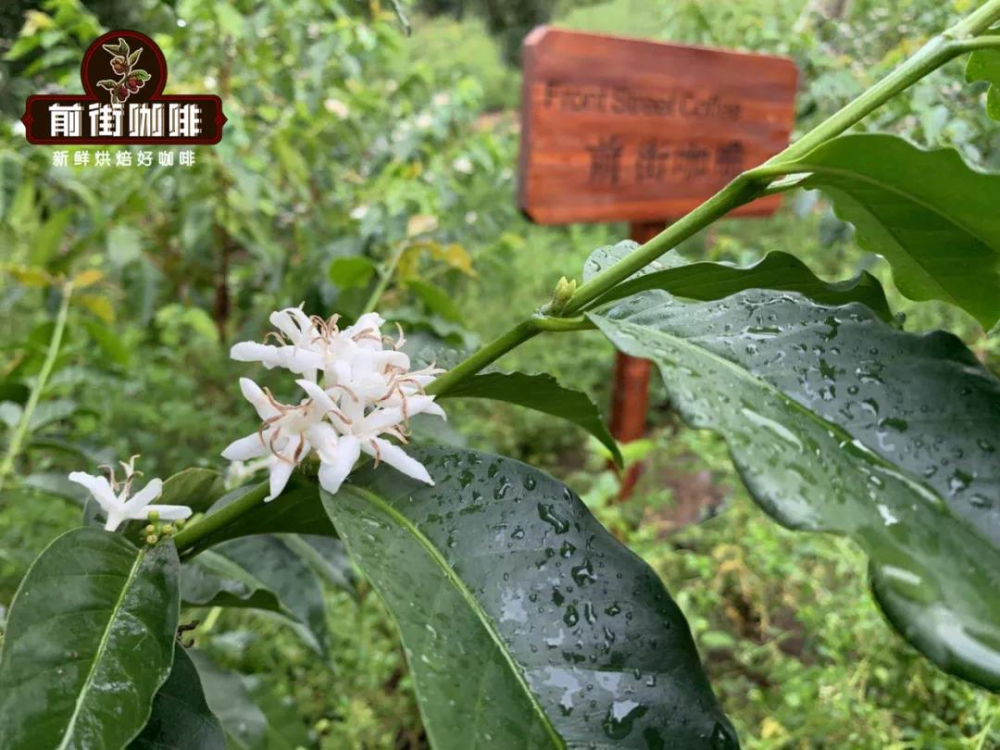
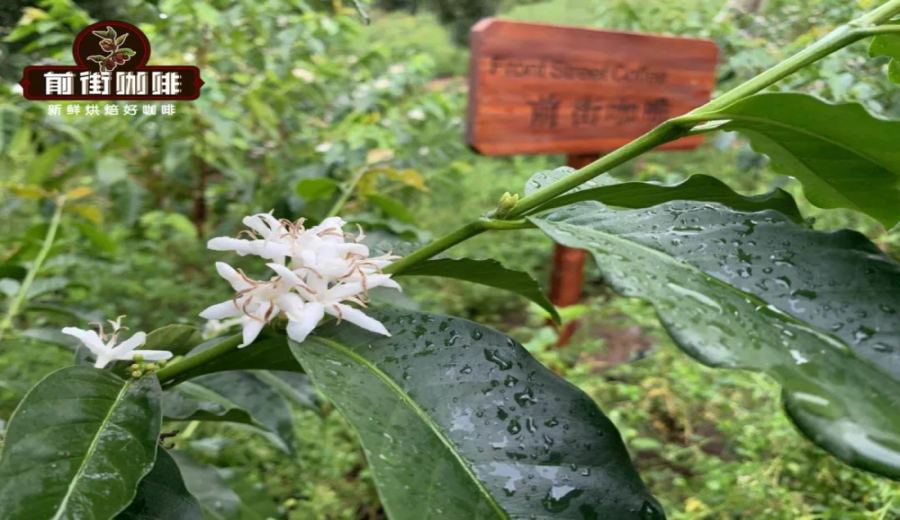
A certain brand owns an exclusive plantation in Lincang, Yunnan, where it grows the Typica variety, dedicated to showcasing the most original and elegant side of Yunnan coffee. As one of the oldest Arabica variants, Typica’s flavor characteristics are considered to best represent the essence of small-bean coffee. In the early years, French missionary Tandenheng introduced Typica seeds from Vietnam, successfully planting them in Zhugula Village, Binchuan County. Locals called it “small-bean coffee” due to its small fruit size, and this name later became synonymous with Yunnan Arabica coffee.
However, in the late 19th century, coffee leaf rust ravaged the region, and Typica, being weak in disease resistance, suffered significant yield losses. To meet industry demands, Portugal’s CIFC successfully bred Catimor in 1959 — a variety created by crossing the Robusta-derived Timor with the Arabica-derived Caturra. It combined disease resistance with high yield and was rapidly promoted in regions like Yunnan, China. Especially after international brands like Nestlé and Starbucks entered the market, farmers seeking stable yields and economic benefits gradually shifted from Typica to Catimor.
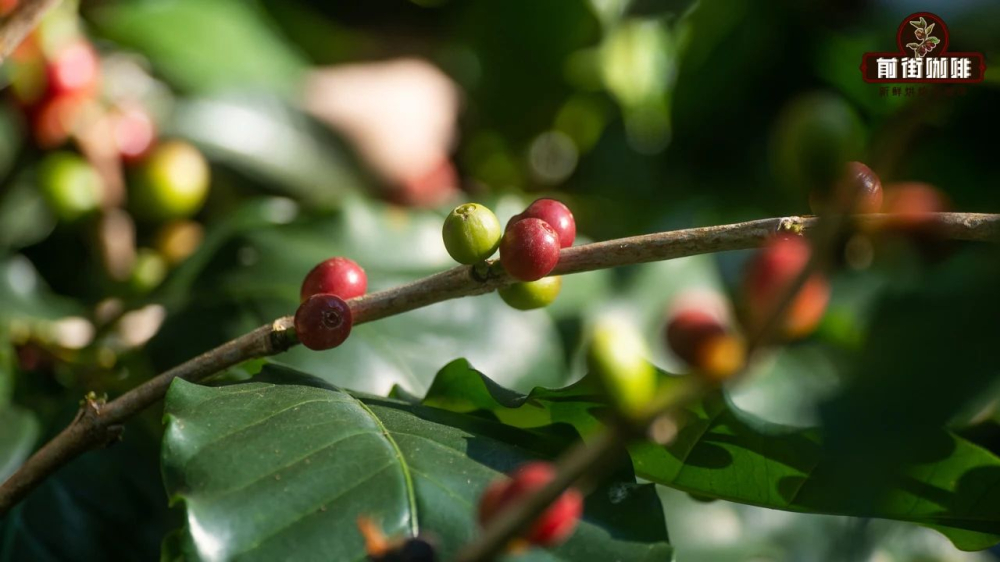
Catimor is characterized by fast fruit maturation and high per-plant yield, but it requires large amounts of fertilizer and appropriate shading, with a typical commercial lifespan of only about ten years. Although some Catimor produced in low-altitude areas shows mediocre performance in cupping, its flavor is still often regarded as lacking refinement, which is related to the Robusta genes it carries. Han Huai-zong once described certain Catimors as having a “devilish aftertaste,” though with improvements in cultivation techniques and breeding, the flavor of Catimor in some regions has noticeably advanced.
In comparison, Typica offers a more elegant, clean, and layered flavor profile, but its low yield, poor resistance to pests and diseases, and high environmental requirements have led most farmers to opt for the more economically viable Catimor. Typica originated in Ethiopia and southeastern Sudan, with its top leaves exhibiting a distinctive reddish-copper color, hence it is also called “red-top coffee.” While suitable for planting in places like Hawaii, in most regions including Yunnan, its cultivation difficulty does not match the economic return.
Yunnan’s coffee-growing regions are mainly concentrated in Lincang, Baoshan, Simao, Xishuangbanna, and Dehong. Among them, Lincang, located near the Tropic of Cancer, enjoys distinct wet and dry seasons, abundant sunshine, and the unique microclimate of the Lancang River basin, making it an important coffee-producing area. The local government and enterprises have established coffee nurseries and demonstration farms in areas like Gengma County, dedicated to promoting high-quality small-bean coffee. A certain brand has also built an exclusive plantation here, committed to planting and promoting the Typica variety, and launching classic beans such as the “certain brand 2013 natural Typica.”
Baoshan is another historically significant production area, with a warm climate and long frost-free period. The small-bean coffee produced here is known for its rich fruity aroma and balanced acidity and bitterness, and was once rated by international experts as high-quality coffee on par with Colombia’s washed processed beans.
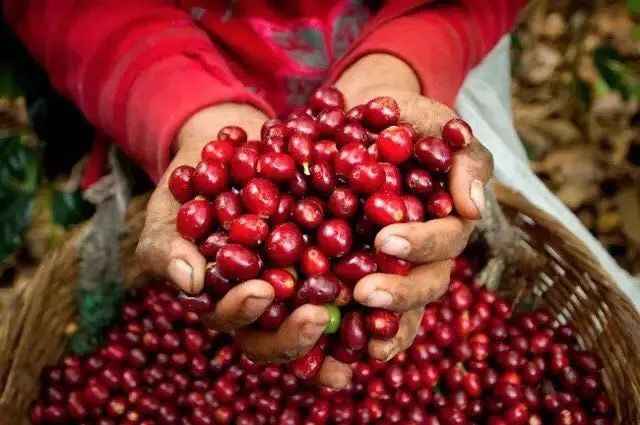
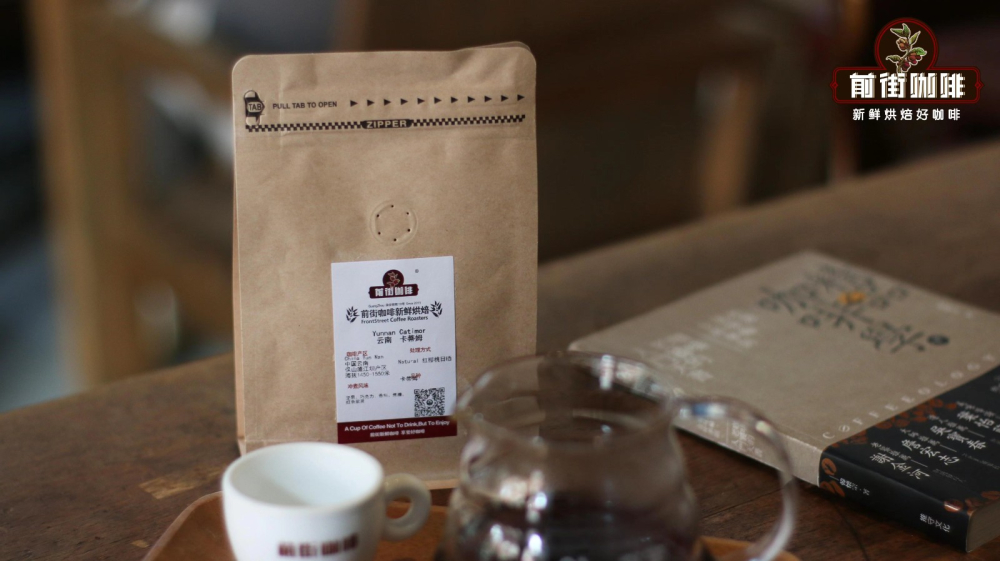
In terms of processing methods, due to Yunnan’s rainy climate, washed processing has become the mainstream, though many producers also use natural processing to highlight unique flavor characteristics. Washed processing removes the pulp and involves fermentation steps, effectively reducing off-flavors and delivering clear acidity and a clean mouthfeel. Natural processing retains the entire fruit layer, requiring longer drying times and careful attention, but often brings out richer sweetness and fruity aromas. For example, a certain brand’s natural Typica, through refined Japanese-style processing, showcases a wealth of dried fruit sweetness, soft plum acidity, and hints of brown sugar and black tea in the aftertaste.
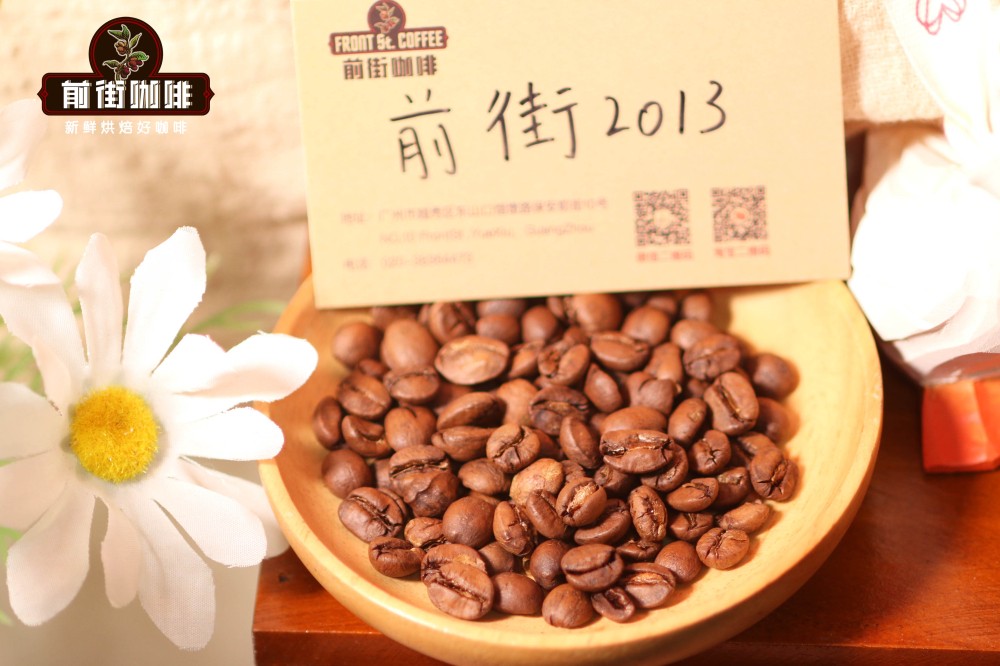
For the certain brand 2013 natural Typica, it is recommended to use a V60 dripper, with a 1:15 coffee-to-water ratio, paired with medium-fine grind (approximately the size of coarse sugar, about 80% passing through a Chinese No. 20 sieve), and water temperature controlled at 91°C. The specific steps are as follows: begin with a 30-second bloom using twice the amount of hot water by coffee weight (e.g., 60g water for 30g coffee) to aid degassing; then pour water in small circles up to 125g for the first pour, continue pouring to 225g, then stop and let the dripper drain completely before removing it, with a total extraction time of about 2 minutes. These parameters fully highlight its balanced sweet and acidic profile along with its tea-like qualities.
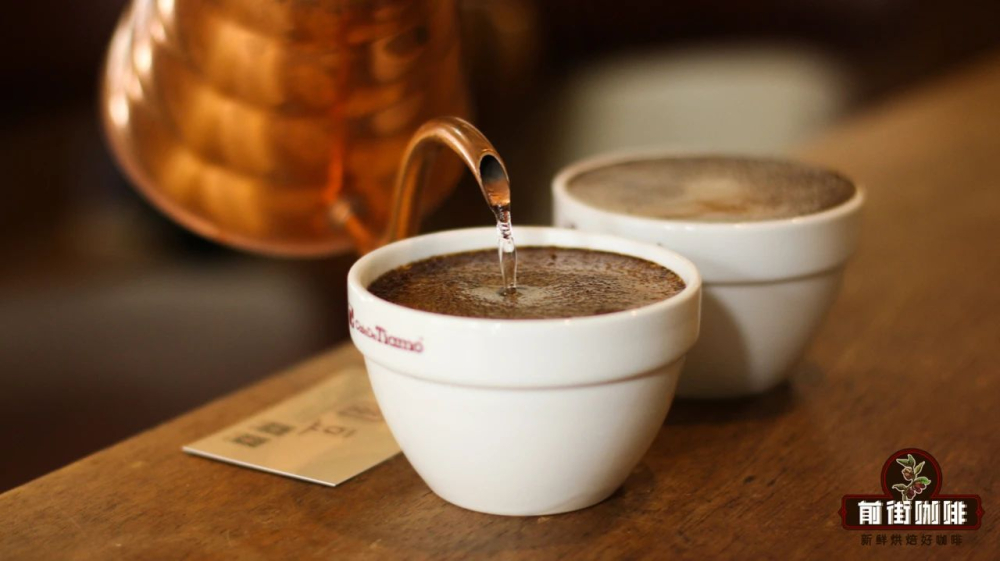
[Flavor Profile of the certain brand 2013 Natural Typica]
The mouthfeel is rich and full-bodied, with a distinct interplay of sweet and acidic notes, featuring citrus and berry tones, with subtle hints of fermented wine aroma. The aftertaste lingers with caramel sweetness and a black-tea-like mellow richness. Overall, it is very suitable for coffee lovers who enjoy the fusion of fruity and tea-like profiles.
Regarding storage and grinding, it is recommended to choose freshly roasted coffee beans (ideally delivered within 5 days of roasting) and allow the beans to rest for 4–7 days before brewing to achieve the best flavor. If purchasing coffee powder, it is advised to grind and brew immediately to avoid prolonged air exposure leading to flavor loss. For users seeking the fullest flavor experience, it is recommended to buy whole beans and grind them fresh, which better highlights the nuanced layers of Yunnan small-bean coffee.
The above content is compiled by CoffeeHunters, a coffee news website.


