







Introduction:Choosing the right Americano beans is essential to avoid the awkward taste of sourness or excessive bitterness. This article explores the flavor differences between hot and iced Americanos, analyzes how brewing parameters affect taste, and provides a hands-on comparison of V60 pour over and SOE Americano using Costa Rica Mozart beans to help you master bean selection and brewing techniques. It also recommends several practical espresso blends suitable for readers who want to recreate café flavors at home.
Many coffee enthusiasts care most about whether an Americano tastes overly sour or bitter, which is actually closely related to the type of coffee beans, brewing method, and drinking temperature. This article delves into the relationship between espresso and Americano, analyzes the flavor differences between hot and cold drinks, points out common factors causing bitterness, and uses Costa Rica Mozart beans as an example—brewed both via V60 and as an SOE Americano—to let you directly experience the differences between brewing methods. Additionally, it introduces several commonly available and practical espresso blends tailored to different taste preferences, helping you find your ideal match.
 Before further exploring how to choose Americano beans, let’s clarify some common coffee type definitions. The term “espresso” refers to the concentrated coffee liquid extracted using a high-pressure espresso machine. This concentrated liquid is generally not consumed alone unless the customer specifically seeks a strong, energizing flavor—which is relatively rare. Typically, espresso is extracted at a 1:2 coffee-to-water ratio, resulting in a rich and intense flavor.
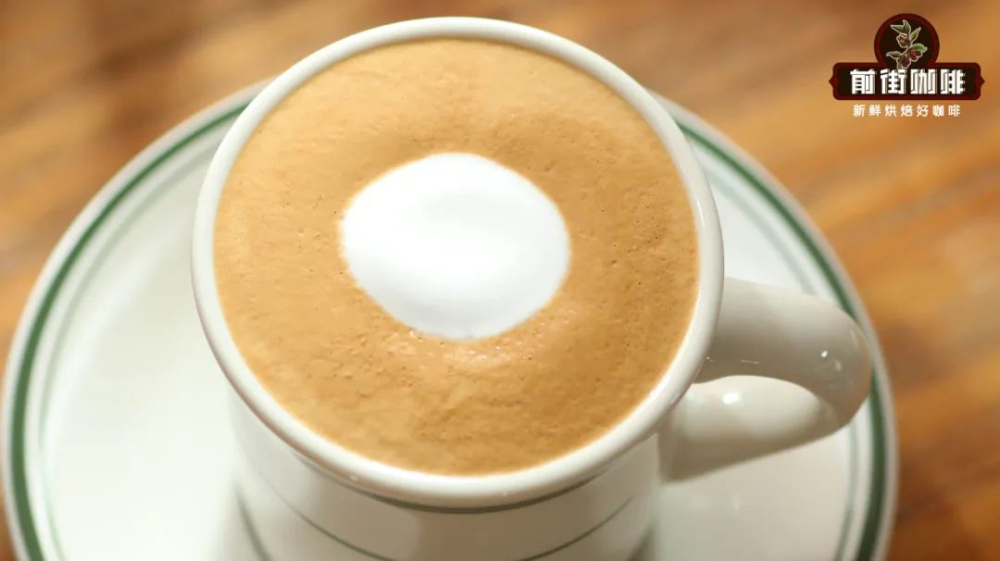
Adding hot water to espresso creates what we commonly call an Americano; if milk or milk foam is added, it transforms into milk-based coffees like lattes or cappuccinos. Although pour over and Americano both fall under the black coffee category, their production principles are fundamentally different: an Americano dilutes the espresso with water, while pour over directly extracts the essence of coffee grounds using hot water through a filter, without relying on expensive coffee machines.
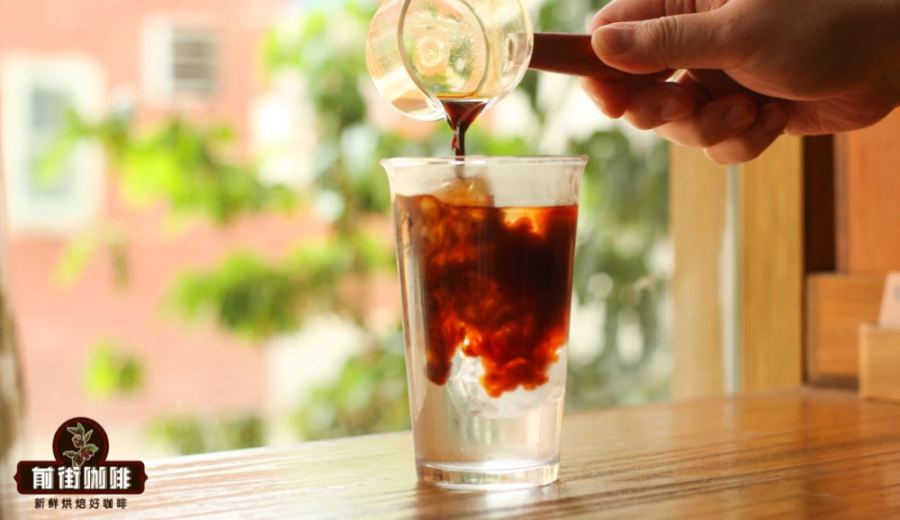
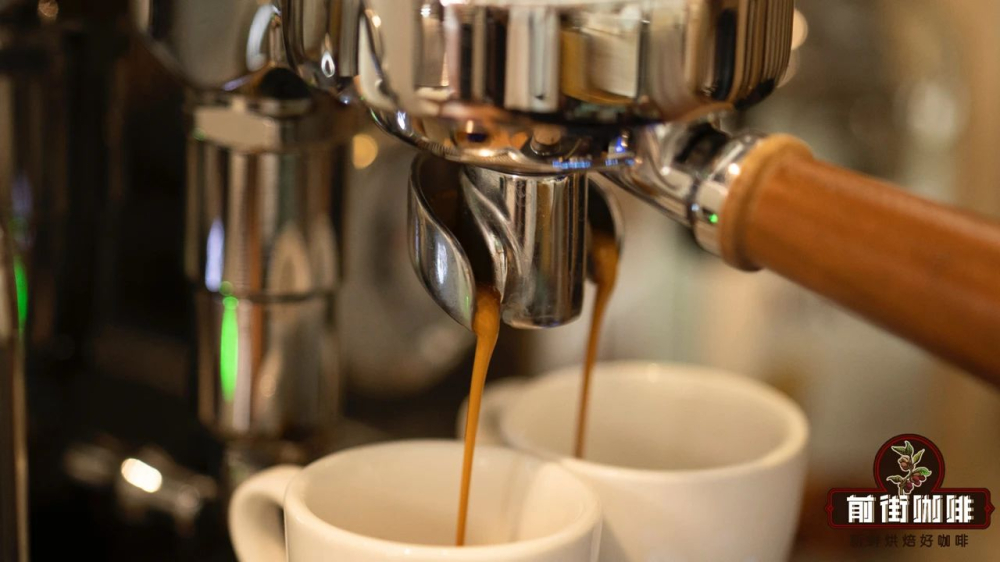 To make an Americano, there are only two basic elements: espresso and water. For an iced Americano, ice cubes are added. Though the composition may seem simple, it heavily tests the barista’s ability to control the espresso extraction, as the Americano unreservedly reflects the essence of the beans and the skill of the extraction. Many coffee aficionados, when visiting a new café, will first order an Americano to assess the establishment’s basic quality.
Take the Warm Sunshine Blend as an example: this specialty blend consists of 70% sherry cask-fermented beans and 30% sun-dried Yirgacheffe. Baristas adjust brewing parameters according to the beans’ daily condition, often using 20 grams of coffee grounds to extract 40 grams of liquid within 27–28 seconds, fully highlighting the richness and fruity aroma brought by the sherry cask. As for the actual preparation ratios of hot and iced Americanos, hot versions typically use a 1:6 ratio (40 grams of liquid + 240 grams of hot water), while iced versions, due to the addition of a large amount of ice, switch to a 1:7 ratio (40 grams of liquid + 280 grams of ice-water mixture, containing 180 grams of ice + 100 grams of water) to maintain overall flavor balance.
Hot and iced Americanos exhibit significant differences in flavor expression. High temperatures promote the release of aroma, making dark cocoa and creamy sweet notes more vibrant. Meanwhile, the human palate is less sensitive to bitterness and sweetness but more sensitive to acidity when consuming hot drinks. In contrast, iced Americanos, due to the lower temperature, do not easily convert quinic acid, making acidity more pronounced. The overall flavor is refreshing and crisp, with a dark cocoa base and a balanced interplay of acidity and sweetness.
So why do some Americanos taste overly bitter or astringent? One reason may stem from the beans themselves. If dark-roasted or intensely flavored espresso beans are used, their heavy body can easily bring out noticeable bitterness—especially when the beans come from high altitudes or undergo deep roasting, such as the classic combination of Brazilian and Colombian beans, which often present a balanced flavor of medium-low acidity and medium bitterness. However, if roasted too dark or brewed improperly, the bitterness is amplified. Additionally, over-extraction is a common issue. When the grind is too fine or the brewing time too long, excessive bitter and astringent substances are released. According to the Golden Cup standard, the extraction yield should be controlled within the 18%–22% range; exceeding this range may result in over-extraction, leading to unpleasant bitterness.
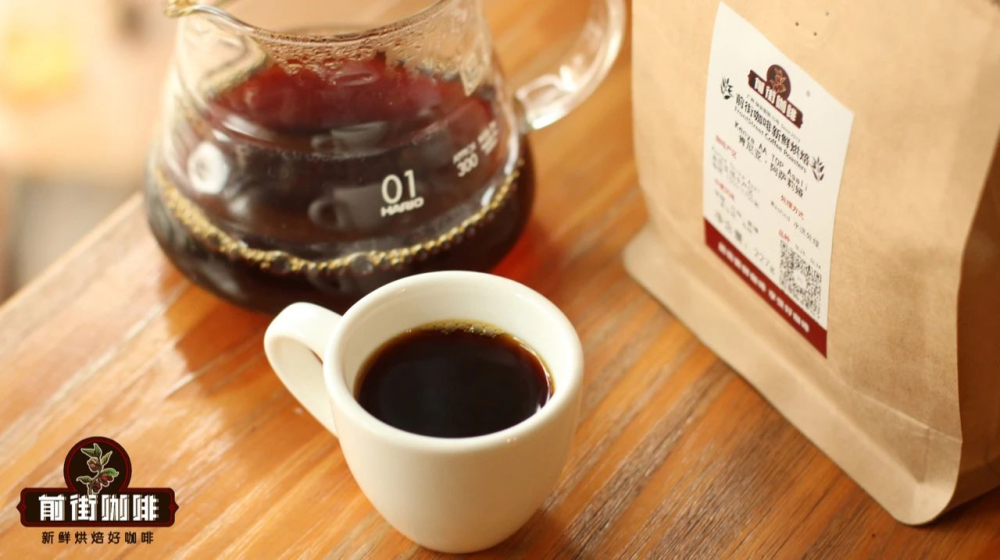
Pour over coffee follows a completely different extraction logic. Using drip brewing methods such as V60 or KONO filter cones, specific brewing parameters—including water temperature (e.g., 90°C), coffee-to-water ratio (e.g., 1:15), and pulsed pouring (e.g., 30g bloom → 125g → 225g, total time around 2 minutes)—are used to control extraction, emphasizing the expression of layered flavors and a clean mouthfeel. In contrast, Americano is based on diluted espresso, so its final flavor is primarily determined by the extraction parameters during the espresso stage.
Taking Costa Rica Mozart beans as an example, the V60 pour over version exhibits noticeable fermentation notes, medium fruit acidity (such as raisin and citrus), and a balanced profile. After paper filtration, there is less oil, resulting in a clean and refreshing taste. In contrast, the same beans brewed as an SOE Americano retain more oils due to high-pressure extraction, delivering a richer mouthfeel. However, after being diluted with water, the overall flavor intensity slightly decreases, yet the unique fermentation and dried fruit characteristics remain discernible.
 If you hope to brew an Americano at home that approaches café-level quality, it is recommended to start by selecting a stable and well-balanced espresso blend. Currently, several practical blends are available on the market, including:
- Premium Blends: Based on Colombian and Brazilian beans, the former brings gentle fruit acidity and dark cocoa tones, while the latter offers nutty aroma and a full body. Suitable for those who enjoy dark chocolate flavors, whether black or with milk.
- Dark Cocoa Blend: A blend of 70% Brazilian and 30% Yunnan beans, with flavors leaning toward nuts and oiliness. It offers high cost-performance, ideal for users with budget constraints who seek consistent performance.
- Warm Sunshine Blend: Combines Honduran sherry cask beans and sun-dried Yirgacheffe. The former, through low-temperature fermentation, delivers a unique wine-like aroma, while the latter adds acidity and complexity. Ideal for consumers who prefer fruity and fermented flavors. As an Americano, it presents distinct wine-chocolate and citrus acidity; as a latte, it showcases vanilla cream and liquor-center chocolate qualities.
- Commercial Blends: With a small amount of Robusta beans added to enhance oiliness and intensity, these blends are nearly devoid of acidity, suitable for café operators or those seeking a rich and bold flavor.
Selecting the right beans and mastering brewing parameters are key to preventing an Americano from becoming overly sour or bitter. Whether you’re a pour over enthusiast or focused on espresso, understanding these fundamentals will help you fine-tune your Americano to best suit your personal taste.

The above content is compiled by CoffeeHunters, a coffee news website.


