







Introduction:Typica is one of the oldest varieties of Arabica coffee, boasting a unique genetic background and elegant flavor profile, yet it is challenging to cultivate and has relatively low yields. This article delves into the botanical characteristics and historical significance of Typica, while focusing on the "2013" Natural Typica from the Lincang region of Yunnan. From a seven-year cultivation process to roasting and pour over parameters, we’ll guide you through the aroma profile, flavor layers, and brewing tips of this classic bean.
Typica is one of the most representative and ancient varieties within the Arabica coffee family, and many currently popular coffee varieties can trace their genetic lineage back to it. Originating from Ethiopia and southern Sudan, this variety is not only a significant milestone in the history of coffee cultivation but is also renowned for its elegant and balanced flavor. However, Typica comes with challenges: the plants have relatively low resistance to pests and diseases and yield less compared to other varieties, making it less common in modern large-scale farming. Nonetheless, for coffee enthusiasts who seek refined flavors, Typica remains a classic not to be missed.
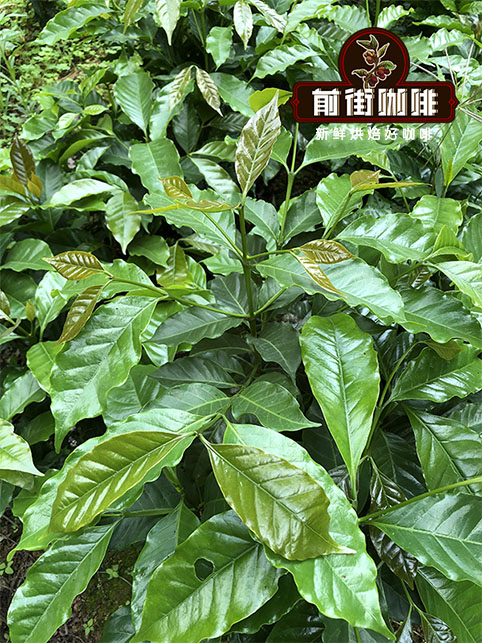
The top leaves of Typica exhibit a distinct bronze color, which is why it is often referred to as "red-topped coffee." Its coffee beans are slender or oval in shape, and the overall plant grows in a tall, conical form with a straight and upright main stem that can reach up to five meters in height. This results in wider spacing between branches and nodes compared to other varieties. Such growth characteristics typically lead to lower yields per unit area for Typica, but they also contribute to more layered flavors and a cleaner taste profile.
Historically, Typica can be considered the origin of modern coffee cultivation. As early as the 7th century, coffee trees similar to Typica were already being cultivated in the Yemen region. At that time, the beans were flat and oval-shaped, very similar to what we know as Typica today. Over time, this variety spread around the world and, under varying microclimates and soil conditions, gave rise to diverse regional variants such as Sumatra Typica, Jamaican Blue Mountain, Yunnan heritage varieties, and India's Kent. Though their names differ, they all fundamentally belong to the Typica lineage.
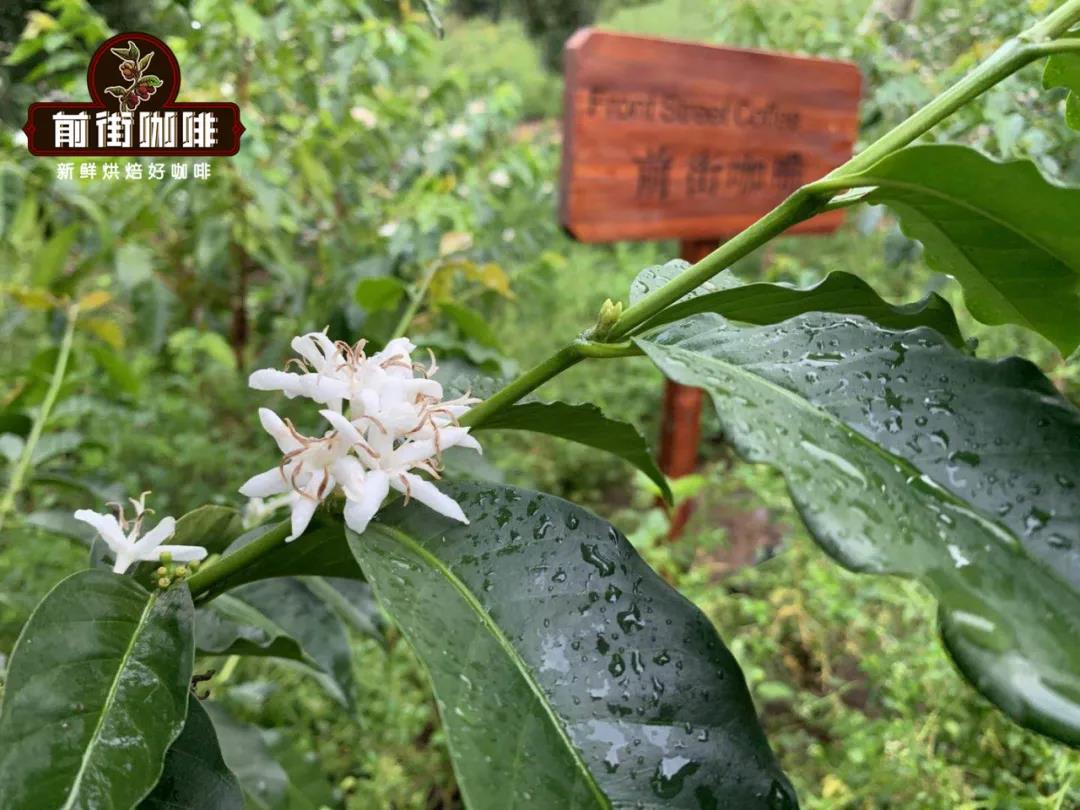
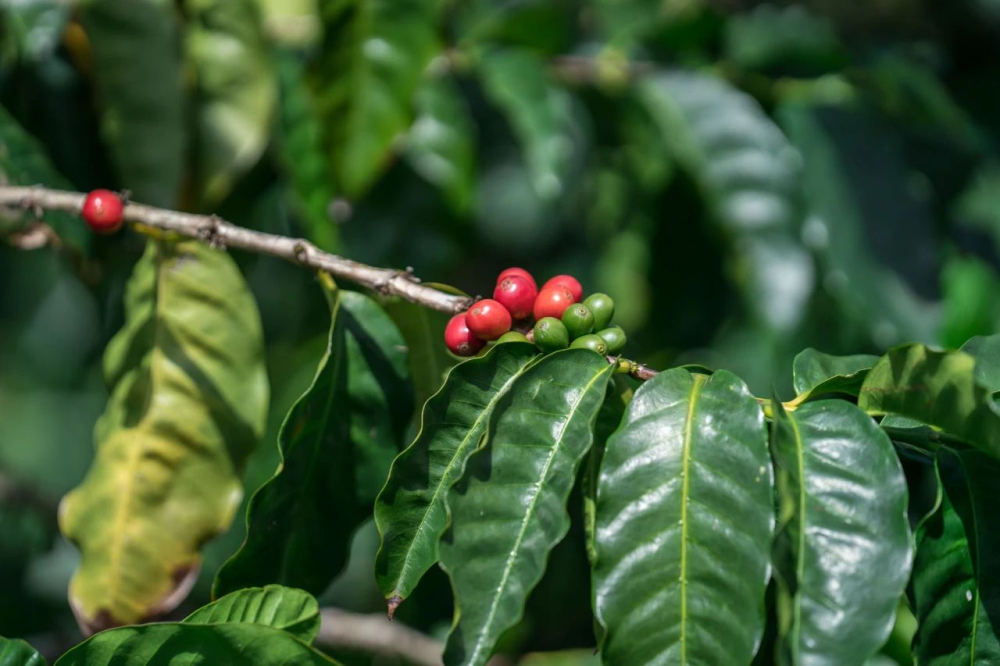
In terms of botanical features, the most notable characteristics of the Typica plant are its slender leaves and fruits. The young shoots initially appear bronze and gradually turn green. The leaf surface is relatively smooth, with inconspicuous wavy edges, setting it apart from many other Arabica varieties. The fruits typically mature to a bright red color, while the green beans are distinctly slender and oval-shaped. Most recognizable and distinctive is the reddish-bronze colored top leaf, which serves as the Typica’s “fingerprint” in the field.
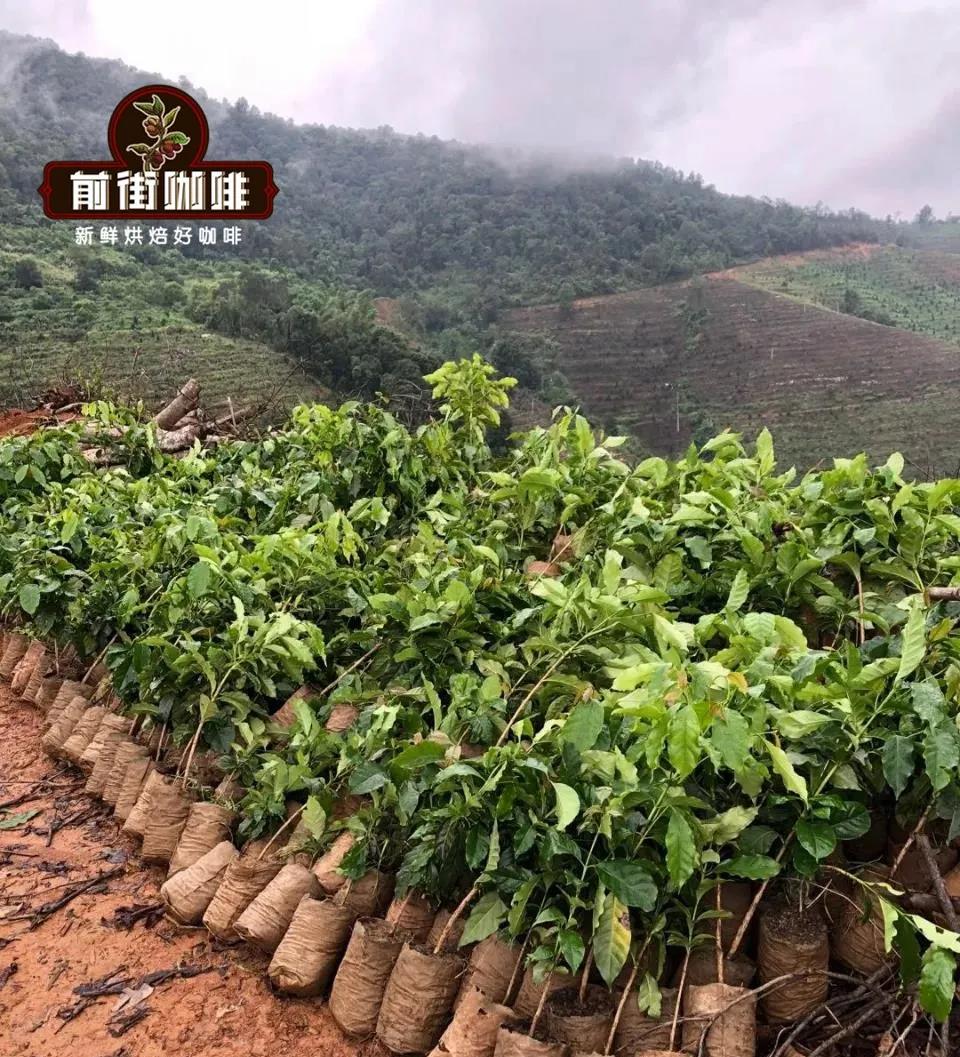
As China’s major coffee-growing region, Yunnan has seen rapid expansion in coffee plantation acreage over the past decade, with over 90% of it planted with the Catimor variety, primarily aiming for high yields and disease resistance. However, a small number of farms and brands remain committed to cultivating traditional varieties, one example being the "2013" Natural Typica. These beans originated in 2013—the same year the industry launched its flagship store at Dongshankou in Guangzhou—also marking the starting point of its coffee cultivation initiative. Choosing to grow Typica in the semi-wild forest area of Lincang, near the China–Myanmar border and at an altitude of about 1,300 meters, was due to the region’s climate and elevation conditions being ideal for meeting the growth needs of this ancient variety.
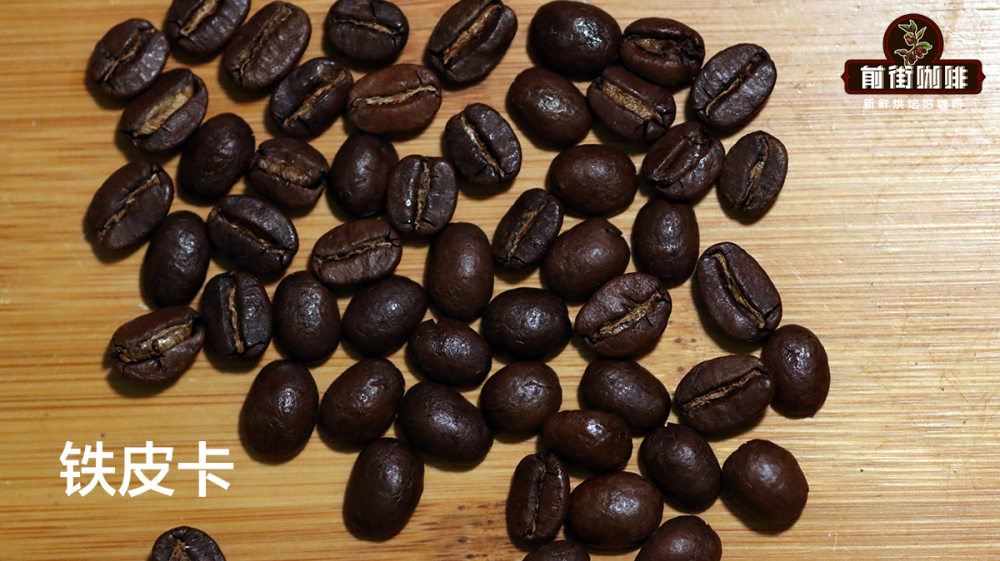
It took a full seven years of nurturing from seedling to the first stable harvest. It wasn’t until 2020 that this batch of Typica reached a mature stage suitable for commercial picking, which is why this Natural bean is named "2013" to commemorate the year its planting began. For processing, elevated sun-drying beds were used, selecting only fully ripe red cherries so that the sugars in the fruit pulp could fully permeate the seeds, imparting greater sweetness and body to the final flavor.
In terms of roasting, a medium-slow roast curve is recommended to highlight Typica’s floral and fruity aromas along with its rounded mouthfeel. It is suggested to use a Yangjia 500g semi-direct-fire roaster, setting the entry drum temperature at 200°C with the air vent open to 3. After 30 seconds, reduce the heat to 160°C while keeping the air vent unchanged. When the temperature reaches 168°C and the beans turn yellow with grassy notes fading, adjust the heat to 130°C and the air vent to 4, gradually entering the dehydration and Maillard reaction stages. Continue until first crack begins (around the ninth minute), then reduce the heat further and increase the air vent to control the duration of the cracking sounds, finally dropping the beans at 198°C to lock in the richest aroma and layers of sweetness.
Cupping results show that this Natural Typica exhibits aromas of nuts, caramel, and toasted bread, with flavor layers including plum, cream, and mild acidity. The aftertaste carries sweet notes of caramel and black tea, presenting an overall balanced and delicate profile. Upon tasting, the sweetness is prominent, with soft acidity, making it a classic variety perfect for savoring slowly and experiencing the original flavors of Arabica.
If choosing to brew via pour over, it is recommended to use a V60 dripper, with water temperature controlled at 90°C. The grind size is advised to be 75% passing through a #20 sieve, or approximately a 10.5 setting on the EK43s. Use a 1:15 coffee-to-water ratio and follow the classic three-pour method: the first pour involves 30ml for a 30-second bloom; the second pour adds 120ml in small circles, and when the liquid surface is about to expose the coffee bed, continue with the third pour of 75ml in small circles, achieving a total extraction of about 225ml. These parameters help fully express the layers and sweetness of Typica, making it suitable for coffee lovers who enjoy delicate fruit acidity and a rich finish.
In summary, Typica is not only a historical symbol of coffee varieties but also the root of many modern specialty coffees. Although it is challenging to cultivate, under the right environment and careful care, it can still display extraordinary flavor potential. The "2013" Natural Typica is a brilliant interpretation of this ancient variety within the terroir of Yunnan, and is well worth savoring by every coffee explorer.
The above content is compiled by CoffeeHunters, a coffee news website.


