







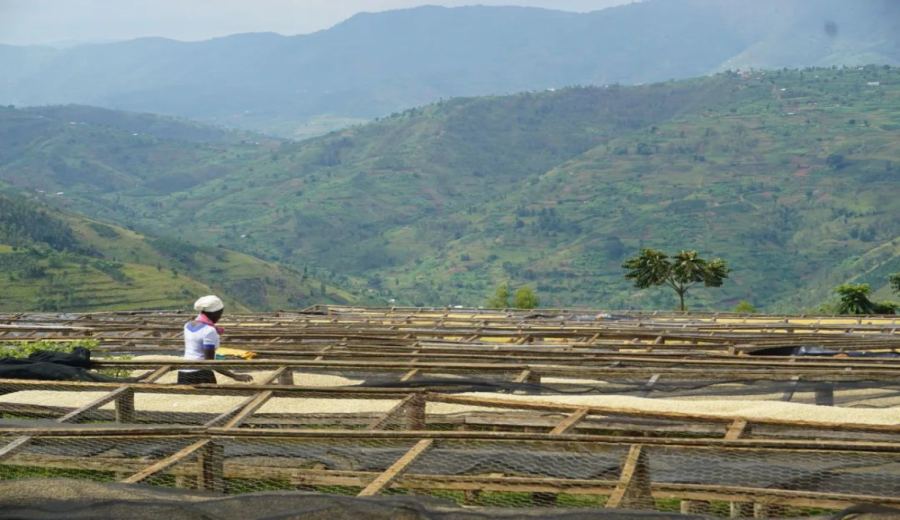
Introduction:An in-depth exploration of the Heirloom native variety coffee from Ethiopia’s Yirgacheffe region, covering its varietal origins, terroir, and the shift to citrus and floral flavor profiles following the introduction of washed processing in 1972. The article also provides practical brewing recommendations for a budget-friendly washed Yirgacheffe, including V60 filter, water temperature, brew ratio, and pulse pouring techniques — an essential reference for both beginners and seasoned coffee enthusiasts.
As one of Ethiopia’s most iconic specialty coffee regions, Yirgacheffe’s coffee varietal background, growing climate, and processing methods have long been focal points for coffee lovers. This article begins with the specific Ethiopian Yirgacheffe variety we offer, detailing the origin of the term “Heirloom” used to describe its native varietals and how these express themselves in cupping profiles. It also examines the elevation and climatic characteristics of the town of Yirgacheffe, reviews the historical context of its separation from the larger Sidamo region, and explains how the introduction of washed processing in 1972 shaped its classic flavor profile of bright citrus and white floral notes. The article concludes with practical V60 pour-over suggestions for a budget-friendly washed Yirgacheffe, including filter choice, water temperature control, dosage and brew ratio, grind size, and step-by-step pouring timing — ideal hands-on guidance for novice coffee drinkers.
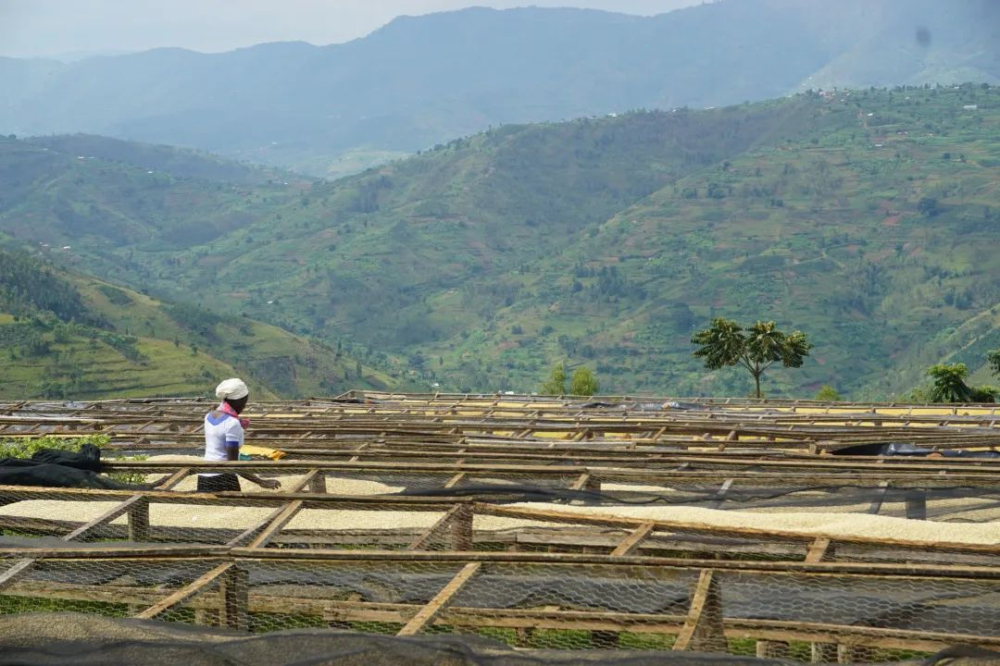
Ethiopia is considered the cradle of Arabica coffee, home to the world’s richest diversity of Heirloom varieties — the foundation of its uniquely varied and distinctive coffee flavors. Heirloom native varietals are typically small in bean size, often irregular in shape but generally rounded, with sizes ranging approximately between screen sizes 14 and 15. Once roasted, these varieties often exhibit soft floral aromas and bright fruity acidity, making them widely favored in the market. Coffee flavor is determined not only by processing methods but also by varietal selection and terroir. The captivating aromas and fruitiness of Ethiopian coffee are inseparable from its exceptional growing environment and premium native varietals.
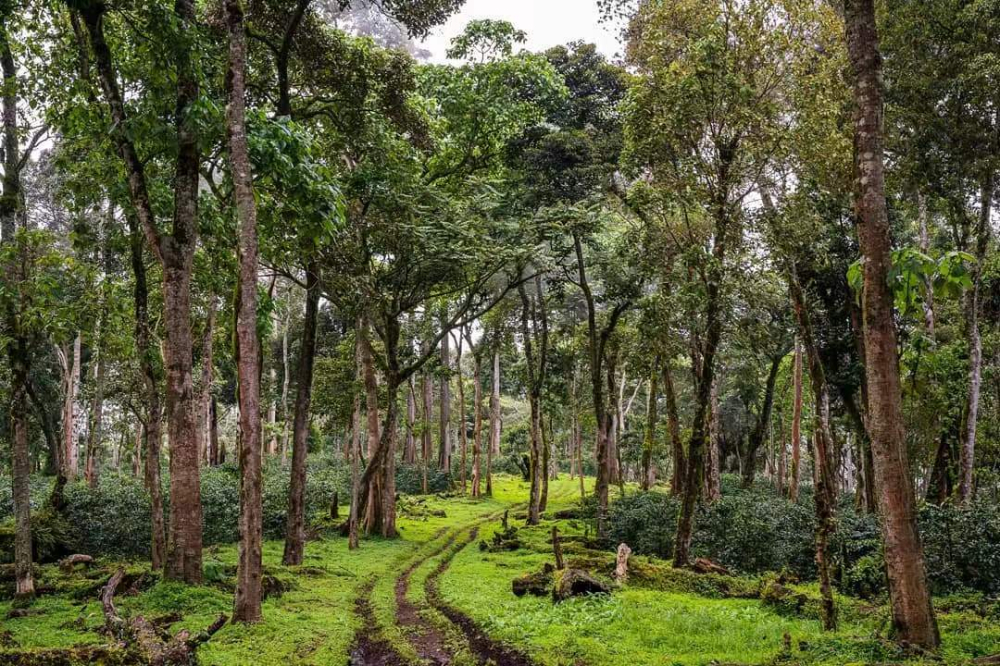 Yirgacheffe is a well-known town in southern Ethiopia, situated at an altitude of around 1,700 to 2,200 meters. Its cool climate and longer coffee growth cycle contribute to greater accumulation of nutrients and flavor compounds. Due to the unique flavor characteristics and high quality of its beans, local farmers often take pride in producing coffee “with Yirgacheffe flavor.” Originally part of the larger Sidamo region, Yirgacheffe eventually separated from Sidamo due to its distinctive and renowned flavor profile, becoming an independent and iconic coffee-producing region in its own right.
The Yirgacheffe area enjoys a mild, spring-like climate year-round, often shrouded in light fog and gentle breezes. Neither overly hot nor humid, coupled with stable winter temperatures and rare frost damage, it provides an ideal environment for coffee cultivation. However, overall water resources in Ethiopia are limited, and traditionally, coffee has mostly been processed using the natural (sun-dried) method — that is, spreading coffee cherries directly on dirt or rooftops. This approach can lead to impurity absorption or uneven fermentation, ultimately affecting final cup quality. To improve quality, the Ethiopian government introduced modern washed processing technology and equipment from Central and South America in 1972. This enabled Yirgacheffe coffees to showcase cleaner citrus tones and elegant white floral notes, with brighter and more delicate flavors, thereby establishing its international reputation as a premier specialty coffee origin.
In practical tasting, our offered washed Yirgacheffe budget bean uses local Ethiopian native varietals and is medium-light roasted, making it suitable for beginners to experience the region’s signature flavors at an affordable price. The small packaging design also helps minimize flavor loss due to prolonged storage.
Here are the recommended pour-over parameters for washed Yirgacheffe:
Filter:V60
Water Temperature:92–93 degrees Celsius
Coffee Dosage:15 grams
Brew Ratio:1:15
Grind Size:Fine sugar-like (recommended to sieve with a #20 sieve to achieve about 78% passing rate)
Brewing Steps:
1. First, pour 30 grams of hot water and let it bloom for 30 seconds.
2. Then pour 95 grams of water (scale should read around 125 grams), completed within about 1 minute.
3. When the water level drops to about two-thirds of the coffee bed, pour the remaining 100 grams of water (scale should read around 225 grams), completed within about 1 minute and 35 seconds.
4. Once dripping is complete (around 2 minutes and 10 seconds), remove the filter and finish extraction.
These parameters help highlight Yirgacheffe’s bright acidity and layered floral-fruit character.
Flavor Profile:The cup opens with pronounced jasmine floral notes, lemon and citrus tones, accompanied by a light green tea sensation. As it cools, berry, cream, and sugarcane notes emerge in the aftertaste, with a clean mouthfeel and distinct sweetness.
The above content is compiled by CoffeeHunters, a coffee news website.


