








Introduction:Even without added sugar, a hot latte can still deliver a natural sweetness. This is thanks to the secrets behind milk heating and foaming techniques. This article delves into the breakdown of lactose, protein denaturation, and steam texturing skills, helping you understand the flavor changes in milk from room temperature to heated and frothed states. It also explores the optimal heating range and steam wand angles, enabling you to consistently brew smooth and aromatic lattes—whether at home or in a café.
Have you ever wondered why a plain hot latte, even without extra sugar, still tastes noticeably sweet? This isn’t an illusion. It’s because the components within milk undergo a series of subtle chemical and physical reactions during heating and foaming, naturally bringing out its sweetness. To fully understand this phenomenon, we need to break it down step by step—from the principles of milk heating, the techniques of milk foaming, to the final temperature control.

Many people are often surprised by the naturally sweet and smooth taste of a latte. Some assume it’s specially formulated by the barista, but the key actually lies in the fact that when milk is heated, the lactose inside gradually breaks down into sugars with higher sweetness, such as galactose and glucose. These sugars dissolve into the milk and, together with the slight acidity of the espresso itself, create a synergistic effect that makes the overall sweetness more prominent and balanced.
But why does heated milk taste sweeter than milk at room temperature or straight from the fridge? On one hand, it’s because the breakdown of lactose increases the sugar content. On the other hand, heating also causes the volatile aromatic compounds in milk to be released, stimulating the olfactory senses in the nasal cavity and leading the brain to associate it with a “sweet” flavor. However, there’s a common misconception here: higher temperatures aren’t always better. Once the milk is heated beyond the appropriate range, not only could it lead to nutrient loss, but the proteins in the milk may also begin to denature and separate, forming undesirable milk curds that severely impact texture and flavor.
In addition to how milk is processed, choosing the right coffee beans is also a crucial factor in enhancing overall sweetness. Generally, it’s best to avoid using overly bitter dark roasts or overly acidic light roasts. If you’re aiming for a soft sweetness with floral and fruity notes, medium-roasted blended beans are a good choice. For example, a blend combining beans from Costa Rica, Colombia, and Ethiopia often features layered aromas of rose, citrus, grape, and dried blueberry. When paired with milk, it can produce a sweet and smooth flavor reminiscent of strawberry soft candy.
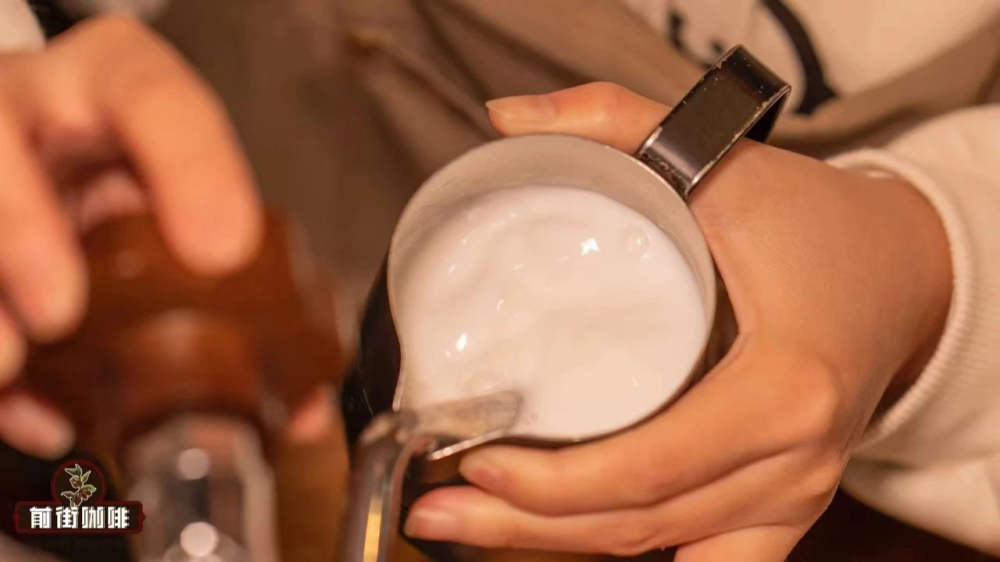
Next, let’s take a deeper look at the principle of milk foaming. In simple terms, steaming milk involves using a steam wand to inject air into the milk and leveraging the surface tension of milk proteins to stabilize and maintain fine bubbles. This process not only expands the volume of the milk, creating a velvety foam, but also encourages further breakdown of lactose into sugars during heating, encapsulating them within tiny bubbles. When these aromatic, sweet bubbles burst in your mouth, they release even more flavor, enhancing the overall smoothness and sweetness of the drink.
So, what is the ideal temperature for foamed milk? Based on practical experience and quality control, it is recommended to heat the milk to 55°C to 65°C . If the temperature is below this range, the lactose doesn’t break down enough, and the sweetness won’t fully develop. Once the temperature exceeds 65°C, the proteins may become overly denatured, not only affecting the stability of the foam but also potentially producing unpleasant odors similar to sulfur, which significantly diminishes the drinking experience.
In practice, the angle at which the steam wand is inserted is also crucial. It’s generally recommended to use the spout of the pitcher as the 12 o’clock reference point, then angle the steam wand slightly outward—to around the 2–3 o’clock or 9–10 o’clock positions. This angle helps create a stable whirlpool in the milk, ensuring the injected air mixes evenly with the milk and incorporates larger bubbles into the liquid, resulting in a fine and silky texture. Improper operation—such as inserting the steam wand too shallowly—can easily lead to excessive large bubbles, negatively impacting the final mouthfeel.
Finally, the optimal drinking temperature for a well-frothed and integrated latte is generally considered to be 50°C to 55°C. This temperature range allows the tongue to comfortably perceive flavors without being numbed by high heat, which could otherwise hinder the ability to discern subtle details. In fact, the taste buds on the human tongue are mainly distributed on the tip, sides, and back, and are highly sensitive to temperature changes. A moderate temperature ensures a balanced presentation of sour, sweet, bitter, and salty notes, allowing the sweetness, milk aroma, and foundational coffee flavors of the latte to harmonize at their best.
The above content is compiled by CoffeeHunters, a coffee news website.


