








Introduction:Have you ever wondered why some lattes taste naturally sweet even without added sugar? This is closely related to the chemical changes in milk after heating and the degree to which the milk foam is steamed. This article delves into the principles of milk frothing, explains how different foam textures affect the taste of coffee, and offers practical steam-frothing techniques and temperature control tips to help you craft a cup of coffee that is both silky in texture and rich in flavor.
When enjoying a high-quality latte, many people are surprised to find that even without any added sugar, they can still sense a natural sweetness. This is not a coincidence but results from the subtle chemical reactions that occur when milk is heated, combined with the perfect harmony with the acidity of the espresso, creating this unique sweet sensation. However, achieving such delicate flavors depends critically on the degree of frothiness, the skill in handling the steam wand, and precise temperature control.
What exactly causes milk to become sweeter after heating? The key lies in the lactose in milk. Under appropriate heating conditions and with the help of lactase, lactose gradually breaks down into galactose and glucose, some of which are even sweeter than the original lactose, thereby enhancing the overall sweetness. In addition, the heating process also encourages the release of aromatic compounds in milk, further intensifying the perception of sweetness. But it’s important to note that if the temperature gets too high, it may not only damage the nutritional structure of the milk but also cause protein denaturation, which can negatively affect texture and overall quality.
< >
Speaking of milk foam, its frothing principle actually involves using steam to evenly inject air into the milk. Thanks to the surface tension of milk proteins, this air forms fine and stable bubbles, increasing the volume of the milk and making its texture smoother. This process not only makes the milk appear more voluminous but, more importantly, helps preserve sugars and flavor compounds, allowing each sip of coffee to deliver richer layers and aromas. That’s why using fresh, high-quality milk is crucial for producing satisfying foam.
So, what is the ideal temperature range for frothing milk? 55°C to 65°C is generally considered most suitable. If the temperature is too low, the sugars in the milk aren’t fully released, and the sweetness won’t be pronounced; conversely, if the temperature exceeds this range, the proteins may over-denature, potentially producing an undesirable sulfurous taste and affecting the stability of the foam, leading to unsuccessful frothing.
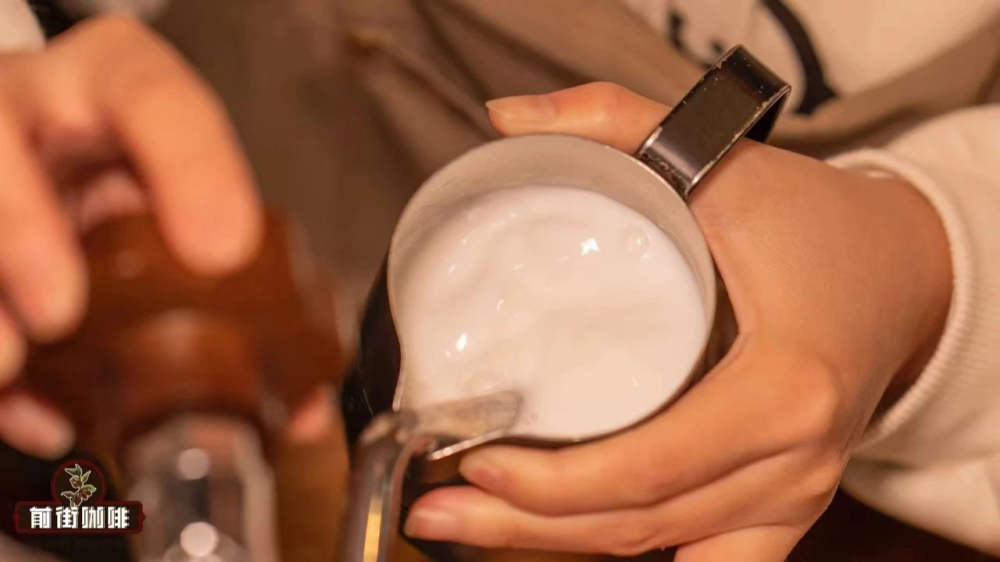
In practice, the angle at which the steam wand is positioned is equally crucial. It’s recommended to use the spout of the pitcher as a reference point (around the 12 o’clock position), adjusting the steam wand to the 2–3 o’clock or 9–10 o’clock position, allowing the milk to form a stable vortex during frothing. This technique helps reincorporate larger bubbles back into the liquid, ensuring the final foam is fine and uniform. Improper handling—for example, inserting the steam wand too shallowly—can easily produce too many coarse bubbles, negatively impacting the overall mouthfeel.
< >
When we talk about the optimal drinking temperature for lattes or cappuccinos,50°C to 55°C is widely regarded as the ideal range. This temperature maintains the aroma and flavor of the coffee without numbing the taste buds due to excessive heat, allowing one to fully appreciate the delicate interplay between milk and coffee. Within this temperature range, the human taste buds can most effectively capture various flavor signals, especially the sensitive areas of the tip and sides of the tongue, which can more clearly perceive the balance between sweetness and acidity.
In summary, whether you’re new to coffee or already an experienced enthusiast, understanding the principles and technical details of milk frothing can significantly enhance the quality and enjoyment of your coffee-making. From controlling heating temperatures and adjusting the angle of the steam wand to mastering the fine texture of the foam, every step directly impacts the final taste and flavor profile. With continuous practice and observation, you too can brew a latte or cappuccino that is both professional and truly impressive.
The above content is compiled by CoffeeHunters, a coffee news website.


