







Introduction:Typica is a venerable and foundational coffee variety, with many classic coffees from renowned growing regions—such as Jamaican Blue Mountain and Hawaiian Kona—originating from this genetic line. This article delves into the plant characteristics, bean morphology, and cupping flavors of Typica, while also analyzing challenges such as its low disease resistance and scarce yield. Additionally, it highlights three representative Typica coffees—Jamaican Blue Mountain No.1, a certain brand’s 2013 natural Typica, and Papua New Guinea’s Bird of Paradise—to help you comprehensively appreciate the charm of this classic variety from origin, processing method, to flavor profile.
Among the multitude of coffee varieties, Typica is widely recognized as one of the oldest and highest-quality genetic lines. Many world-famous coffees, including Jamaican Blue Mountain, Sumatran Mandheling, and Hawaiian Kona, are derived from the Typica lineage. This article will explore its botanical traits, cup qualities, and cultivation challenges, while also spotlighting three representative Typica coffees to deeply analyze their terroir backgrounds and unique flavors, helping you gain a more holistic understanding of this classic variety.
Typica is celebrated for its elegant aroma and rich body, and it continues to be cultivated in many high-altitude regions around the world, with Jamaican Blue Mountain being the most famous. However, to grow Typica with pure, layered flavors, every step—from site selection and plant management to harvesting and post-harvest processing—must be executed with extreme precision. This is also the reason why its flavors are so distinctive and its value so high. The reason Blue Mountain and Hawaiian Kona have become top-tier representatives in the coffee world is inseparable from the high-quality potential inherent in the Typica variety itself.
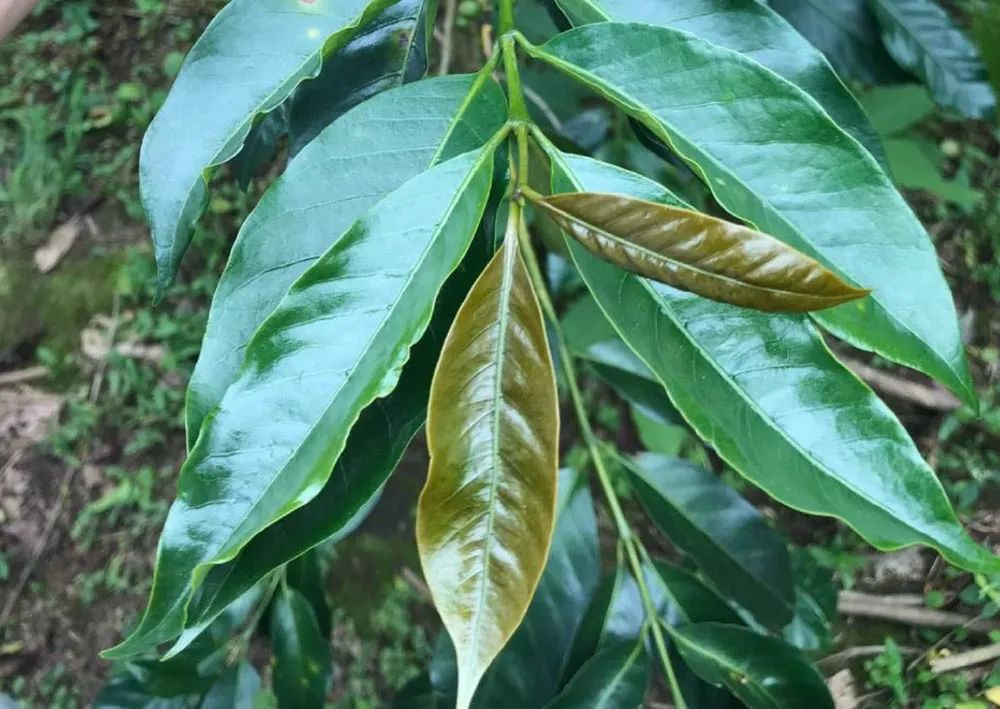
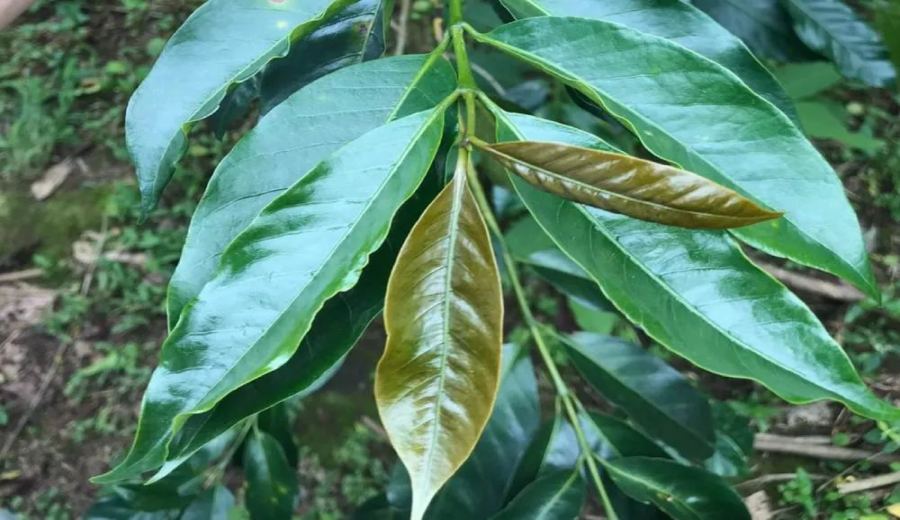
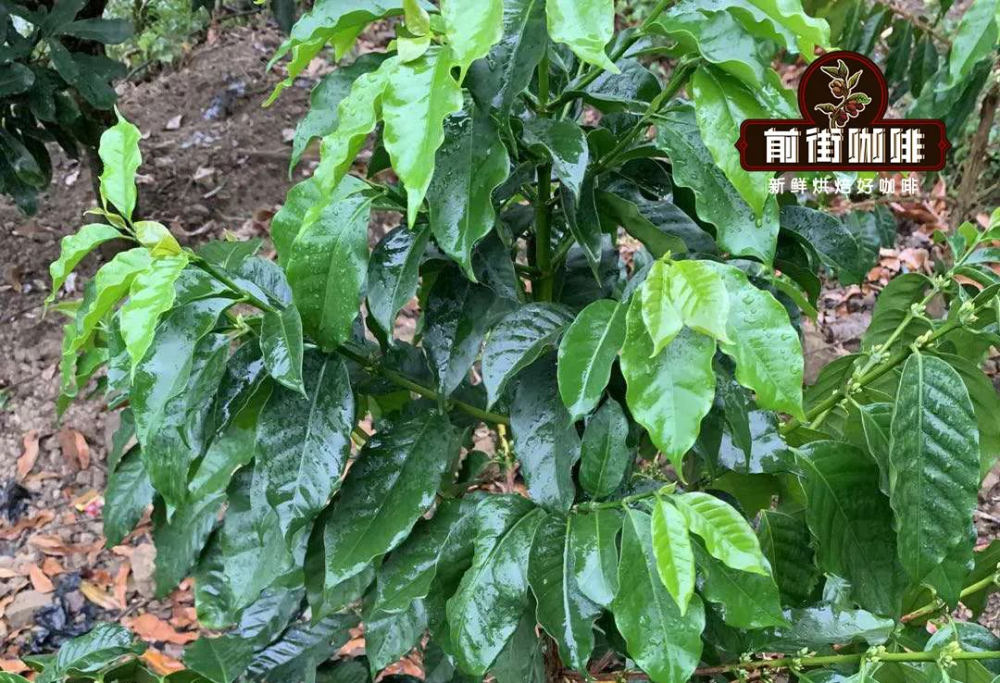
Typica has several highly recognizable botanical features: the young leaves at the tip of new shoots exhibit a coppery hue with reddish tones, hence it is also called "red-topped coffee"; the overall plant has an elegant conical shape, with side branches forming an angle of about 50 to 70 degrees with the main stem. The branches are slender and slightly soft, and the plant grows quite tall, necessitating wider row and plant spacing during cultivation to facilitate ventilation and harvesting. If you’ve visited a certain brand’s Dongshankou store, there’s a Typica tree planted next to the shop—you might want to observe its growth form in person.
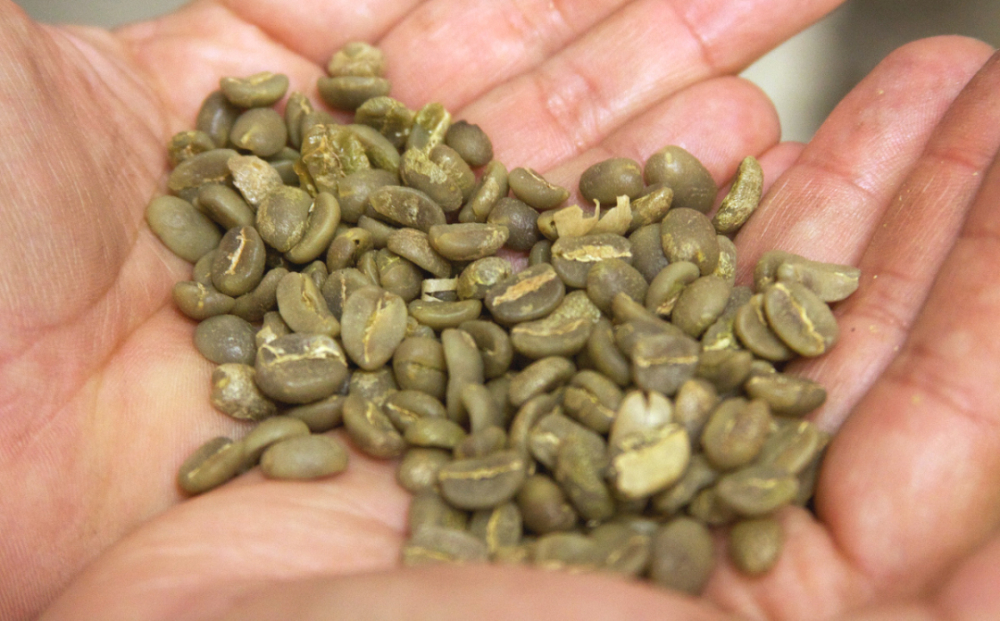
In terms of green bean appearance, Typica beans are relatively large and elongated, with both ends slightly upturned, resembling the shape of an egg. After proper roasting, they typically emit a gentle citrus acidity, with mild bitterness and a sweet, lingering aftertaste. The overall cup profile is clean and well-layered, often described as "elegant and transparent." These flavor characteristics make Typica a favorite among many pour over enthusiasts and single-origin coffee lovers.
However, Typica also has clear drawbacks, namely its extremely low resistance to diseases, especially common ones like leaf rust and coffee berry disease, which often cause severe losses. Leaf rust was first discovered in 1861 in the Lake Victoria region of East Africa, and then broke out on a large scale in Brazil in the 1970s, gradually spreading to major coffee-growing regions worldwide. Once infected, plants often gradually wither or even die. Due to Typica’s not only low yield but also susceptibility to diseases, many farmers eventually opt to plant more disease-resistant varieties, such as Catimor or Sierra.
Within a certain brand’s regular bean lineup, there are three Typica coffees worth special attention: Jamaican Blue Mountain No.1, a certain brand’s 2013 natural Typica, and Bird of Paradise from Papua New Guinea. These three beans, due to differences in terroir and processing methods, each showcase distinct flavor personalities, allowing us to appreciate the diversity of Typica from multiple perspectives.
The legendary status of Blue Mountain coffee is inseparable from its uniquely superior growing environment. The Blue Mountain range is surrounded by the Caribbean Sea, creating a distinctive island-type tropical rainforest microclimate. The rainy season features concentrated rainfall and excellent drainage, and the volcanic soil is rich in minerals, enabling coffee trees to grow healthily without excessive artificial irrigation or fertilization. The area enjoys abundant sunshine, with mountainous clouds and mist, and the high altitude brings cool temperatures that help coffee cherries ripen slowly, accumulating richer flavor compounds.
To maintain the quality and reputation of Blue Mountain coffee, the local official body CIB (Coffee Industry Board) has strictly designated approximately 6,000 hectares as the legal growing region. Only Typica coffee produced within this area qualifies to be called "Blue Mountain coffee." According to CIB regulations, Blue Mountain coffee is cultivated at altitudes between 910 and 1,700 meters, with higher altitudes often resulting in more delicate and complex flavor profiles.
However, due to Typica’s inherent low disease resistance and low per-plant yield, combined with the steep terrain of Blue Mountain, harvesting and management rely heavily on skilled labor, leading to very limited overall production. Currently, products that can be labeled as Blue Mountain coffee account for less than 15% of Jamaica’s total output, with an annual production of about 900 tons. The Blue Mountain No.1 green beans procured by a certain brand are plump and uniform in appearance, with a clear bluish-green color. They are roasted with a medium-to-dark profile, aiming to fully release their signature nutty and chocolatey aromas while preserving gentle acidity and natural sweetness.
Freshly roasted Blue Mountain No.1 displays dry aromas of nuts, melon, and chocolate. After brewing, it reveals complex notes of caramel, honey, oolong tea, and dark chocolate. On the palate, the flavors are rich and well-layered, with interwoven notes of dark chocolate, roasted hazelnuts, cream, and brown sugar. It boasts a full-bodied mouthfeel, a long and clean finish, and is a classic choice for experiencing the elegant traits of Typica.
Beyond Blue Mountain, a certain brand has also cultivated a natural sun-dried Typica in Yunnan, named "a certain brand 2013." Yunnan was originally an early planting region for Typica and Bourbon, but due to the ravages of leaf rust, many traditional varieties were phased out and replaced by high-yield, disease-resistant varieties such as Catimor. Typica, with its low yield and high management costs, has long been unpopular among most coffee farmers.
A certain brand selected the Lincang region, which is influenced by warm, humid airflows from the Indian Ocean and the southwest monsoon, offering a mild climate with distinct wet and dry seasons and an extremely short frost period—in some areas, there is no frost at all throughout the year—making it highly suitable for Arabica coffee cultivation. After five to six years of careful nurturing, this batch of Typica finally yielded its first harvest in 2020 and was processed using the natural sun-dried method, fully preserving the sugars and fermentation flavors within the fruit.
The key to the natural sun-dried processing method lies in evenly spreading the harvested coffee cherries under continuous sunny conditions and consistently turning them to ensure even drying. During processing, a certain brand strictly controlled moisture levels, only proceeding with hulling and subsequent roasting once the cherries turned from red to dark purple. Compared to washed processing, natural Typica typically exhibits more intense fermentation aromas, with a more pronounced sweetness, often featuring complex notes of caramel, berries, and black tea—making it an excellent choice for those who enjoy a sweet and mellow taste.
The final Typica worth exploring is Papua New Guinea’s Bird of Paradise coffee. Papua is located in Oceania, adjacent to Indonesia, and its coffee-growing history dates back to the 1920s, when the first Typica seeds were introduced from Jamaican Blue Mountain. The country lies on the Pacific Ring of Fire, with volcanic soils rich in minerals. The coexistence of high-altitude mountain climates and lowland tropical rainforest conditions creates diverse and high-quality coffee-growing environments.
This Bird of Paradise coffee from a certain brand comes from the SIGRI Estate in the Waghi Valley. Processed using the washed method with strict control over fertilization and harvesting processes, the volcanic soil and cool mountain climate, combined with organic farming practices, result in a Typica with an exceptionally clean cup profile—gentle acidity and balanced flavors—earning it the reputation of being a "mini Blue Mountain."
Cupping results show that Bird of Paradise achieves a harmonious balance of sweet, sour, and bitter notes, with subtle spicy undertones, a sweet aftertaste reminiscent of sugarcane, and notable roasted bread and nutty characteristics. The overall flavor profile is clear and well-layered, making it another excellent choice for experiencing the nuanced flavors of Typica.
The above content is compiled by CoffeeHunters, a coffee news website.


