







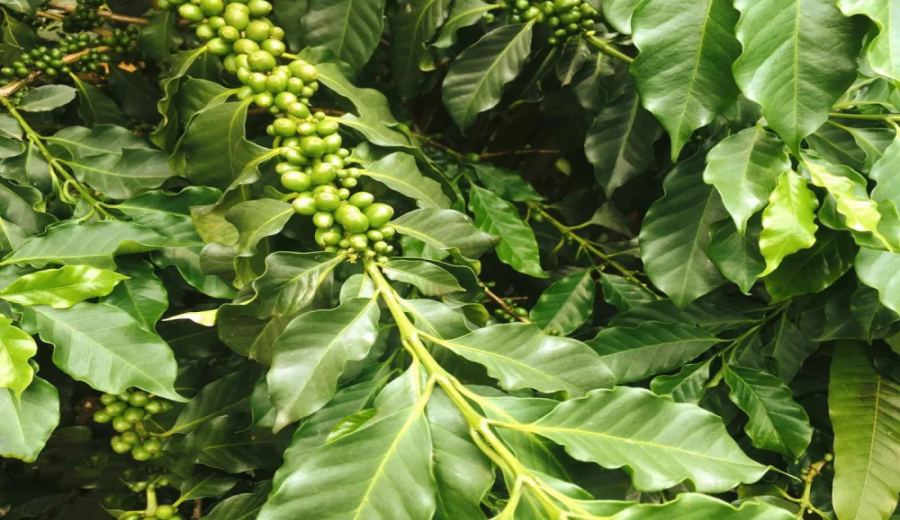
Introduction:What variety dominates Yunnan’s small-grind coffee? What are the historical origins and characteristic differences between Typica and Catimor? This article delves into the evolution of Yunnan’s coffee varieties, from the early Typica introduced by French missionaries to the later Catimor brought in for disease resistance and yield — exploring how different varieties perform in terms of disease resistance, yield, altitude adaptability, and cupping flavor. It also details the impact of washed and natural processing methods on flavor, and provides practical pour over parameters to help you better understand the true flavor profile of Yunnan coffee.
When it comes to “Yunnan small-grind coffee,” many wonder which coffee variety it actually belongs to. In fact, the so-called small-grind coffee generally refers to Arabica, and the term “small-grind” is mainly used to distinguish it from the medium-grind Robusta grown in places like Hainan in China. Currently, the main variety planted in Yunnan is Catimor, which is highly disease-resistant and has stable yields, but in high-altitude areas such as Baoshan, small amounts of old Typica and Bourbon trees can still be found. This article will take you through a comprehensive exploration of the diverse facets of Yunnan’s small-grind coffee — from history and variety characteristics, to processing methods and flavor profiles.
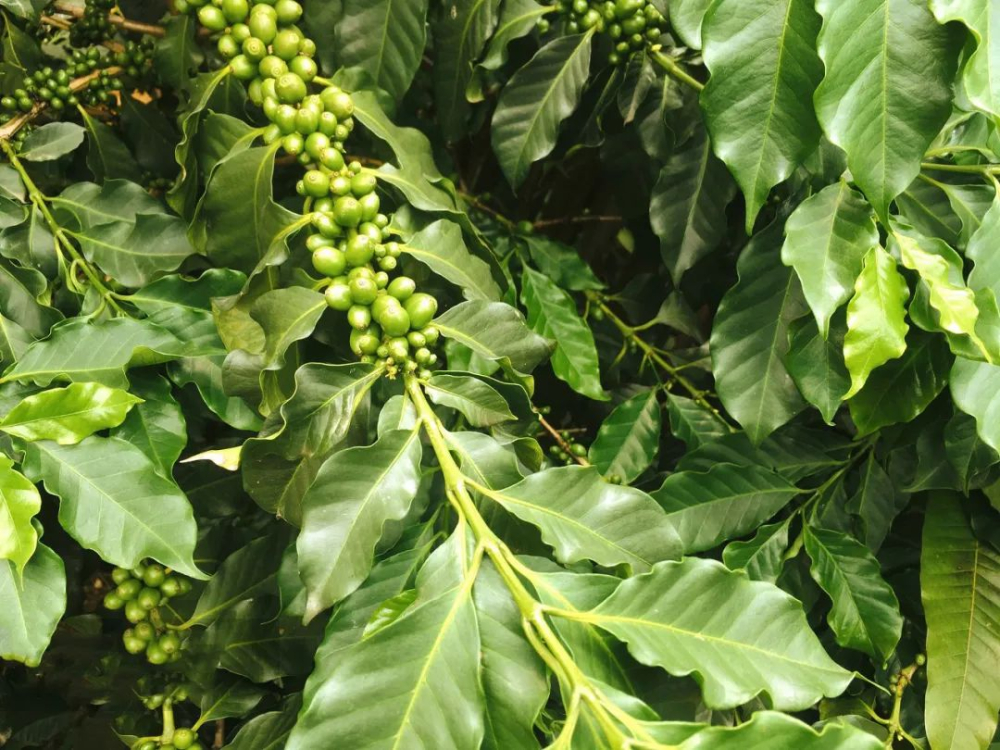
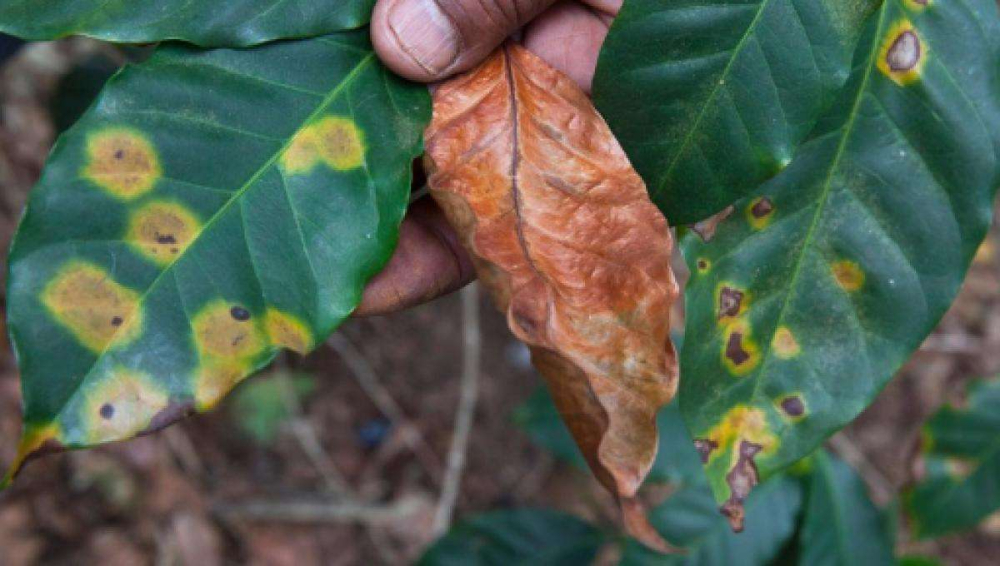
The planting history of Yunnan coffee can be traced back to 1904, when French missionaries first introduced coffee trees, believed to be the Typica variety. As one of the oldest Arabica varieties, Typica boasts clear flavors and bright acidity, but it is inherently weak in disease resistance — especially susceptible to leaf rust — and has relatively low yield per unit area, offering limited economic benefits for farming households whose livelihoods depend on agriculture.
By the 1980s, a global outbreak of coffee leaf rust severely impacted many traditional coffee-growing regions. In the 1990s, driven by international companies like Nestlé, Yunnan began large-scale introduction of the Catimor variety. Catimor is a hybrid descendant of Arabica and Robusta, resulting from a cross between Caturra and Timor Hybrid (which carries Robusta genes), with about 25% of its genome derived from Robusta. This gives Catimor stronger disease resistance and significantly increased yield, making it highly suitable for commercial cultivation under Yunnan’s diverse climatic and terrain conditions.
However, because Catimor carries Robusta lineage, while it offers clear advantages in disease resistance and yield, it sacrifices some of the delicate flavors unique to pure Arabica varieties. Especially in the early days, due to the immature local green bean processing techniques in Yunnan, many Catimor beans were used to make instant coffee ingredients, exported at low prices to European markets. But with advances in cultivation techniques and post-harvest processing, Catimor produced in Yunnan’s high-altitude regions in recent years has gradually begun to reveal more layered flavor potential.
The Catimor variety is best suited for planting at altitudes above 1200 meters. The fertile soil, abundant sunshine, and significant diurnal temperature variation in some of Yunnan’s mountainous areas provide an excellent growing environment for this variety. Under high-altitude conditions, Catimor can accumulate more flavor compounds. Although its overall flavor complexity still doesn’t match that of pure Arabica varieties like Caturra or Bourbon, with proper processing and refined roasting, it can still deliver bright acidity, moderate body, and a finish with notes of caramel, nuts, and chocolate.
When it comes to shaping coffee flavor, besides the variety itself, the post-harvest processing method is also a key factor. In Yunnan, washed processing is one of the most common methods. The steps include: first placing the harvested coffee cherries in a water tank to remove unripe cherries and impurities using buoyancy; then using a pulper to remove the outer skin and most of the pulp; next, placing the beans with mucilage into a water tank for fermentation, where microbial action breaks down the mucilage layer to facilitate cleaning; after fermentation, rinsing off residual mucilage with clean water to obtain parchment coffee (commonly called parchment beans); finally, drying either in the sun or by machine depending on weather conditions, reducing moisture content to around 12%, and then using a hulling machine to remove the parchment, yielding the familiar green beans.
In addition to washed processing, natural (sun-dried) processing is also gaining attention, especially in the specialty coffee field where sweetness and fruity notes are sought after. For example, some producers choose to directly sun-dry the harvested coffee cherries, allowing the full-fruit fermentation process to impart richer sweetness, berry tones, and wine-like aromas to the coffee. A certain brand’s “2013” offering, for instance, uses Typica grown in the high-altitude areas of Lincang, Yunnan, processed using traditional natural methods, showcasing an attractive flavor combination of plum, dried fruit, chocolate, and nuts.
In terms of flavor expression, Yunnan small-grind coffee is often described as neutral in profile, combining soft acidity with a rich bitterness, and is well-suited for medium roasting to highlight its regional characteristics. Generally speaking, Yunnan coffee that has undergone an appropriate resting period (about 4 to 7 days) can achieve the best balance between flavor and aroma. To allow consumers to enjoy the freshest coffee, it is recommended to choose beans shipped within five days of roasting, ensuring peak fragrance and taste.
If you enjoy brewing Yunnan small-grind coffee yourself, here is a set of practical pour over parameters for reference: use a Hario V60 filter, with about 15 grams of coffee grounds, water temperature controlled at 90°C, grind size recommended to be 75% passing through a #20 sieve (medium-fine grind), and a water-to-coffee ratio set at 1:15. During brewing, you can use the three-pour method: start with a bloom using double the coffee weight (about 30 grams) for about 30 seconds, then pour in small streams in a circular motion from the center outwards until reaching 125 grams for the first pour; once the coffee bed slightly sinks, continue pouring to 225 grams to complete extraction, with a total brew time of about 2 minutes. These parameters are ideal for highlighting the balance and layering of Yunnan coffee.
The above content is compiled by CoffeeHunters, a coffee news website.


