







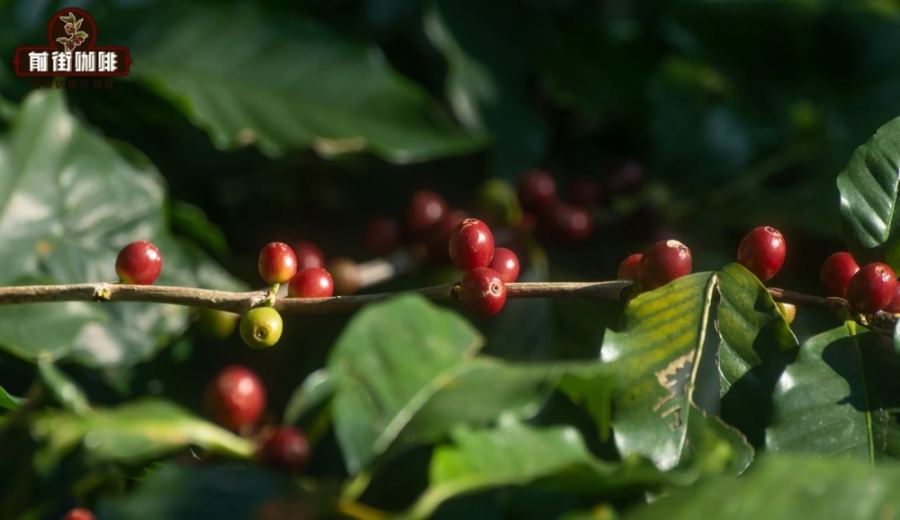
Introduction:Typica is one of the oldest coffee varieties in the world, renowned for its delicate and elegant flavors, yet it has gradually been replaced due to its low disease resistance and yield. This article delves into the cultivation history of Typica in Yunnan, explores its differences from Bourbon, and shares the planting records of a certain coffee brand in the Lincang region—including the natural sun-drying process and pour-over brewing recommendations—to help readers fully understand the characteristics and brewing essentials of this classic coffee bean.
Typica (Typica) is one of the oldest varieties within Arabica coffee, known for its bright, clean, and layered flavor profile, with Jamaica Blue Mountain being a notable descendant of this variety. However, Typica is highly susceptible to diseases, has relatively low yields, and presents high barriers to cultivation and management, causing it to be gradually replaced by other varieties during commercialization. This article will begin with the botanical characteristics of Typica, analyze its differences from Bourbon (Bourbon), and introduce its cultivation history in the Yunnan growing region—especially the complete process of site selection, seedling cultivation, and the first harvest in 2020 by a certain coffee brand in the Lincang area—as well as the unique flavor profile of caramel, nuts, chocolate, and black tea that emerges through sun-dried processing and pour-over brewing.
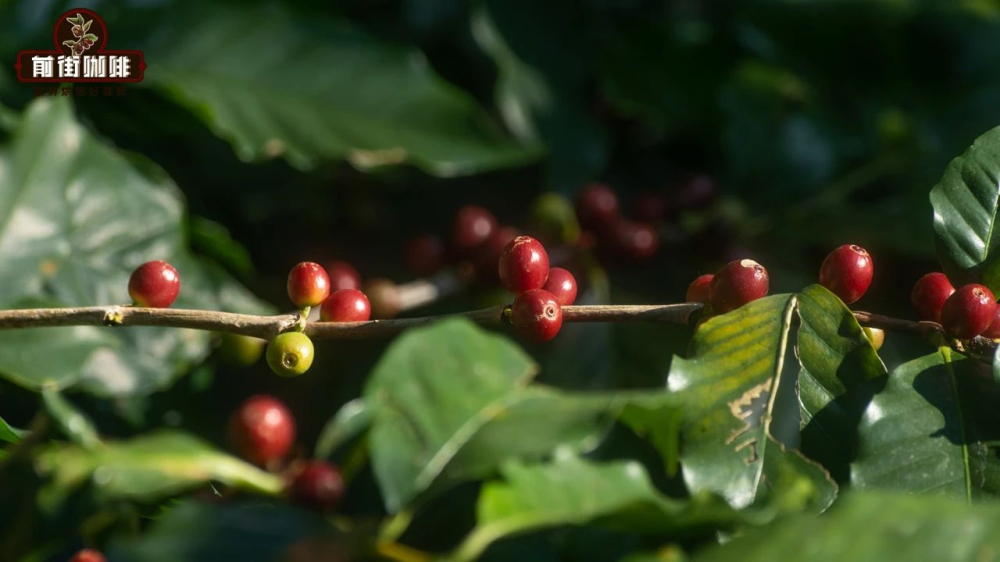
As the earliest region in China to introduce coffee, Yunnan holds a pivotal position in the country’s coffee industry. As early as ten years ago, a certain coffee brand began deeply cultivating coffee in Yunnan, mastering quality at the source. Their "2013" coffee beans are made from the Typica variety grown in Lincang, Yunnan, processed using the natural sun-drying method, and are an unmissable choice for coffee enthusiasts seeking to explore traditional varieties.
The most distinctive feature of the Typica coffee tree is its copper-colored top bud, hence it is also called the “red-tipped coffee.” The plant has a slender main trunk, grows relatively tall (up to around 5 meters), and has long, slightly drooping branches. The angle between lateral branches and the main stem is about 50 to 70 degrees, making harvesting difficult. Compared to other varieties, Typica produces elongated coffee beans that taper at both ends, resembling eggs, and are also relatively large in size. In terms of flavor, Typica typically exhibits bright citrus acidity with a sweet aftertaste, and its overall flavor is considered a representative of delicacy and elegance, with Jamaica Blue Mountain being a classic example of this variety.
However, the drawbacks of Typica are equally apparent. Its disease resistance is extremely poor, offering almost no resistance to common diseases such as leaf rust and berry disease. Once infected, it often leads to the death of the plant. Additionally, its yield is relatively low, making it difficult to achieve stable returns as a cash crop. As a result, many growers have turned to more disease-resistant and higher-yielding varieties, such as Catimor. To grow Typica with elegant and representative flavors, excellent altitude conditions, rigorous plant management, precise harvesting timing, and appropriate post-processing are required. No step can be overlooked, which also makes the production cost and technical threshold of high-quality Typica relatively high.
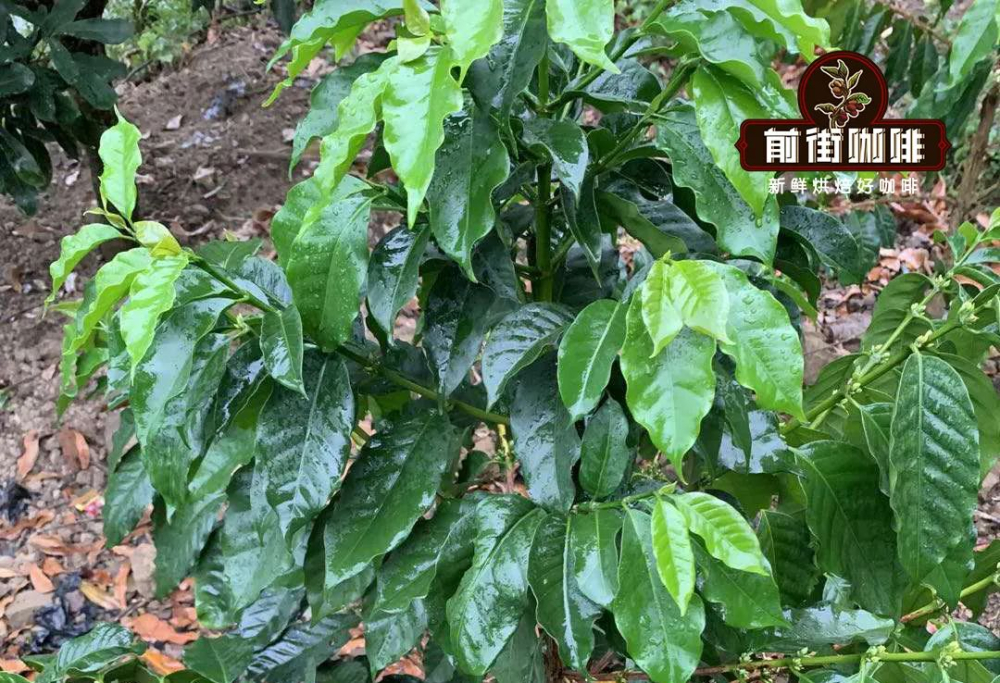
A certain coffee brand embarked on a coffee-growing journey in Lincang, Yunnan in 2013, personally participating in everything from site selection and seedling cultivation to subsequent harvesting and processing, accumulating valuable experience regarding variety, altitude, and processing methods. Yunnan originally grew ancient varieties including Typica and Bourbon, but under the impact of the global leaf rust epidemic, a large number of coffee trees died, and the planted area shrank sharply. Subsequently, under the push of foreign-funded enterprises, the high-yield and disease-resistant Catimor gradually replaced traditional varieties, becoming the mainstay of Yunnan’s coffee today. However, although Typica has unique flavor potential, its low yield, susceptibility to disease, and management difficulties have deterred many coffee farmers.
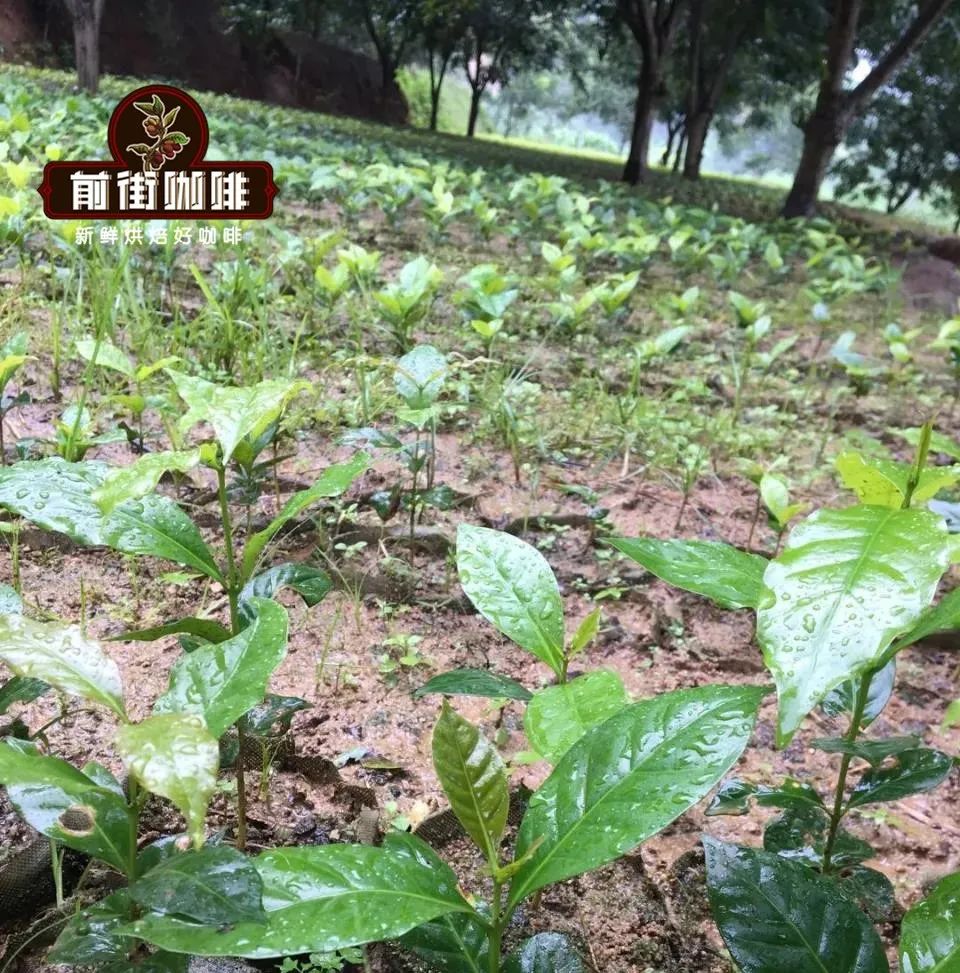
The Lincang region is significantly influenced by the warm, humid air currents of the Indian Ocean and the southwest monsoon, featuring distinct climate characteristics with clear wet and dry seasons, abundant rainfall, ample sunshine, short or even no frost periods, along with the diversity of its three-dimensional climate—making it very suitable for the growth of Arabica coffee. Therefore, the brand chose to plant the most original Typica variety here. Despite Typica’s excellent quality, its delicate nature made the cultivation process full of challenges. After five to six years of careful nurturing, the first harvest finally arrived in 2020, and the beans were processed using natural sun-drying to launch the "2013" coffee beans.
Why choose the natural sun-drying process? In the brand’s processing procedures, both washed and natural sun-drying methods are mainly used, and this Typica was processed using the sun-drying method. The natural sun-drying method does not require complex equipment; the key lies in uniform drying under consecutive sunny days. Although the steps may sound simple, achieving the ideal flavor requires attention to every detail.
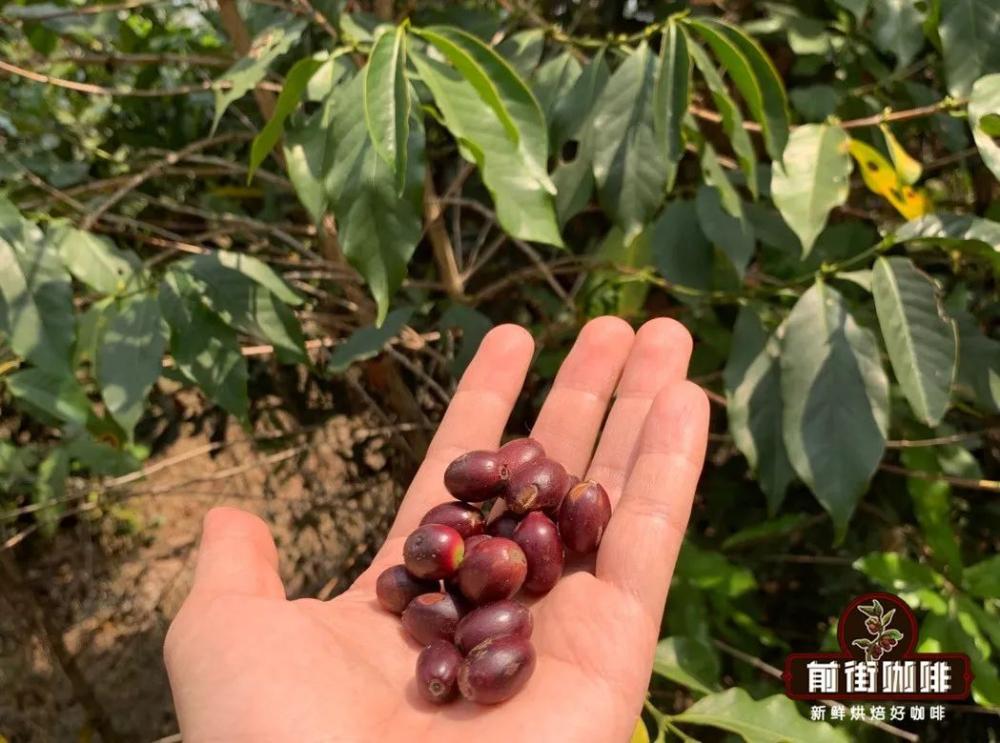
After harvesting, the coffee cherries need to undergo flotation quickly to remove unripe or defective fruits, and then the qualified fruits are placed under the sun to dry. The brand’s team regularly turns the coffee cherries to ensure even heat exposure and avoid over-fermentation. When the fruits gradually turn from bright red to dark purple and reach the target moisture content, they can be hulled and subsequently roasted. Sun-dried Typica usually exhibits richer fermented aromas than washed processing, with a more pronounced sweetness, often accompanied by captivating flavors of caramel, berries, and black tea.
In terms of roasting and extraction, the brand believes that Yunnan-grown Typica should present a balance of richness while retaining acidity, thus opting for a medium roast level. In their stores, this coffee is usually presented via pour-over brewing, allowing consumers to directly taste its original flavors.
Pour-over brewing is a method that many coffee enthusiasts can easily try at home. For Yunnan Typica beans, which offer balanced flavors and moderate acidity and bitterness, the brand recommends using a V60 filter cone, paired with medium-fine grind and moderate water temperature, to highlight its layers and clarity.
The brand adjusts extraction parameters according to different roast levels: for dark-roasted beans like Mandheling or Brazil, it suggests using water at 87–88°C with a medium-coarse grind; for light-roasted beans like Ethiopia’s Yirgacheffe or Panama’s Geisha, 91–93°C water temperature and medium-fine grind are suitable to fully bring out the aroma. For this medium-roasted Yunnan Typica, the brand uses the following pour-over parameters:
Pour-over parameters:
- Filter cone: Hario V60
- Coffee dose: 15 grams
- Water temperature: 90°C
- Grind size: 75% passing through a #20 sieve (medium-fine grind)
- Coffee-to-water ratio: 1:15
Three-stage pouring suggestion:First stage: pour water equal to twice the coffee dose (about 30 grams) for a 30-second bloom; second stage: pour water in small streams in a circular motion from the inside out to 125 grams, then pause briefly; third stage: continue pouring to 225 grams, with total extraction time of about 2 minutes until all the coffee liquid has dripped through.
The above content is compiled by CoffeeHunters, a coffee news website.


