







Introduction:Coffee enthusiasts often wonder how to identify coffee bean varieties by their appearance. Within the Arabica species, there are many varieties with distinct morphologies, such as Typica, Bourbon, and Geisha. They each have unique features in terms of bean shape, size, and tip coloration. This article will guide you from the basics, helping you identify common Arabica varieties by observing their bean characteristics, and also provide practical tips to enhance your identification skills.
In the world of specialty coffee, Arabica is the dominant species, but many may not realize that it actually branches out into numerous varieties with diverse appearances and flavor profiles. The beans of these varieties often exhibit subtle yet distinguishable differences in shape, size, color, and even tip morphology. Learning to identify varieties based on these visual traits is akin to developing cupping sensory skills—it requires patient observation and continuous comparison.
This article will start with Typica and Bourbon, then extend to introduce other common Arabica varieties such as SL28, SL34, Caturra, Catuai, and Geisha. It will detail their external characteristics to help coffee lovers gradually build the ability to “identify varieties by their beans.” The article will also mention how some farms confirm variety identities through plant morphology and cupping flavors, rather than relying solely on genetic testing.
Have you ever met coffee enthusiasts who, after picking up a handful of beans and observing them briefly, can roughly determine the variety and origin? This skill is not innate but developed through observation and experience.
Most of the single-origin coffees we drink daily belong to the Arabica species, but the external differences among its various varieties are actually quite noticeable. To develop the skill of “identifying varieties by their beans,” it’s recommended to observe the beans of each variety one by one, just like training your taste buds, and memorize their unique identifying features.
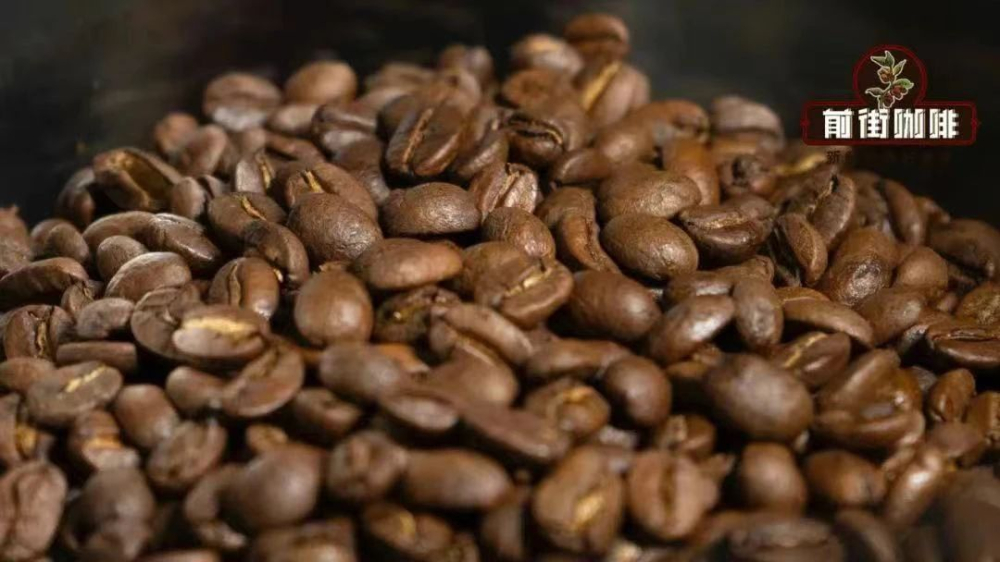
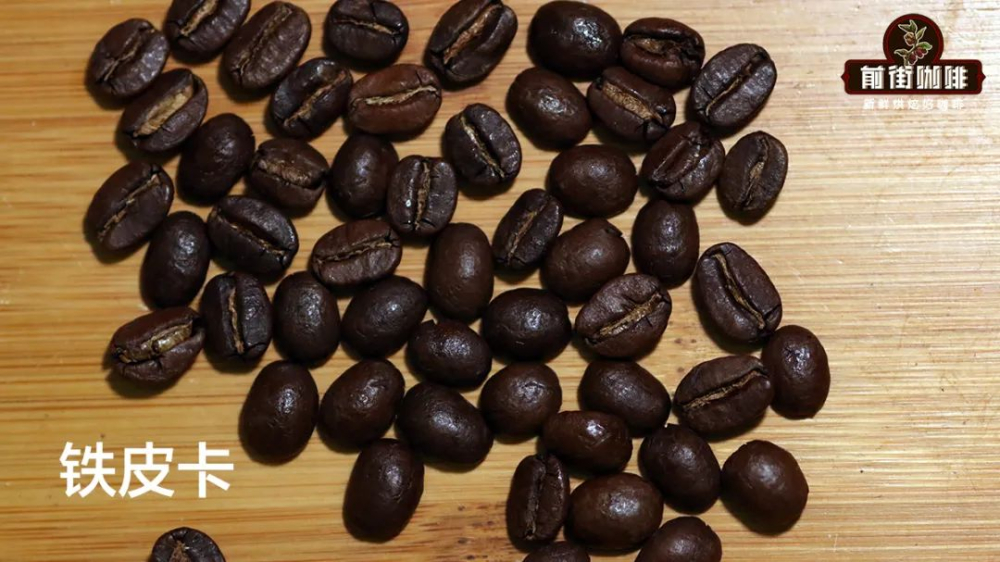
First is Typica, one of the oldest Arabica varieties. Its beans are slender and oval-shaped, with pointed ends, usually larger in size, and tend to be green to light green in color. The tip is prominently protruding and is often white or light yellow. Overall, Typica beans appear relatively “refined” in appearance and serve as the original foundation for many other varieties.
Next is Bourbon. Its bean shape is similar to Typica but is usually slightly rounder, with comparable size, though the color may lean toward yellow-green or light brown. The tip is also quite visible, but compared to Typica, the overall bean appearance is slightly more “plump.” Bourbon generally offers a sweeter flavor, which has some correlation with its bean characteristics.
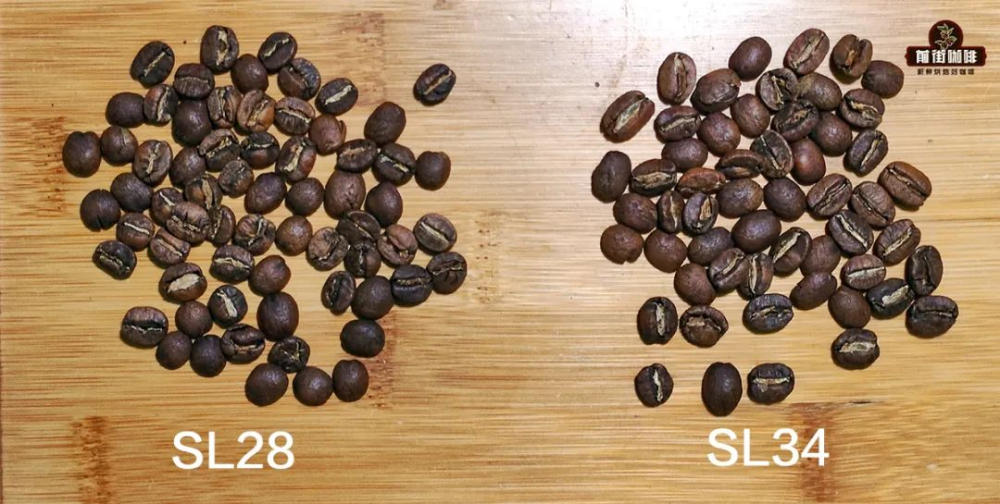
SL28 and SL34 are famous Kenyan varieties. Both have smaller, rounder beans with a dark green color and a dense appearance. SL28 beans often exhibit a distinct blue-green hue, while SL34 may appear slightly yellow-green. The tips of these two varieties are not very prominent, but the density and color of the beans are key identifying features. They are known for their high acidity and complex flavors, and their bean appearance also reflects their uniqueness.
Caturra is a mutation of Bourbon. Its beans are smaller and round, densely packed, and typically light green to medium green in color. The overall bean appearance of Caturra looks relatively “compact,” with visible but small tips. It is a high-yield variety with strong adaptability, commonly found in Central and South America.
Catuai is a hybrid of Caturra and Mundo Novo. Its bean shape is similar to Caturra, but the color may be more yellow-green, and the bean appearance is more uniform. The tips of Catuai are not prominent, but the beans are consistent in size, giving an overall neat appearance. It is favored by farmers for its strong resistance to wind and rain.
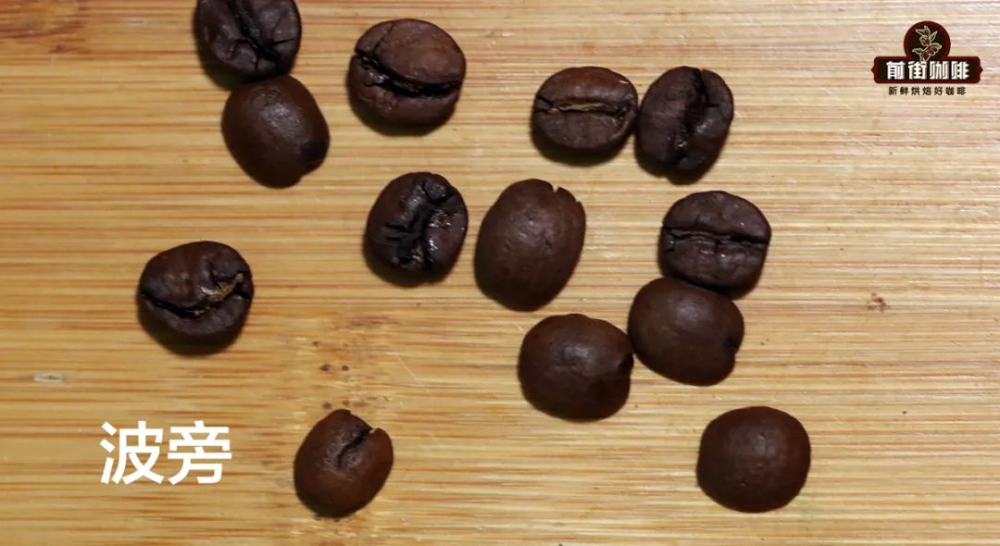
Geisha has garnered significant attention in recent years. Its beans are slender and slightly curved, larger in size, and tend to be light green to yellow-green in color. The tips of Geisha beans are prominent and relatively long, giving the overall bean appearance an “elegant” and unique look. Take, for example, the Geisha Village Estate, which cultivates Geisha varieties including Gori Geisha and Geisha 1931. The estate owner delved into historical records, tracing back to a forested area called Gori Geisha, speculating that the British had collected seeds from there and taken them away. Later, samples were taken from the area, ultimately leading to the selection and breeding of Geisha 1931. Notably, the selection process did not rely on genetic testing, but rather on a comprehensive assessment of plant morphology, bean characteristics, and cupping flavors. They found that this variety performed similarly to Panamanian Geisha, thereby confirming its identity.
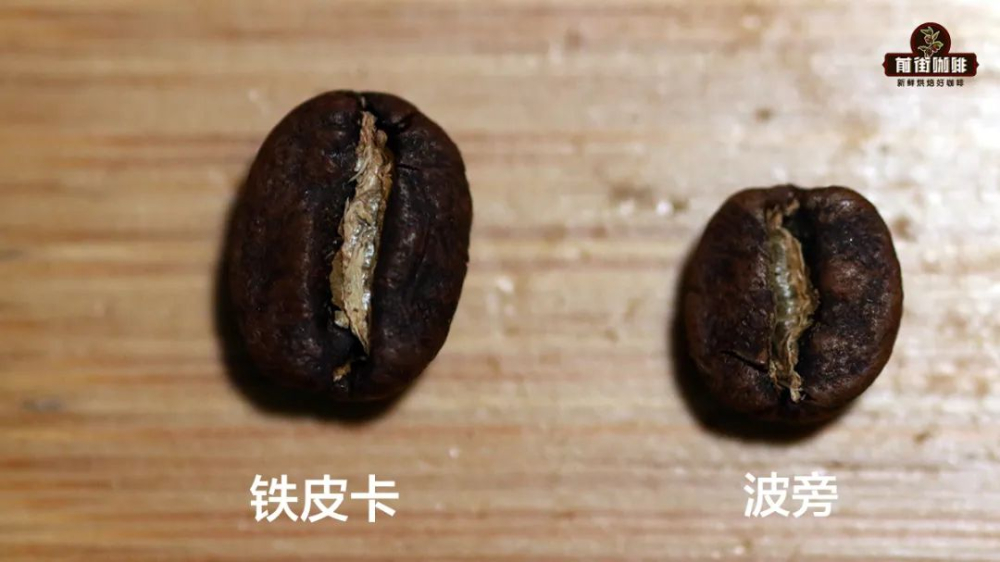
The bean characteristics of Geisha are distinct, with its slender shape and light color being key identifying points. Additionally, Geisha typically exhibits pronounced floral and fruity aromas, which complement its external features.

In summary, identifying the external characteristics of coffee varieties requires familiarity with each variety’s bean shape, size, color, and tip morphology. Beginners are advised to collect sample beans of each variety, observe and record their features one by one, and gradually build their own identification database. Through continuous practice and comparison, you too can, like experienced enthusiasts, uncover the secrets of varieties through their bean appearance.
The above content is compiled by CoffeeHunters, a coffee news website.


