








Introduction:Ethiopia's Yirgacheffe and Sidamo are the starting points for many coffee beginners to explore specialty coffee. Both are high-altitude regions but exhibit distinctly different flavor profiles: Yirgacheffe is known for its bright acidity and floral notes, while Sidamo offers rounder sweetness with chocolatey undertones. This article explores their regional histories, altitude differences, processing methods, and includes practical pour over parameters and flavor notes to help you understand their unique characteristics and find your personal coffee preference.
In the world of specialty coffee, Ethiopia’s Yirgacheffe and Sidamo are like two flavor calling cards that leave a lasting impression on first-timers. These two neighboring regions, though geographically just a line apart, each nurture distinct coffee personalities: one excels in vibrant citrus acidity and floral aromas, the other showcases rich sweetness and a wine-like chocolate finish. For beginner coffee enthusiasts, understanding these differences not only enhances the pleasure of tasting but also helps make more informed choices when buying beans.
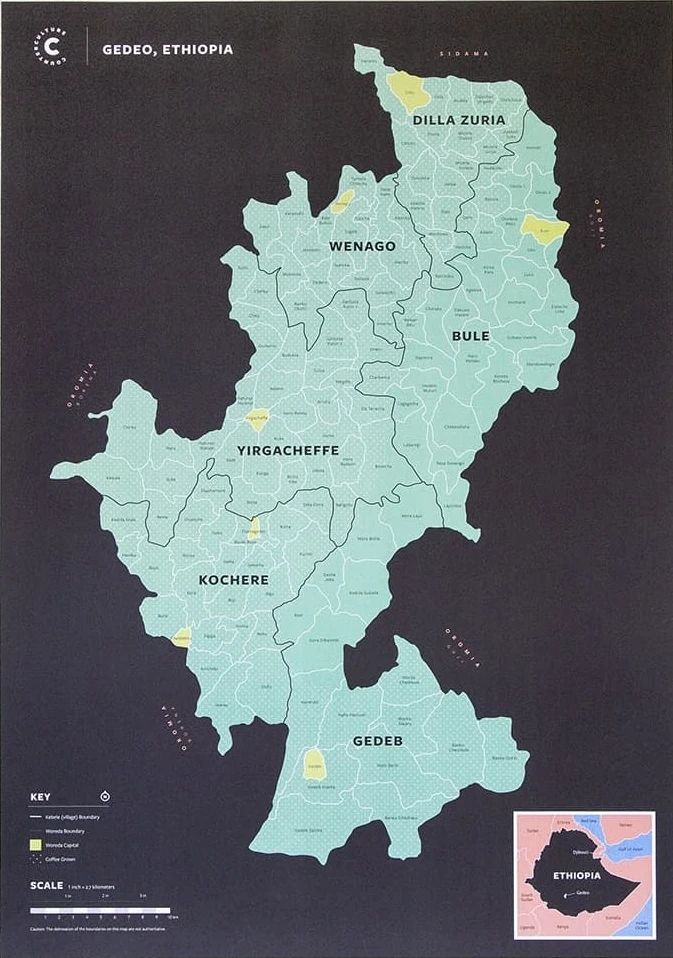
Yirgacheffe was originally a small town within the Sidamo province, but it gradually gained recognition as an independent region due to the uniquely flavorful coffee it produces. In fact, the name “Yirgacheffe” means “let’s settle in the damp area” in the local language, hinting at the deep connection between this land and coffee cultivation. Sidamo, on the other hand, is one of Ethiopia’s major coffee-producing areas, with elevations around 2,100 meters—slightly lower than Yirgacheffe, but still high enough to grow coffee beans with intense flavors.
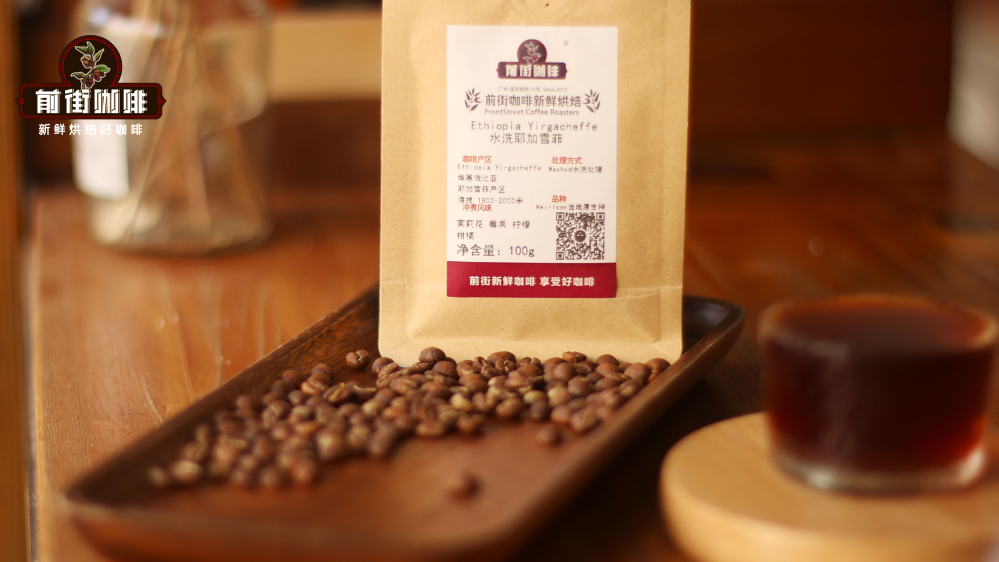
In terms of altitude, Yirgacheffe’s plantings generally exceed 2,600 meters. The cooler temperatures at such heights allow for more thorough accumulation of aromatic compounds and amino acids in the coffee cherries, which is why Yirgacheffe coffee often features more pronounced acidity and layered complexity. In comparison, Sidamo’s slightly lower elevation—between 2,200 and 2,350 meters—still supports rich sweetness and full-bodied mouthfeel, especially in natural-processed batches, where wine-like acidity-sweetness balance and chocolatey aftertaste are commonly experienced.
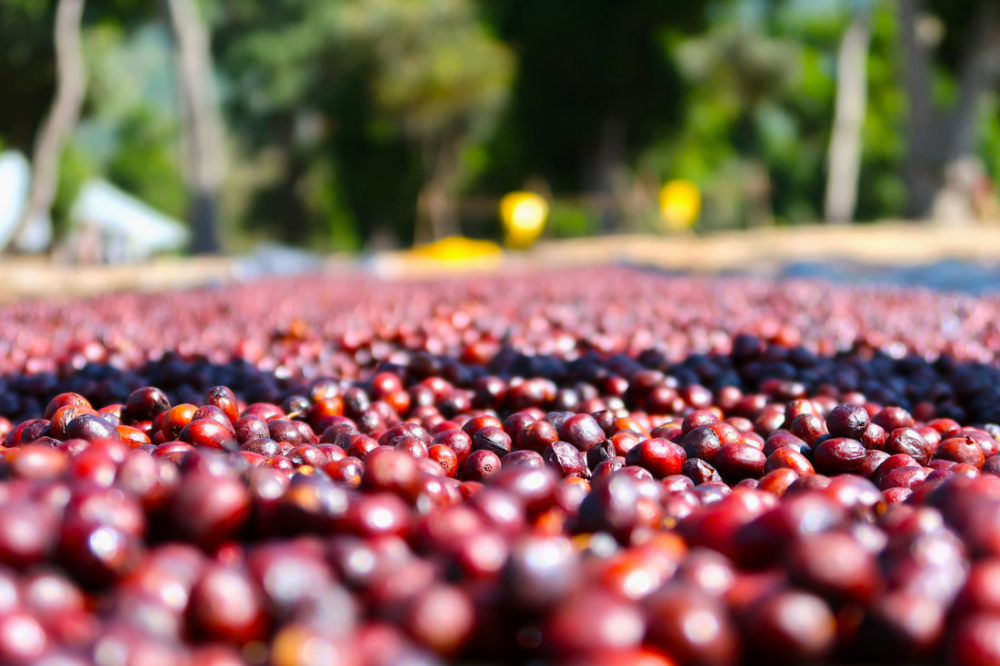
Regarding processing methods, washed processing dominates in the region, highlighting the coffee’s clarity and bright acidity while preserving delicate floral and citrus notes. However, some top-tier beans from the area are processed using the traditional natural method, typically yielding more intense fruitiness, honey-like sweetness, and richer textural layers. Another well-known Ethiopian region also excels in both washed and natural processing, with natural lots often showcasing bold berry flavors and wine-chocolate aftertastes.

In actual cupping experiences, beans from a cooperative in the region—grown at around 2,000 to 2,100 meters and washed—often present citrus and black tea notes alongside floral aromas and a creamy finish. Meanwhile, a renowned lot from another region, cultivated at 2,250 to 2,350 meters and naturally processed, exhibits pronounced citrus acidity, berry juice-like brightness, along with lasting sweetness and a lemon-black tea flavor.
For pour over brewing, to fully extract the flavor characteristics of Yirgacheffe and Sidamo, it is recommended to use a Hario V60 #01 filter, with water temperature controlled at 90–91°C, a coffee dose of about 15 grams, a brew ratio of 1:15, and a grind size equivalent to 80% passing through a Chinese standard No. 20 sieve. This setup ensures that high brewing temperatures don’t lead to over-extraction, while the V60’s flow design allows sufficient contact time between coffee grounds and water to highlight bright acidity and aromatic richness.
The specific brewing steps are as follows: begin with a 30-second bloom using 30 grams of water, then pour 95 grams (scale may show around 125 grams) over about 1 minute. When the water level drops to two-thirds of the coffee bed, add the remaining 100 grams (scale may show around 225 grams), pouring over roughly 1 minute 40 seconds to 1 minute 45 seconds. Finally, complete the drawdown between 2 and 2 minutes 10 seconds, then remove the filter and enjoy.
In terms of flavor, a renowned lot from one region offers an entrance of citrus and black tea notes, with floral aromas evolving as the cup cools, and a finish of creamy, caramel, and almond sweetness, resulting in a clean and sweet overall profile. Another well-known batch highlights pronounced citrus acidity, berry juiciness, and lemon-black tea character, with persistent and layered sweetness. Beans from the region typically feature high acidity and intense aroma, with jasmine, grassy, and sweet potato notes in the aftertaste—ideal for those who prefer bright, refreshing flavors. In contrast, the other region’s offerings are celebrated for their rounder sweetness and fuller body, suiting drinkers who favor more intense profiles.
The above content is compiled by CoffeeHunters, a coffee news website.


