








Introduction:Espresso is an essential starting point for many coffee enthusiasts, yet many still have only a vague understanding of how to properly enjoy it. This article delves into the historical background of espresso, compares it with pour over coffee, and explains in detail why ice water is commonly served alongside it. It will guide you through the professional steps of tasting espresso—from rinsing your mouth, stirring, sipping in stages, to appreciating the aftertaste—while also sharing the extraction logic behind classic blend beans, helping you truly understand every sip of espresso.
On the menus of many coffee shops, espresso often appears as a hidden item, leaving beginners both excited and hesitant. This small cup of coffee, which is quickly served and intensely flavorful, actually embodies a rich philosophy of extraction and sensory experience. This article will take you from the origins of espresso, compare its flavor profile with that of pour over coffee, and focus on analyzing why a glass of ice water is usually served with it, as well as how to fully appreciate the layers and aftertaste of espresso through the correct steps.

The reason espresso is both common and mysterious lies in the difference between its origins and its modern evolution. Early Italians, during busy work breaks, developed this form of coffee with high concentration and short extraction time in order to quickly gain a caffeine boost to revive their spirits. At that time, the main purpose of drinking espresso was to rapidly replenish energy, not to savor its flavors. However, with the rise of the specialty coffee concept, people began to pay attention to the complexity of espresso’s flavors and the craft of its extraction, transforming it from merely a pick-me-up into an important benchmark for evaluating a barista’s skill and the quality of the beans.
Compared to pour over coffee, where the flavor layers brought out by high, medium, and low temperature ranges are more distinct, espresso, due to its high coffee-to-water ratio and high-pressure extraction, has a more concentrated flavor that is instantly presented. Often, the espresso is finished before one has had the chance to fully savor it. Additionally, its intense mouthfeel and unique crema make it necessary to pay closer attention to texture, aroma, and aftertaste during tasting. It is worth mentioning that:Cleanliness and overall balanceare key factors in evaluating a high-quality espresso. If there are obvious off-flavors or imbalances, even strong flavors do not make for an outstanding cup.
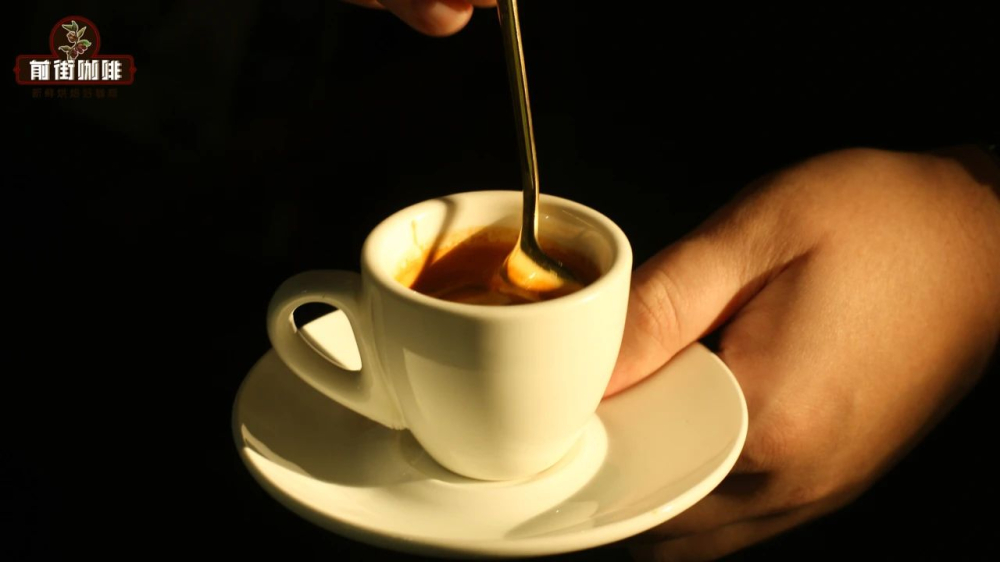
When many people order espresso at a café, it’s common for the staff to serve a glass of ice water along with it, and there is actually reasoning behind this action. First,the primary function of the ice water is to cleanse the palate and awaken the taste buds,putting the sense of taste in optimal condition to accurately capture the delicate flavors of the espresso. It is recommended to take a small sip of ice water before drinking the espresso to rinse your mouth, which helps reset your taste sensitivity. Then, you can use the provided small spoon to gently stir the espresso, mixing the thicker coffee at the bottom with the lighter part at the top. While you can still experience different flavor layers without stirring, stirring typically results in a more balanced overall flavor.
When tasting, it is suggested to drink the espresso inthree to four sipsslowly, using different parts of the tongue to perceive its flavors and textures: the tip of the tongue can detect sweetness, the sides are more sensitive to acidity, while the center and roof of the mouth can sense the unique texture and aftertaste of the espresso. After drinking, close your mouth and gently exhale to further capture volatile aromatic molecules, assessing their persistence and layering. Finally, you can take another sip of water to help clarify the coffee’s sweetness and overall impression. Of course, there are no fixed rules for tasting—finding your own preferred method is equally important.
A high-quality espresso depends not only on the correct tasting method but also on the selection of premium beans and precise extraction techniques. Taking a common classic blend as an example, using a high proportion of dark roasted beans can bring out vanilla, cream, and chocolate notes, complemented by a small amount of fruit-toned beans to add layers. Such blends usually consist of around 70% medium-dark roasted beans mixed with 30% light to medium roasted beans, maintaining a rich foundation while highlighting subtle flavor variations. By precisely controlling extraction time, water temperature, and pressure, the unique charm of espresso can be fully expressed, ensuring each sip is filled with robust aroma and a balanced mouthfeel.
The above content is compiled by CoffeeHunters, a coffee news website.


