







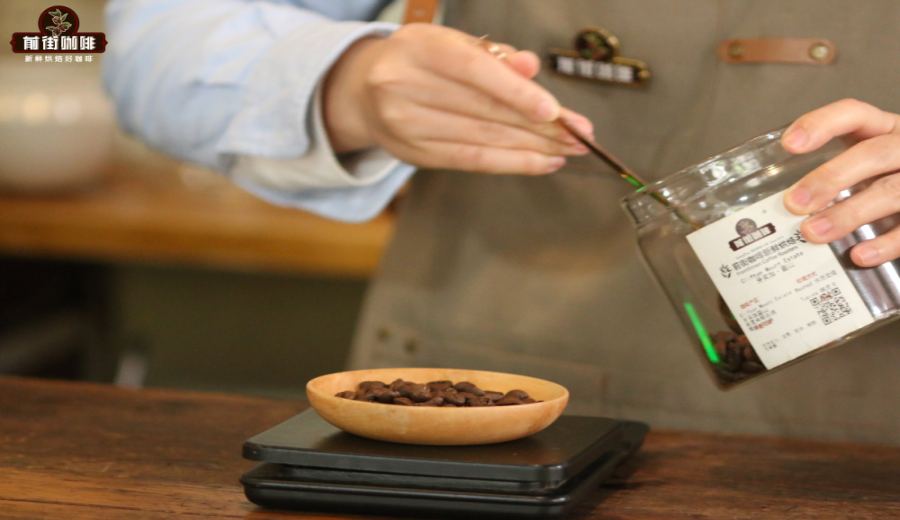
Introduction:Jamaica Blue Mountain coffee is renowned for its balanced and delicate flavor profile, but the market is flooded with various "Blue Mountain flavor" blends. How can you identify genuine Number One Blue Mountain? This article delves into the production regulations, grading system, and barrel packaging characteristics of Blue Mountain No. 1, helping you understand the essential criteria for an authentic product. It also offers professional pour over recommendations and flavor profiles under medium-dark roasting to help you truly appreciate this world-class single-origin coffee.
Jamaica Blue Mountain coffee is hailed as the pinnacle of the coffee world, celebrated for its exceptional balance of acidity, sweetness, and bitterness. However, many products on the market labeled as "Blue Mountain flavor" or "Blue Mountain blend" often fall far short of true Blue Mountain No. 1. So, how can you distinguish genuine Jamaica Blue Mountain No. 1? Does it lean toward bitterness? This article will comprehensively analyze every aspect of this rare coffee—from regional regulations and grade classifications to barrel packaging basics, as well as pour over techniques under medium-dark roasting.
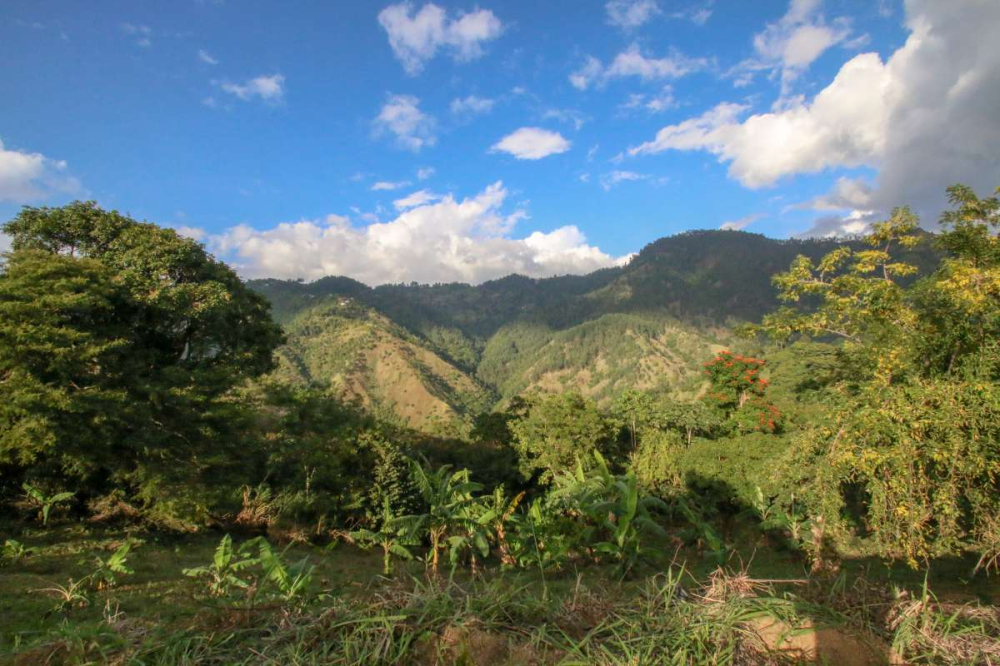
First and foremost, it must be clarified that genuine Jamaica Blue Mountain coffee is produced exclusively in specific areas of the Blue Mountains in Jamaica. According to the local Coffee Industry Regulation Act, only Typica variety beans grown at elevations between 910 and 1700 meters within the four administrative regions of Saint Andrew, Saint Thomas, Portland, and Saint Mary can be called "Jamaica Blue Mountain." Due to the rugged terrain and high labor costs, production is extremely limited, making it impossible for the price to be too low. If you see "Blue Mountain beans" being sold for just a few dozen yuan, they are very likely counterfeits. Generally speaking, a 100g pack of genuine Blue Mountain No. 1 usually falls within the price range of 150 to 160 yuan.
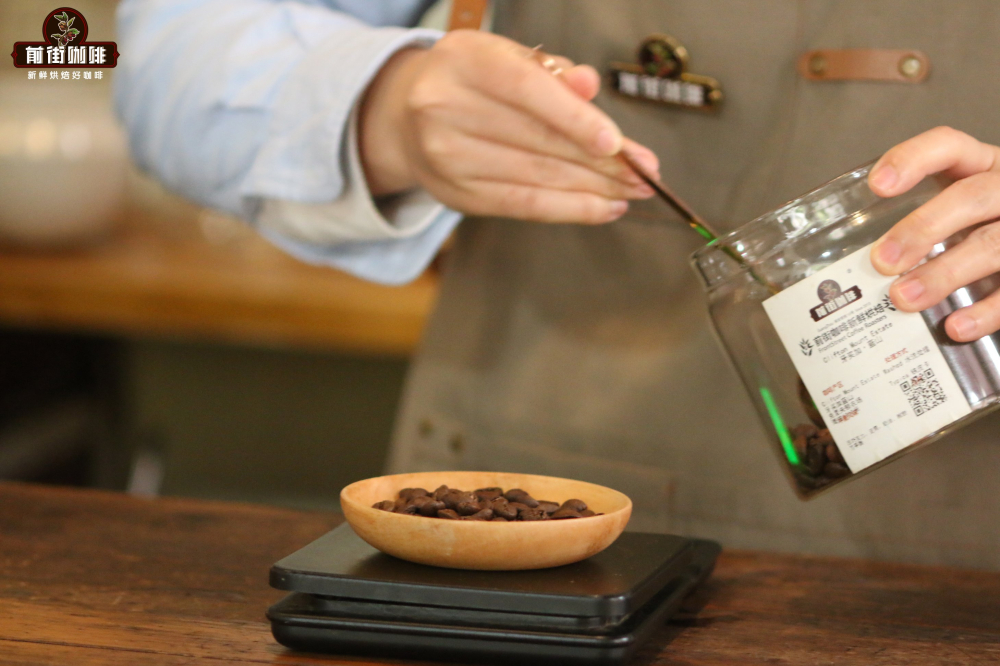
In terms of aroma, genuine Blue Mountain No. 1 often exudes a rich and long-lasting chocolate and roasted hazelnut fragrance, a quality that is hard for even typical dark roast blends to match. In the cup, it presents a finely balanced combination of acidity, sweetness, bitterness, and aroma—no single characteristic stands out excessively—boasting both body and sweetness, with a smooth mouthfeel and a lingering finish. Additionally, to further verify authenticity, it’s recommended to ask the seller for official Blue Mountain certification documents and the raw bean barrel packaging. Jamaica is one of the few regions in the world that insists on transporting green beans in handcrafted wooden barrels, which is also one of the unique hallmarks of Blue Mountain coffee. Authentic products usually come with a quality certificate issued by the Jamaica Coffee Board, authorization documents from the producer, and a certificate of origin, and the actual beans can be seen on display at physical stores or through official channels.
What grade is Jamaica Blue Mountain No. 1? To maintain the high quality of Blue Mountain coffee, the Jamaican government established the "Jamaica Coffee Industry Board" (CIB) as early as 1948. The CIB is responsible for managing the cultivation, production, and sales of Blue Mountain coffee, and enforces strict grading classifications and quality controls. All Blue Mountain coffee exported to international markets must be certified by the CIB and bear an official label.
Prior to export, Blue Mountain green beans are graded based on bean size and defect rate, divided into four grades: Blue Mountain No. 1, Blue Mountain No. 2, Blue Mountain No. 3, and Blue Mountain Peaberry. Among these, Blue Mountain No. 1 is the highest grade, requiring green beans larger than 17 mesh, a defect rate below 3%, and a moisture content of approximately 13%. In cupping, Blue Mountain No. 1 should exhibit rich aromas, a smooth and balanced taste, low acidity, and a long-lasting aftertaste. Moreover, Jamaica Blue Mountain insists on using handcrafted wooden barrels to store green beans—not only to prevent moisture during transport, but also as a key feature for identifying authenticity.
In terms of roasting, medium-dark roasting can fully bring out the chocolate and nutty notes of Blue Mountain coffee while retaining moderate acidity and sweetness, achieving an optimal flavor balance. Over-roasting can easily mask the delicate characteristics of Blue Mountain, so it is recommended to choose a moderate roast level to showcase its classic flavor profile.
For pour over recommendations, since Blue Mountain No. 1 is medium-dark roasted, its caramelization reaction is more pronounced, making it prone to releasing large-molecule bitter substances. Therefore, it is advised to use a slightly lower water temperature of about 87–88°C to avoid extracting excessive off-flavors. Compared to the 91–93°C suggested for light roasts, this temperature range better highlights the richness and sweetness of Blue Mountain.
Regarding grind size, to control extraction and avoid over-extraction leading to excessive bitterness, a medium grind is recommended—for example, a setting of 10.5 on the EK43s grinder, or a Chinese standard sieve passing rate of about 75%. Specific pour over parameters can be referenced as follows: using a Kono filter, water temperature at 88°C, coffee-to-water ratio of 1:15, 15 grams of coffee, grind size with a 20-mesh sieve passing rate of 75%.
Practical pour over steps are recommended as follows: first, perform a 30-second bloom with 30 grams of water to initiate the release of coffee aromas; then proceed to the second pour up to approximately 125 grams, using a steady and even circular pouring motion; when the water level drops halfway, perform the final pour to reach a total of 225 grams, until the coffee liquid has completely dripped through, with the entire extraction process taking about 2 minutes.
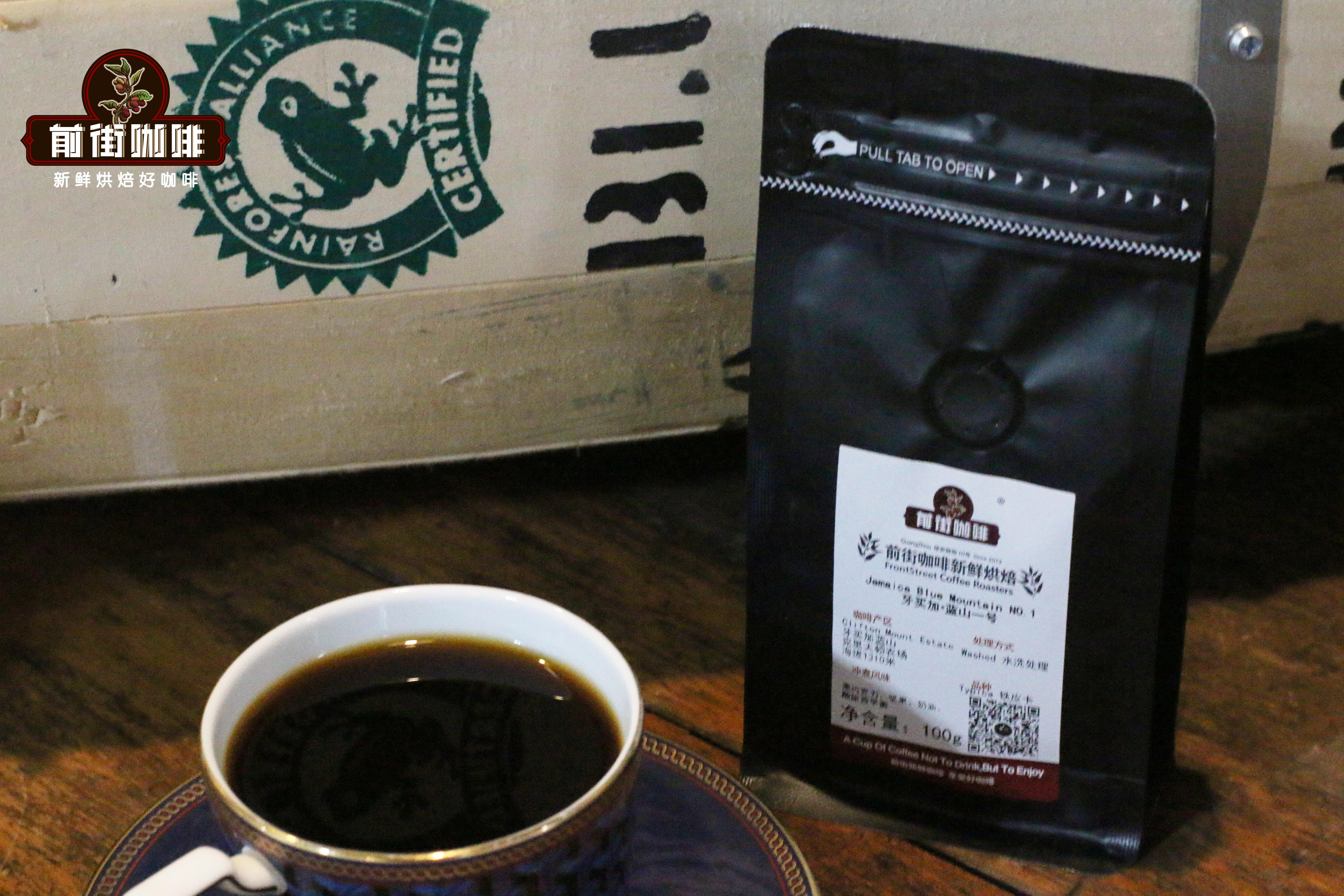
In terms of flavor profile, Blue Mountain No. 1 delivers a distinct taste of dark chocolate, roasted nuts, and toffee upon entry, accompanied by a gentle caramel sweetness. Its acidity is refined and never overpowering, resulting in a smooth and rich mouthfeel. As the temperature cools, the aroma layers become even more distinct, with a long-lasting and delicate finish—making it a classic choice that no single-origin coffee enthusiast should miss.
The above content is compiled by CoffeeHunters, a coffee news website.


