







Introduction:Jamaica Blue Mountain coffee is renowned for its delicate and balanced flavor, but there are many imitations on the market with vastly different prices. This article delves into whether Blue Mountain is an Arabica variety, teaches you how to identify authenticity through key indicators such as origin, price, certification, and aroma, and offers practical advice for selecting high-value genuine Blue Mountain beans—so you can enjoy a great cup and get your money’s worth.
In the world of specialty coffee, Jamaica Blue Mountain coffee is undoubtedly an iconic presence—not only for its unique flavor but also for its top-tier price. Many coffee enthusiasts wonder: is Jamaica Blue Mountain coffee Arabica? The answer is yes—and it belongs to the Typica cultivar within the Arabica species, boasting an exceptionally elegant genetic lineage. However, precisely because of its prestigious reputation, counterfeit products flood the market, making it a challenge for many consumers to select truly delicious yet reasonably priced authentic Blue Mountain coffee.
Firstly, the reason Jamaica Blue Mountain coffee is so highly praised lies mainly in its extremely balanced and refined flavor profile. Its taste is full-bodied and smooth, with gentle acidity, minimal bitterness, yet a distinct sweetness and long-lasting aftertaste. This flavor combination, which seems to encompass all the ideal traits of coffee, has made Blue Mountain the dream bean for many coffee lovers. Moreover, its aroma is wonderfully layered—from the chocolate and roasted hazelnut notes released after fresh roasting, to the nutty, caramel, and creamy flavors experienced when sipping—all contributing to its allure.
To avoid purchasing fakes, it’s important to first understand several key identification methods. First, genuine Jamaica Blue Mountain coffee is typically sold only as green beans, roasted beans, freshly ground coffee powder, or drip bags. If you encounter something labeled as “Blue Mountain flavor,” a “Blue Mountain blend,” or instant coffee products, you can almost be certain it’s not authentic. Especially those blends that use dark roasting to mimic the flavor of Blue Mountain may have similar aromas, but they are far from the real thing.
Second, the growing region and cultivation conditions of Blue Mountain coffee are extremely strict—it only grows at specific altitudes between 1200 and 1700 meters in the Blue Mountains of Jamaica. Harvesting and processing costs are high, so the price is not going to be very affordable. If you see so-called “Blue Mountain beans” priced at just a few dozen yuan or even just over ten yuan per kilogram, it’s advisable to be cautious—they are very likely imitations.
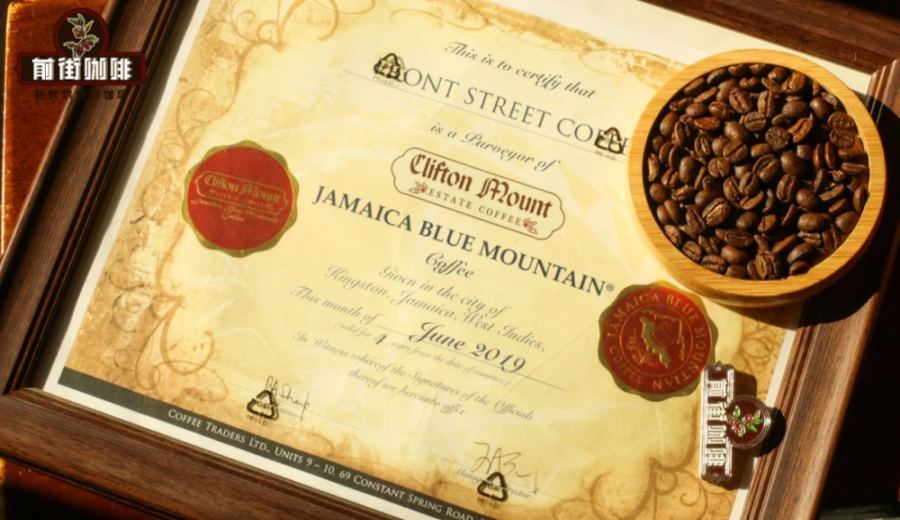
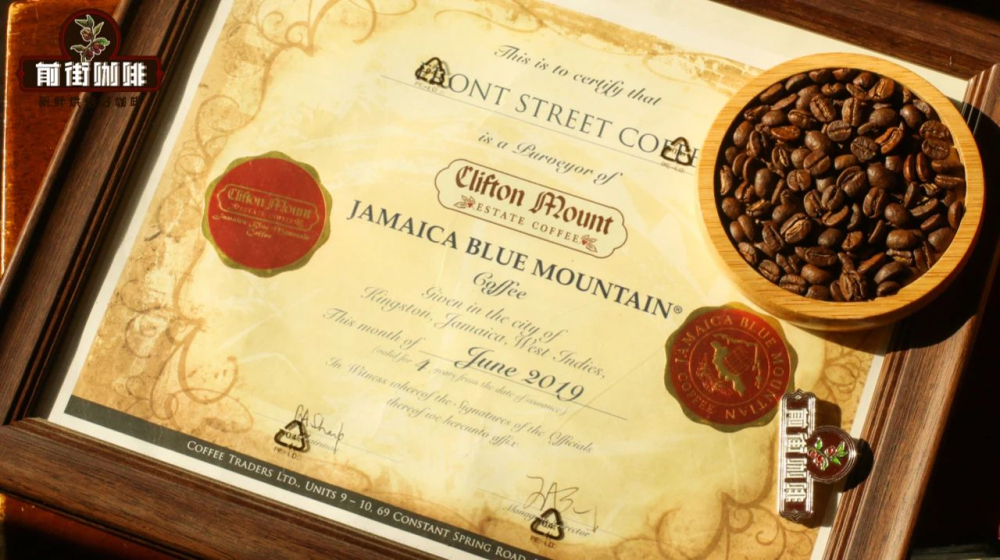
Third, you can confirm origin and source through relevant certificates. For example, the shipping barrels of Blue Mountain green beans, the authorized sales certificates issued by producers, and the Certificate of Origin for Jamaica Blue Mountain coffee are all important evidence for verifying authenticity. It’s worth noting that Blue Mountain coffee is produced by four officially authorized processing plants under the Jamaican government, and is sold globally only through 16 approved exporters. The existence of a Certificate of Origin can greatly enhance the assurance of your purchase.
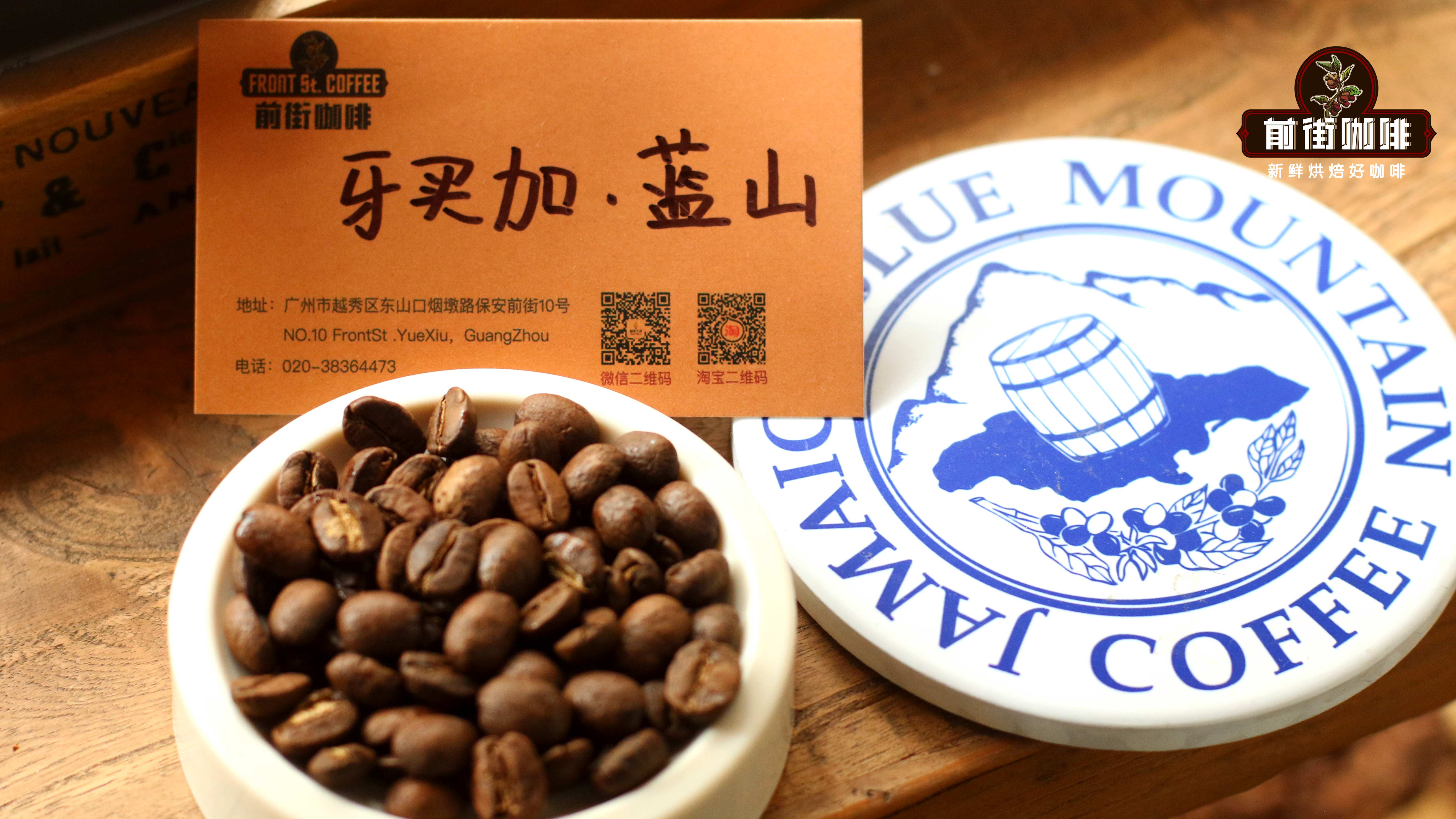
Fourth, judging by aroma and flavor is also an effective method. Freshly roasted genuine Jamaica Blue Mountain coffee usually emits a rich and lasting aroma of chocolate and roasted hazelnuts—an aromatic complexity that ordinary dark roast blends can hardly match. In terms of flavor, Blue Mountain coffee presents multiple layers of nutty, chocolatey, caramel, and creamy notes, with an excellent balance among acidity, sweetness, bitterness, and aroma—no single characteristic stands out excessively, resulting in a mellow overall taste with a naturally sweet profile.
If you wish to purchase high-value and consistently quality authentic Blue Mountain coffee, it is recommended to choose a roasting brand with a good reputation. Some specialty self-roasting coffee brands offer a variety of options, and through transparent roasting processes and strict quality control, ensure the freshness and flavor performance of the coffee beans. These brands often use medium-dark roasting, which can highlight the unique caramel aroma of Blue Mountain while retaining some subtle fruit acidity, making them suitable for single-origin pour over or drip bag brewing—allowing you to fully experience the refined charm of Blue Mountain coffee.
In summary, Jamaica Blue Mountain coffee is not only a standout among Arabica varieties but also owes its irreplaceable flavor characteristics to its unique growing region and cultivation conditions. By mastering the correct identification methods, understanding the price range and related certifications, and focusing on aroma and flavor details, you can effectively avoid market imitations and select truly worthwhile authentic Blue Mountain coffee to savor.
The above content is compiled by CoffeeHunters, a coffee news website.


