







Introduction:Jamaica Blue Mountain coffee has long been hailed as a top-tier delicacy in the coffee world, especially the No.1 grade, which is not only expensive but also renowned for its excellent balance and rich, smooth flavor. This article will delve into the grading system of Blue Mountain coffee, the characteristics of its three major producing regions, the traits of the Typica variety, the differences between washed and natural processing methods, as well as provide professional pour over recommendations and authenticity identification tips to help you fully grasp the essence of this premium coffee.
In the world of specialty coffee, Jamaica Blue Mountain coffee is undoubtedly an iconic presence. Its unique flavor profile—rich body with balanced sweetness, acidity, and bitterness, along with almost no unpleasant astringency and just the right level of acidity—has earned it long-standing acclaim among coffee enthusiasts worldwide. This article will provide comprehensive and practical information, covering everything from the grading and regional distribution of Blue Mountain coffee, to varietal characteristics, processing methods, recommended brewing techniques, and authenticity verification.
Jamaica Blue Mountain coffee belongs to the ultra-high-end segment of specialty coffee, and its appeal stems from a combination of outstanding qualities. It not only possesses the intense richness expected of high-quality coffee, but also achieves an exceptional balance between sweetness, acidity, and bitterness, resulting in a smooth yet layered cup. This has made it the dream bean for many coffee lovers. Next, we’ll start with the classification and grading of Blue Mountain to deeply explore the story behind this coffee.
Classification and Grading of Jamaica Blue Mountain Coffee
The history of Jamaica Blue Mountain coffee dates back to the 18th century when the British introduced coffee trees to Jamaica and planted them in the Blue Mountains region. Today, Blue Mountain coffee is categorized into three main classes based on altitude and quality: Jamaica Blue Mountain coffee, Jamaica High Mountain coffee, and regular Jamaica coffee, each further divided into different grades.
(1) Jamaica Blue Mountain Coffee
Blue Mountain coffee is graded from highest to lowest into four grades: NO.1, NO.2, NO.3, and PB (peaberry). Only coffee grown at altitudes above 666 meters qualifies as Jamaica Blue Mountain coffee. Among them,the No.1 grade coffee produced in the Blue Mountain region at around 2000–2256 meters altitude is considered the pinnacle of Blue Mountain due to its challenging growing environment, limited yield, plump beans, and exceptionally harmonious flavors. It is the most expensive among all Blue Mountain coffees.
(2) Jamaica High Mountain Coffee
Coffee grown at altitudes below 666 meters in the Blue Mountain range is classified as High Mountain coffee. Although its flavor is slightly inferior to Blue Mountain, it remains a representation of high quality and is often regarded as a premium alternative to Blue Mountain coffee.
(3) Jamaica Coffee
Coffee grown outside the Blue Mountain range is collectively referred to as Jamaica coffee. In the past, many consumers mistakenly believed that only coffee grown above 2000 meters could be called Blue Mountain. In reality, the true Blue Mountain summit area (above 2000 meters) is extremely limited, with only the Amber Estate covering 30 hectares and producing minimal output. Most Blue Mountain coffee actually comes from five main areas within the Blue Mountains, including John Crow, St. John's Peak, Mossman's Peak, High Peak, and Blue Mountain Peak.
Growing Conditions of Jamaica Blue Mountain Coffee
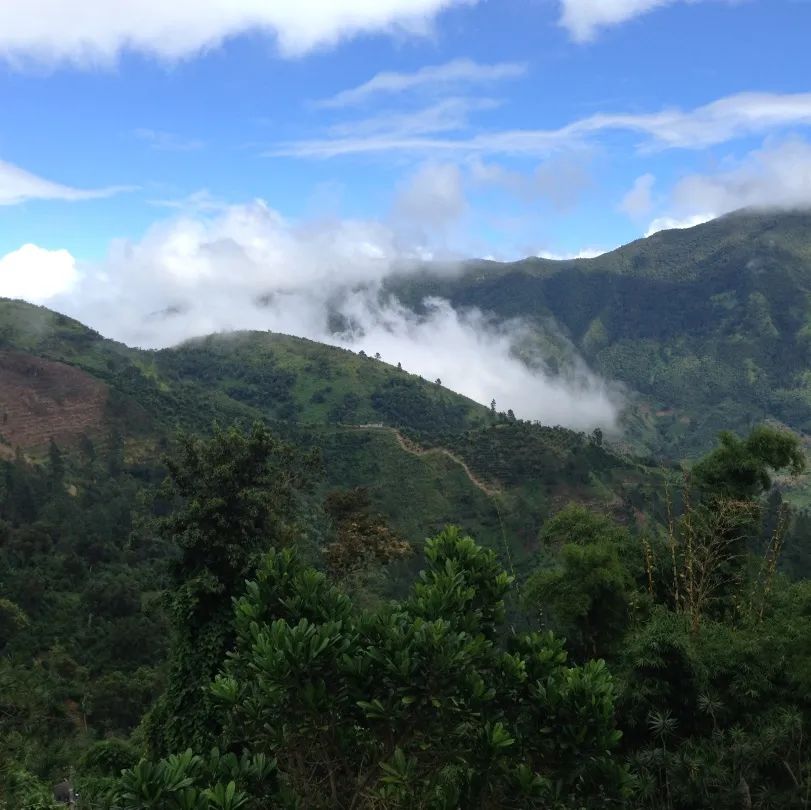
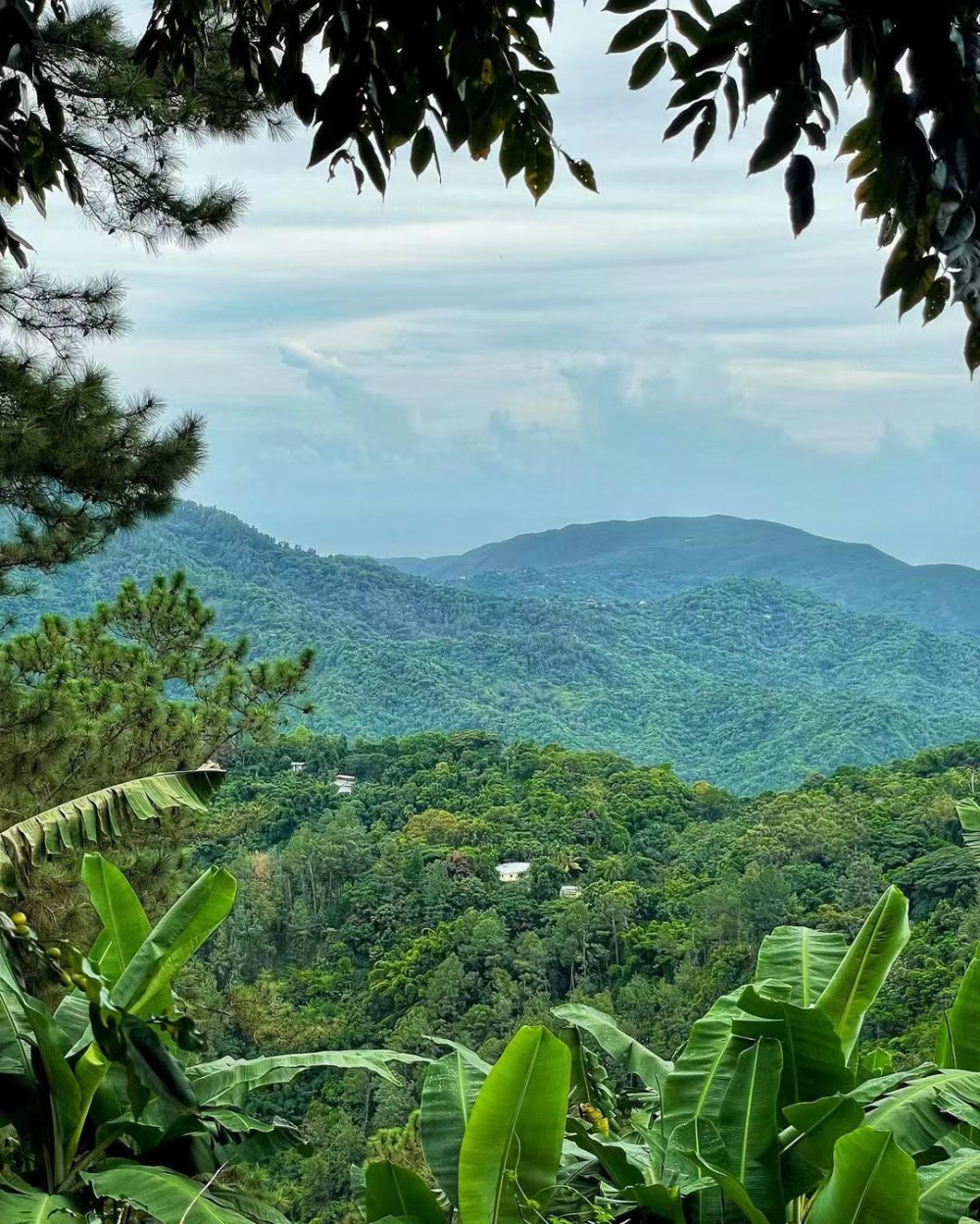
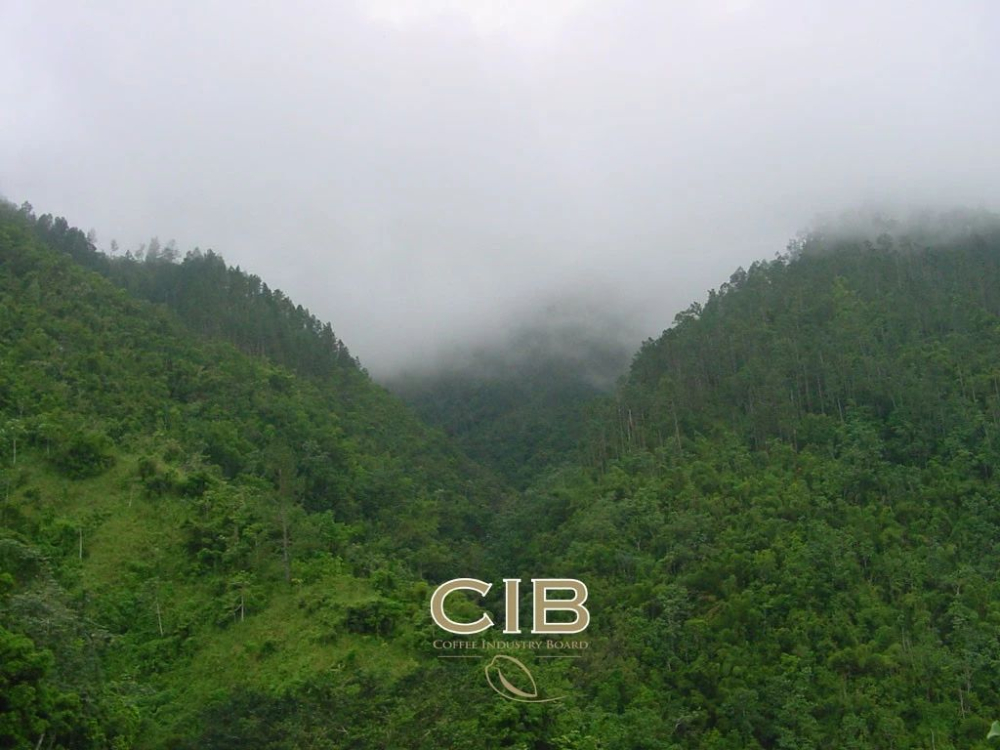
The Blue Mountains are located in eastern Jamaica. Surrounded by the Caribbean Sea, the peaks reflect a sapphire-like blue hue when sunlight hits the sea on clear days, hence the name "Blue Mountains." This region not only features fertile volcanic soil but also enjoys a climate that is often misty and rainy, with an average annual rainfall of up to 1980 mm and an average temperature of around 27°C. Coupled with the cool conditions of high altitude, these factors provide ideal growing conditions for Arabica coffee.
The Three Major Producing Regions of Jamaica Blue Mountain Coffee
The production of Blue Mountain coffee is extremely limited. The entire Blue Mountain region spans only 6,000 hectares, with only a small portion dedicated to Blue Mountain coffee cultivation. The remaining 12,000 hectares are mainly used for High Mountain coffee and regular Jamaica coffee. The main three producing regions include Saint Andrew, Portland, and Saint Thomas, along with some smaller but well-known estates such as Wallenford, Silver Hill, and the Atlanta Estate of Martinez. It’s worth noting that most estates in the Blue Mountain area are small-scale, often family-run operations, with some having been cultivated for over two centuries.
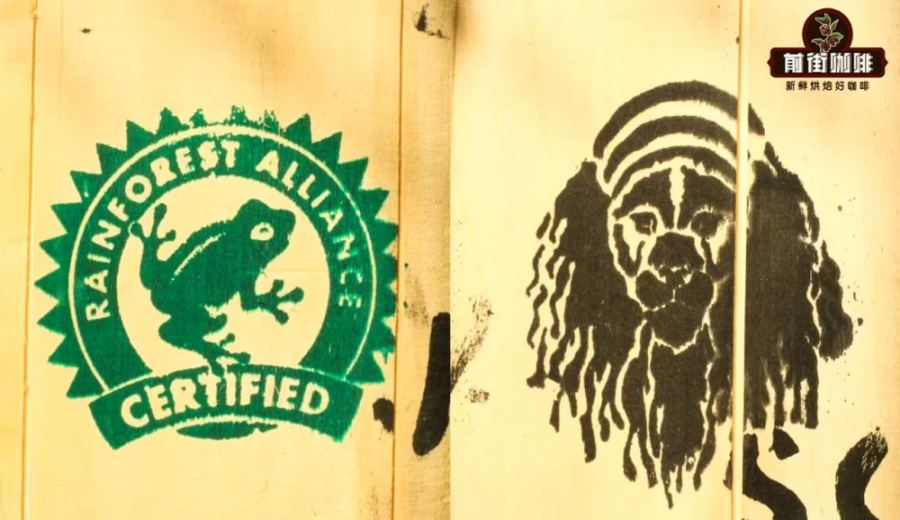
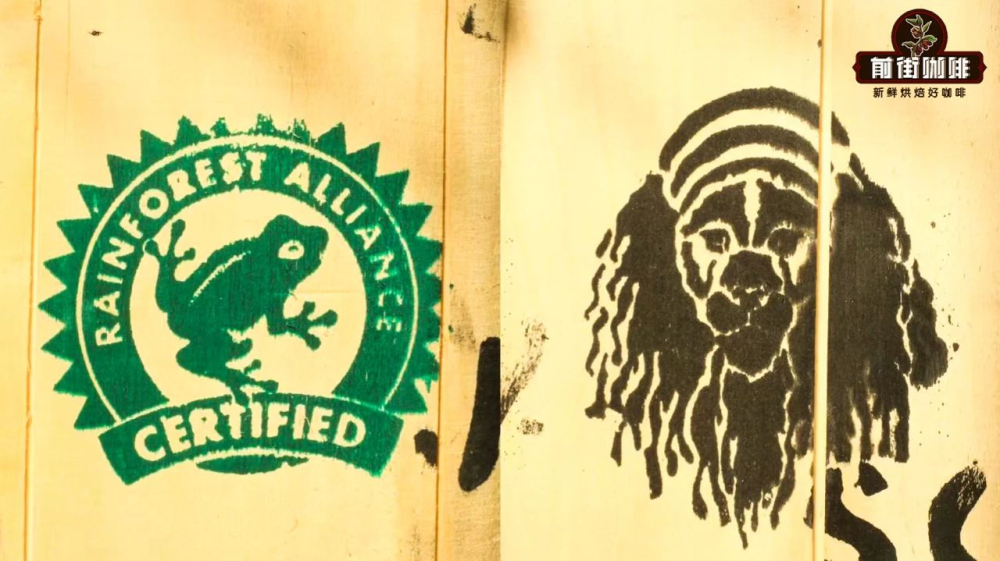
In the Blue Mountains, there are six main certification marks used to confirm whether coffee originates from the Blue Mountains, such as M.B.C.E, M.H.C.C.T., P.X.X.S.H., and the J.A.S (Rainforest Alliance certified) with a green frog logo. These are important indicators for verifying the authenticity of Blue Mountain coffee.
Jamaica Blue Mountain Coffee Variety – Typica
Blue Mountain coffee primarily uses the Typica variety, one of the oldest Arabica sub-varieties. Its leaves have a reddish-copper tip, hence it is also known as Red Tip coffee. Typica coffee trees grow slowly, have few branches, weak disease resistance—especially to leaf rust—and therefore yield less. However, they are known for their elegant and complex flavor profiles.
Processing Methods of Jamaica Blue Mountain Coffee
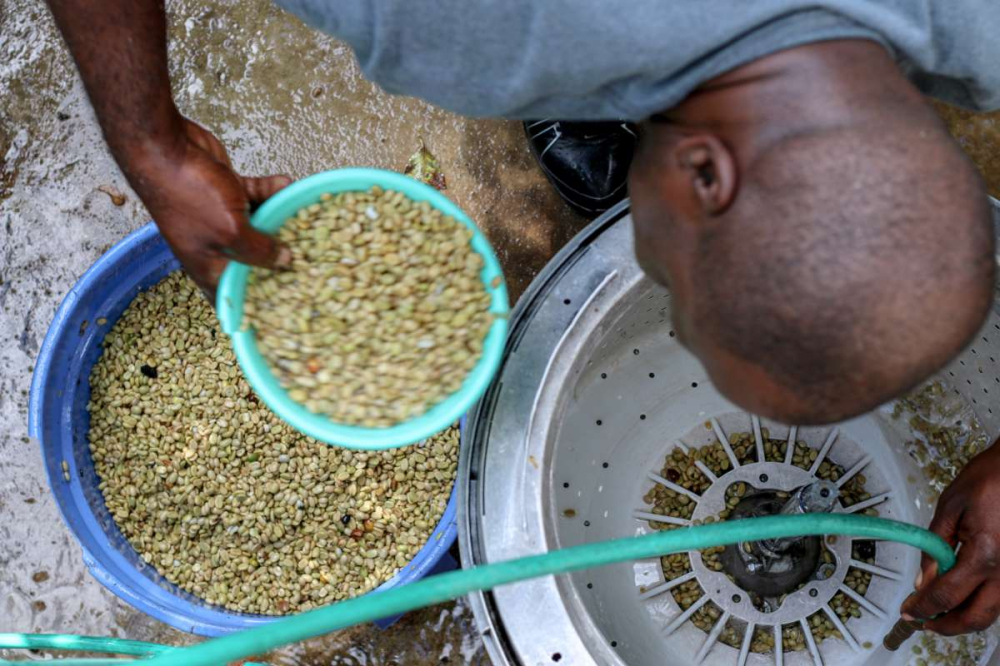
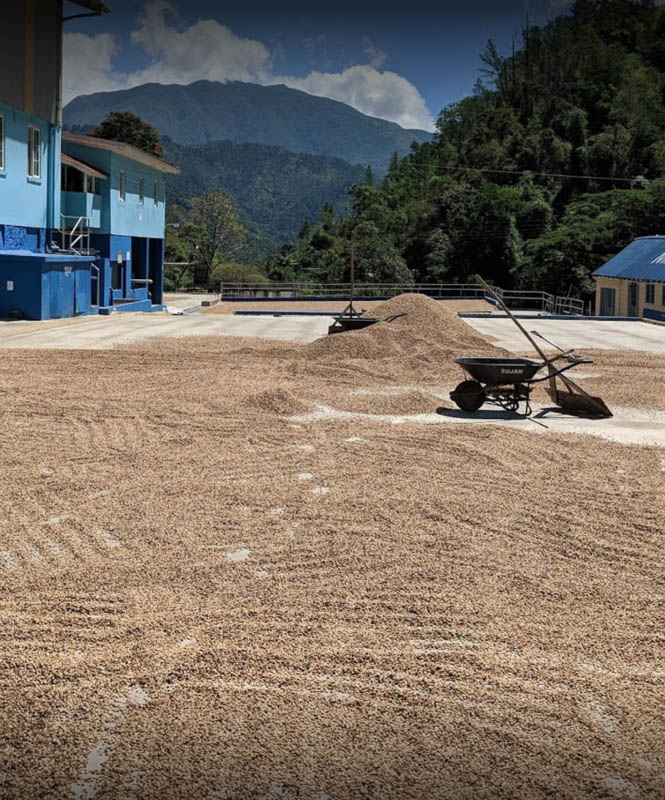
Before 2020, Blue Mountain coffee was mainly processed using the washed method. This approach highlights the coffee’s pure flavors while minimizing impurities. The washed process involves removing the skin and pulp, followed by 12–18 hours of fermentation, then using water and friction to remove the remaining mucilage, and finally drying the beans still enclosed in their parchment to a moisture content of 12–14%. This entire process requires strict control to ensure consistent quality.
Starting in 2020, Blue Mountain began releasing small batches of naturally processed beans, introducing new variations to its traditional flavors, though the washed process is still widely regarded as better at authentically representing the terroir of Blue Mountain coffee.
Flavor Profile of Jamaica Blue Mountain No.1 Coffee Beans
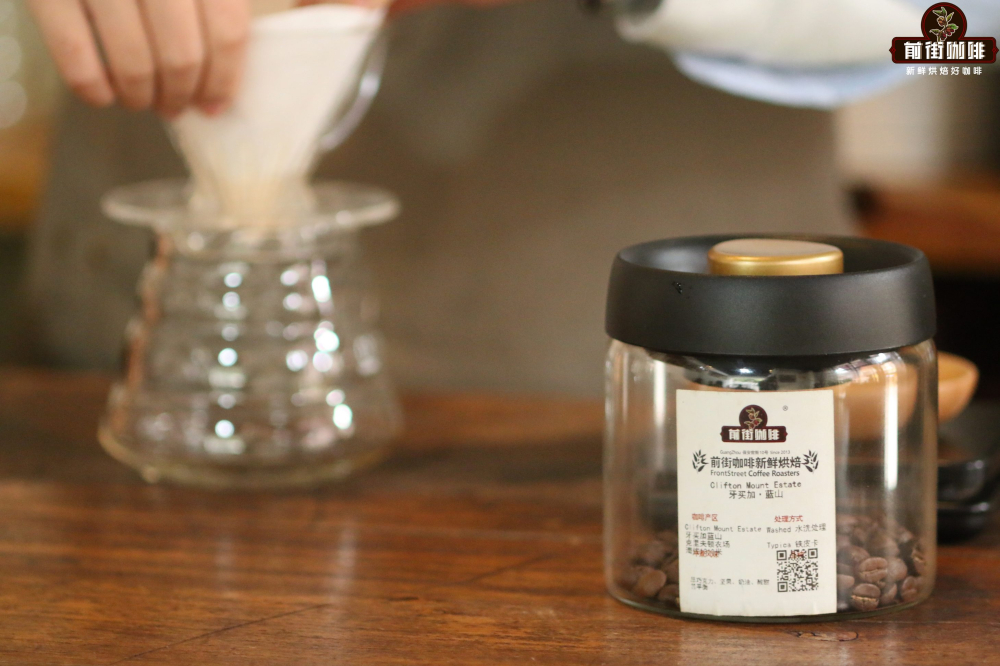
Blue Mountain No.1 coffee beans are grown at elevations above 1310 meters at the Clifton Estate, of the Typica variety, and processed using the washed method. This coffee offers a delicate flavor profile, with a pronounced brown sugar sweetness and berry acidity upon entry. The mid-to-late stages reveal notes of nuts and cocoa, with a silky, creamy mouthfeel, and a lingering walnut aroma in the aftertaste. The layers are distinct and long-lasting.
If you choose a naturally processed Blue Mountain No.1, it typically exhibits richer dark chocolate and nutty tones, with a clean and bright flavor, balanced acidity, sweetness, and bitterness, and excellent body.
How to Distinguish Authentic Jamaica Blue Mountain Coffee?
Due to its high price, Jamaica Blue Mountain coffee is often counterfeited. To verify authenticity, consider the following three aspects:
(1) Quality certificate issued by the Jamaica Coffee Industry Board
(2) Authorized sales certificate from the Blue Mountain coffee producer
(3) Certificate of origin document for Blue Mountain coffee
Additionally, authentic Blue Mountain coffee must be grown at altitudes above 2000 meters and is strictly graded based on bean size and defect rate. Wooden barrels marked with a green frog logo symbolize Rainforest Alliance certification and are also an important indicator of beans from the Clifton Estate.
Brewing Recommendations for Blue Mountain Coffee Beans
When brewing Blue Mountain coffee, it is recommended to use a KONO filter to bring out a rounder and fuller body. Below are professional pour over parameters:
- Dose: 15 grams
- Filter: KONO
- Coffee-to-water ratio: 1:15
- Grind size: Similar to granulated sugar
- Water temperature: 86°C
Pour over steps:
Start with a 30-second bloom using 30 grams of water, then pour in a small stream centered until reaching 125 grams and pause. Once the water level drops slightly, continue pouring to 225 grams. Total brew time should be around 2 minutes.
This brewing method fully highlights the delicate flavors and layered complexity of Blue Mountain coffee. Whether washed or natural, it delivers an ultimate taste experience.
The above content is compiled by CoffeeHunters, a coffee news website.


