








Introduction:Adjusting the grind size for espresso is a challenge many coffee enthusiasts face. Factors such as bean freshness, air humidity, and extraction conditions all influence the final flavor. This article will delve into how to adjust grind fineness according to different situations, master the balance between coffee-to-water ratio and extraction time, and recommend blends suitable for home use and beginners. This will help you consistently extract balanced and layered espresso shots.
Many newcomers to espresso are often troubled by one question: just how fine should the espresso grind be? Yesterday it extracted smoothly, but today it’s sour, bitter, or even channeling or over-extracted. In fact, this is largely related to subtle changes in grind size. Not only the adjustment of the dial, but also the state of the coffee beans themselves, the humidity of the surrounding environment, and even the post-roast storage time of the beans can directly affect grind performance and extraction stability.
Therefore, to consistently extract the ideal espresso, you can’t rely solely on “the grind setting you remember.” Instead, you need to understand the core principles behind grind adjustments and continuously fine-tune based on observation of extraction time, flow rate, and flavor performance. This is especially important in home environments, where stable extraction conditions are key — and it’s also the secret to achieving “café-level taste” that many home baristas pursue.

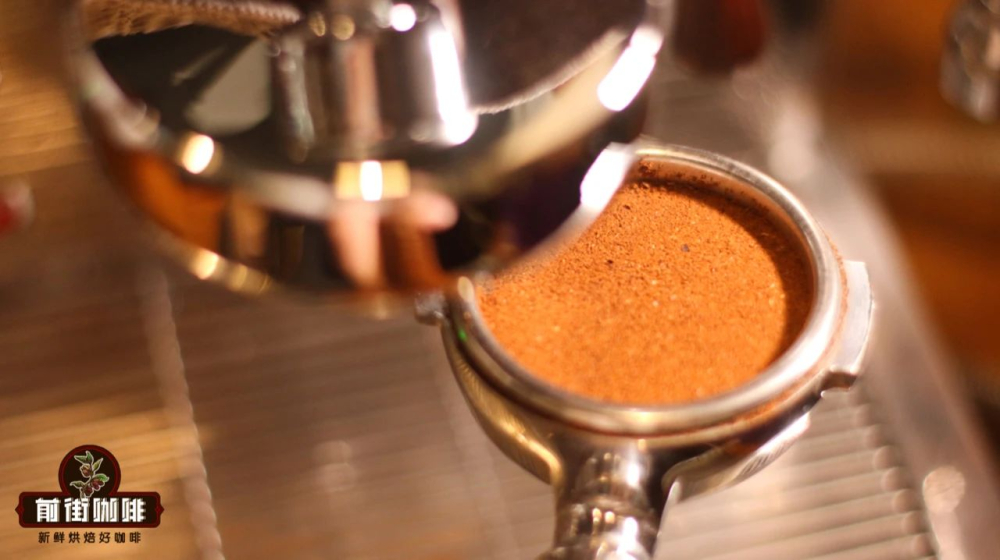
First, let’s talk about why the grind size always seems to “get off track after being set right.” Espresso machines require an extremely fine grind, typically in the very fine range, close to powder but still with some granularity. However, there are many variables that affect grind performance. The most common are bean freshness and changes in ambient humidity. Freshly roasted coffee beans contain a lot of carbon dioxide, which can interfere with grind uniformity, resulting in inconsistent particle sizes that affect water flow rate and extraction stability.
In addition, humidity is also key. On humid days, coffee grounds tend to absorb moisture and swell, making the originally set grind size actually “coarser,” leading to under-extraction, acidic or thin flavors. Conversely, in dry environments, coffee grounds become more compact and prone to clogging, causing over-extraction and burnt, bitter flavors. Therefore, it’s recommended to recheck the grind size and extraction time at the start of each brew session, especially in regions with variable climates.
To achieve stable extraction, it’s advisable to use coffee beans that have been roasted for at least two weeks. This period is known as the “resting period” or “degassing phase,” during which internal gases gradually dissipate, flavors stabilize, and it also helps produce more uniform fine grounds, improving extraction consistency. Especially for beginners, avoiding “fresh beans” roasted within a week can effectively reduce grind adjustment difficulty and failure rates.
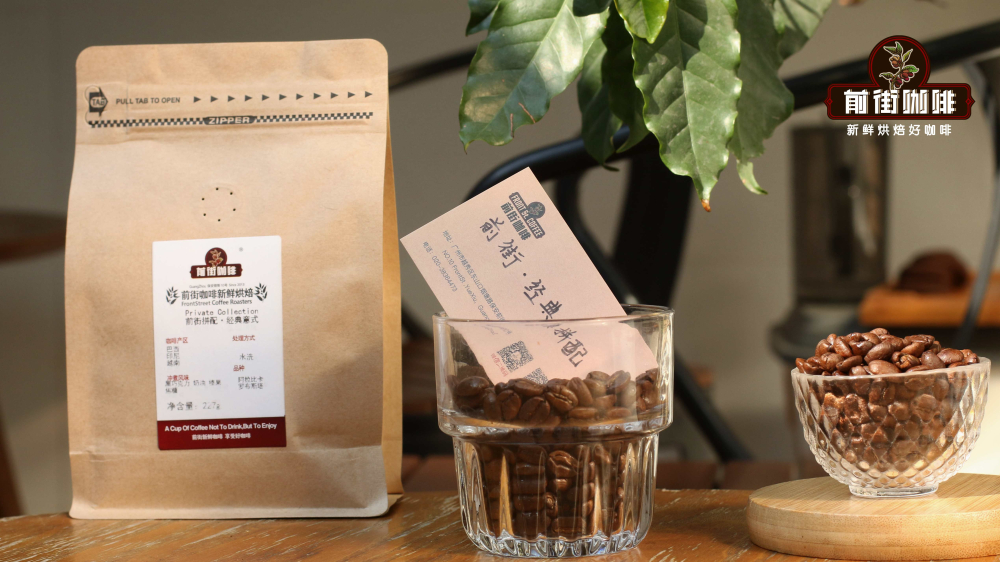
Besides adjusting the grind, selecting the right type of coffee beans is also crucial. For those who want to replicate café flavors, medium to dark roasts blends are recommended. These beans usually combine beans from different origins, designed by roasters to achieve a balanced flavor profile — not only suitable for espresso, but also for milk-based drinks like lattes and cappuccinos.
For example, a common and popular blend combination consists of Indonesian Mandheling and Brazilian beans. Mandheling brings deep spice notes and a full body, while Brazilian beans offer a mellow caramel sweetness and smooth mouthfeel. Together they complement each other to create an espresso with rich crema and noticeable sweetness. Adding a small amount of Robusta beans to the blend can further enhance crema texture and intensity — a combo loved by both professional shops and beginners.
If you prefer a milder, more balanced espresso in terms of flavor and aroma, you might choose a blend based on Yunnan small-seed variety and Brazilian Cerrado. These beans often showcase notes of nuts, caramel, and slight brown sugar, with soft acidity — perfect for those who enjoy lighter profiles, and also a top daily choice for many home users.
The process of adjusting grind size is actually one of continuous trial and calibration. It’s recommended to set clear goals before starting: what kind of extraction time do you want for your espresso? Should the flavor lean toward fruity acidity, sweetness, or richness? These questions will help guide your adjustments more effectively.
During actual operation, try to keep other variables constant, such as dose, tamp pressure, and distribution method. This ensures that the only variable is the grind size, making your judgment more accurate. A common starting point is using a 1:2 coffee-to-water ratio — that is, 20 grams of coffee grounds to yield 40 grams of espresso, with extraction time controlled between 20 to 30 seconds. If your portafilter basket recommends a 20g dose, start with 20g; if it’s an 18g basket, use 18g.
Once you’ve set your initial grind size (for example, something as fine as powdered flour), perform an extraction. If the total time exceeds 30 seconds, it means the grind is too fine — adjust the grinder about 0.5 notches coarser. If it’s under 20 seconds, the grind is too coarse and should be adjusted about 0.5 notches finer. Repeat this step until the extraction time stabilizes between 20–30 seconds.
Once the time is stable, it’s time to fine-tune using your taste buds. Take a sip of the espresso: if you notice sharp acidity, lack of aroma, or a thin mouthfeel, it usually means the grind is too coarse — you can adjust it slightly finer. Conversely, if the coffee tastes bitter, dry, or has a noticeable burnt flavor, it may be too fine and needs to be adjusted a bit coarser. By continually experimenting and noting each adjustment and its effect, you’ll gradually discover the “perfect grind setting” tailored to your taste and equipment.
In summary, adjusting the espresso grind size isn’t a one-time fix — it’s a technique that requires ongoing fine-tuning based on bean condition, environmental changes, and personal taste. Mastering the balance between coffee-to-water ratio, extraction time, and flavor feedback is the key to consistently producing rich, balanced, and layered espresso at home.
The above content is compiled by CoffeeHunters, a coffee news website.


