







Introduction:Delve into the coffee culture and regional characteristics of Brazil, the world’s largest coffee-producing country. This article focuses on the geographical environment, climate conditions, and unique flavor profiles of coffee from the Cerrado region. It also provides practical pour over brewing parameters—including water temperature, grind size, and brew ratio—to help coffee enthusiasts easily extract its classic low-acid, full-bodied flavors with notes of nuts and chocolate.
Brazil is the world’s top coffee producer, boasting a long cultivation history, diverse producing regions, and a representative grading system. This article begins with the origins of Brazilian coffee, analyzes the grade markings on green bean packaging, and compares the terroir features of six major producing areas—highlighting in particular what makes the Cerrado region unique. It also explains the flavor differences between Brazilian and Colombian coffee, and offers home pour over brewing parameters to help you easily craft a cup of Cerrado coffee with nutty, chocolatey, and creamy aromas.
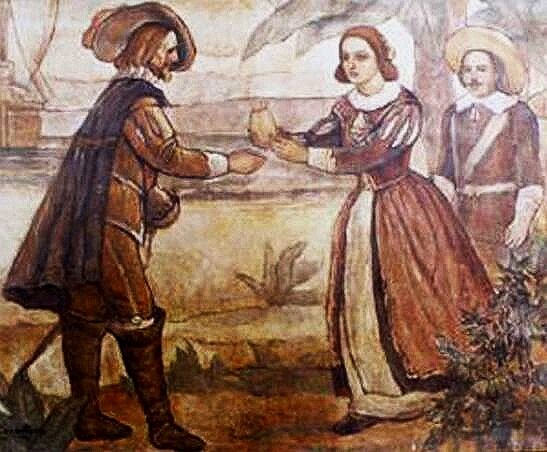
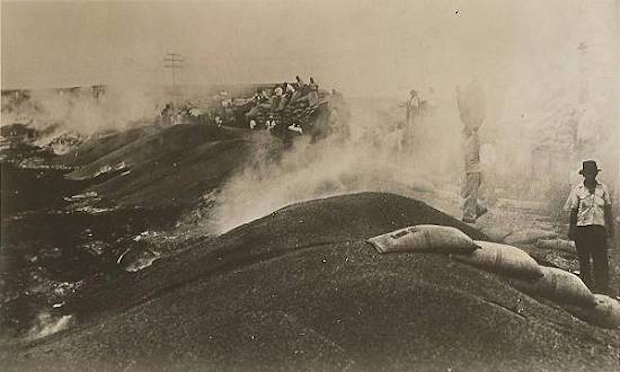
Brazil’s rise as the coffee kingdom dates back over three centuries. At that time, a Portuguese military officer, Francisco de Melo Palheta, acquired a batch of coffee seeds from the wife of the governor of French Guiana while on a mission there. Upon returning to Brazil, he successfully planted and promoted them, gradually establishing coffee cultivation in the country. In the early 19th century, Brazilian coffee production grew rapidly, accounting for 30% of the global market by 1830, rising to 40% by 1840. By 1920, around 80% of the world’s coffee came from Brazil. However, the Great Depression in the 1930s severely impacted the coffee market, causing Brazilian coffee prices to plummet and leading to massive stockpiles. Eventually, the government was forced to destroy billions of pounds of coffee beans.
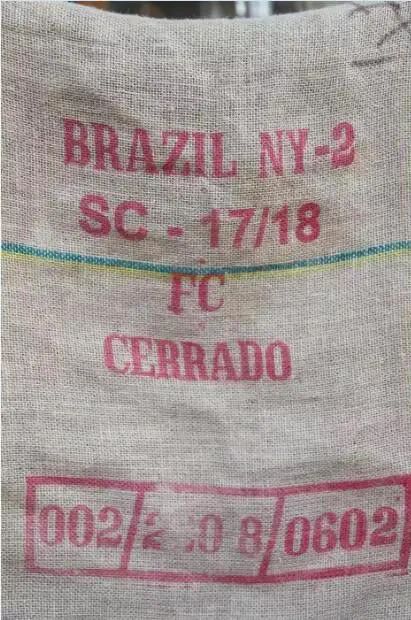
To understand Brazilian coffee, start with its green bean grading. Many consumers notice labels on sacks such as “Brazil NY.2 SC – 17/18 FC,” which is actually a key code representing coffee quality. This string can be divided into three parts: defect rate, bean size, and cup quality. The defect rate is classified into eight grades based on the number of defective beans per 300 grams of green coffee. Bean size is determined using mesh sieves measured in 1/64-inch units, with common sizes ranging from 14 to 20 mesh. Cup quality is categorized into Fine Cup (FC) and Good Cup (GC), with FC and GC being the more sought-after classifications in the market.
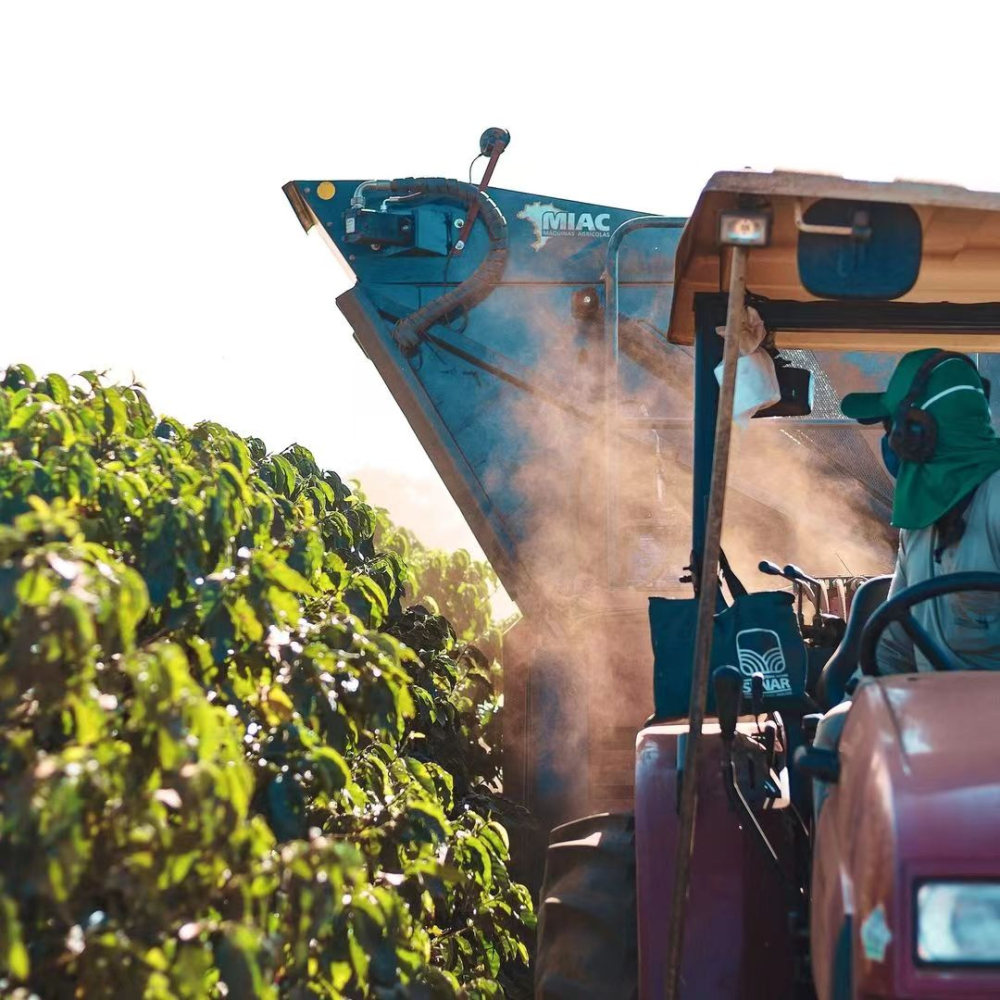
Brazil’s coffee-growing regions can be divided into six major areas: Bahia, Minas Gerais, São Paulo, Mato Grosso and South Mato Grosso, Espírito Santo, and Paraná. Among them, Minas Gerais is the most important coffee-producing state in Brazil, accounting for about 50% of the nation’s total output. Within Minas Gerais, the Cerrado region is the first to receive origin certification. Located in the central Brazilian plateau, Cerrado has an average altitude of 800 to 1,300 meters, along with a dry and stable climate—wet summers and dry winters—that is highly suitable for coffee cultivation.
Other regions also have their own unique features. For instance, the Bahia region began growing coffee in the 1970s, gradually emerging with its combination of high-tech farming techniques and premium varieties. The Mogiana region in São Paulo is known for its red soil and moderate altitude. Espírito Santo mainly produces Robusta, which tends to have higher acidity and distinct fruitiness. Mato Grosso and South Mato Grosso have relatively flat terrain and are mostly used for livestock, resulting in lower coffee output. Paraná, the southernmost coffee-producing region in Brazil, has a cooler climate where coffee cherries ripen more slowly, aiding in flavor accumulation.
Comparing Brazilian and Colombian coffee, both are major producers of Arabica beans but deliver distinctly different flavor profiles. Colombia’s varied terrain and high-altitude environment typically yield coffee with rich chocolate notes and jammy sweetness, offering complex layers of flavor. In contrast, Brazilian coffee is often processed via the natural (sun-dried) method, allowing coffee cherries to ripen quickly under ample sunlight, resulting in its characteristic soft bean traits: low acidity, full body, and flavors of nuts and caramel. Some consumers may prefer the smooth mouthfeel and sweetness of Brazilian coffee, while others favor the bright acidity and vibrant fruitiness of Colombian coffee.
If you’d like to try brewing Cerrado coffee at home, the pour over method is recommended to fully highlight its full-bodied character with nutty and chocolatey notes. Suggested parameters are as follows: use 15 grams of coffee grounds with a 1:15 brew ratio, control the water temperature at around 88°C, and aim for a medium-coarse grind that allows 75% of the particles to pass through a 20-mesh sieve. A Kono filter cone is recommended, along with a three-stage pouring technique. First, pour 30 milliliters of hot water for a 30-second bloom. Next, pour 100 milliliters in a circular motion from the center outward. Once the water level drops slightly, add the final 95 milliliters. The total brew time should be around 2 minutes to achieve a balanced and full-bodied pour over coffee.
In summary, the Cerrado region of Brazil stands out in the global coffee market thanks to its stable production, unique geographical and climatic conditions, and classic low-acid, full-bodied flavor profile. Whether you’re a coffee novice or a seasoned enthusiast, understanding its regional background and suitable brewing methods will help you better appreciate the unique charm of this classic coffee.
The above content is compiled by CoffeeHunters, a coffee news website.


