







Introduction:To successfully brew a balanced and flavor-concentrated shot of espresso at home, mastering the coffee-to-water ratio, grind size, and extraction time is key. This article not only introduces the standard 1:2 coffee-to-water ratio and common parameter settings, but also delves into how to adjust grind size based on flow rate, and shares practical tips to help you fine-tune according to actual extraction conditions. Even beginners can gradually dial in their own perfect shot of espresso.
Brewing a smooth and flavorful shot of espresso at home hinges on controlling several core elements: coffee dose, coffee-to-water ratio, grind size, and extraction time. Among these, the coffee-to-water ratio is the most frequently discussed variable. Generally speaking,1:2 is the most widely accepted industry reference standard—that is, using 9 grams of coffee grounds to extract about 18 grams of espresso (single shot). For a double shot, it’s 18 grams of coffee to 36 grams of liquid. However, these numbers are not absolute; in practice, you still need to make micro-adjustments based on the beans’ condition that day and your extraction performance.
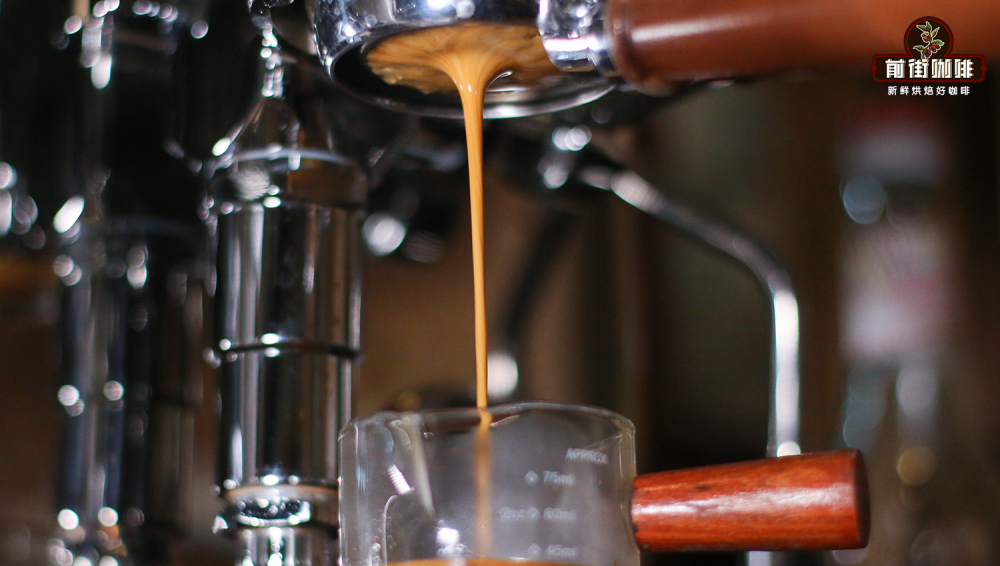
In addition to the coffee-to-water ratio, the grind size of the coffee grounds is also a major factor influencing extraction results.The most straightforward way to assess this is by observing the extraction flow rate: if the coffee flows out too quickly, it likely means the grind is too coarse, and you should adjust your grinder to a finer setting; conversely, if the flow is too slow or even sluggish, it indicates the grind is too fine, and you should make it coarser. The goal is to achieve an extraction time within a reasonable range—generally recommended between 25 to 30 seconds—so as to fully bring out the aroma and layered flavors of the coffee.
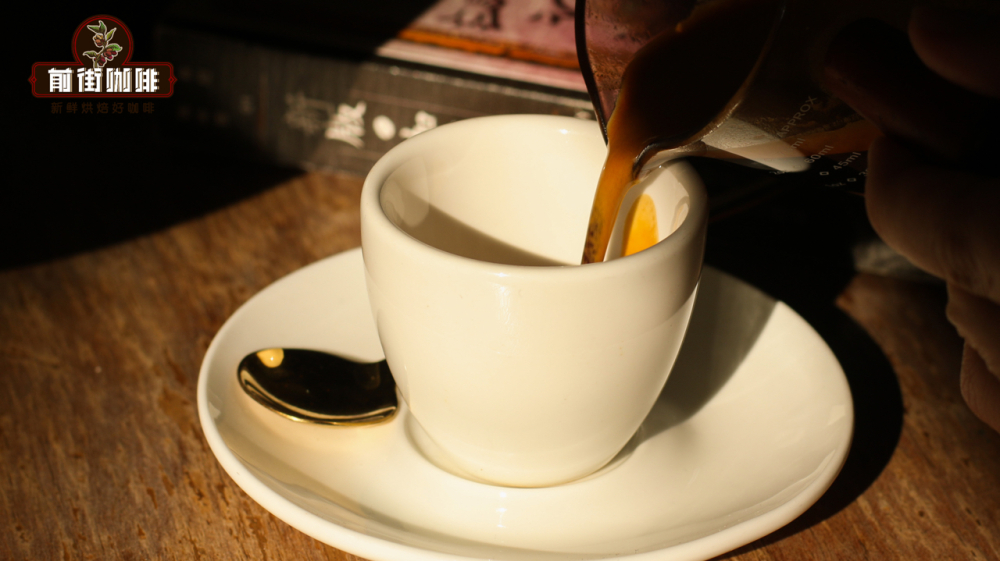
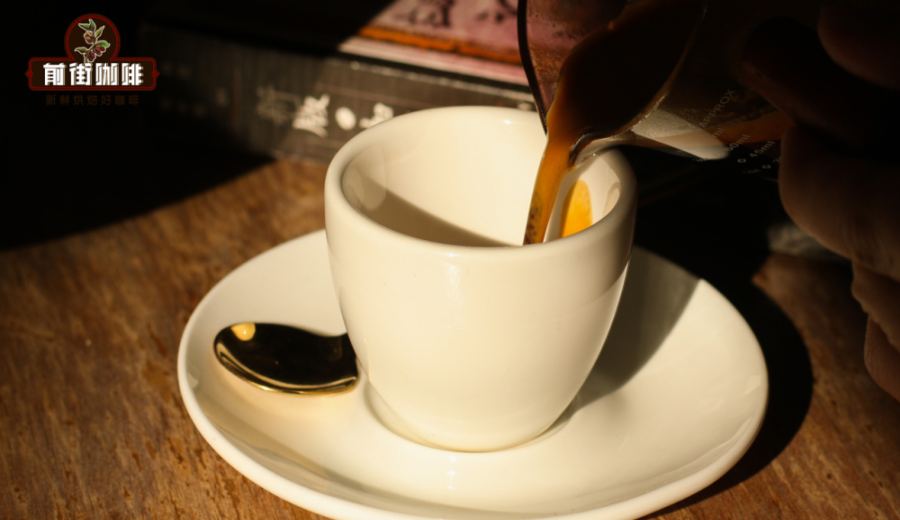
Espresso refers to a concentrated coffee liquid that is quickly extracted under high pressure and high temperature using a professional espresso machine with extremely finely ground coffee. This brewing method extracts a rich array of flavor compounds from the coffee, resulting in a beverage with intense aroma, a heavy mouthfeel, and a layer of golden crema.
Because espresso itself has an extremely concentrated flavor and provides a relatively intense taste stimulation, in most coffee shops, it is usually served in the smallest portion. However, a well-brewed shot of espresso is not only the base for many classic coffee beverages such as lattes, cappuccinos, and flat whites, but also an important indicator of a café’s technical skill and the quality of its beans. It can be said that without a stable shot of espresso as the foundation, it’s difficult for other derived drinks to achieve their ideal performance.
Additionally,choosing the right coffee beans has a significant impact on the espresso extraction outcome. Light-roasted beans may have bright acidity, but in the high-pressure environment of espresso extraction, acidity can be amplified, leading to an overly sharp and unbalanced taste. Therefore, it’s recommended to use medium to dark roasted blends. These beans not only offer a richer and more balanced flavor, but also provide more stable extraction performance, helping to present the richness and layered complexity that espresso should have.
In actual extraction, different bean varieties, ambient humidity, or even daily temperatures can all affect grind size and coffee-to-water ratio performance, so these parameters are not set in stone. Generally, the common range for coffee-to-water ratio is 1:1.5 to 1:2.5, with 1:2 being the most classic and recommended starting point. For example, using 20 grams of coffee grounds can yield 40 grams of espresso. If you find the resulting shot lacks flavor or has a weak finish, you might consider increasing the ratio—such as 1:2.2 or 1:2.5—to extract more liquid. Conversely, if the coffee tastes overly intense, with noticeable burnt bitterness or astringency, you can lower the ratio to reduce the liquid yield and adjust to a more balanced point that suits your taste.
As for adjusting grind size, the most practical method is to observe flow rate and extraction time. If the coffee flows out too quickly, it means there is too little resistance as water passes through the coffee bed—usually due to a grind that’s too coarse. In this case, adjust the grinder to a finer setting until the extraction time reaches the ideal range of 25 to 30 seconds. If the flow is too slow, with the coffee dripping out laboriously or taking over 35 seconds, it indicates the grind is too fine, and you should adjust to a coarser grind to avoid over-extraction, which can lead to bitterness and dryness. It’s worth noting that espresso grind size is much finer than that used for pour over or French press, so when making adjustments, it’s advisable to tweak just one notch at a time to prevent unstable extraction caused by overly large changes.
Overall, using 20 grams of coffee grounds, following a 1:2 coffee-to-water ratio, extracting 40 grams of liquid under 9 bar of pressure, and keeping the extraction time around 30 seconds is a highly classic and practical reference setup. Of course, this set of parameters can be flexibly adjusted based on personal taste preferences, bean characteristics, or daily extraction conditions. As long as you understand the relationship between dose, ratio, grind, and time—and accumulate experience through hands-on practice—you’ll gradually be able to find your own optimal extraction combination and enjoy espresso with a professional-level flavor brewed right at home.
The above content is compiled by CoffeeHunters, a coffee news website.


