







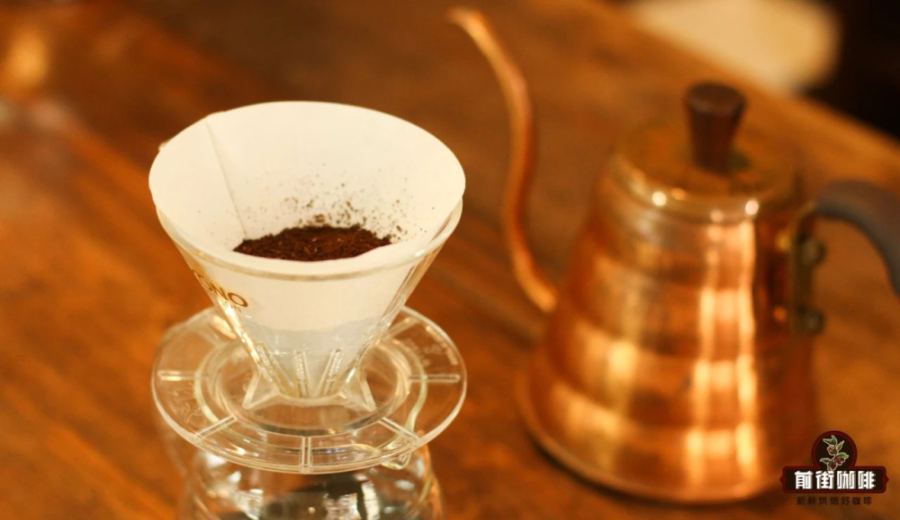
Introduction:While "pour over coffee" has a unified term in the Chinese-speaking world, in English it goes by various names such as pour over, hand drip, and filter coffee—each with its own specific context and emphasis. This article not only explains the differences among these English terms but also delves into the historical origins of pour over coffee, essential beginner equipment, filter dripper selection, and offers practical single-origin coffee bean recommendations along with a three-step pouring technique to help newcomers establish a stable and bright extraction foundation.
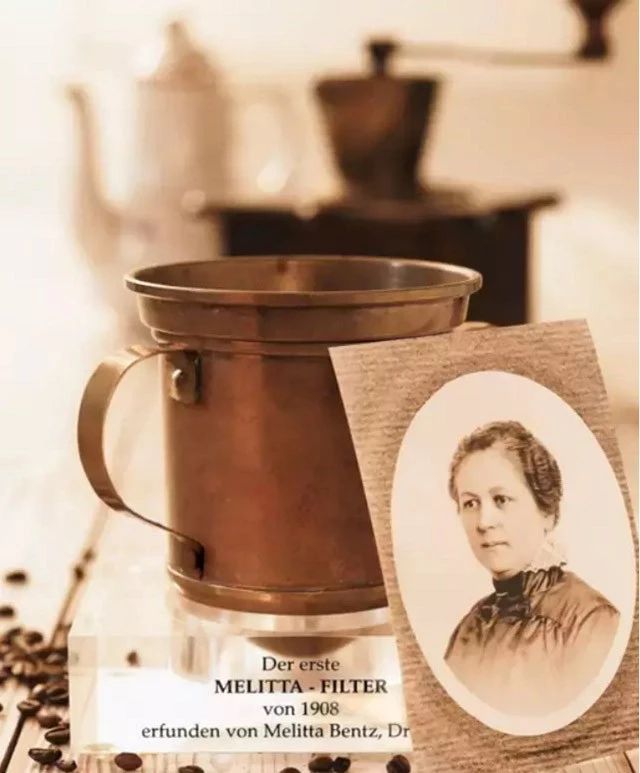
In everyday Chinese usage, "pour over coffee" generally refers to a method of brewing coffee by using tools like a dripper and a gooseneck kettle to extract coffee grounds through pouring water. Its most distinctive feature is the use of paper filters or other filtering materials to trap coffee grounds on the dripper, allowing only clear coffee liquid to drip through. The prototype of this brewing method is said to have originated from a German lady named Melitta, who disliked the gritty texture of coffee grounds in her brew. On a whim, she combined her son’s blotting paper with a perforated copper pot to create the first-ever filtering device resembling modern drippers, successfully brewing a clean, grit-free cup of coffee.
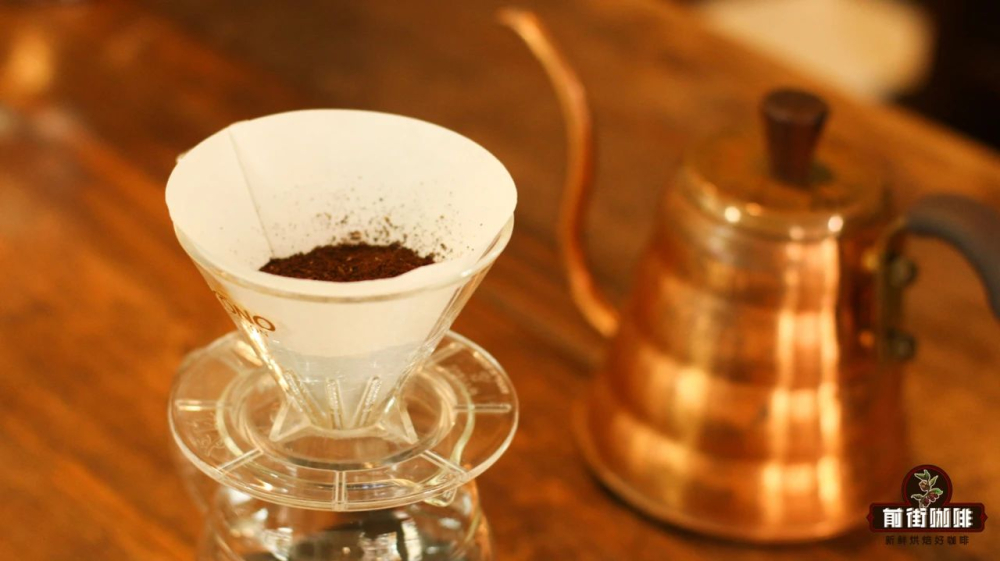
With the rise of specialty coffee culture, pour over has transitioned from being a skill reserved for professional baristas to becoming a common practice among home coffee enthusiasts. However, although we all refer to it as "pour over coffee" in Chinese, in the English-speaking world it is expressed in multiple ways, such as pour over coffee, hand drip coffee, and filter coffee. Each term emphasizes slightly different aspects, and understanding these differences can help you search for information more accurately or communicate better with the international coffee community.
To get started with pour over coffee, you first need to gather basic equipment: a gooseneck kettle, dripper, server, grinder, filter paper, digital scale, and thermometer—as well as, of course, a pack of freshly roasted coffee beans. These tools may seem simple, but each one affects the final flavor. Among them, the dripper and filter paper not only filter out coffee grounds but also absorb some of the oils, resulting in a cleaner and crisper coffee taste. Many coffee shops prefer using drippers like the V60 or KONO—the former is well-suited for light roasts, while the latter pairs better with medium to dark roasts, highlighting different flavor profiles.
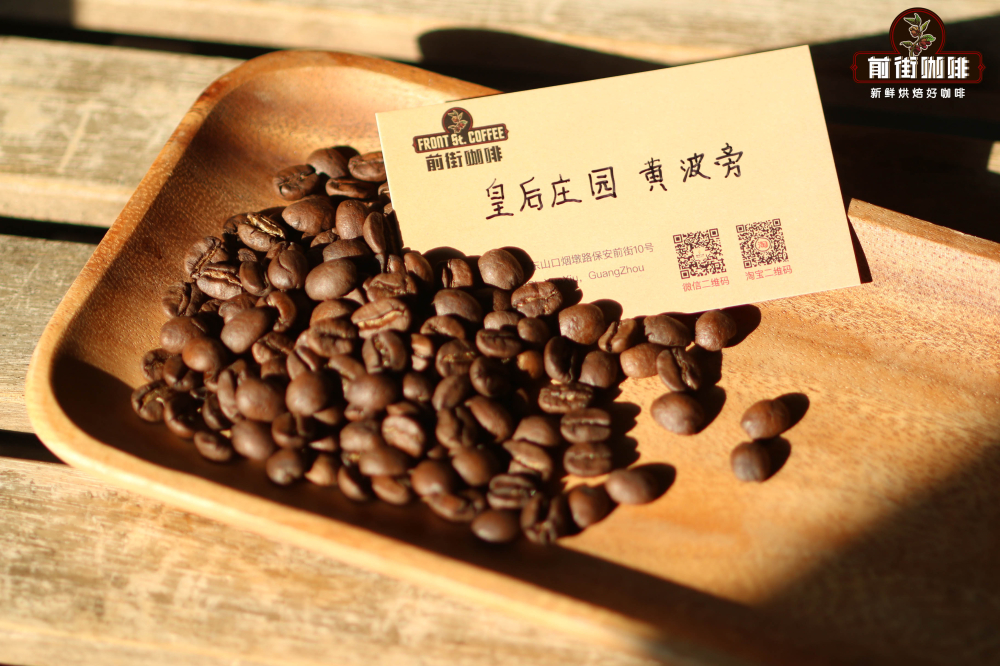
For beginners selecting coffee beans, it’s recommended to start with high-value-for-money and easy-to-drink single-origin beans. For example, Yellow Bourbon from Brazil Queen Estate offers a sweet and stable flavor, making it ideal for newcomers practicing their brewing skills. Ethiopian Yirgacheffe, known for its bright acidity and floral notes, is a top choice for those who enjoy pronounced acidity. Additionally, beans like Panama Geisha Huila (often referred to as the “people’s Geisha”) offer rich complexity at an affordable price and are definitely worth trying. Costa Rica Strawberry and Colombia Huila are also notable for their distinct floral-fruity or full-bodied profiles, catering to different taste preferences.
The success of pour over coffee hinges on controlling several key parameters: coffee-to-water ratio, grind size, water temperature, and extraction time. A commonly recommended ratio is 1:15—for instance, using 15 grams of coffee beans with 225 grams of hot water. Before starting the actual pour, it’s advisable to thoroughly wet the filter paper with hot water. This not only helps the filter adhere to the dripper but also preheats the equipment and rinses away any potential paper taste. Then, place the coffee grounds into the dripper and adjust the water temperature based on the roast level of the beans: around 90–92°C for light roasts, and lowered to 88–89°C for dark roasts, to achieve optimal extraction.
Grind size is equally crucial. For pour over, a medium-fine grind is generally recommended—with about 80% of particles passing through a 0.85mm standard sieve. Too coarse a grind can lead to under-extraction and a weak flavor, while too fine may cause over-extraction, resulting in bitterness and off-flavors. Additionally, it’s recommended to use a digital scale to precisely measure both coffee and water weights, along with a thermometer to ensure stable water temperature, so as to achieve consistent and flavorful extractions.
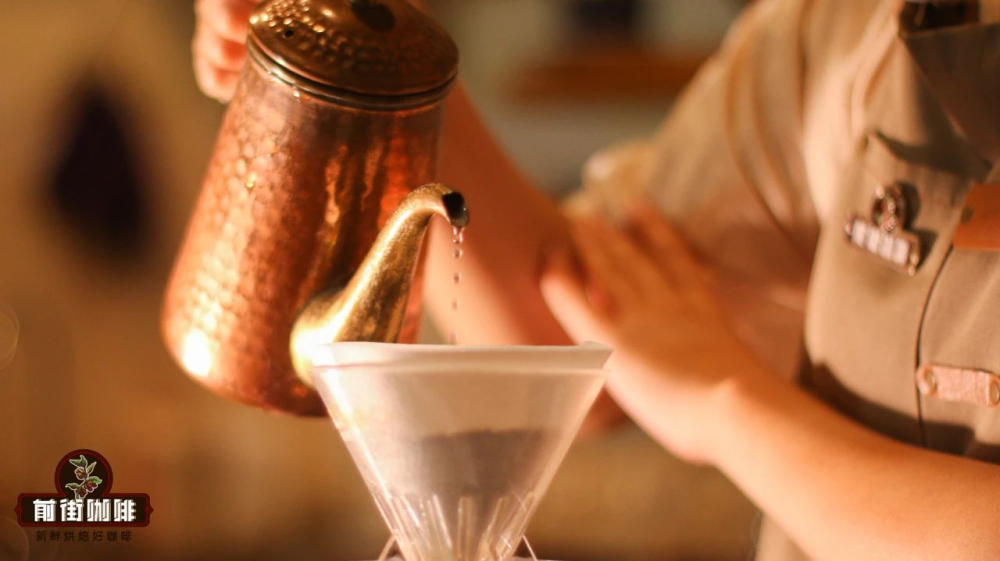
The actual pour over process can be divided into a three-stage pouring technique: First is the bloom phase, where about 30 grams of hot water is poured and allowed to sit for 30 seconds to let the coffee grounds fully expand and release CO₂, setting the stage for subsequent extraction. The second stage involves pouring up to 125 grams, waiting until the coffee liquid level drops to about halfway down the dripper. Finally, pour up to a total of 225 grams and allow it to fully drain, with the entire extraction process ideally completed within 2 minutes. This method not only highlights the coffee’s multi-layered flavors but also ensures a balanced taste and a clean aftertaste.
In summary, the charm of pour over coffee lies in its high degree of controllability and expressive flavor. Whether you’re a complete beginner or an experienced coffee enthusiast, as long as you master equipment selection, bean characteristics, and extraction parameters, you can easily brew a cup of specialty coffee with your own personal touch at home. Remember, every small adjustment deepens your understanding of flavor—and is part of the joy in the coffee brewing journey.
The above content is compiled by CoffeeHunters, a coffee news website.


