







Introduction:Jamaican Blue Mountain coffee is hailed as the "Emperor of Coffee," yet few truly understand its value. This article will take you deep into the legally defined growing regions of Blue Mountain No.1, the CIB grading system, the characteristics of the Typica variety, as well as the differences between washed and natural processing methods. It also provides detailed green bean analysis, roasting profiles, cupping data, and practical pour-over brewing guidelines to help you fully grasp the allure and key identifying traits of this top-tier coffee.
When it comes to world-renowned specialty coffees, Jamaican Blue Mountain is definitely on the list. But while many know it commands a high price, few understand why. This article will systematically introduce this "Emperor of Coffee" through its historical origins, legally defined growing regions, the CIB grading system, varietal traits, differences in processing methods, as well as complete cupping and pour-over parameters—so you can truly appreciate the value of Blue Mountain No.1 and learn how to identify authentic Blue Mountain coffee.
Jamaica’s connection to coffee dates back to the early 18th century. In 1717, King Louis XV of France encouraged coffee cultivation in the region. By the 1720s, then-Governor Sir Nicholas Lawes introduced Arabica seeds from Martinique, first promoting cultivation in the Saint Andrew area before expanding into the Blue Mountains. Based on altitude, local coffee is divided into three main categories: Jamaican Blue Mountain (high altitude), High Mountain coffee, and regular Jamaican coffee. Among these, Blue Mountain stands out due to its superior altitude and terroir, and its price far exceeds the others.
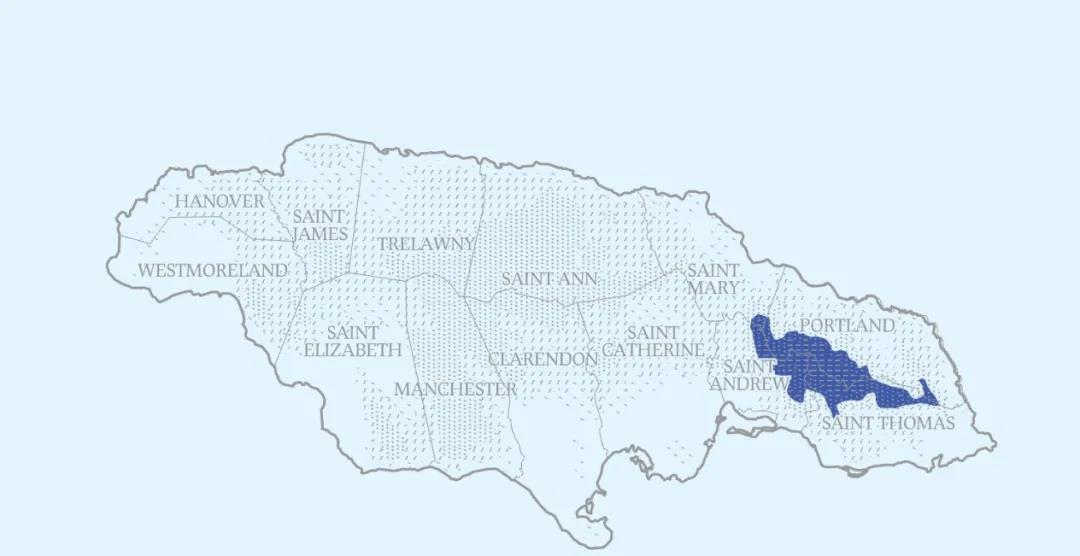
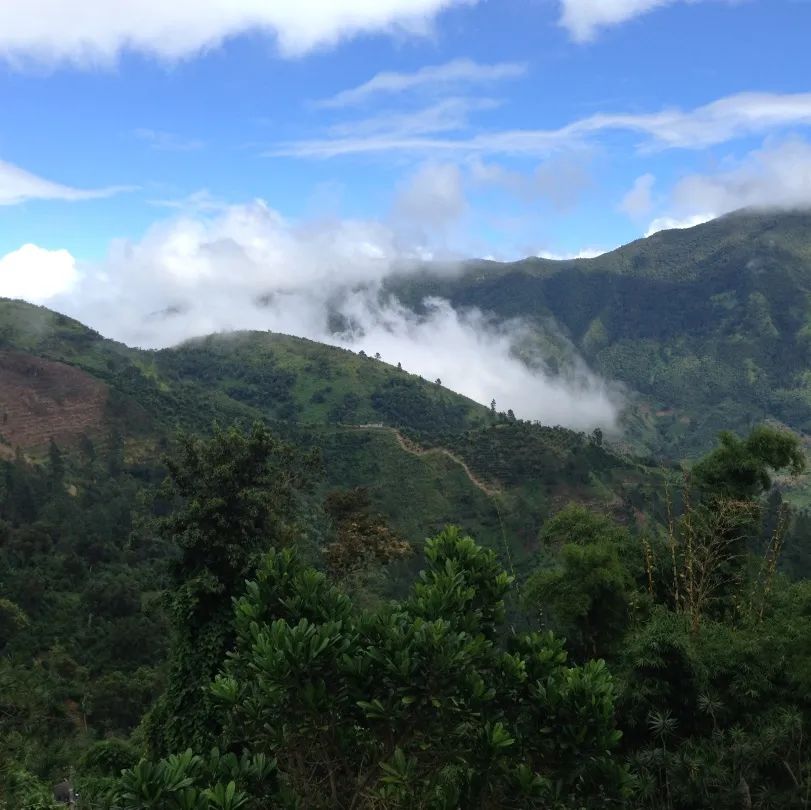
The Blue Mountain range is located in the eastern part of Jamaica, with altitudes ranging between 1,000 and 1,700 meters—a height range that is ideal for growing specialty coffee globally. The mountains, surrounded by the Caribbean Sea, reflect a blue hue at their summits when sunlight shines on the ocean, hence the name "Blue Mountain." This region not only boasts fertile volcanic soil and fresh air but also enjoys abundant rainfall and a stable misty environment, with an annual precipitation of about 1,980 mm and an average temperature around 27°C, creating the unique flavor foundation of Blue Mountain coffee.
According to Jamaican government regulations, only coffee grown within the legally defined Blue Mountain region can be called "Blue Mountain coffee." These regions include four main administrative districts in the east: Saint Andrew, Saint Thomas, Saint Mary, and Portland. Coffee farms within these areas must meet the altitude standard of 1,000 to 1,700 meters and pass strict quality control to be labeled as Blue Mountain No.1 grade.
The Jamaica Coffee Industry Board (CIB) is the country’s sole official coffee regulatory body, under the Ministry of Agriculture and Fisheries. It is responsible for setting cultivation technical standards, providing processing training, promoting fair trade, and strictly ensuring coffee quality. The CIB stipulates that only coffee beans grown at altitudes above 2,200 feet (approximately 670 meters) within the Blue Mountain region and meeting specific bean size and defect rate standards qualify as Blue Mountain coffee. Among them, Blue Mountain No.1 is the highest grade, requiring a bean size of 17/18 mesh, a defect rate below 3%, and a moisture content of about 13%.
Jamaican Blue Mountain coffee is divided into four grades, ranked from highest to lowest quality as follows: No.1, No.2, No.3, and Peaberry (PB). Among these, No.1 is the top grade, featuring large and uniform beans with minimal defects, balanced and layered flavors, and outstanding performance in acidity, sweetness, bitterness, and body. It is widely recognized as a premium coffee in the market. Specifically:
- No.1: Beans 17/18 mesh, defect rate ≤2%
- No.2: Beans 16/17 mesh, defect rate ≤2%
- No.3: Beans 15/16 mesh, defect rate ≤2%
- Peaberry (PB): 10MS, defect rate ≤2%
The primary variety planted in Jamaican Blue Mountain is Typica. This variety was introduced from Martinique in the 1720s and, after more than two centuries of adaptation, has developed stronger disease resistance, particularly against local diseases like coffee berry disease. However, Typica is extremely particular about its environment and it is very difficult to replicate the same flavor profile outside of Jamaica. The new leaves of this variety are bronze-colored, the beans are oval or slightly slender and pointed, the plants are tall, and the angle between branches and the main stem is about 50–70 degrees. In terms of flavor, it is known for being delicate and balanced, but it has relatively low yield and less disease resistance compared to some modern varieties.
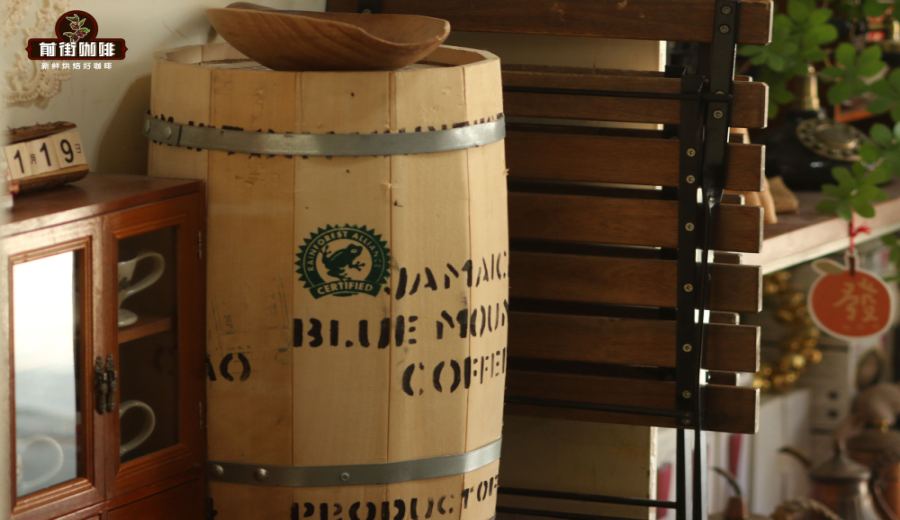
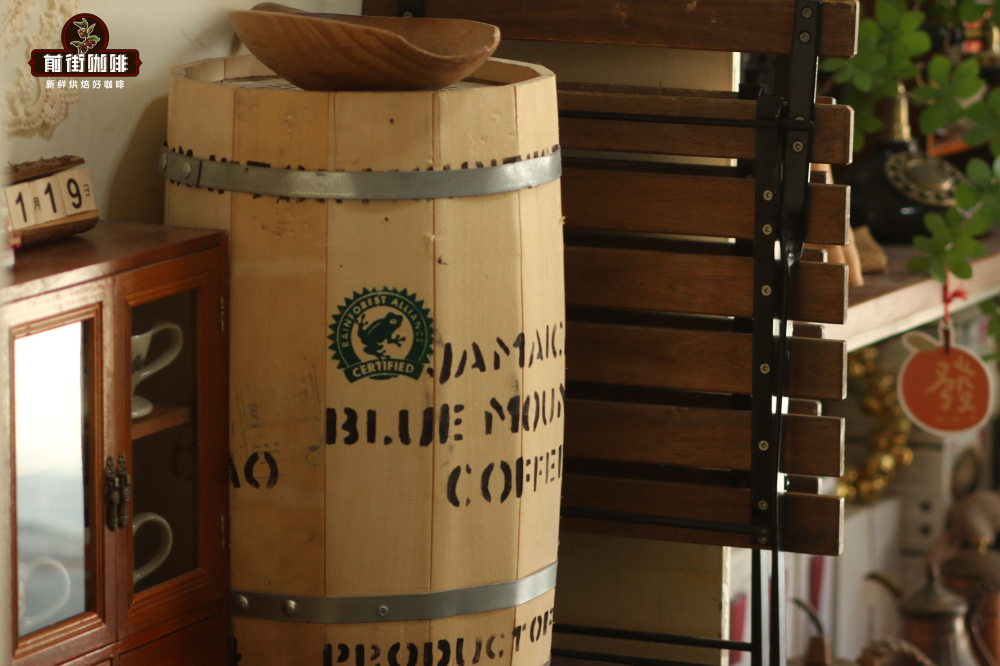
When it comes to identifying genuine Blue Mountain No.1, there are two main points: First, confirm whether the beans are exported by a nationally designated export company; second, observe whether the green beans are packaged in wooden barrels—Blue Mountain is the only producing region in the world that still uses wooden barrels as containers for green beans. Additionally, consumers often have two misconceptions: one is mistaking beans whose flavors have been adjusted through dark roasting to resemble Blue Mountain as the real thing; the other is assuming all Blue Mountain coffee has long been monopolized by Japan. In fact, in recent years, a significant amount of Blue Mountain coffee has entered the Chinese market through legitimate channels. As long as you choose the right source, you can still enjoy the genuine product.
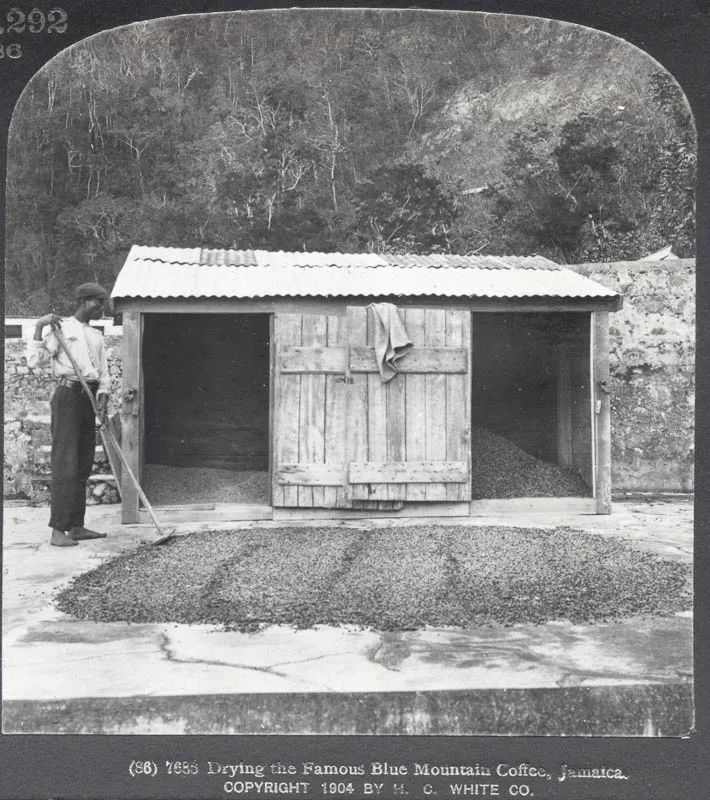
In terms of processing methods, Clifton Estate, the only Rainforest Alliance-certified farm in the Blue Mountain region, has long primarily used the washed method. The washed process includes removing the pulp and flesh, fermenting for 12 to 18 hours, washing to remove the mucilage, and finally drying the beans still wrapped in their parchment to a moisture content of 12% to 14%. In 2020, the estate first experimented with the natural (sun-dried) method for some Blue Mountain beans—an uncommon practice in rainy Jamaica, as the Blue Mountain harvest season heavily overlaps with the rainy season. The natural process requires higher labor costs and stricter environmental controls, but it can also deliver different flavor profiles.
Observing the appearance of green beans, both washed and natural batches of Blue Mountain beans are plump and oval-shaped, slightly flattened, with both ends slightly upturned—characteristic features of the Typica variety. The difference lies in that natural beans appear yellowish-green with more silver skin, while washed beans appear bluish-green with less silver skin, as the washing process makes it easier for the silver skin to separate from the bean and be removed.
In terms of roasting, taking washed Blue Mountain as an example, the recommended roasting curve is as follows: when the roaster reaches 170°C, drop the beans with the air vent set to 3; about 1 minute later, adjust the heat to 140°C, keeping the air vent unchanged. At 5 minutes 10 seconds, when the beans turn yellow and the grassy aroma fades, reduce the heat to 115°C and set the air vent to 4. At 8 minutes, when wrinkles and dark spots appear on the bean surface—signs of first crack approaching—pay close attention. At 8 minutes 12 seconds when first crack begins, adjust the heat to 90°C and fully open the air vent, finally dropping the beans at 201.3°C to preserve its delicate acidity, sweetness, and aromatic layers.
For cupping data, it is recommended to cup within 8 to 24 hours post-roast. Use a 200 ml ceramic cupping bowl, with water temperature controlled at 94°C. The grind size should be 70% to 75% passing through a #20 sieve, with a brew ratio of 1:18.18 (11 grams of coffee to 200 ml of water), and a steeping time of 4 minutes. According to cupping results, the dry aroma of washed Blue Mountain features notes of roasted peanuts, hazelnuts, melon, and chocolate; the wet aroma presents layers of oolong tea, caramel, honey, and almonds; the flavors are dominated by roasted nuts, chocolate, almonds, melon, and honey, with balanced acidity, sweetness, and bitterness, good body, and an overall clean and layered profile.
Finally, for pour-over enthusiasts, we recommend using a Kono filter, with 15 grams of coffee, a brew ratio of 1:15, and a medium-coarse grind (75% passing through a #20 sieve). The pour-over steps are suggested as follows: start with a 30-second bloom using 30 grams of water, then pour 100 grams of water in small circles from the center outward. Once the coffee bed has settled halfway, switch to a larger stream and pour 65 grams of water, reaching a total of 195 grams. After the coffee has fully drained, remove the filter. Total brew time is approximately 1 minute 50 seconds. This brewing method yields a Blue Mountain coffee with distinct dark chocolate and nut flavors, bright acidity, balanced body, and a clean, long-lasting finish.
The above content is compiled by CoffeeHunters, a coffee news website.


