







Introduction:As one of the representative brewing methods of specialty coffee, pour over has diverse and often confusing English expressions. This article delves into the differences among terms such as pour over, hand drip, systematically introduces the basic equipment setup including filter cones and grinders, explains in detail key extraction parameters such as coffee-to-water ratio, water temperature, and grind size, and recommends five entry-level single-origin beans from major producing regions to help you explore the layers of coffee flavor within a reasonable budget.
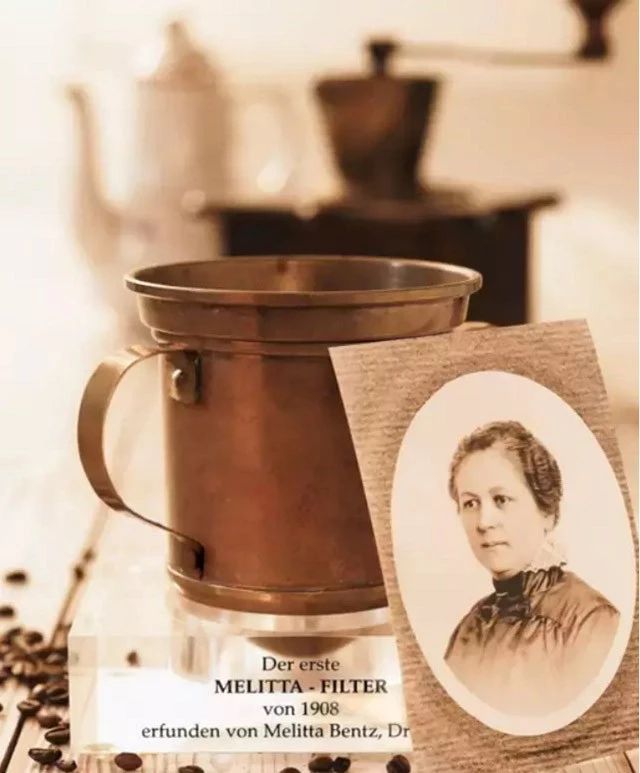
Pour over coffee is the most common brewing style in the specialty coffee world, but its English name varies — pour over, hand drip, and filter coffee each have their own historical backgrounds. This brewing method, which uses a filter cone paired with a pour over kettle and separates coffee grounds through filter paper, can be traced back to Germany’s Frau Melitta. Dissatisfied with coffee grounds mixing into her drink, she combined her son’s blotting paper with a perforated copper pot to create the first simple filtration device, giving birth to the prototype of modern pour over coffee.
Nowadays, pour over coffee has become popular worldwide, but in Chinese it is uniformly called “手衝咖啡” (literally, “hand pour coffee”), while its corresponding English terms vary greatly. Pour over emphasizes the action of pouring water, hand drip focuses on manual dripping, and filter coffee is a general term for all filtered coffee. Understanding these terminological differences helps facilitate more precise communication about brewing techniques.
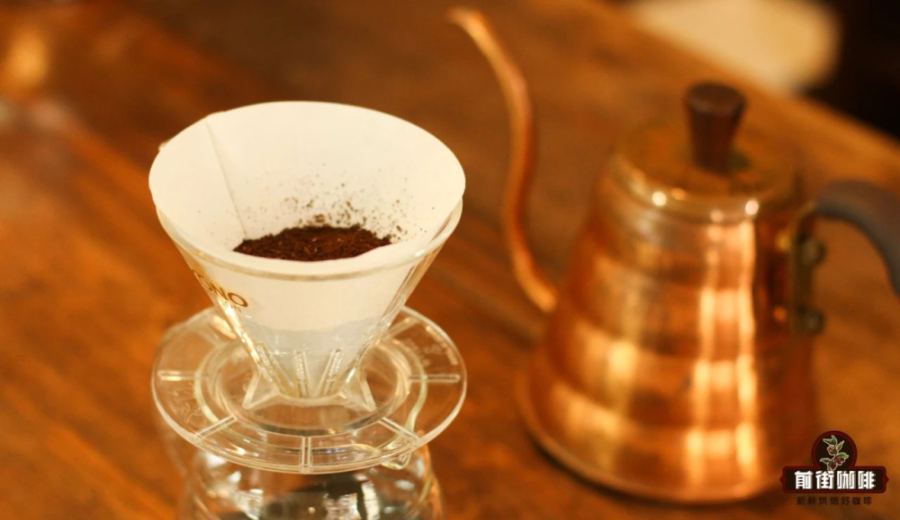
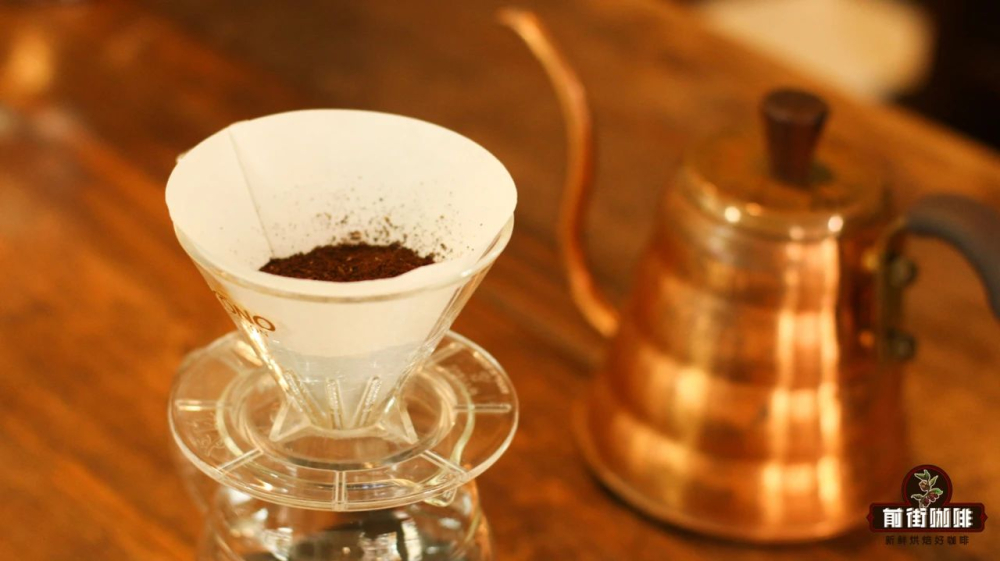
To prepare a basic pour over setup, you will need: a pour over kettle, a filter cone such as V60 or Kono, a server, a grinder, filter paper, an electronic scale, and a thermometer, along with freshly roasted coffee beans. The filter cone and filter paper not only trap coffee grounds but also absorb some oils, resulting in a cleaner and crisper taste. Professional baristas usually choose the filter cone based on roast level — light roasts suit the flow rate characteristics of V60, while dark roasts are better matched with the heat retention properties of Kono.
Controlling brewing parameters is key to flavor. It is recommended to use an electronic scale for accurate measurement:Coffee-to-water ratio of 1:15(e.g., 15 grams of coffee to 225 milliliters of water),Water temperature rangeadjusted according to roast level — light roasts use 90–92°C, while dark roasts are lowered to 88–89°C. Grind size is based on an 80% extraction rate through a standard 0.85mm sieve, equivalent to medium-fine. Too coarse a grind may lead to under-extraction, while too fine may cause over-extraction and bitterness.
The standard brewing process consists of three pouring phases: first, use a small amount of hot waterto bloom for 30 seconds(about 30 grams of water) to awaken the coffee grounds and release carbon dioxide; then pour up to the 125-gram water level, wait until the coffee liquid drops by half; finally, pour up to the total water volume of 225 grams, with the whole process taking around 2 minutes. These parameters apply to most single-origin beans, and beginners can fine-tune flavor by adjusting grind size and water temperature.
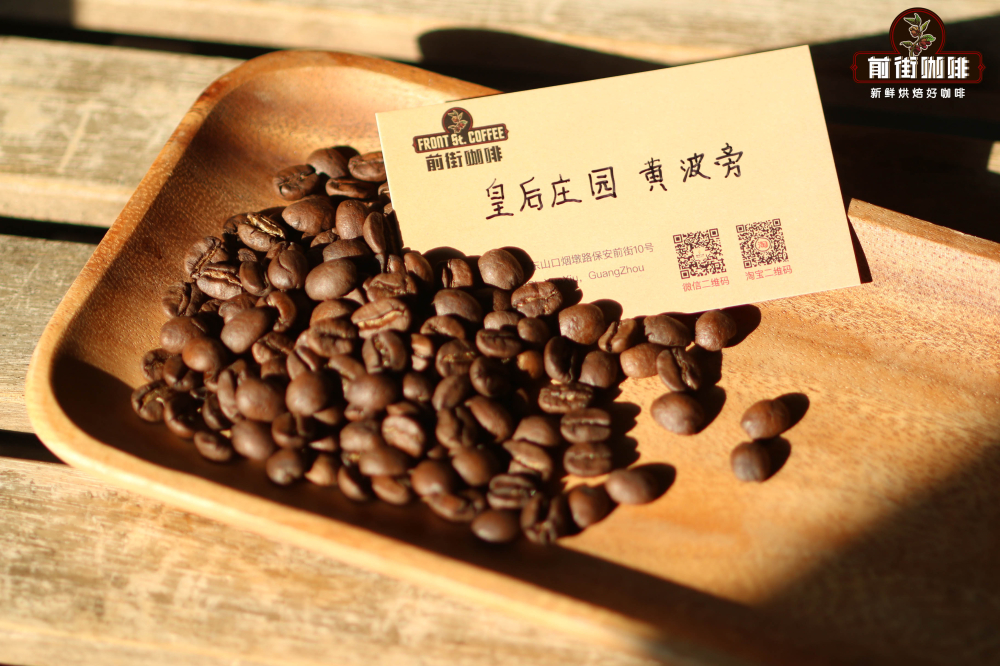
For beginners, the following five entry-level beans from major producing regions are recommended for exploration:Brazil Queen Estate Yellow Bourbon(prominent sweetness, great value for money),Ethiopia Yirgacheffe(classic citrus acidity, ideal for those who love sour notes),Panama Geisha (aka "Flower Butterfly")(balanced floral and fruity profile, hailed as the “people’s Geisha”),Costa Rica Strawberry Candy(bright floral and fruity tones),Colombia Huila(rich nutty profile, suitable for those preferring a fuller body). These beans all exhibit distinctive regional characteristics and are affordably priced, making them ideal choices for building a flavor foundation.
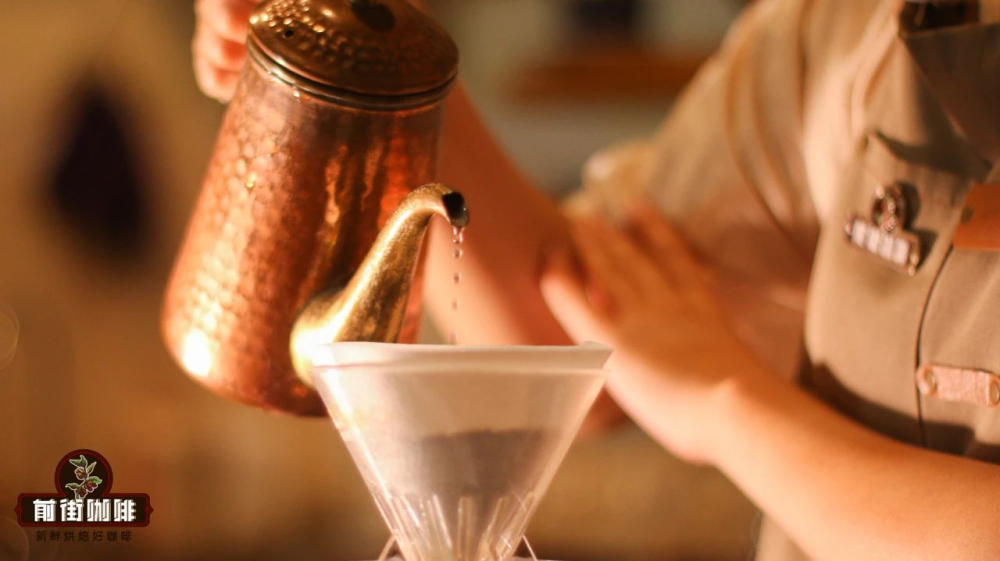
The choice of filter cone directly affects extraction efficiency. The spiral ribs of V60 accelerate water flow, highlighting bright acidity and layered flavors; the flat bottom design of Kono extends contact time, bringing out a richer body. Regardless of which equipment you use, the step of wetting the filter paper and ensuring it adheres to the cone should not be skipped, as this effectively prevents any papery taste that might affect the coffee’s purity.
After mastering the basic parameters, you can try fine-tuning variables: for example, increasing water temperature to enhance extraction, reducing grind size to improve flow, or adjusting the water volume at each stage to alter flavor balance. Record each brew’s parameter combination to gradually identify your preferred flavor direction.
The above content is compiled by CoffeeHunters, a coffee news website.


