







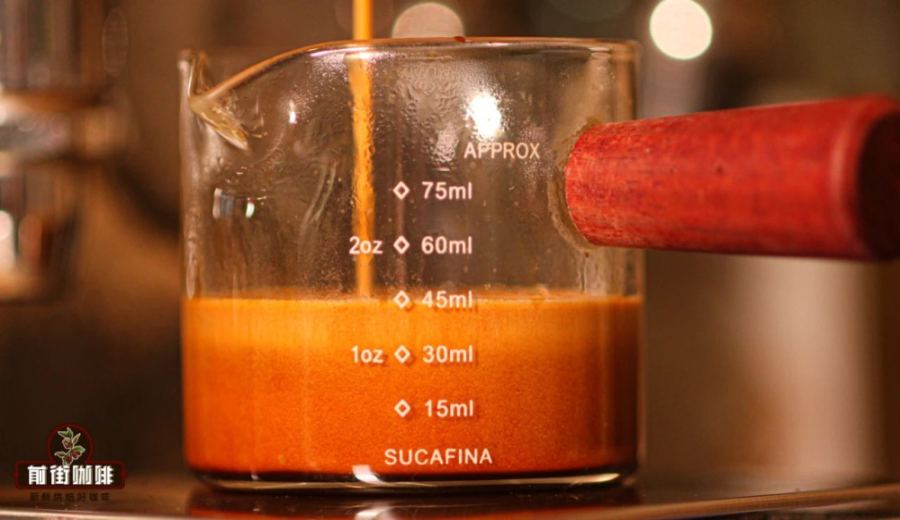
Introduction:Espresso is not only an essential base for many classic coffee beverages but also an art of drinking that emphasizes fine details. This article will delve into the core components of espresso: golden crema, coffee oils, and soluble flavor compounds, while exploring the principles and key parameters of high-pressure extraction. From brew ratio and temperature control to tasting suggestions, it provides a comprehensive guide to correctly enjoying this rich and bold coffee, uncovering its delicate aromas, textures, and aftertastes.
Espresso is commonly found in various milk-based coffees such as lattes and cappuccinos, but it is also a black coffee worthy of careful savoring on its own. Many people, upon their first encounter with espresso, are often struck by its intense flavor and unique layer of crema, even wondering: how exactly should one drink this small, bitter, and strong beverage? What exactly should one taste in it?
In fact, a high-quality espresso is not just “bitter” — it is a comprehensive experience that combines texture, aroma, aftertaste, and clear flavors. To truly appreciate its charm, one must first understand its structural composition.
First isCrema,the golden to brownish foam that floats on the surface of the coffee. It is one of the most recognizable characteristics of espresso. When carbon dioxide produced during the roasting process of coffee beans meets high-pressure extraction, it interacts with the insoluble oils in the coffee to form a fine, dense layer of foam.The image 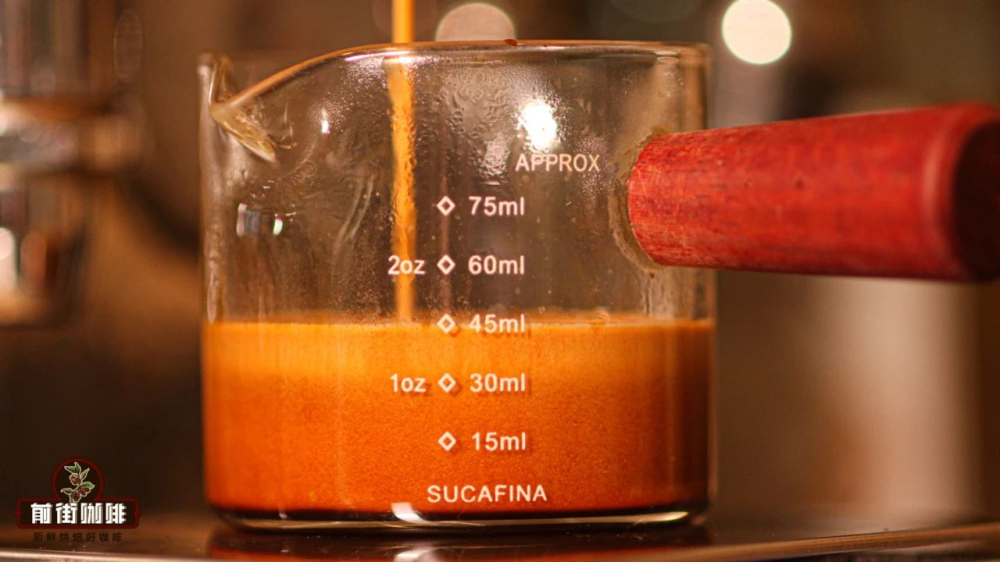 shows the captivating appearance of this crema layer.。
Under professional machines (such as those using 9 bar of pressure), water contacts the coffee grounds under extremely high pressure, preventing the natural release of carbon dioxide. Instead, the gas dissolves into the liquid and emulsifies some of the coffee fats. This emulsification not only forms the golden crema layer but also gives the coffee a velvety texture and a rich, full-bodied feel.
Next isCoffee Oil,a thin layer of floating oil located just beneath the surface of the coffee liquid and just under the crema. These oils actually come from the natural oils and sugars in the coffee beans. Especially under appropriate roasting conditions, sugar molecules begin caramelizing at around 190°C, producing subtle sweetness and complex layers of aroma.
Finally, there arethe Soluble Substances in Coffee,which are the various flavor compounds—acids, sweetness, bitterness, etc.—extracted from the coffee beans. Generally, about 30% of a coffee bean is made up of soluble substances, while the remaining 70% consists of insoluble fibers. During the espresso extraction process, these substances are released in sequence: acids first, then sweetness, and finally bitterness. Therefore, mastering the extraction time and brew ratio is crucial for achieving balanced flavors.
To brew an ideal shot of espresso, one must not only understand its composition but also precisely control the extraction parameters. Taking the popular “Sunshine Blend” as an example, this blend composed of 70% Honduran whiskey barrel-aged beans and 30% Ethiopian sun-dried red cherry beans offers an excellent balance of a rich base and bright fruity acidity.
During the roasting process, the roaster employed a method of gradually reducing the heat to ensure even development of each coffee bean. Starting at a drum temperature of 210°C with the air damper set to 4 and heat at 200, the turning point occurred around 1 minute and 30 seconds at approximately 92°C. Then, at 140°C, the air damper was adjusted to 6, and the bean surface gradually turned yellow as grassy notes faded, entering the drying phase. At 180°C, the heat was reduced to 10, and the air damper was opened to the maximum of 10 until 9 minutes and 30 seconds, when the bean surface began to show irregular wrinkles and dark spots, entering the pre-first crack stage. Finally, 10 minutes and 38 seconds after the start of first crack, with a 3 minute and 40 second development period, the beans were dropped at 197.5°C, completing this multi-layered blend.
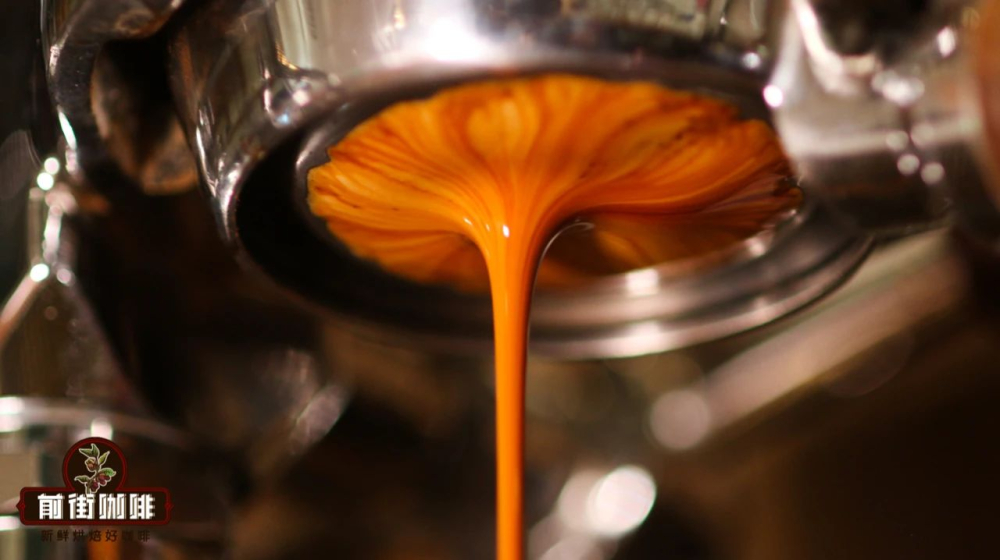
When brewing this blend, it is recommended to use a double shot dose of 20g of coffee, with an extraction time controlled between 20 to 30 seconds, aiming for an output of 40ml. Maintain stable extraction pressure at 9 bar, with a suggested water temperature range of 90.5°C to 96°C. This approach fully releases the aroma and flavor compounds from the beans, resulting in a smooth texture, moderate body, along with distinct berry notes, chocolate flavors, and subtle hints of alcohol, all followed by a clean and sweet aftertaste.
When you have a freshly brewed espresso, you’ll typically see a thick layer of crema on the surface. As time passes, the soluble substances inside the coffee gradually separate into layers. For a more complete and balanced flavor experience, it is recommended to gently stir the coffee to mix the layers evenly. This not only enhances the release of aromas but also helps you avoid an overly intense initial bitterness, making it easier to appreciate the balance of acidity and sweetness as well as the nuanced aftertaste.
So, what exactly are we tasting when we drink espresso? Unlike pour over coffee, the flavors of espresso are more concentrated, and the window for flavor expression is shorter—it often reaches your palate before you can discern the changes across high, medium, and low temperature phases. Therefore, we should focus more on its texture, layered mouthfeel, shifts in aroma, and the duration of aftertaste, while also capturing those subtle details like clear fruitiness, chocolate, or wine-like notes.
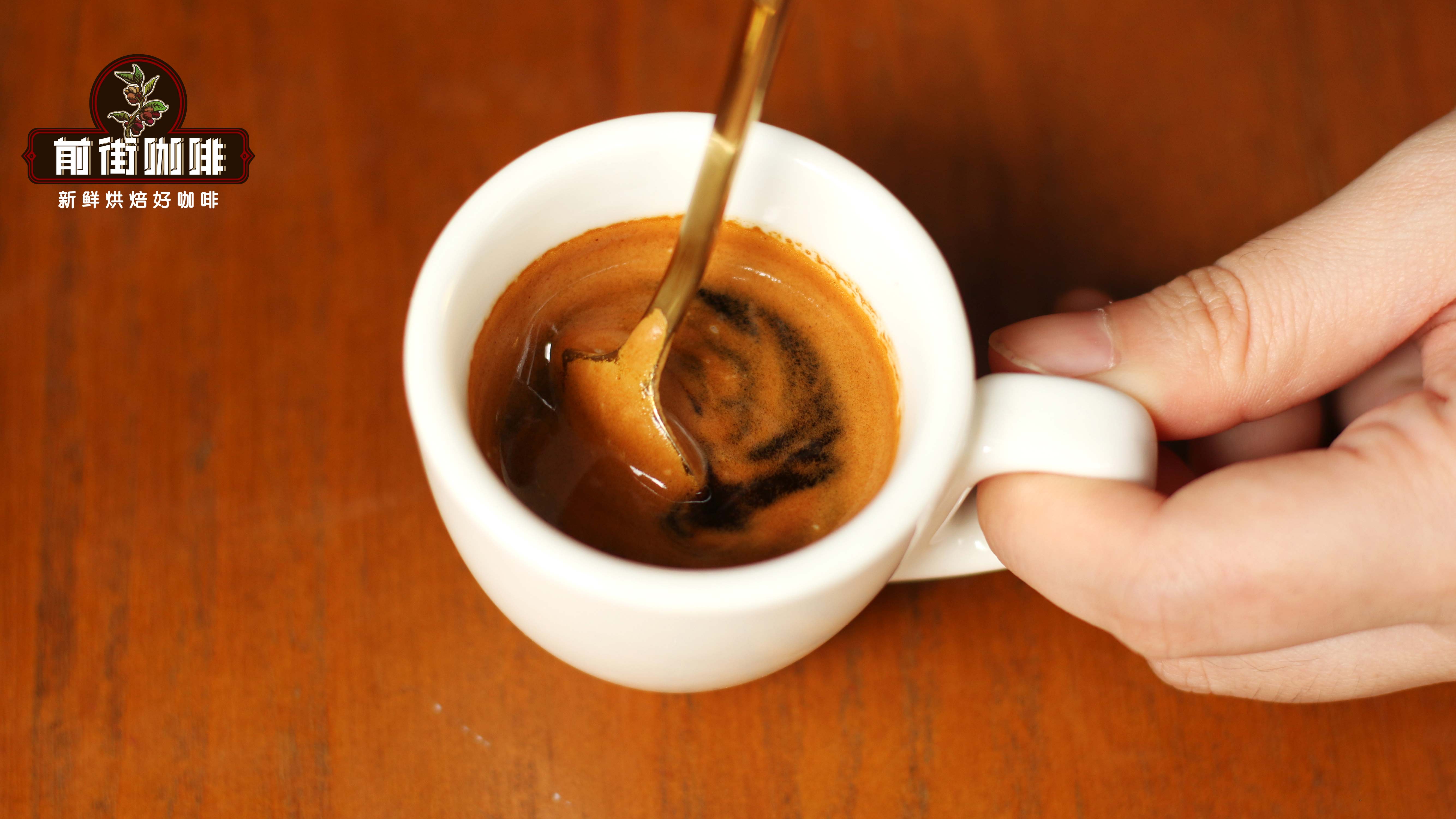
In summary, a good espresso is not just about intensity and bitterness—it combines the silkiness of crema, the multi-layered aromas, and the delicate balance of acidity, sweetness, and bitterness. Mastering the correct way to enjoy it not only enhances the pleasure of drinking coffee but also helps you better understand the craftsmanship and details behind each cup.
The above content is compiled by CoffeeHunters, a coffee news website.


