







Introduction:Espresso is both an entry challenge for many coffee enthusiasts and a technical benchmark for professional baristas. Understanding the correct way to taste it can help you uncover the layers of caramel, nuts, and chocolate in your shot. This article starts with the extraction principles and crema formation, guiding you through the three steps of aroma, appearance, and taste, while also analyzing the effects of adding milk or water in common drink variations. Additionally, it delves into the regional characteristics, roasting strategies, and actual brewing performance of two classic Italian espresso blends, helping you understand what you’re drinking and choose wisely.
Espresso has long been regarded as the soul of coffee—intense and concentrated. Many people are initially put off by its strong flavor. However, with the right tasting approach, you can appreciate its rich layers of nutty, caramel, and chocolate notes. This piece begins with the extraction process, detailing the aromatic features of espresso and the science behind crema (coffee foam) formation. It then walks you through the sensory steps of smelling, observing, and tasting, while also exploring how common modifications like adding milk or water alter the flavor profile.
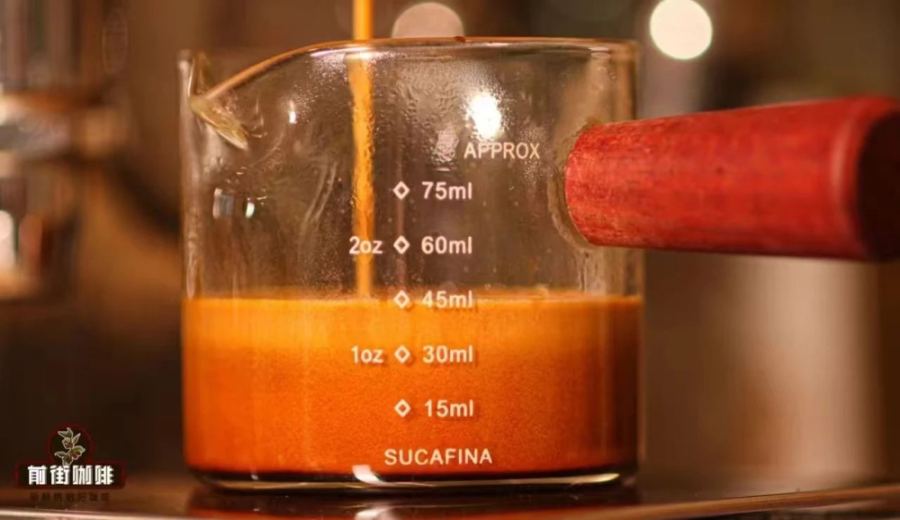
Right after extraction, a beautiful golden layer of foam floats on the surface of freshly brewed espresso—this is what we call crema. The formation of this crema mainly comes from the high-pressure environment of 9 bars during extraction: hot water, driven by pressure, passes through the coffee grounds, not only extracting water-soluble flavor compounds but also emulsifying the natural oils and fats from the beans, forming a delicate foam layer. Additionally, freshly roasted coffee beans are rich in carbon dioxide, which dissolves into the liquid under high pressure, contributing to the texture and stability of the crema.
How do you properly taste a shot of espresso? It’s recommended to start with your sense of smell—lean in close to the cup’s rim and take in the aroma profile. Common scents include nuts and caramel, and if the roast is lighter, you might detect subtle fruity acidity. Next, observe the color and thickness of the crema, as these two features are often key indicators of a successful extraction. Ideal crema should appear amber-gold to dark brown, with a fine, dense texture and good persistence.
When actually tasting, since a shot of espresso is quite small, many people first take a sip of ice water to cleanse their palate, then drink the espresso in one go, letting it unfold on the tongue to fully experience its creamy texture and bold notes of caramel and nuts. If the original flavors feel too intense, you can also try adding a small amount of milk. This softens the taste, reduces bitterness, and makes the caramel and chocolate tones more pronounced.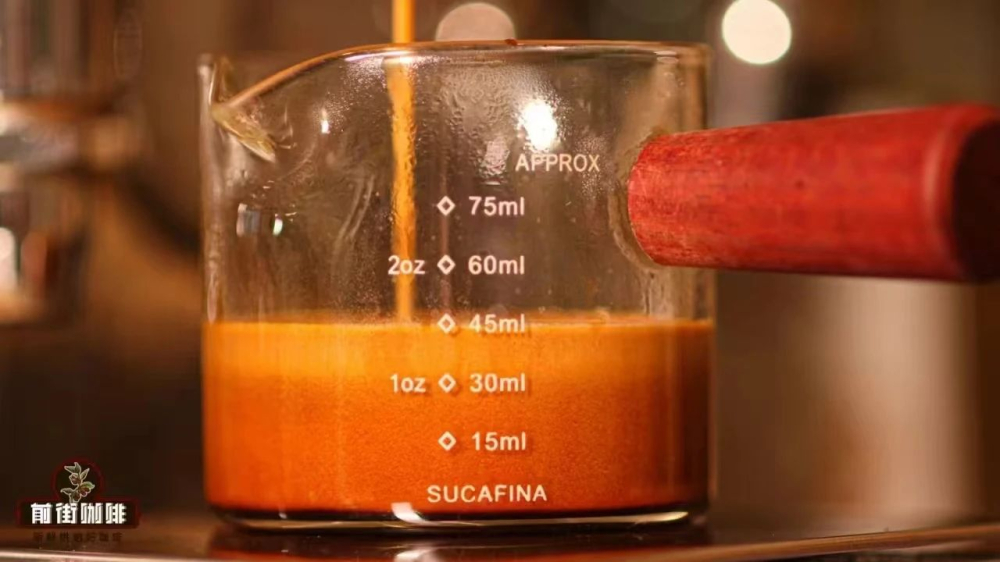 If you prefer a more approachable version, you can also dilute it with a suitable amount of water, but be aware that this will significantly weaken the original character and complexity of the espresso.
When choosing a blend, different regional and varietal combinations directly affect the final flavor profile of the espresso. Take a classic Italian specialty blend, for example. A common recipe combines beans from Colombia’s Huila region and Brazil’s Cerrado region. The former typically offers rich aromas of nuts, chocolate, and caramel, making it a solid flavor backbone for the blend; the latter, due to its moderate altitude and mostly semi-washed processing method, provides gentle bitterness and sweetness along with stable body. Roasting is usually done at a medium level to bring out caramelization without excessive bitterness.
Colombia’s Huila region is located in the southwest of the country, with altitudes generally ranging between 1500 and 1800 meters. The main varieties grown here include Bourbon and Caturra, most of which are processed using washed methods. Coffee beans from this region are usually denser with plump beans. Although some areas still have room for infrastructure improvement, the coffee produced here generally exhibits strong mouthfeel and rich aromatic layers, with moderate acidity and noticeable sweetness, making it very suitable as a base for Italian blends with nutty and cocoa notes. Brazil’s Cerrado region produces coffee with slightly lower altitude and softer beans, so temperature control during roasting is particularly important to avoid scorching the bean surface and creating bitter notes. Some roasters opt for medium heat when dropping the beans and fine-tune the flame after the drying phase based on the first crack, ensuring a more complete caramelization process and thus producing a smooth base tone with a hint of grassiness.
As for commercial blends, a common strategy is to incorporate a certain percentage of Robusta beans to enhance the crema richness and overall intensity of the espresso. The Robusta variety naturally has higher caffeine content (about 2.2%) and more chlorogenic acids, which often result in a distinctly bitter and woody flavor profile with low acidity. However, when blended with Arabica, it can create a balanced bitterness and intense notes of caramel, cocoa, and dark chocolate. With appropriate grind size and extraction parameter adjustments, such blends can produce espresso with long-lasting aftertaste, rich crema, and distinct layered flavors—ideal for making classic Italian-style drinks like lattes and cappuccinos.
The above content is compiled by CoffeeHunters, a coffee news website.


