







Introduction:Delve into the origins of Yunnan’s small-grind coffee and the characteristics of the Typica variety, from the historic seeds of 1892 to the optimal growing conditions of today’s Baoshan region. This article will analyze the botanical features of the Typica variety, its suitable altitude range and climate requirements, and provide a detailed explanation of its brewing performance in terms of aroma, sweet-acid balance, and aftertaste. It will help coffee enthusiasts choose the right brewing method to experience the charm of its classic flavor.
Typica, one of the oldest varieties of Arabica coffee alongside Bourbon, is highly regarded by coffee professionals and enthusiasts for its pure genetic lineage and delicate, elegant flavor profile. Among the many producing regions, Yunnan stands out as an ideal place for growing Typica due to its high-altitude mountainous terrain and unique microclimates of dry-hot valleys, especially in the Baoshan area, where the Typica produced is widely praised for its consistent quality.
Dating back to 1892, a French missionary, wishing to enjoy coffee locally in Yunnan, planted the first Typica coffee seeds in Zhukula Village, Binchuan County, Dali Prefecture. This not only marked the beginning of coffee cultivation in the Yunnan region but also made this small village one of the birthplaces of Chinese coffee culture. To this day, Zhukula Village still retains many old coffee trees, some of which are over eighty years old, bearing witness to this long history of coffee cultivation.
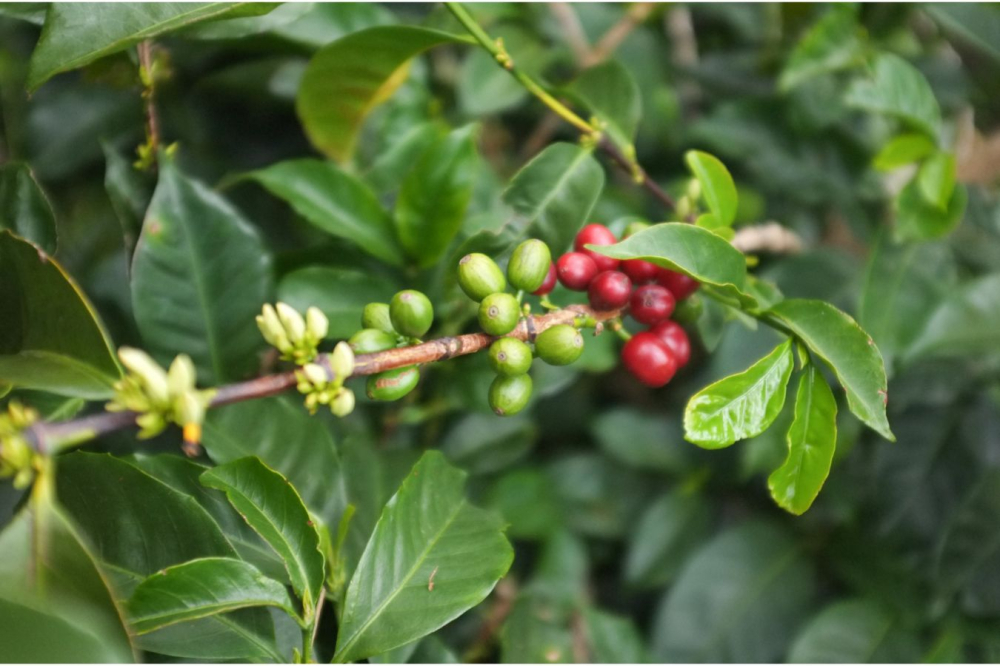
Yunnan small-grind coffee is referred to as "small-grind" mainly because its beans are relatively small and delicate in appearance. This type of coffee is mostly grown in dry-hot valley areas at altitudes of around 1100 meters. Such elevation provides moderate day-night temperature differences and ample sunlight, allowing the coffee to accumulate rich flavor compounds during growth without becoming overly acidic or astringent due to excessive altitude, nor overly intense and heavy due to too low an altitude. These environmental conditions give Yunnan small-grind coffee its unique style of balanced sweet-acid notes, fragrant aroma, and round, smooth mouthfeel.
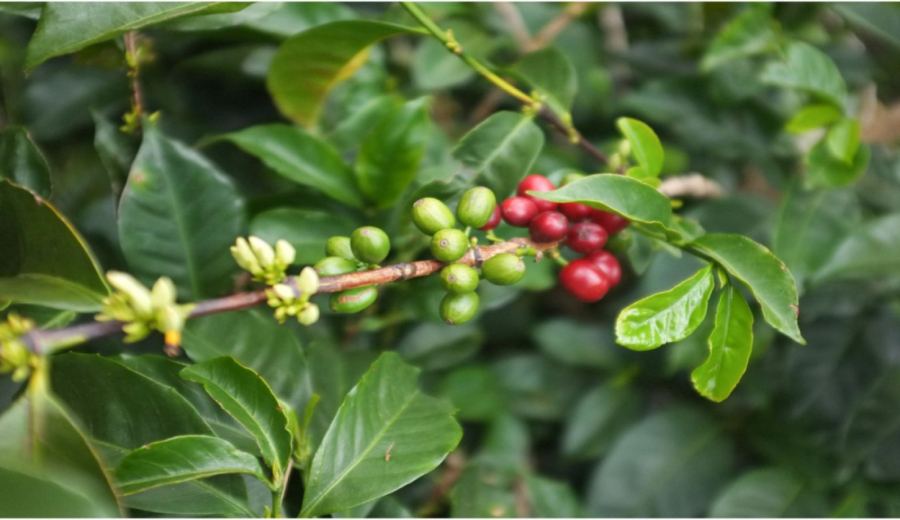
The Typica variety itself has distinct botanical characteristics: its branches grow distinctly upward, and newly sprouted leaves often have a coppery sheen, which is one of the key visual traits for identifying the Typica variety. In addition, Typica coffee beans are slender and pointed in shape, and when roasted, they exhibit a layered aroma with pronounced fruitiness but an overall restrained and elegant flavor profile. However, due to its pure genetic makeup, it has weaker resistance to common diseases such as leaf rust and relatively lower yield per unit, thus requiring more meticulous field management and care.
For coffee enthusiasts who enjoy trying pour-over or filtered brewing methods, the 2013 vintage Yunnan Typica is a classic choice worth experiencing. These coffee beans benefited from the clean air and suitable microclimate at high altitudes during cultivation, and their natural fruity sweetness and aroma were fully preserved through the natural sun-drying processing method. Combined with a medium roast level, the final brewing performance presents the mellow sweet-acid notes of dried apricots, delicate nutty undertones, and a soft, lingering brown sugar sweetness, with a tea-like refreshing aftertaste.
In terms of actual brewing recommendations, this coffee is suitable for various common filtered brewing methods such as pour over, cold brew, siphon, or drip bags. If choosing pour over, it is recommended to use a medium-fine grind (close to the size of granulated sugar), with water temperature controlled between 90–92°C, and to employ a multi-pour extraction technique—starting with a small amount of hot water for blooming, then gradually expanding the pour area—to ensure even extraction and reduce the risk of over-extraction. For those trying the flavor of Yunnan Typica for the first time, adjusting the coffee-to-water ratio (suggested 1:15 to 1:16) can help find the ideal balance between richness and freshness that suits personal taste.
In summary, Yunnan small-grind coffee, with its unique geographical environment and the elegant genetics of the Typica variety, demonstrates flavor potential that rivals that of internationally renowned coffee-growing regions. Whether you are a beginner looking to understand the characteristics of coffee varieties or a seasoned enthusiast seeking fresh brewing experiences, tasting this historically and regionally significant coffee is a great way to explore the unique coffee culture of Yunnan.
The above content is compiled by CoffeeHunters, a coffee news website.


