








Introduction:Struggling to get the grind-to-water ratio right when brewing espresso at home? This article delves into the golden extraction parameters for espresso, from portafilter capacity limitations to the science behind the 1:2 brew ratio, helping you understand the relationship between flow rate and flavor release. We also take a detailed look at the blend ratios, flavor profiles, and ideal use cases of four popular espresso blends, along with expert-tasting tips to help you elevate your extraction experience from basic parameters to flavor perception.
To successfully brew a balanced and rich espresso at home, the grind-to-water ratio is undoubtedly one of the most critical variables. It not only affects extraction efficiency but also directly influences the final flavor profile. This article will approach the topic from a practical perspective, explaining why espresso often uses blends, how portafilter specifications limit dose choices, why the 1:2 brew ratio is considered ideal, and the specific impact of too much or too little coffee on flow rate and taste. We’ll also fully analyze four commonly available espresso blends on the market, covering their formulations, flavor characteristics, and recommended user types to provide a comprehensive guide for bean selection and brewing.
Espresso is a concentrated coffee liquid extracted under high pressure in a short period of time. Compared to single-origin coffee, which emphasizes the detailed expression of origin and processing methods, espresso focuses more on the overall balance and intensity of flavors. Because high-pressure extraction amplifies the inherent characteristics of the beans—such as the citrus acidity of Yirgacheffe or the heavy bitterness of Indonesian Mandheling—using beans from a single origin can easily lead to imbalance. Therefore, most espressos opt for multi-origin blends to harmonize the strengths and weaknesses of different beans, creating a smoother and more layered flavor profile.
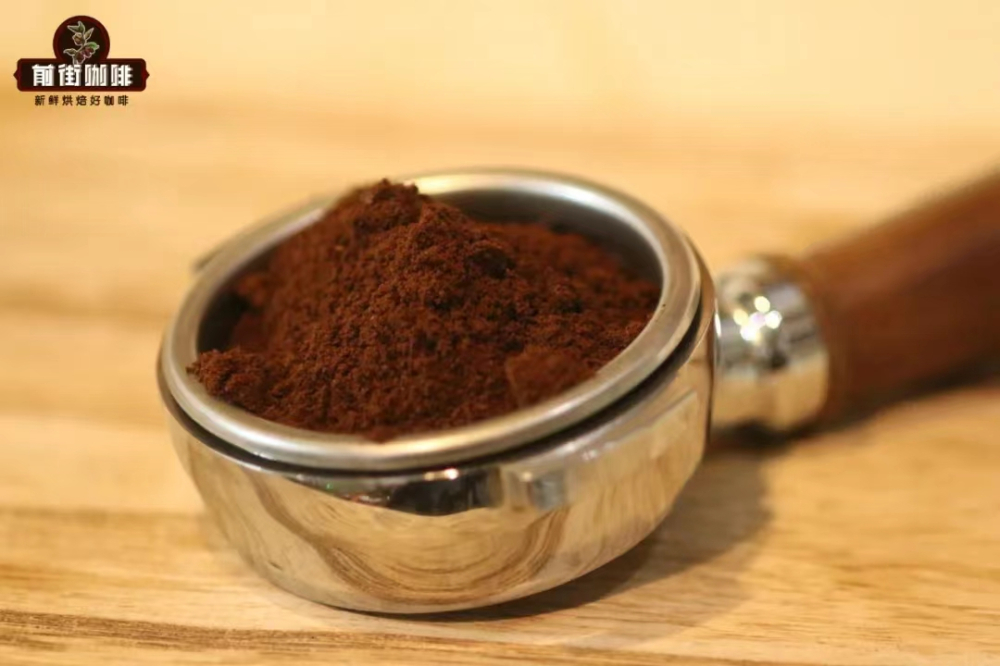
In practice, extraction parameters such as dose, water temperature, pressure, and grind size can all significantly affect the final outcome. Among these, the choice of dose is often limited by the capacity of the portafilter you’re using. For example, a common double-shot portafilter typically has a standard capacity of 16g, 18g, 20g, or 22g, with an allowable margin of error of about ±1g. For instance, if your portafilter is labeled for 18g, the recommended dosing range would be 17g to 19g.Too little coffee can result in a too-loose puck, causing overly fast water flow and under-extraction; too much coffee leads to a densely packed puck, which not only slows down the flow rate but may also cause uneven extraction or even clogging.. [Image: Common Portafilter Capacity Diagram] helps you visually understand the relationship between dose and capacity.
When it comes to the espresso brew ratio, it usually refers to the weight of coffee grounds compared to the weight of the final extracted liquid. Traditionally, a single shot uses about 7–8g of coffee to extract 25–30ml of espresso, but this is primarily based on volume rather than precise weight. Since the crema (coffee foam) layer on the surface of espresso varies in thickness depending on roast level and freshness, relying solely on volume can lead to unstable extraction results.
Therefore, it’s now more common to evaluate using the ratio of coffee weight to liquid weight, with the ideal range typically falling between 1:1.5 and 1:2.5. Andthe most widely accepted “golden ratio” is 1:2—for example, using 20g of coffee to aim for 40g of extracted liquid.If the ratio falls below this range, the espresso tends to taste overly intense with noticeable bitterness; if it exceeds this standard, it may taste thin, with acidity too prominent and lacking the body that espresso should have. Mastering this foundational ratio is a key first step that every home espresso enthusiast should know.
Since espresso is mostly made from blends, selecting the right blend recipe is crucial. Below, we introduce four popular and distinctive espresso blends in detail—from their composition ratios and flavor profiles to ideal usage scenarios—to help you find the one that best suits your taste preferences.
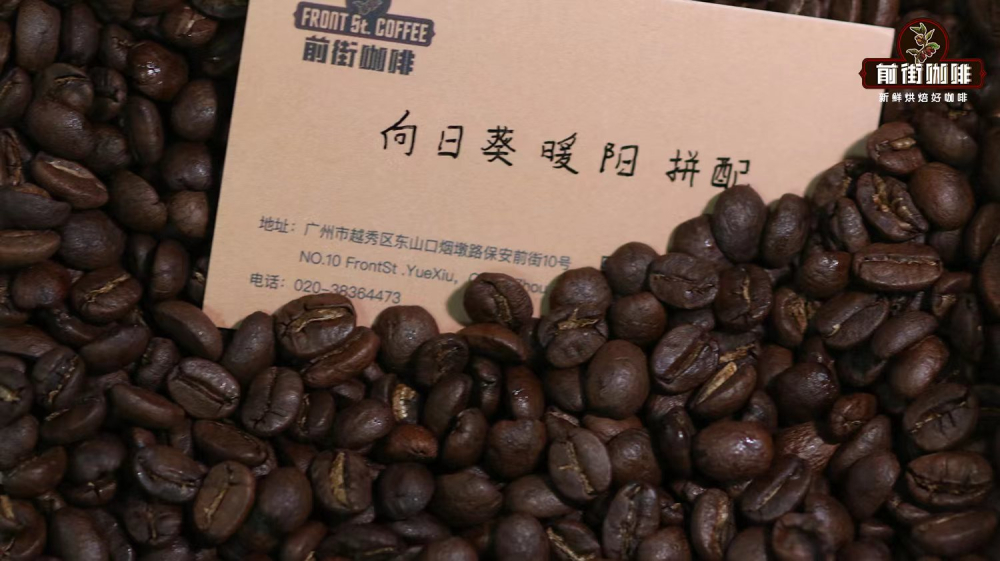
First up is the “Sunflower Sunshine Blend,” composed of 70% Honduran Sherry and 30% Ethiopian Yirgacheffe Red Cherry. This blend features a pronounced fruity acidity, paired with soft berry aromas and wine-like notes. Upon tasting, you’ll notice a rich chocolate flavor with a long-lasting finish and hints of dark chocolate. It’s recommended for use as espresso or pour over, but in espresso form, its fermented wine notes and chocolate traits are more pronounced. As a pour over, it presents a crisper wine aroma and citrus notes, suitable for those who enjoy layered yet gentle profiles.
The second is the “Premium Blend,” which combines Colombian and Brazilian beans in a 3:7 ratio. Its flavor profile leans toward gentle mild acidity, with a sweet finish and nutty aftertaste, offering an overall mild and non-aggressive character. The crema is of medium body, suiting users who prefer balanced flavors. The Colombian beans from the Huila region contribute light acidity and aromatic richness, while the Brazilian beans from the Cerrado region add a smooth, slightly bitter foundation. Together, they create a comfortable drinking experience.
The third is the “Commercial Blend,” with a formula of Colombian, Brazilian, and a small amount of Robusta in a 3:6:1 ratio. This blend is known for its rich caramel sweetness, along with nutty and dark chocolate flavors, featuring balanced acidity and a long-lasting finish. The addition of Robusta boosts the overall crema and mouthfeel richness, making it a staple blend used daily in many coffee shops. It’s ideal for those who enjoy bold flavors and seek a rich, creamy texture.
Finally, there’s the “Dark Cocoa Blend,” a mix of Yunnan and Brazilian beans in a 3:7 ratio. This blend offers a relatively soft profile, with mild fruit acidity, caramel sweetness, and nutty tones. The overall taste is smooth and viscous, though its flavor layers are more subdued compared to other blends. Thanks to Yunnan’s high altitude and large diurnal temperature variations, its flavor is similar to Colombian beans but slightly lighter, combined with the smooth base of Brazilian beans. It serves as an affordable option for beginners and is also suitable for small coffee shops as an everyday blend.
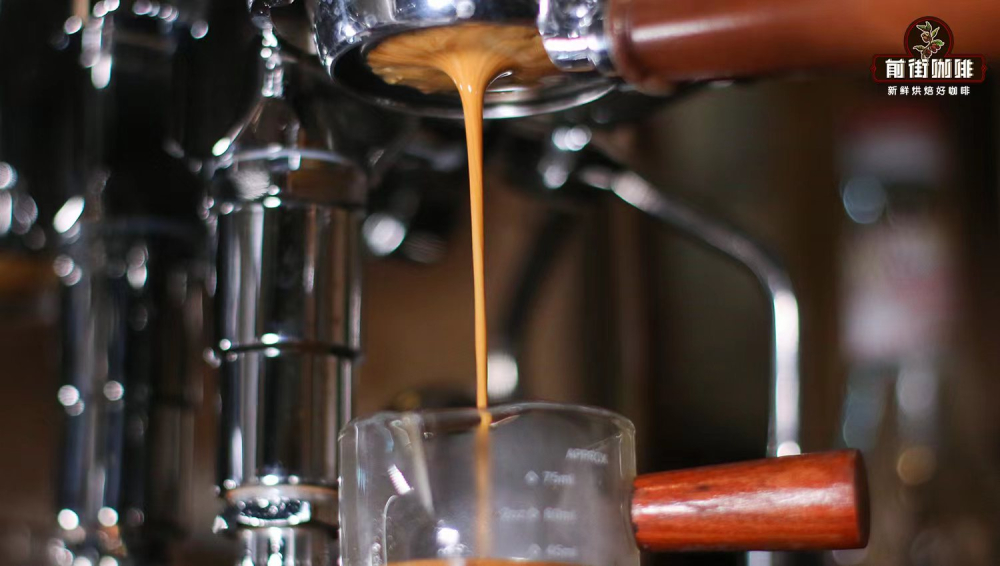
When it comes to tasting espresso, unlike pour over coffee—which emphasizes temperature changes and staged flavor release—espresso places more emphasis on the overall first impression. Its high concentration and unique crema layer deliver an intense tactile sensation and rich aroma. When tasting, it’s recommended to focus on crema texture, aroma intensity, mouthfeel thickness, and the aftertaste. Many coffee lovers prefer to drink it in one go to fully experience its bold flavor impact, while others enjoy pairing it with milk to make cappuccino or latte, further extending its flavor complexity.
In summary, mastering the espresso brew ratio and selecting the right blend are two cornerstones of crafting the perfect shot. Whether you’re a beginner or a coffee enthusiast looking to refine your home brewing skills, understanding these fundamental principles and practical details will help you achieve more satisfying results and enjoyment with every brew.
The above content is compiled by CoffeeHunters, a coffee news website.


