







Category: Coffee Knowledge
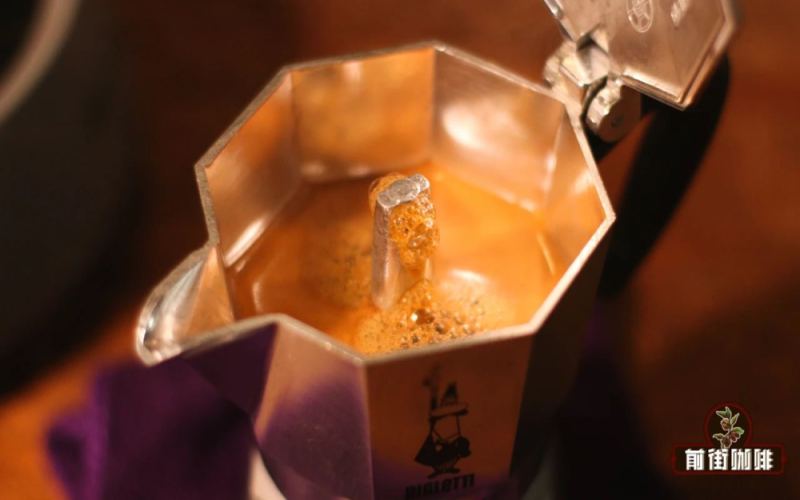
Moka Pot Brewing Guide: Crema, Timing the Heat Off, and Differences from Espresso
Struggling to brew rich coffee at home with your moka pot but feeling it’s just not quite there? This guide dives deep into how a moka pot works—from adjusting grind size and determining when to turn off the heat to understanding how crema forms—helping you master professional-level techniques. We’ll also clarify the similarities and differences between moka pot coffee and espresso, and share practical tips to avoid over-extraction and bitterness, so you can brew café-quality flavor with this classic Italian device. [more…]

A Complete Guide to Using the Bialetti Moka Pot | Principle, Steps & Ideal User Profiles
Want to easily brew rich coffee at home? The Bialetti moka pot is the go-to choice for many coffee enthusiasts. This article delves into the history and brewing principle of this classic device, provides detailed instructions and precautions for use, along with recommendations on suitable coffee beans and grind sizes, helping you master the brewing techniques of the moka pot. Whether you’re a beginner or an advanced user, you’ll find it beneficial. [more…]
How to use a moka pot? How long should you brew it for? Complete at-home brewing steps and grind size guide
Want to recreate the rich flavor of Italian espresso at home? The moka pot is one of the easiest ways to get started. It extracts coffee using steam pressure of about 1.2 to 3 atmospheres, producing a thick brew with a light layer of crema. This article will walk you through the structure and working principle of the moka pot, key tips on water pouring and grind size, heat control, and also cover safety valve usage, cleaning and maintenance, as well as bean selection advice. It will help you avoid common mistakes like splattering or bitter over-extraction, and consistently brew a cup of rich, aromatic coffee. [more…]
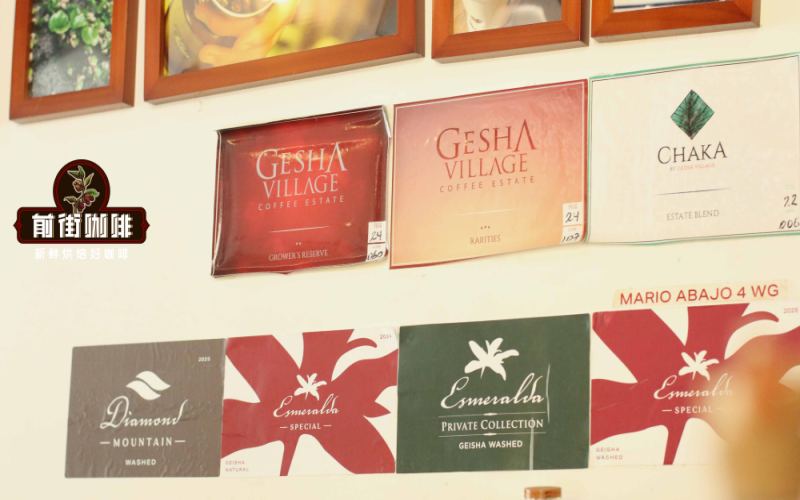
How to distinguish Panamanian and Ethiopian Geisha? Understand the grading and flavor profiles of both Hacienda La Esmeralda and Gesha Village in one go
Geisha coffee is renowned for its exceptional aroma and unique fruity acidity, but do you know where its high value comes from? Panama’s Hacienda La Esmeralda and Ethiopia’s Gesha Village are two of the most famous producing regions, each with a rigorous grading system. From auction lots to everyday-drinking Green Label beans, there are clear differences in flavor and price. This article will guide you through the origins of the Geisha variety, the stringent conditions required for its cultivation, and break down the differences between Red Label, Green Label, and auction-grade beans from these two estates, along with their flavor profiles — helping you choose the Geisha that suits you best. [more…]

What to do when your pour over coffee goes cold? Temperature control and flavor preservation techniques for reheating
When your pour over coffee cools down, the aroma fades, acidity and bitterness intensify, making it hard to drink directly — yet pouring it out feels wasteful. In fact, by mastering the correct reheating methods and using the appropriate temperature range, you can effectively slow down flavor loss and restore a smooth taste. This article delves into why the perception of sourness, sweetness, and bitterness changes as coffee cools, provides different reheating suggestions for both light-to-medium and medium-to-dark roasted beans, and teaches you how to avoid common mistakes during reheating, so that every cup of coffee is enjoyed just right. [more…]

Why is SOE coffee more expensive? An analysis of the key differences between single-origin espresso and blended beans
When you order a cup of coffee, have you ever wondered why SOE (Single-Origin Espresso) costs more than regular blended beans? It’s not just marketing talk — the difference lies in flavor, roasting, and extraction methods. This article dives deep into the origins of SOE, its pricing structure, and the challenges of brewing it, while also exploring why some cafes choose not to offer SOE products at all. It will help you better understand the value behind your coffee choices. [more…]

What’s the difference between SOE espresso and blended beans? Exploring the flavor and cost factors of single-origin espresso
When ordering an Americano or latte at a café, have you ever wondered why some options come with an extra charge? This is often because they use SOE (Single Origin Espresso). Compared to traditional blended beans, SOE emphasizes the unique flavors of a single origin, and also comes with higher costs and technical challenges. This article will delve into the differences between SOE and blends, helping you understand why single-origin espresso tends to be more expensive, as well as exploring its brewing challenges and market positioning — so you can make more informed coffee choices. [more…]
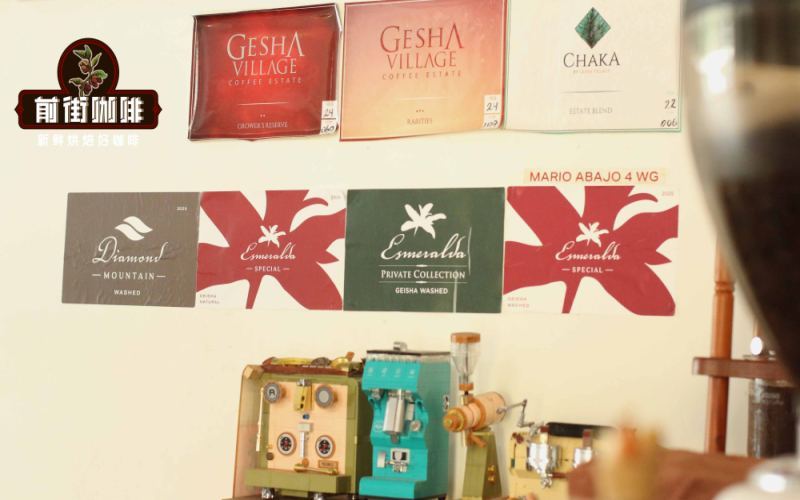
Panama Emerald Red Label vs Gesha Village Gold Label: A Comprehensive Guide to Pour Over Coffee Varieties, Regions, and Flavor Differences
Have you ever seen both the 'Emerald Red Label' and 'Gesha Village Gold Label' — two top-tier Gesha coffees — at a specialty coffee shop but weren’t sure how they differ? This article provides an in-depth comparison of these two highly acclaimed Gesha beans, covering everything from their varietal origins, regional characteristics, processing methods, to actual pour over flavor profiles. We’ll help you fully understand what makes each unique, and also provide tested brewing parameters to assist you in choosing the premium bean that best suits your taste. [more…]
A Complete Beginner’s Guide to Buying Pour Over Coffee Beans: Understand Everything from Origin to Roast Level
Choosing the right coffee beans for pour over brewing can be quite challenging for beginners. This article starts with the world’s major coffee-growing regions, analyzing the flavor characteristics of each, and takes an in-depth look at how common processing methods—such as natural, washed, and honey—affect taste. It also explains in detail the differences between light, medium, and dark roasts, along with their ideal usage scenarios. Finally, it offers practical advice on selecting budget-friendly beans for beginners, helping you build your own understanding of coffee flavor profiles. [more…]
Pour Over Coffee Bean Buying Guide: How to Choose Between Single-Origin and Blends? Understand Freshness and Regional Flavors in One Go
Choosing the right coffee beans is the first step to enjoying a great cup of coffee. This article takes an in-depth look at how to select coffee beans suitable for pour over from three perspectives: brewing method, roast freshness, and regional characteristics. It also compares the differences between single-origin beans and blended beans. Whether you're a beginner or an experienced coffee enthusiast, you'll gain practical tips to find your ideal bean choice. [more…]

Complete Guide to Kenyan Coffee Grading: Analysis from AA to PB Grades and Premium Pour Over Recommendations
Kenyan coffee is globally renowned for its bright acidity and complex layers, yet markings on the bags such as AA, AB, and PB often confuse consumers. This article delves into Kenya’s official grading system—from bean size and shape to classifications of special varieties—to help you understand the actual differences between grades AA through T, and also uncovers the reasoning behind trade-defined grades like AA+. It also includes hands-on pour over parameters for washed SL28/SL34 from the Kirinyaga region, helping you extract flavors reminiscent of black plum and cherry tomatoes. [more…]

Why is iced cappuccino rarely available? Analysis of espresso ratio and hot vs. cold brewing differences
Have you ever tried to order an iced cappuccino at a café, only to be told, "We don't do iced ones"? In fact, this isn't just a matter of menu design—it also involves flavor expression and production challenges. This article delves into the key characteristics of a hot cappuccino, including the reasons behind its thick foam and intense coffee flavor, and reveals the actual extraction and frothing parameters of a classic blend—such as using 20 grams of coffee grounds to extract 40 ml of espresso, and frothing 140–150 ml of chilled milk to create a 3 cm layer of foam. It also analyzes iced [more…]

A Complete Guide to Choosing Coffee Beans for Beginners: Flavor Profiles of 8 Major Origins and Brewing Recommendations
When first exploring the world of coffee, it's always difficult to decide which coffee beans to choose? This article will provide an easy-to-understand analysis of the unique characteristics of coffee from major producing regions such as Ethiopia, Brazil, Indonesia, Colombia, Costa Rica, Yunnan, and Panama, covering the flavor profiles of common processing methods like washed, natural, and honey. In addition to detailing the flavor profiles of each origin, it also offers pour over brewing parameter suggestions and tips on how to judge freshness, helping readers build a systematic approach to bean selection and find the ones that best suit their taste buds. [more…]

Analysis of Sun-Dried and Washed Coffee Processing Methods | Flavor Differences and Pour Over Brewing Guide
Coffee beans from the same origin can exhibit vastly different flavor profiles simply due to variations in processing methods. This article provides an in-depth look at the complete processes of the two classic processing methods—sun-dried and washed. Through a practical comparison of sun-dried and washed Ethiopian Yirgacheffe beans, it guides you in identifying flavor characteristics by aroma, acidity, sweetness, and complexity, while also offering practical pour over brewing parameter suggestions to help you advance from everyday coffee drinking to becoming a coffee flavor connoisseur. [more…]
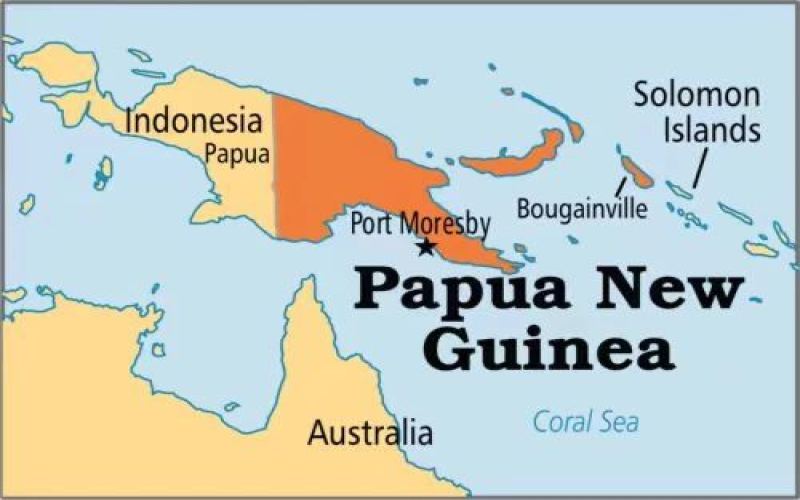
Why is Papua New Guinean coffee called the "Little Blue Mountain"? Analysis of differences with Jamaican Blue Mountain and details about Bird of Paradise Estate
Papua New Guinean coffee is often hailed as the "Little Blue Mountain" due to its elegant acidity and fresh fruity-floral notes, yet there are still notable differences between the two in terms of origin background and flavor profile. This article delves into their historical roots, growing environments, industry challenges, and focuses on the Sigri Bird of Paradise Estate—covering everything from variety and processing method to roasting and pour over recommendations—to help you grasp the unique charm and brewing tips of this high-altitude specialty bean. [more…]
Unveiling the True Identity of Panama Geisha 1500 and Blue Label | Volcanic Bean Flavor Comparison and Buying Guide
Have you heard of “Geisha 1500” but aren’t sure of its origins? Or perhaps you’re wondering why the Blue Label Geisha from Hacienda La Esmeralda suddenly disappeared? This article takes an in-depth look at the grading logic, altitude differences, and flavor profiles of the Blue Label Geisha, Hacienda Red Label, and Green Label, and reveals the truth behind the Blue Label being rebranded as “Las Rocas” starting in 2021. Whether you’re a beginner in pour over coffee or a enthusiast looking for high-value Geisha beans, you’ll find selection criteria and brewing tips in this article. [more…]
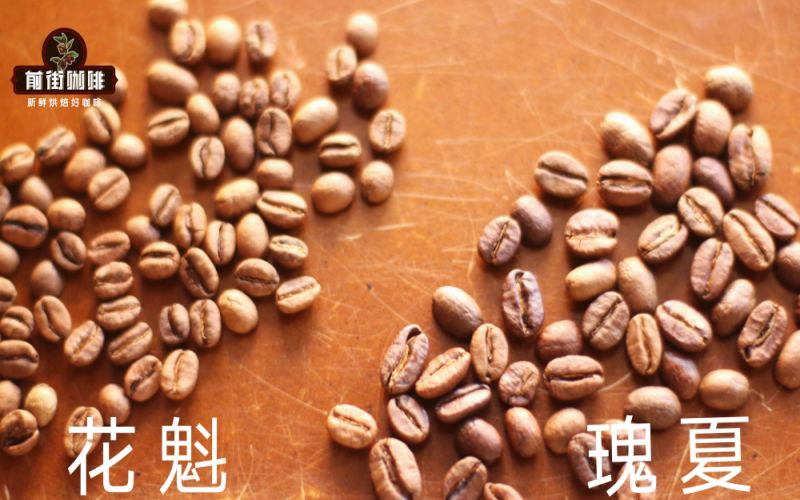
The Ultimate Guide to Geisha Coffee: From Its Ethiopian Origins to Panamanian Grading and Brewing Secrets
Delve into the historical roots, varietal evolution, and distinctive characteristics of renowned global Geisha coffee regions—from Panama’s Hacienda Esmeralda grading system to the unique flavors of Ethiopia’s Gesha Village. This article details the traits, processing differences, and brewing recommendations for various types of Geisha coffee, helping you discover your own personalized Geisha flavor experience. [more…]
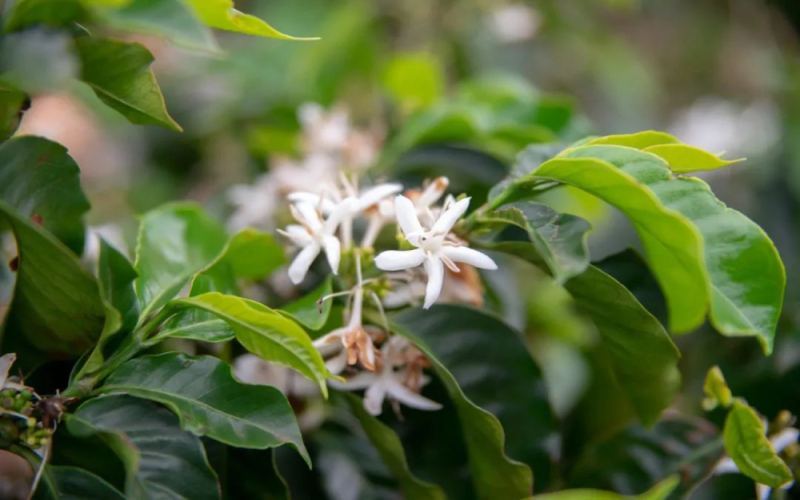
The Ultimate Guide to Panamanian Geisha Coffee: From Its Naming Origins to Pour Over Parameters and Flavor Profile
Since winning the prestigious Panama Cup of Excellence (BOP) competition in 2004, Geisha (Gesha) coffee has become a legendary variety in the specialty coffee world. This article delves into the origin of the Geisha variety, the evolution of its name, explores the connection between its birthplace in Ethiopia and its rise to fame in Panama’s Boquete region, and provides a detailed guide on how to use the right pour over parameters to fully bring out its delicate flavors—such as citrus, floral notes, and honey. It’s a must-read for specialty coffee enthusiasts and anyone looking to gain a deeper understanding of Geisha. [more…]
Unveiling the Charm of Panamanian Geisha Coffee | How to Choose Between Jade Red and Green Labels? A Comprehensive Guide to Pour Over Recommendations and Flavor Profiles
Panamanian Geisha coffee, with its distinctive fruity and floral notes, has long been a dream coffee for specialty coffee enthusiasts. But what makes Geisha from Panama stand out? This article will take you on an in-depth exploration of the geographical advantages of the Boquete region in Panama, as well as the grade differences, processing methods, and flavor characteristics of the Jade Estate’s Red and Green Label Geishas. It also provides practical pour over brewing suggestions to help you better grasp the essence of this top-tier coffee. [more…]
How to Brew Kenyan AA Washed Coffee Beans? A Complete Guide to K72 Processing and Pour Over Parameters
Kenyan AA washed coffee beans are renowned for their bright acidity, deep berry notes, and hints of cherry tomato. Their unique K72 double fermentation processing method is key to creating these distinctive flavors. This article delves into Kenya’s coffee grading system, the environmental characteristics of its growing regions, and explains the step-by-step differences in the K72 process. It also provides practical pour over parameters and operation details for light roasts — from water temperature and grind size to pouring rhythm — teaching you how to extract vibrant acidity and richly layered fruit aromas. Ideal for those looking to deeply explore Kenyan... [more…]