







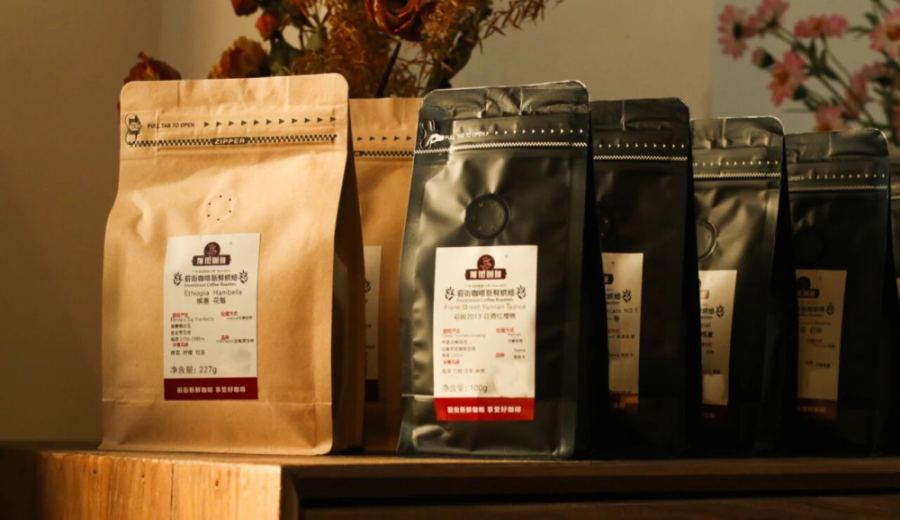
Introduction:Choosing the right coffee beans is the first step to enjoying a great cup of coffee. This article takes an in-depth look at how to select the ideal coffee beans for pour over brewing from three key perspectives: brewing method, roast freshness, and regional characteristics. It also compares the differences between single-origin beans and blends. Whether you're a beginner or an experienced coffee enthusiast, you'll gain practical tips to find your perfect bean.
When walking into a café or specialty coffee bean shop, faced with a dazzling array of bean options, many people often don’t know where to start. In fact, by mastering just a few key elements, you can easily pick out coffee beans that suit your taste and brewing style. This article will help you build a clear approach to selecting beans from the angles of brewing method, roast freshness, and regional flavor.
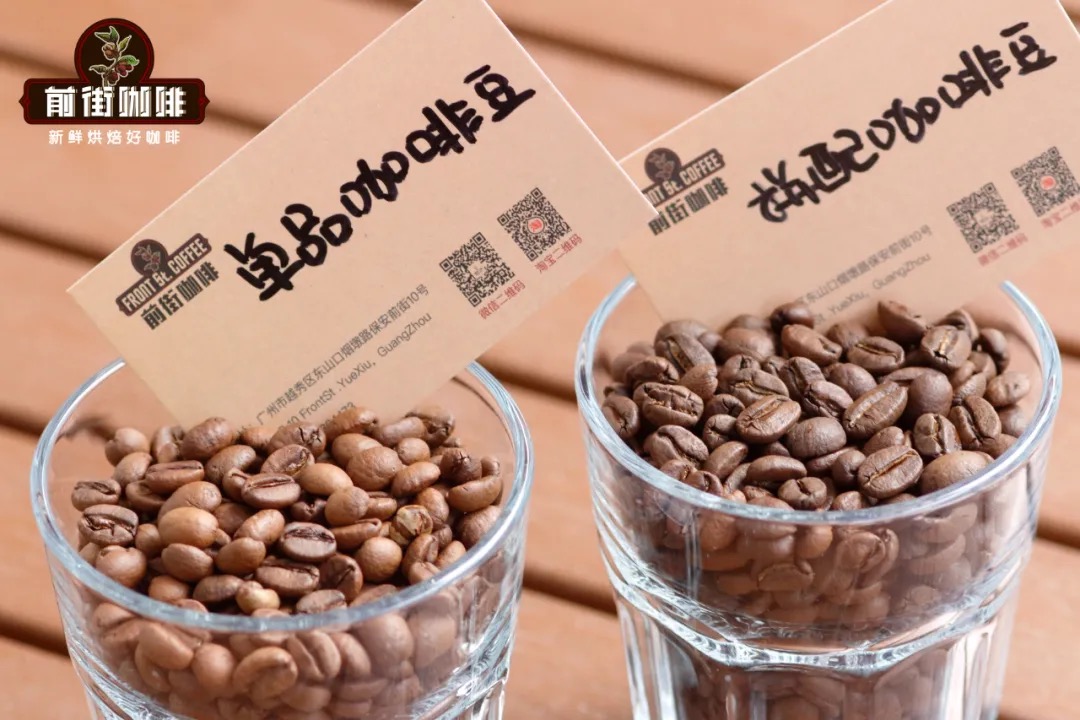
The first thing to clarify is that the coffee beans on the market can generally be divided into two main types: single-origin beans and blends.Single-Origin BeansThese usually come from a specific region or estate, with distinct and well-defined flavor profiles, making them suitable for drip extraction methods such as pour over and French press. AndBlendsare made by mixing coffee beans from multiple regions in certain proportions, aiming to achieve stable flavor and balanced taste, especially suitable for pressure-based extraction methods such as espresso machines or moka pots.
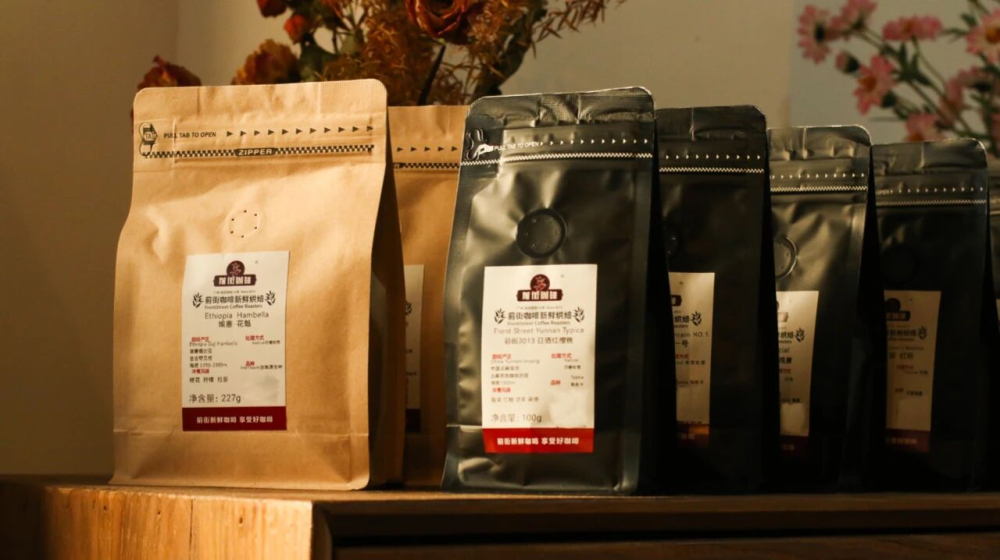
If you typically use drip methods such as pour over, siphon, cold drip, or cold brew,single-origin beansare a better choice, as they can showcase pronounced floral, fruity, citrusy, or herbal notes. On the other hand, if you prefer a rich and bold taste—especially when using an espresso machine to make espresso—it’s recommended to chooseespresso blends, which are usually medium to dark roasted and feature aromas of caramel, chocolate, and nuts.
However, this doesn’t mean blends can’t be used for pour over, or that single-origin beans can’t be used for espresso. Many roasters adjust the roast profile and flavor direction based on different brewing methods to make the beans more suitable for specific extraction techniques. For example, some single-origin beans that have undergone light roasting can also be suitable for making espresso, offering flavor layers that differ from traditional ones.
No matter which type of bean you choose,freshnessis a key factor that affects flavor performance. Roasted coffee beans continue to release carbon dioxide and gradually lose aroma and flavor over time. Generally speaking,single-origin beans are at their best in flavor within 15 to 20 days after roasting, and it’s best to consume them within 30 days; whileespresso blends perform most ideally within 30 days after roasting, and can be enjoyed up to 45 days.
It’s important to note that although freshly roasted beans are “fresh,” they’re not suitable for immediate brewing. At this stage, the beans contain a lot of carbon dioxide, which may come with smoky flavors and affect extraction evenness and taste. Therefore, it’s recommended to let freshly roasted beans rest in a package with aone-way degassing valvefor a period of time to allow excess gases to release naturally. This process is called “resting” or “aging.” The resting time depends on the roast level; generally,light to medium roasts rest for 3 to 4 days, medium to dark roasts for 5 to 6 days, and espresso blends are recommended to rest for 7 to 10 daysto achieve a rounder flavor.
When choosing single-origin beans, you can select beans that match your preferred flavor profile based on regional characteristics. Generally speaking,African regions(such as Ethiopia and Kenya) often produce coffee beans with pronounced floral notes, citrus acidity, and tea-like qualities, suitable for those who prefer a fresh taste, usually roasted light to medium.Central and South American regions(such as Brazil, Guatemala, and Colombia) typically offer beans that exhibit nutty, caramel, and chocolate tones, with a more balanced flavor, mostly roasted to a medium level.Asian regions(such as Indonesia and Vietnam) are known for beans with low acidity, full body, and earthy or spicy notes, often roasted medium to dark.
If you’re still confused about regional characteristics, you can refer to theflavor descriptionsprovided by the shop to assist in your selection. Descriptions featuring words like “lemon,” “blueberry,” “white peach,” “floral,” or “tea-like” usually indicate light to medium roasted single-origin beans with bright acidity, suitable for those who enjoy a refreshing taste. If terms like “nutty,” “dark chocolate,” “caramel,” or “creamy” appear, the beans are likely medium to dark roasted, with a richer and more robust taste. Meanwhile, if the flavor description highlights “winey,” “intense fruitiness,” or “fermented notes,” it may be a bean processed with special methods such as honey processing or anaerobic fermentation, offering unique and layered flavors.
Finally, regarding the form of purchase, many consumers hesitate between whole beans and pre-ground coffee. If possible,it’s recommended to prioritize whole beansbecause ground coffee has a much larger surface area exposed to air, causing aroma and flavor to dissipate quickly. If you don’t have a grinder at home, consider purchasing an entry-level hand grinder, typically priced above 200 yuan, to grind beans just before brewing to ensure optimal flavor.
If buying a grinder isn’t convenient and you still want to enjoy pour over, you can opt for commercially availabledrip bags. These products usually contain freshly ground single-origin coffee powder packed in filter bags for direct brewing. It’s generally recommended to consume them within 30 days of purchase for the best flavor experience. Simply pour about 150 ml of 90°C hot water to enjoy a fragrant cup of pour over coffee.
The above content is compiled by CoffeeHunters, a coffee news website.


