







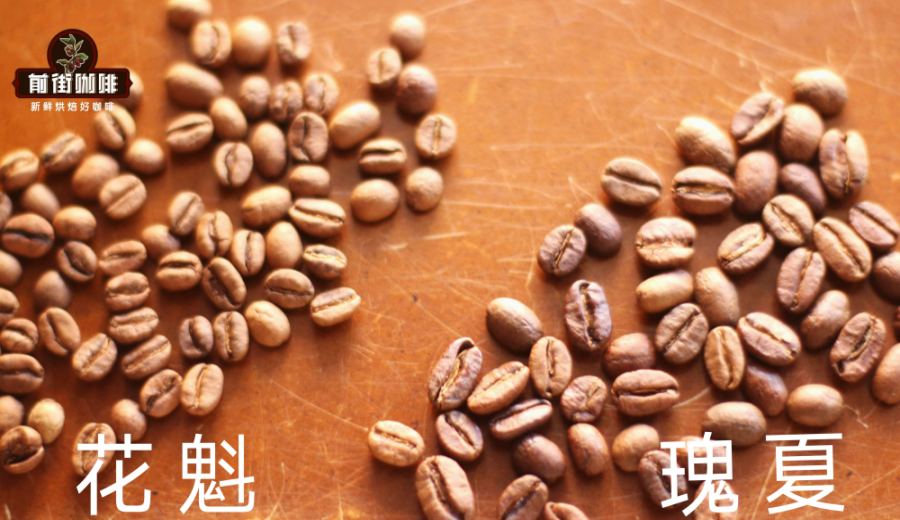
Introduction:Delve into the historical origins, varietal evolution, and global terroir characteristics of Geisha coffee. From the grading system of Panama’s Hacienda La Esmeralda to the unique flavor profiles of Ethiopia’s Gesha Village, this article explores the distinct traits, processing differences, and brewing recommendations for various Geisha coffees, helping you discover your own Geisha flavor experience.
The Geisha (Geisha) coffee variety, a star member of the Arabica family, originated in the forests of Ethiopia and has now become a sought-after specialty coffee favorite worldwide. This variety was first discovered in the Geisha forest of Ethiopia in 1931 and subsequently traveled through Kenya, Uganda, Tanzania, Costa Rica, before finally being introduced to Panama in the 1970s. However, it wasn’t until 2003 that Geisha truly gained attention when Hacienda La Esmeralda in Panama isolated it from other varieties and planted it separately, then won the top prize at the 2004 Best of Panama (BOP) competition, propelling it to international fame.
What makes this coffee so captivating is its high sensitivity to growing conditions — it typically thrives only in high-altitude, misty environments with fertile soil and good shade. Geisha grown at high altitudes often exhibits delicate floral aromas, bright fruit acidity, and a long-lasting aftertaste, which make it a favorite among pour over coffee enthusiasts.
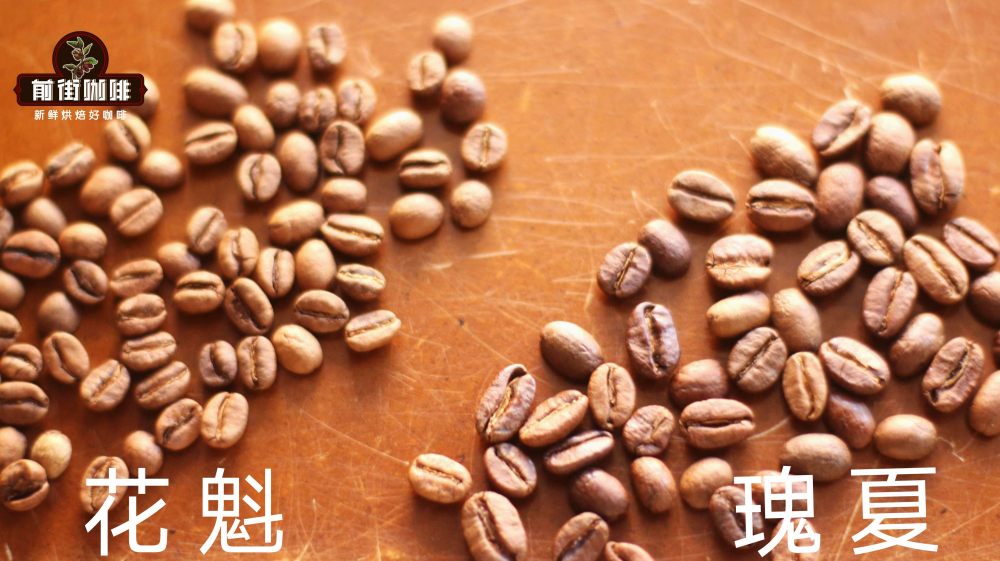
When it comes to Geisha, most people first think of the offerings from Panama’s Hacienda La Esmeralda. With its exceptional geographical conditions and masterful cultivation and processing techniques, the estate fully unlocks the potential of Geisha coffee. Based on differences in altitude, microclimate, and processing methods, the estate has established a clear grading system, including three main tiers: Red Label, Green Label, and Blue Label, each with its unique flavor profile and market positioning.
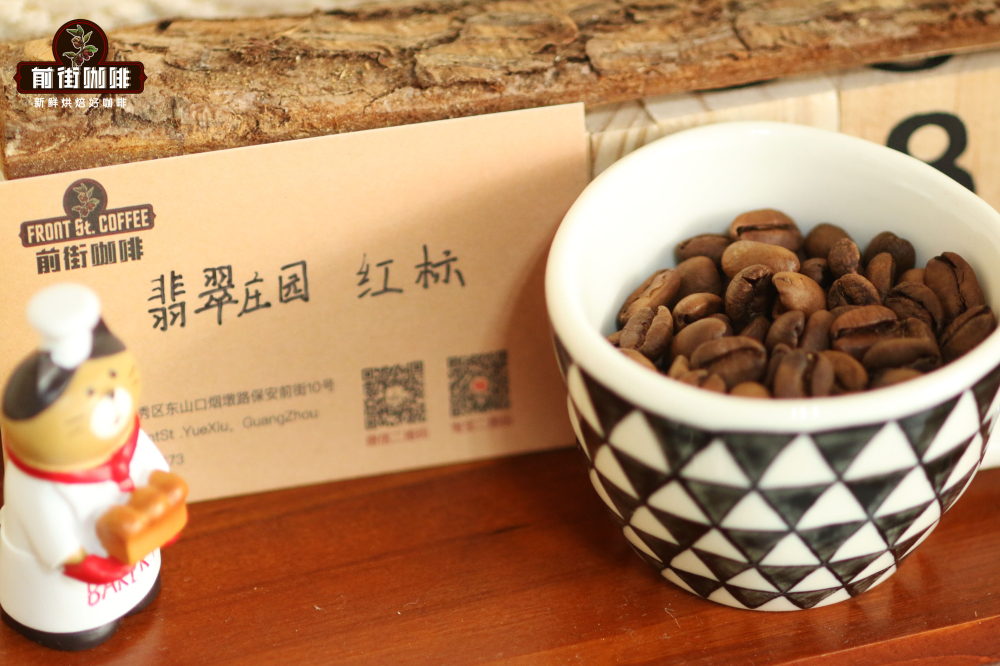
Among them, the Red Label Geisha comes from specific microlots at elevations of 1600–1800 meters, usually produced from single estates or precisely delineated plots. It not only delivers clear and layered flavors but often features prominent rose floral notes, sweet-strawberry acidity, and honey-like sweetness, making it a standout among Geisha coffees.One brand also noted in practical brewing experiences that their sun-dried Red Label Geisha has an unforgettable oolong tea-like finish.
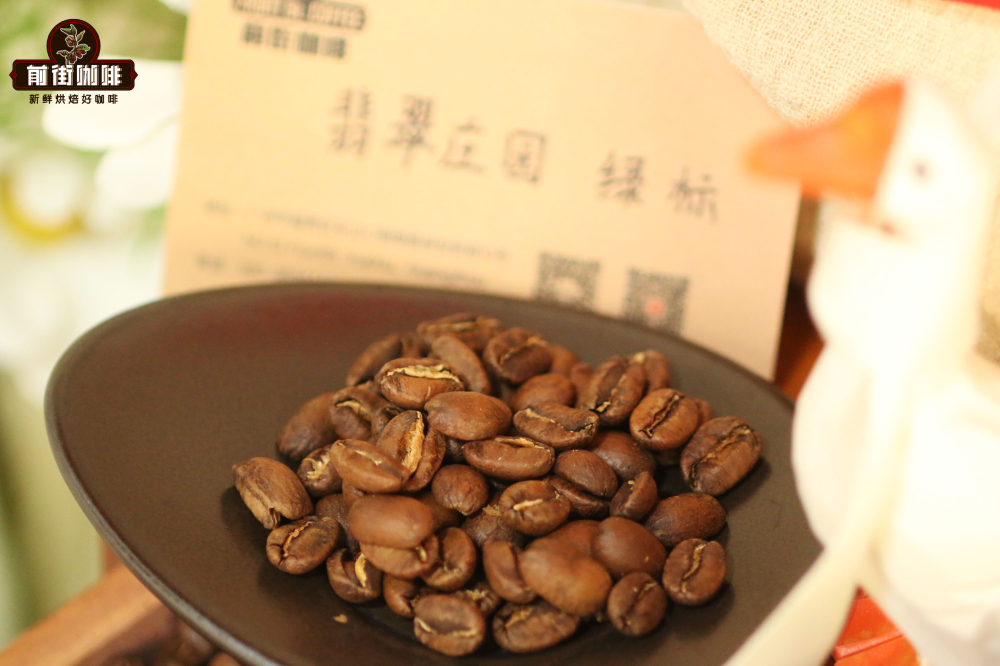
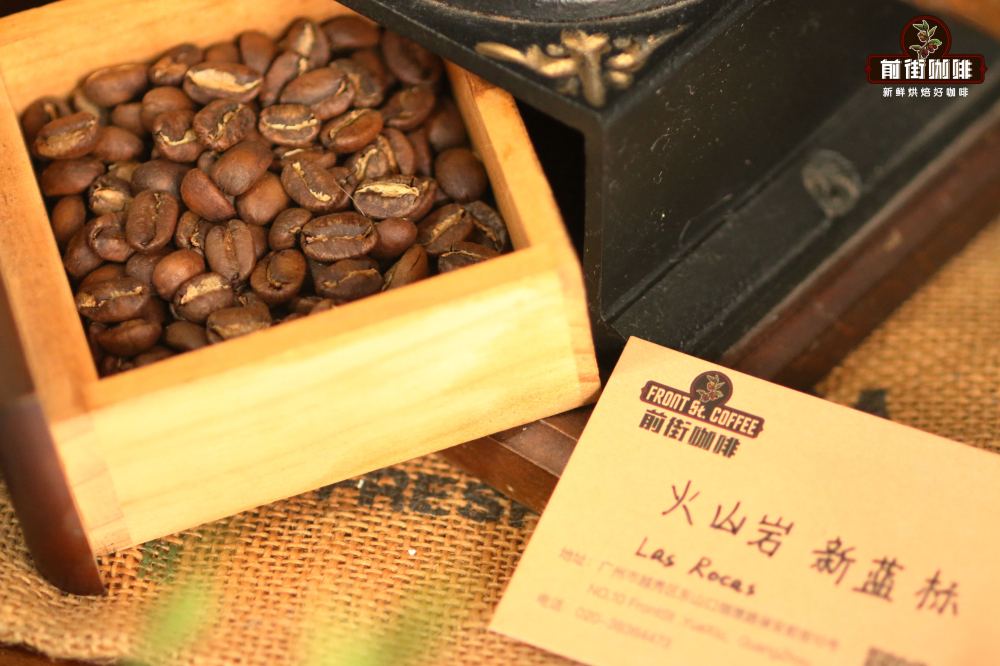
The Green Label Geisha, meanwhile, consists of mixed batches from the same altitude range but different plots. Though not single-origin, it still maintains high-altitude quality, with fresh flavors often showcasing citrus, jasmine, and ginger lily notes. Its acidity is soft, and the aftertaste offers a lingering sweetness reminiscent of Tieguanyin oolong. The Blue Label is a relatively newer product line, grown in volcanic soil at slightly lower altitudes of around 1500 meters. Its flavor profile leans fresher, featuring white floral and citrus acidity paired with a honey-green-tea-like finish, making it ideal for those who prefer a lighter, crisper taste.
It’s worth noting that many people often mistake the coffee produced by Ethiopia’s “Gesha Village” for being the same as Panama’s Geisha. In reality, although they share the same name, they are entirely different varieties. Gesha Village is located in Ethiopia’s Bench-Maji zone in the country’s south, near the Kaffa Forest, and is Ethiopia’s first modern estate-managed coffee-growing area. Established in 2007 by documentary filmmaker Adam Overton and photographer Rachel Samuel, they discovered native Geisha varieties in the nearby Gori Gesha forest and built the Gesha Village coffee estate based on these.
Gesha Village currently cultivates varieties including Gori Gesha, Gesha 1931, and Illubabor Forest. The first two are related to Panama’s Geisha but remain genetically distinct, while Illubabor Forest is a disease-resistant local variety. The estate categorizes its coffee based on quality and processing methods into five lots: Auction, Gold Label, Red Label, Green Label, and Chaka. Each lot represents a different flavor tier and level of rarity.
The Auction lot is the most premium offering from Gesha Village, accounting for only 3.7% of annual production. It is available only through global auctions and is highly sought after by collectors and top-tier cafes. The Gold Label lot makes up about 10%, mostly sourced from specific plots such as the Oma plot, and is processed using the natural (sun-dried) method. It consistently scores extremely high in cupping tests, often presenting intense fruit and berry notes, rich sweetness, and a long, lingering aftertaste.
The Red Label lot accounts for about 15%, offering full traceability and usually scoring above 88 points (per SCA standards). It is an excellent value choice, with flavors slightly less complex than the Gold Label but still showcasing Gesha Village’s signature tropical fruit and citrus profiles. The Green Label consists of single-plot, single-variety products, with each batch fully traceable to specific farms and processing dates — ideal for consumers seeking consistent flavor profiles. Additionally, the Chaka lot is a blend of coffees from various producing areas and multiple varieties throughout the year, including both washed and natural processing methods. It offers diverse and approachable flavors, making it a great entry point for those wanting to explore the world of Geisha.
When selecting Geisha coffee, whether from Panama or Ethiopia, pay close attention to its altitude, processing method, and grading details — all of which directly influence the final flavor. For beginners, it’s recommended to start with Green Label or Blue Label to get familiar with their bright acidity and fruity-floral notes. More experienced drinkers can challenge themselves with Red Label or Auction lots to experience greater complexity and layered subtleties.
For brewing, Geisha coffee is well-suited for a medium-fine grind (such as V60 #01, with about 80% passing through a #20 sieve), using a 1:15 coffee-to-water ratio. The water temperature should be controlled between 90–91°C. A practical three-pour brewing method is as follows: start with a 30-second bloom using 30 grams of water, then pour 125 grams of water until the coffee bed descends to two-thirds, followed by a slow pour with a finer stream to reach a total of 225 grams. Finally, allow the V60 to fully drain. The total brew time should ideally fall between 2 minutes 10 seconds and 2 minutes 20 seconds — this will effectively highlight Geisha’s delicate floral and fruity acidity layers.
The above content is compiled by CoffeeHunters, a coffee news website.


