








Introduction:Have you ever wanted to order an iced cappuccino at a café, only to be told, “We don’t do iced”? This isn’t just a matter of menu design — it also involves both flavor presentation and preparation challenges. This article delves into the key characteristics of hot cappuccinos, including the origins of their thick foam and rich coffee flavor, and reveals the actual extraction and frothing parameters of classic blends — such as using 20 grams of coffee grounds to extract 40 ml of espresso, and frothing 140–150 ml of chilled milk into a 3 cm layer of foam. It also analyzes the differences between iced cappuccinos and iced lattes, explains the complexity and textural limitations of making iced foam, as well as common industry modifications.
When ordering at a café, many people have had this conversation: “I’d like an iced cappuccino!” “Sorry, we don’t do iced.” This kind of response is not uncommon in many independent cafés. So why is the iced cappuccino so rarely seen? Behind this lies considerations related to both flavor and technique.
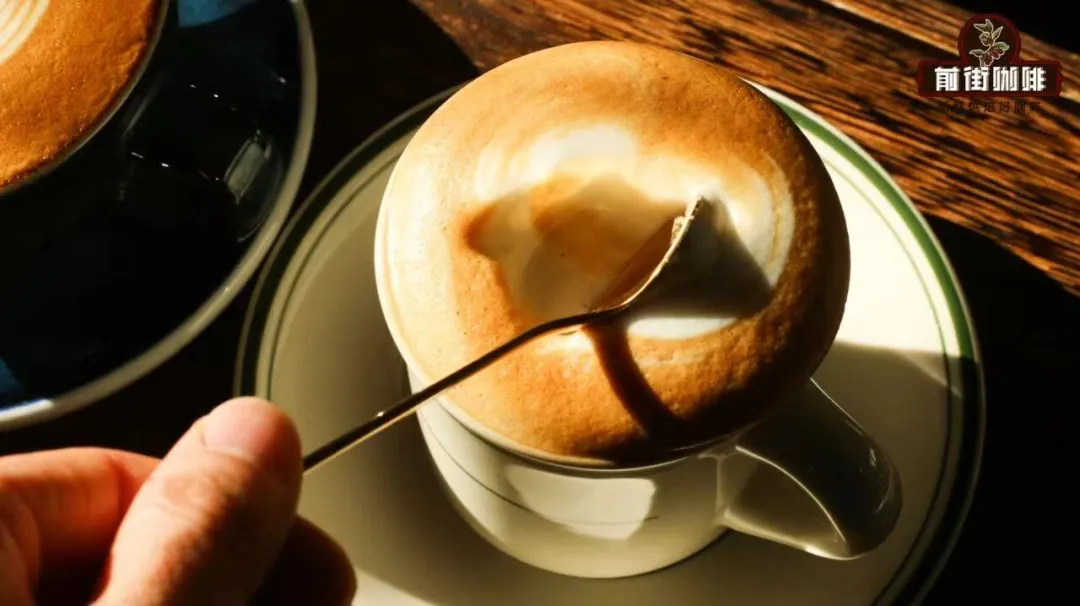
First, let’s look at the two core features of a hot cappuccino.One is the thick layer of foam.This foam not only delivers a velvety mouthfeel but also makes the whole drink feel as soft as marshmallow upon the first sip.The other is the intense coffee flavor.Compared to regular milk coffee, the milk in a cappuccino mainly serves to dilute bitterness and add smoothness, rather than canceling out the coffee flavors, allowing the essence of the coffee to stand out more prominently.
Taking a common classic Italian blend as an example, making a standard cappuccino typically involvesusing 20 grams of coffee grounds to extract 40 ml of espresso within 30 seconds.Then,140 to 150 ml of chilled milkis poured into the pitcher, and steam is used to simultaneously heat and froth the milk until the foam reaches a thickness of about3 cmand the milk temperature is controlled at around65°C.Finally, the foam and coffee liquid are combined to fill the cup to eleven-tenths full — and a classic hot cappuccino is complete.

This combination allows the drinker to first experience the delicate, velvety foam, followed by a rich yet non-bitter coffee flavor. With the milk ratio well balanced, the original aromas of the coffee — such as chocolate, nuts, cream, and butter cookies — are clearly presented, with a long-lasting and smooth aftertaste.
So, what’s the difference between an iced cappuccino and a hot one? Although the basic elements are the same, making an iced cappuccino is often more complex.Most iced cappuccinos actually take inspiration from the method used for iced lattes — ice cubes are placed in the cup, along with chilled milk and espresso.However, in order to mimic the texture of foam found in hot drinks, many shops add an extra layer of iced foam.

The problem is, frothing iced foam isn’t easy. Though it similarly involves injecting air into milk, without the help of electric frothers, iced foam in the past was mostly prepared manually — a time-consuming process that also created quite a cleaning hassle.Even if the frothing is ultimately successful, the overall flavor performance of the iced cappuccino often falls short of expectations.
In a low-temperature environment, the sensitivity of the taste buds decreases, causing the distinction between milk and coffee to blur, resulting in what tastes like an iced latte with slightly stronger coffee flavor. Meanwhile, although iced foam may appear thick, it often fails to integrate well with the coffee, leading to a monotonous texture. Even if stirring releases some coffee aroma, it can’t mask the issue of insufficient texture.

In short, what many customers end up with is something akin to an iced latte with an added layer of foam — lacking distinct characteristics. Coupled with the complex preparation process, many cafés choose not to offer iced cappuccinos. Of course, there are exceptions.Some coffee shops sprinkle cocoa powder or cinnamon powder on the foam of their iced cappuccinos, not only adding visual appeal but also enhancing the rather plain flavor of the foam with extra aroma.Cocoa powder’s flavor is similar to that of coffee, allowing it to naturally integrate into the overall drink and elevate the taste profile.
Other shops simply replace the foam with whipped cream, which not only eliminates the frothing step but also gives the drink a richer texture. However, this approach is costlier, so it’s used less frequently.
In summary, the reason iced cappuccinos rarely appear on menus is not only due to the difficulty in highlighting their flavor but also because of the complexity of preparation and the technical challenges involved in making iced foam. If you’re still interested in iced cappuccinos, you might consider starting with the basic method for iced lattes and then adjusting the milk ratio and whether or not to include foam according to your personal preferences — you can also try crafting your own version of iced cappuccino flavor at home.

The above content is compiled by CoffeeHunters, a coffee news website.


