








Introduction:Kenya AA washed coffee beans are renowned for their bright acidity, deep berry, and small tomato notes, with their unique K72 double fermentation process being key to shaping these flavors. This article takes an in-depth look at Kenya’s coffee grading system, the environmental characteristics of its growing regions, and explains the steps that differentiate the K72 process. It also provides practical light roast pour over parameters and operational details—from water temperature and grind size to pouring rhythm—to help you extract bright acidity and a richly layered fruitiness. Ideal for coffee enthusiasts eager to explore the flavors of Kenya beans.
Kenya AA washed coffee beans are one of the representatives of African specialty coffee. With standout small tomato and dark berry flavors, paired with juice-like bright acidity and multi-layered mouthfeel, they have received widespread acclaim. These beans typically come from high-altitude regions, and through rigorous grading and unique post-harvest processing, they achieve their distinctive flavor profile. This article will explore the grading levels, regional terroir, and the K72 double washed process of Kenyan coffee, helping you understand what makes the AA grade unique. Using a light roast bean as an example, it shares practical pour over parameters and extraction tips to help you fully grasp the flavor transformation from green bean to cup.

The grading of Kenyan coffee is primarily based on bean size, appearance, color, and density, among which bean size is a key indicator of grade. In Kenya, the larger and more intact the coffee beans, the more aromatic compounds they can release during roasting. The AA grade is the highest level, selected using screens with holes larger than one-quarter inch (approximately 6.35 mm), with beans needing to be 18 mesh (approximately 7.22 mm) or above to ensure good density and development potential. Such beans are more likely to display delicate acidity and complex flavor layers when brewed.
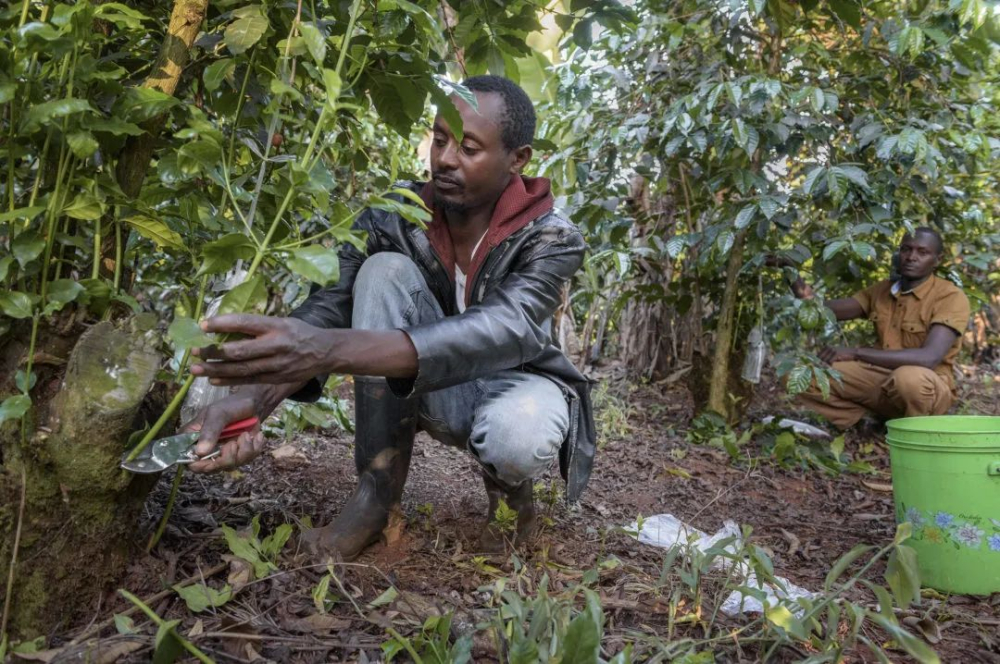
Although neighboring Ethiopia—the birthplace of coffee—Kenya’s coffee cultivation history started relatively late, dating back to the late 19th century. At that time, Kenya was still a British colony, and the colonial government actively promoted coffee planting to increase foreign exchange earnings, shipping most of the product to London for sale. It wasn’t until 1933, when Kenya enacted the Coffee Ordinance and established the Coffee Board, that sales rights were reclaimed locally. After gaining independence in 1963, local farmers gradually built high-level quality control standards over the years through accumulated experience in variety selection, cultivation techniques, harvesting, and post-harvest processing.
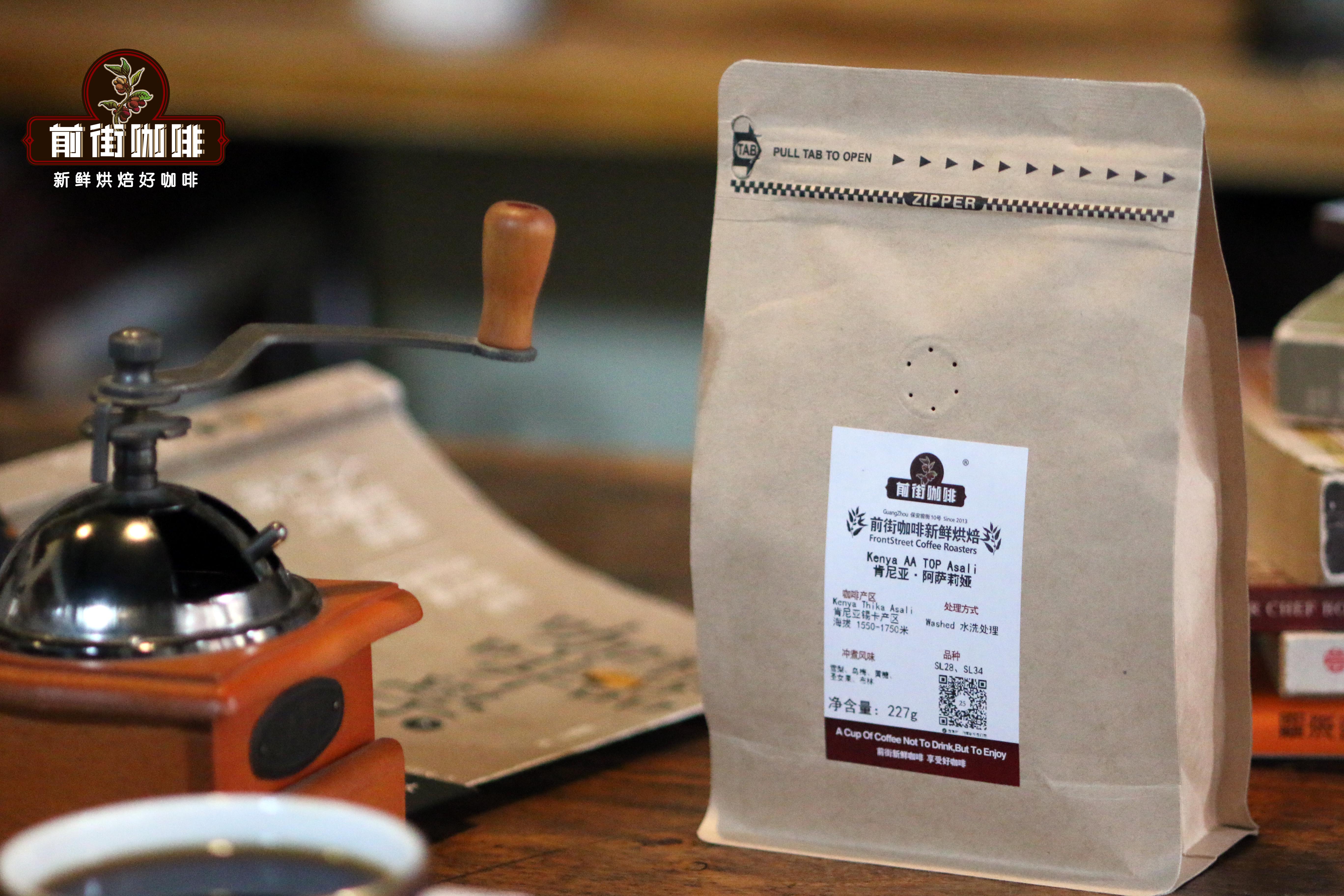
Kenyan coffee is mainly grown in the plateau areas around Mount Kenya and Mount Elgon near the equator, regions that offer a microclimate suitable for Arabica cultivation. The high altitude environment, deep volcanic soil, and good drainage provide ideal growing conditions for coffee trees. In addition, the local soil is slightly acidic, with a pH between 5.3 and 6.0, which helps the coffee cherries develop bright and solid acidity. Annual rainfall ranges from about 1,000 to 2,000 mm, divided into two distinct rainy seasons, ensuring stable water supply—not only beneficial for coffee growth but also making the region an area where both tea and coffee are important crops.
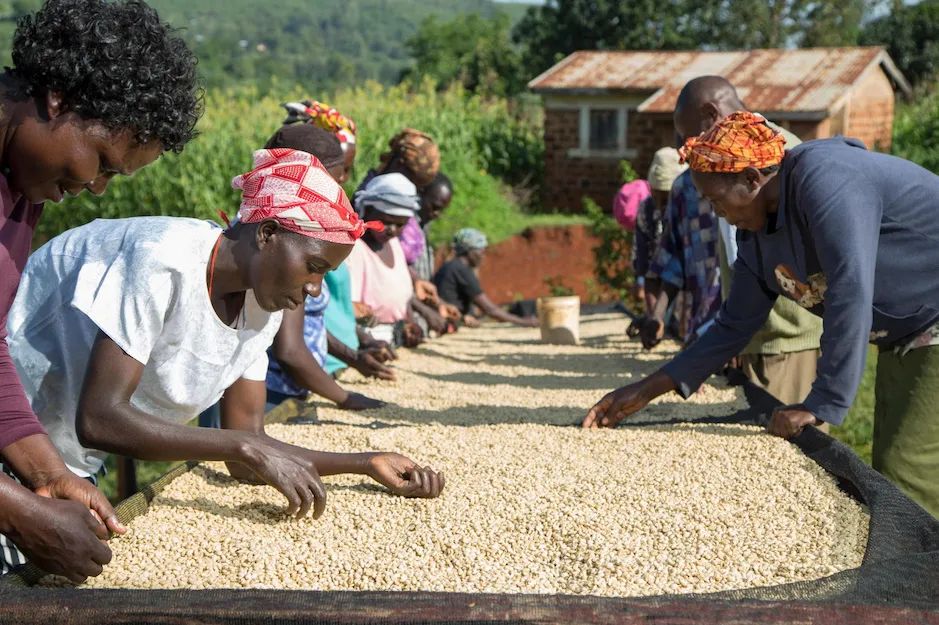
The famous blackberry and stone fruit acidity of Kenyan coffee is not only due to the phosphate content in the soil, but also closely related to its unique K72 double washed process. Compared to the single-fermentation washing commonly seen in Central and South America, Kenya’s K72 process adopts a cycle of “fermentation—washing” repeated multiple times, with the entire processing time lasting up to 72 hours—hence the name.
The specific process is as follows: harvested coffee cherries are first carefully sorted to remove unripe or defective beans, followed by removal of the pulp. Then comes the first 24-hour fermentation, after which the beans are rinsed clean; this is followed by a second 24-hour fermentation and rinse. This step is repeated three times, totaling 72 hours of combined fermentation and washing. The industry generally believes that this method can more effectively enhance the clarity of the coffee’s acidity and overall cleanliness, making the flavors more prominent and balanced.
For Kenya AA washed coffee beans, especially those that are lightly roasted, it is recommended to use a V60 dripper for pour over to fully showcase their fruity character and acidity layers. Here are practical pour over parameter suggestions: use 15 grams of coffee grounds, set the coffee-to-water ratio at 1:15, control the water temperature at around 92°C, and aim for a grind size similar to fine sugar, approximately 80% passing through a #20 sieve (equivalent to medium-fine grind). This parameter setup is designed to balance the release of fruity aromas and the expression of acidity, particularly suitable for brewers who seek clear fruit acids and a rich finish.
In actual operation, it is recommended to first place 15 grams of coffee grounds in the dripper, then pour 30 grams of hot water for a 30-second bloom, circling from the center outwards to ensure all grounds are evenly saturated. Next, pour 120 grams of water with slightly more flow to raise the coffee bed and promote even extraction, reaching a cumulative 150 grams of water around the 55-second mark. When the liquid level drops to about half, proceed with the final pour: use a small stream to circle narrowly and pour 90 grams of water, bringing the total water volume to 240 grams, with the overall brew time around 2 minutes and 10 seconds. Be mindful to control the water flow to avoid excessive force that may disrupt the coffee bed and affect extraction evenness.
The brewed Kenya AA washed coffee delivers a noticeable acidity of dark fruits such as black plum and black prune upon entry; in the mid-palate, it transitions into a sweet-tart interplay of apricot and stone fruits, while the finish leaves a soft black tea-like sensation. The overall profile is balanced and layered. As long as you understand the background of the correct processing method and master the pour over details, you can fully experience the unique charm of Kenyan coffee.
The above content is compiled by CoffeeHunters, a coffee news website.


