








Introduction:Kenyan coffee is renowned worldwide for its distinctive bright acidity and complex layered flavors, yet the AA, AB, PB, and other markings on its coffee bags often puzzle consumers. This article delves into the official Kenyan grading system, from bean size and shape to classifications of special varieties, helping you understand the real differences between grades AA to T. It also demystifies the logic behind trade-defined grades like AA+, and includes practical pour over parameters for washed SL28/SL34 beans from the Thika region, guiding you to extract the essence of black plum and cherry tomato flavors.
In the specialty coffee scene, Kenyan beans consistently rank among the top origins thanks to their vibrant citrus acidity and wine-like aftertaste. However, when consumers pick up a bag of Kenyan green beans and encounter mysterious codes like AA, AB, or PB, they’re often at a loss as to what they mean. These letters aren’t randomly assigned—they come from Kenya’s official coffee grading system established by the Coffee Board of Kenya. Through rigorous screening based on physical characteristics, this system ensures that each batch meets specific quality standards.

A common question is, “What’s the difference between AA and AB?” The answer actually lies in bean size and shape. Kenyan grading prioritizes bean diameter, measured in “mesh” (i.e., the size of the sieve holes through which the beans can pass). The official grades from highest to lowest are: AA (17–18 mesh), AB (15–16 mesh), PB (peaberry), C (13–14 mesh), E (about 21 mesh, elephant beans), TT (light beans), T (even lighter beans), and MH/ML (immature beans). Among these, Grade AA is considered the benchmark for flavor performance due to its largest and most uniform bean size.
It’s worth noting that size isn’t the only criterion. The authorities also assess bean hardness and shape regularity. For example, PB (Peaberry) grade specifically refers to those round-shaped coffee beans that result from an abnormal embryonic development—though they make up only 2–3% of the yield, they are often favored for their concentrated flavor compounds. Grade E beans, although nearly as large as elephant beans, are less commonly traded due to higher processing difficulties.
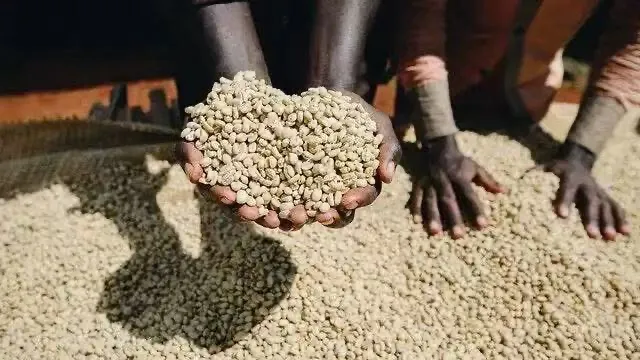
Beyond these official grades, the market also sees labels such as AA+, AA TOP, or FAQ (Fair Average Quality)—these are secondary grading systems defined by traders. Their evaluation criteria mostly focus on cupping flavors, such as the sharpness of acidity or the lingering sweetness, which are subjective experiences. For instance, if a batch of AA-grade beans exhibits unusually prominent blueberry notes during cupping, a trader might label them as AA+ to distinguish them from other beans of the same official grade. But consumers should be aware that these labels lack unified standards, and definitions may vary significantly between exporters.
In contrast, the AA-grade Kenyan beans from the Ashelya Washing Station offer more practical value. Located in the highland area of Thika at elevations of 1550–1750 meters, this station mainly cultivates the disease-resistant SL28 and SL34 varieties. These two classic cultivars are known for their intense citrus acidity and syrupy body. When processed using Kenya’s unique double fermentation washed method, they can enhance the unique aromas of black plum and cherry tomato.
For actual roasting, it is recommended to opt for a medium-light roast to preserve bright acidity. The parameters tested by the author are as follows: using an Ek43 grinder set to scale 10 (approximately 75–80% passing rate through a #20 sieve), a coffee dose of 15 grams with a 1:15 coffee-to-water ratio, and water temperature controlled at 92°C. The pouring is done in stages—first pouring 30 grams to wet the beans, followed by a 30-second bloom, then continuing to pour until the total water reaches 225 grams, with a total extraction time of about 2 minutes. This curve balances the sweet clarity of cherry tomatoes and the wine-like finish, while avoiding astringency caused by over-extraction.
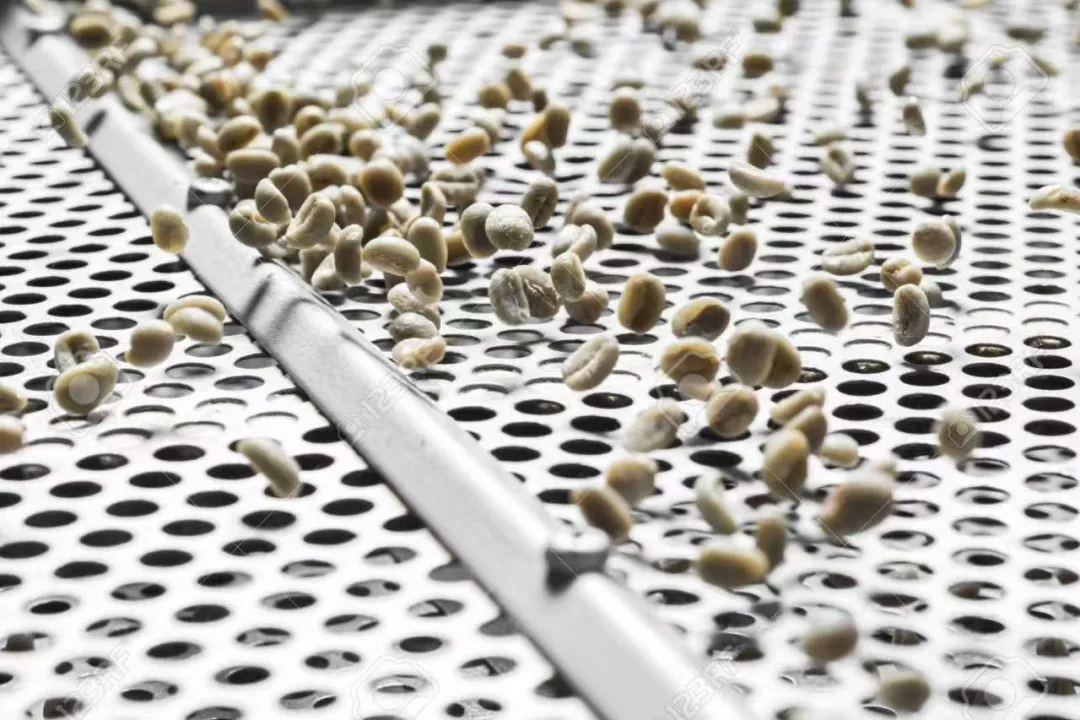
For beginners, here are a few key details to note: First, Kenyan beans are denser, so it’s advisable to extend the development time by 10–15 seconds during roasting. Second, using a V60 filter with medium-coarse grind can effectively reduce the risk of over-extraction during pour over. Lastly, if you’re seeking a richer flavor profile, try slightly adjusting the water temperature down to 90–91°C to highlight a wine-like tannin texture. These seemingly minor adjustments can elevate the signature sweet-and-acid balance of Kenyan beans to the next level.
The above content is compiled by CoffeeHunters, a coffee news website.


