







Introduction:Have you heard of "Geisha 1500" but aren’t sure of its origins? Or perhaps you’re puzzled as to why the Green Label Geisha from Hacienda La Esmeralda suddenly disappeared from sight? This article takes an in-depth look at the grading logic, altitude differences, and flavor profiles of the Blue Label, Red Label, and Green Label Geishas, and reveals the truth behind why the Blue Label was rebranded as “Las Rocas” starting in 2021. Whether you’re a beginner in pour over coffee or a fan looking for high-value Geisha options, you’ll find useful guidance on bean selection and brewing methods here.
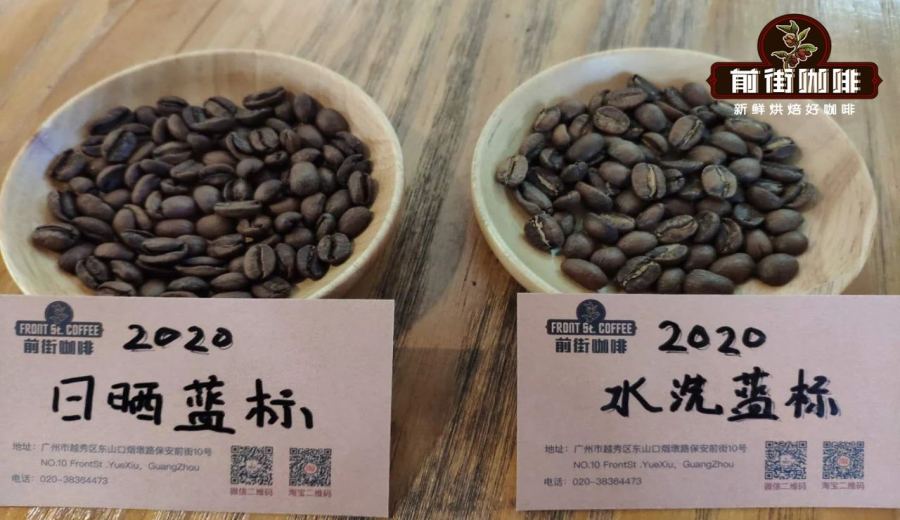
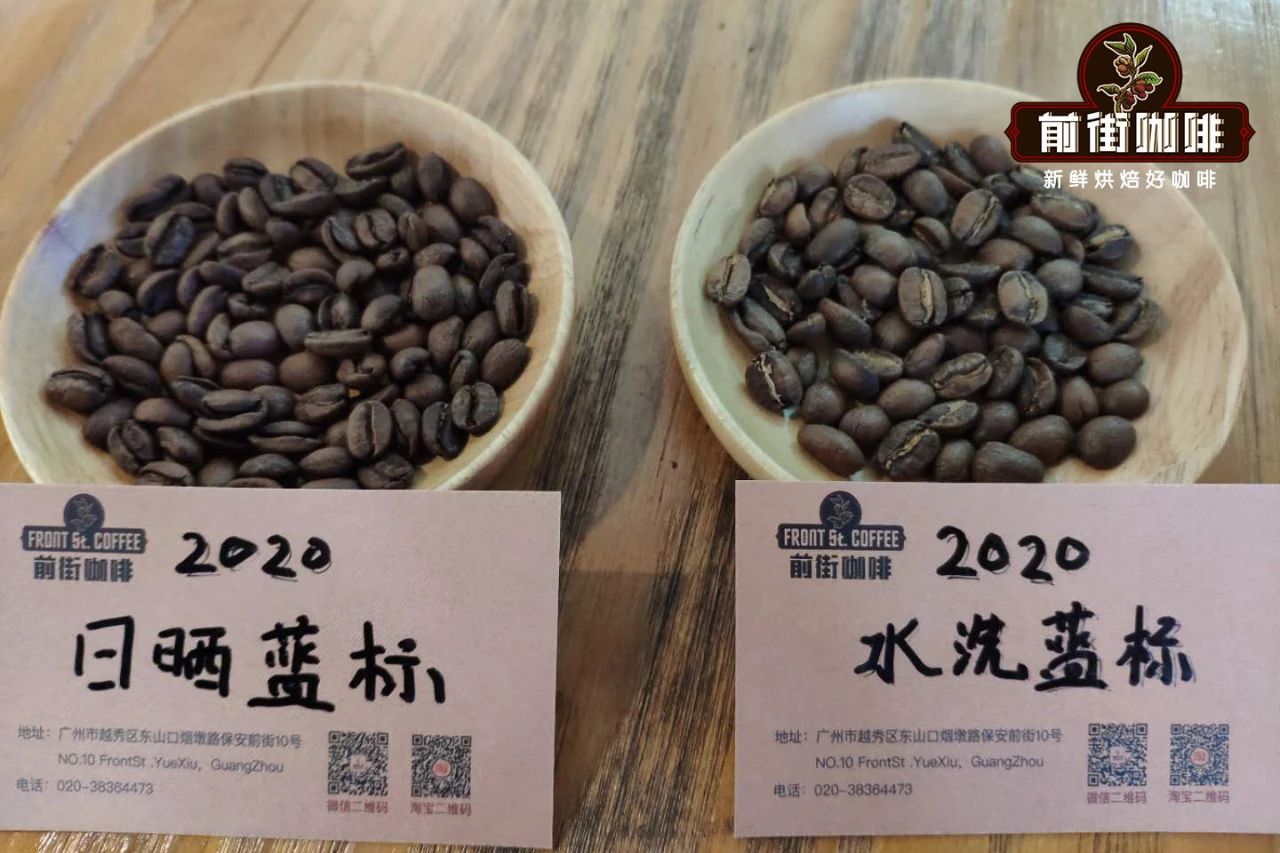
What exactly is Geisha 1500? And how is it related to the famous Blue Label Geisha from Hacienda La Esmeralda? In 2020, Hacienda La Esmeralda launched a naturally processed version of its Blue Label series for the first time, delighting many coffee enthusiasts who saw it as a great opportunity to access more affordable Geisha. However, by 2021, the official offerings included only the Red Label and Green Label series, with the Blue Label mysteriously absent, sparking widespread speculation in the market.
It wasn’t until late September 2021 that a Panamanian Geisha named “Las Rocas” quietly made its debut. Upon closer inspection, it was revealed that these beans were actually the “new face” of the previously well-known Hacienda Blue Label Geisha. This article will fully outline the definitions, altitude distributions, and processing differences of the Hacienda Red Label, Green Label, and Blue Label, and take you behind the scenes of the Blue Label’s rebranding, helping you choose the most suitable Geisha beans with greater precision.
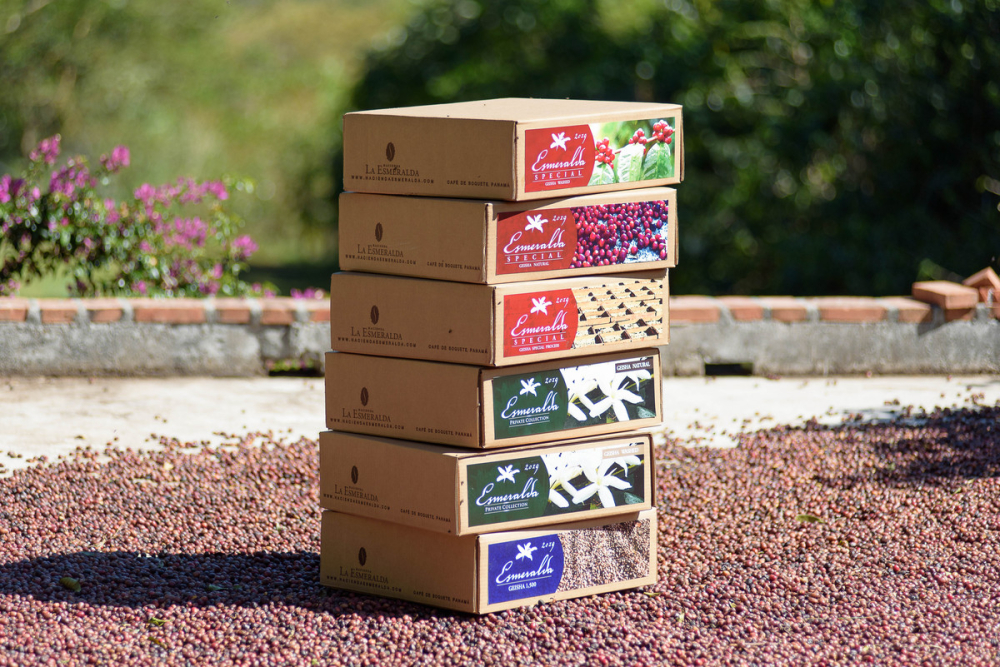
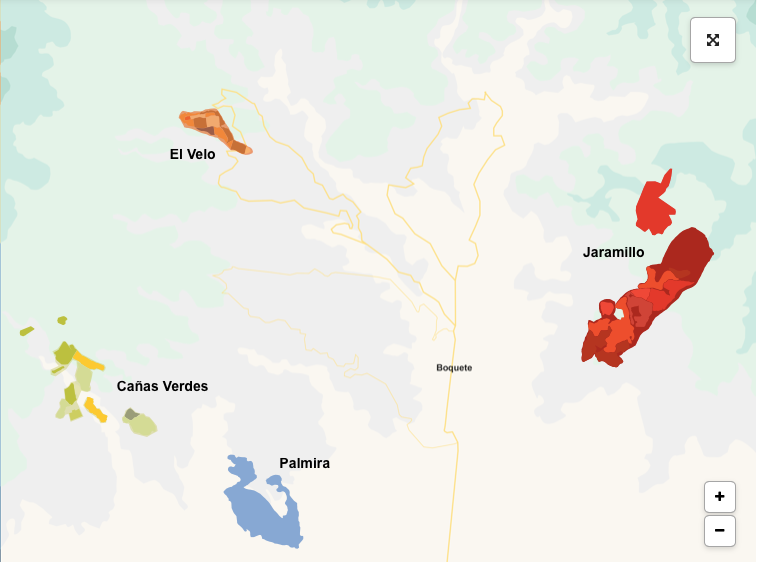
Let’s start with the Red Label Geisha from Hacienda La Esmeralda. This is the estate’s flagship offering, commonly referred to as the “auction-grade Geisha,” grown at elevations between 1600 and 1800 meters, primarily from the renowned micro-lots of Jaramillo and Cañas Verdes. The Red Label must achieve a cupping score of 90 or above and is selected from batches that excel in the estate’s exclusive independent auctions. Many consumers wonder whether the auctioned version or non-auctioned Red Label is better—both come from the same plots, with the only difference being that the former goes through an auction process and commands a higher price. Years of experience suggest that if you’re on a budget, the non-auctioned Red Label can still showcase the classic high-toned floral and fruity notes of Geisha. The Red Label is typically processed using either natural or washed methods, and is celebrated for its bright floral aromas, citrus acidity, and sweetness, making it a popular entry choice for many pour over coffee enthusiasts.
As for the Green Label Geisha, it is considered a “private collection” grade. Although it doesn’t participate in auctions, its quality remains excellent. This Geisha is also grown at altitudes between 1600 and 1800 meters, sourced from multiple micro-lots including Jaramillo and Cañas Verdes, and is released as a blend. The defining feature of the Green Label is that it cannot be traced back to a single plot, so the flavor profile of each release may vary slightly. Some consumers joke that drinking the Green Label is like opening a blind box—you might sometimes get complexity close to that of the Red Label, while other times it may feel a bit more mild. Nevertheless, the Green Label generally retains the signature floral and fruity notes, bright acidity, and rich body of Geisha. It is also available in both washed and natural processes, making it ideal for coffee enthusiasts who want consistent quality without breaking the bank.
So, what about the widely discussed Blue Label Geisha? In fact, the commonly known “Geisha 1500” is synonymous with the Blue Label. This Geisha is made from beans grown at altitudes between 1400 and 1500 meters, sourced from three different micro-lots: Jaramillo, Cañas Verdes, and El Velo, and is a blended batch from these regions. Compared to the Red and Green Labels, the Blue Label has slightly lower cupping scores and a more restrained flavor profile, often presenting soft floral notes, subtle fruity acidity, and gentle sweetness, with a relatively less full body. In terms of processing, the Blue Label also offers both washed and natural options, making it a great entry point for those wanting to experience Geisha but with a limited budget.
However, in 2021, the Blue Label Geisha, which had been a regular feature year after year, unexpectedly disappeared from the official list, prompting much speculation. Some worried it was due to climate impacts on the Geisha trees that year or a major strategic shift by the estate. As it turns out, further investigation revealed that the Blue Label hadn’t truly vanished—it had simply been rebranded under the new name “Las Rocas” and continued to circulate in the market.
At the end of September 2021, this Panamanian Geisha under the name Las Rocas made a quiet appearance. At first glance, its packaging and information seemed like those of a brand-new product, but upon deeper investigation, it was confirmed to be the former Hacienda Blue Label Geisha. Even more reassuringly, these beans were still processed by Hacienda La Esmeralda itself, maintaining the washed method, and the flavor quality remained consistent with the previous standards of the Blue Label. For consumers who have long favored the Blue Label’s taste, this is undoubtedly good news, allowing them to continue enjoying the charm of Geisha grown in high-altitude volcanic soil in a more flexible way.
In summary, the Red Label, Green Label, and Blue Label from Hacienda La Esmeralda correspond to different altitude ranges, processing methods, and flavor profiles, reflecting differences in quality and pricing. The Red Label is positioned as a premium offering, ideal for purists seeking ultimate flavor; the Green Label showcases the diversity of Geisha through blended micro-lots at a more accessible price; and the Blue Label (a.k.a. Las Rocas) is an excellent choice for beginners looking to experience Panamanian Geisha. With this understanding, whether you’re just starting out with pour over coffee or are a seasoned coffee connoisseur searching for specific flavor profiles, you’ll be able to select the most suitable Geisha coffee beans with greater accuracy.
The above content is compiled by CoffeeHunters, a coffee news website.


