







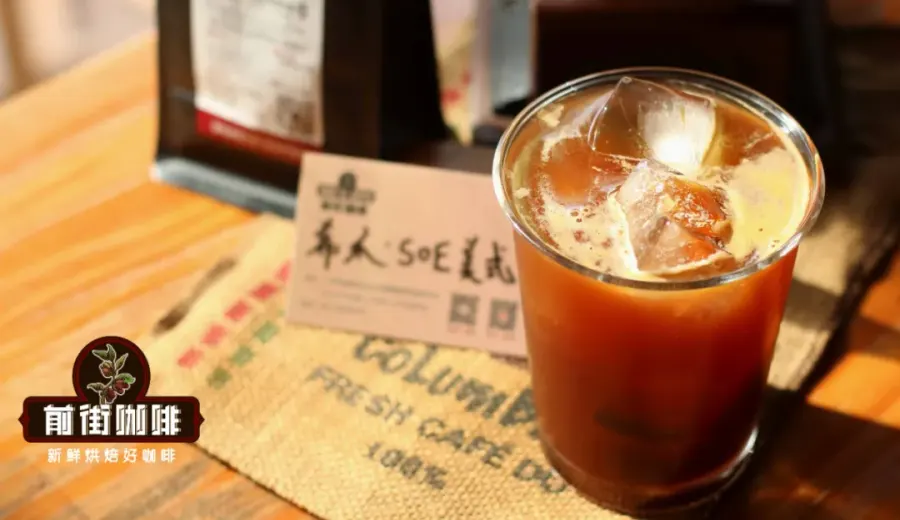
Introduction:When you order a cup of coffee, have you ever wondered why SOE (Single Origin Espresso) is more expensive than regular blends? It’s not just marketing talk—it reflects comprehensive differences in flavor, roasting, and extraction. This article delves into the origins of SOE, its pricing structure, extraction challenges, and explores why some cafés choose not to offer SOE products at all, helping you better understand the value behind your coffee choices.
Walk into a café and when you want to order a latte or an Americano, you’ll often find that besides the default espresso blend option, there’s also an “SOE” choice that comes with an extra charge. You might wonder, it’s still espresso—why is SOE more expensive? In truth, it’s not just about price but a series of differences from the beans, roasting methods, to brewing techniques.
SOE stands for Single Origin Espresso, meaning it is made using coffee beans from a single origin. Compared to traditional blends—which usually combine beans from two or more regions—SOE emphasizes the pure expression of regional flavors. In the early days, most cafés used dark roasted blends focused on stability and a rich mouthfeel, often at the cost of subtlety and nuance.
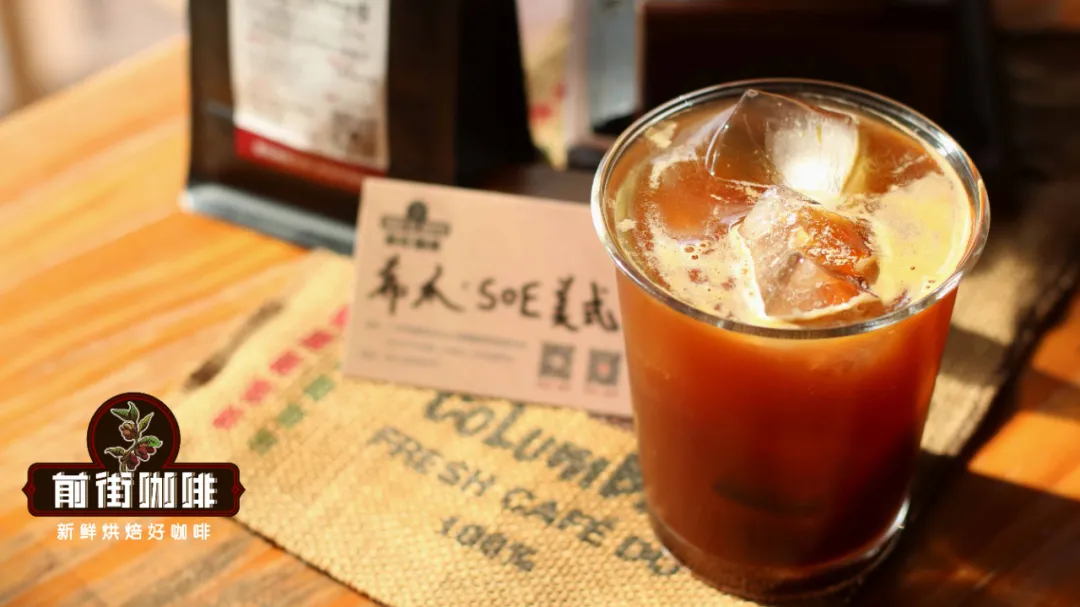
Going back to the 1980s, as the specialty coffee movement gained momentum, single-origin beans began to emerge. Initially, these high-flavor beans were mostly brewed via methods like pour over or French press. It wasn’t until the 2007 World Barista Championship, where competitor James Hoffmann used a single-origin bean to make a winning espresso, that SOE officially stepped into the spotlight, becoming a focal point for both the industry and consumers.
Today’s SOEs often highlight specific origin information and are marketed for their floral, fruity, tea-like, or wine-like characteristics. On e-commerce platforms, many coffee beans labeled as “SOE” are typically light to medium roasted, emphasizing distinctive flavors. Compared to standard blends, these beans often come from specific farms, cooperatives, or even single lots, which naturally leads to higher costs and pricing.
So, why is SOE more expensive? The key lies in the flexible definition of “single origin” and the pursuit of unique flavors. While theoretically, any beans from the same country, region, farm, or batch can be considered single origin, SOE often selects highly distinctive coffees to showcase unique profiles—like the citrus notes of Yirgacheffe, the tomato-like acidity of Kenyan beans, or the honey sweetness of Geisha. Additionally, to bring out these subtle characteristics, the roast level is usually controlled within light to medium, and more refined processing methods are employed.
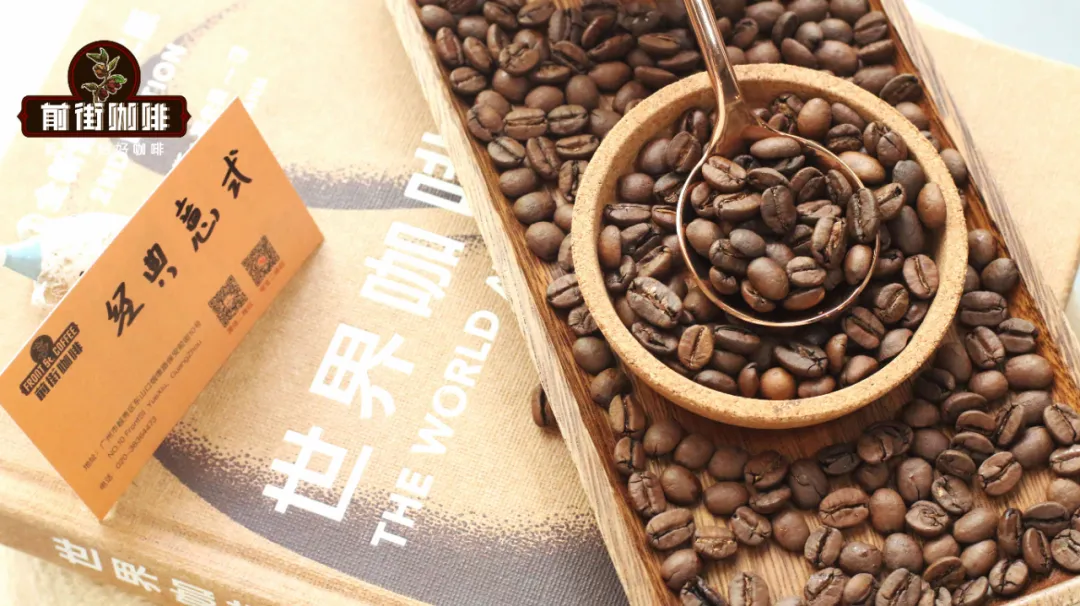
But this also makes SOE more challenging to extract. Unlike pour over, espresso is extracted under high pressure, which significantly amplifies the bean’s characteristics. Light-roasted SOE beans are harder in texture and require finer grind settings and precise control over extraction time—otherwise, you may end up with over-extracted bitterness or under-extracted sourness. Some customers have reported that the same Sidamo SOE flat white tasted vastly different at different times, often due to slight misadjustments in extraction parameters.
That’s why some specialty shops choose not to offer SOE products. Maintaining consistent extraction not only requires adjusting grind size and coffee-to-water ratio for each single-origin bean, but also accounting for variations across different drink types (such as SOE Americano or latte). This poses a significant challenge to equipment, technique, and daily quality control. Without precise mastery, even if the beans themselves are excellent, the final flavor may still fall short.
In summary, the difference between SOE and traditional blends is not just about price—it encompasses a full spectrum of contrasts in flavor expression, roasting philosophy, and extraction techniques. With this understanding, the next time you place an order, you can confidently choose the coffee experience that best suits your taste.
The above content is compiled by CoffeeHunters, a coffee news website.


