







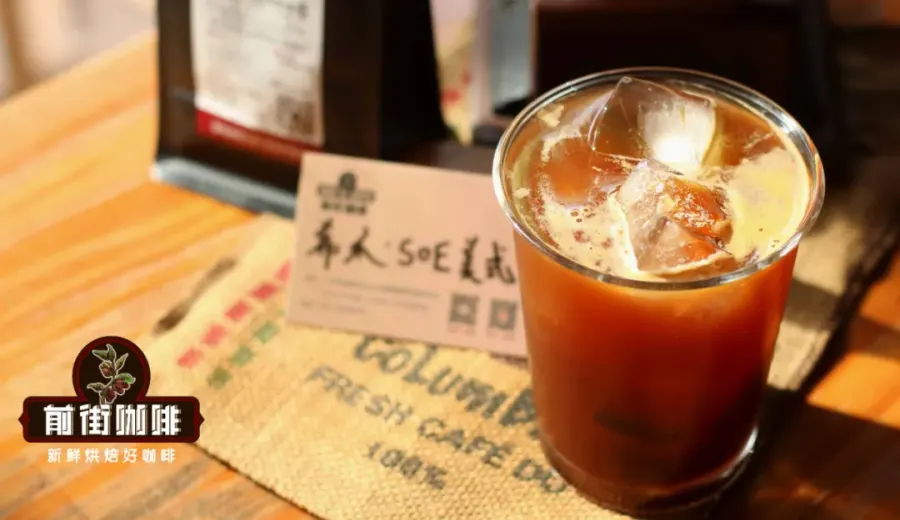
Introduction:When you're at a coffee shop choosing between an Americano or a latte, have you ever wondered why some options come with an extra charge? This is usually because they use SOE (Single Origin Espresso). Compared to traditional blended beans, SOE emphasizes the unique flavor profile of a single origin, and also comes with higher costs and technical challenges. This article will delve into the differences between SOE and blends, helping you understand why single-origin espresso tends to be more expensive, while also exploring its brewing challenges and market positioning—empowering you to make a more informed coffee choice.
Walking into a coffee shop and ordering an Americano or a latte, you might notice that besides the standard blend option offered by the café, there's also a pricier "SOE" option. Many customers may wonder: what’s so different about this coffee, and why is it more expensive? In fact, SOE stands for Single Origin Espresso, referring to espresso made using beans from a single origin. Since James Hoffmann won the World Barista Championship in 2007 using a single-origin bean, SOE has gradually moved from the competitive stage to the mainstream market, and now even major chains have started offering related products.
Traditional espresso blends typically mix beans from various origins, roasted to a darker level to ensure stable extraction and balanced flavor, resulting in a rich, bold taste and thick crema. In contrast, SOE places greater emphasis on highlighting the unique characteristics of a single origin, often using light to medium roasted beans to showcase distinctive regional flavors such as citrus, berries, floral notes, or even fermented wine-like subtleties.
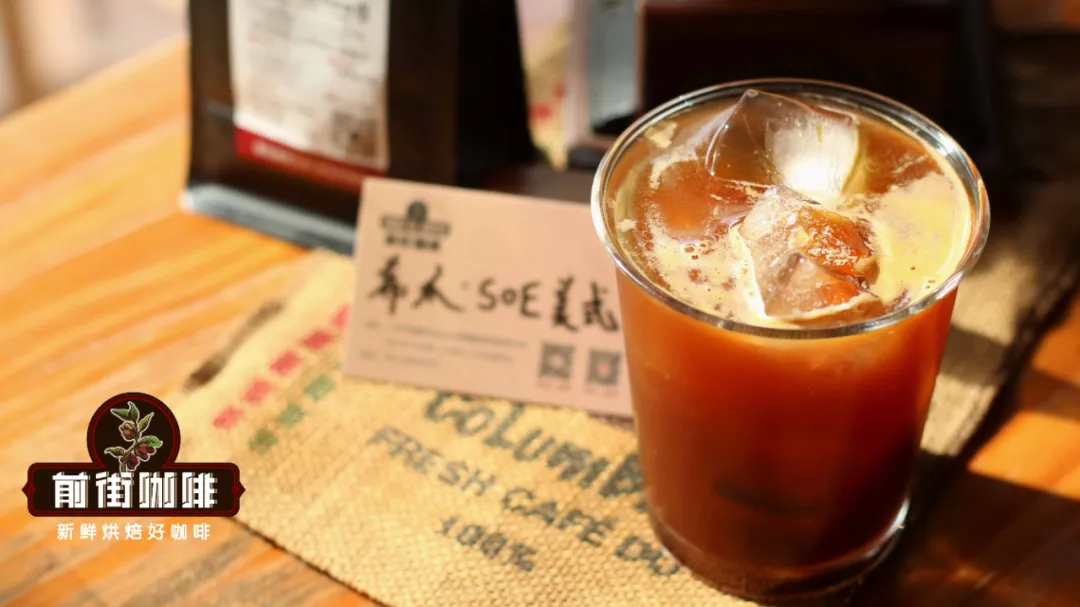
But why is SOE made from single-origin beans more expensive than regular blends? The key lies in cost and challenges. First, the single-origin beans used in SOE are usually sourced from well-known regions with distinct flavor profiles, and these beans are inherently more expensive than ordinary commercial blends. Second, to bring out the unique character of the origin, SOE is mostly lightly roasted, which makes the beans harder in texture and requires more precise control over brewing parameters; otherwise, over-extraction or under-extraction can easily occur, leading to flavor imbalance.
From a technical standpoint, espresso is extracted under high pressure, which amplifies the characteristics of the coffee beans significantly. If the grind is not fine enough or the extraction time is insufficient when using light-roast beans for SOE, it may result in overly sharp acidity or excessive tannins. On the other hand, over-extraction can easily bring about bitterness and woody off-flavors. This poses a significant challenge to the barista’s skill and experience, and also makes it difficult to ensure consistency across every cup.
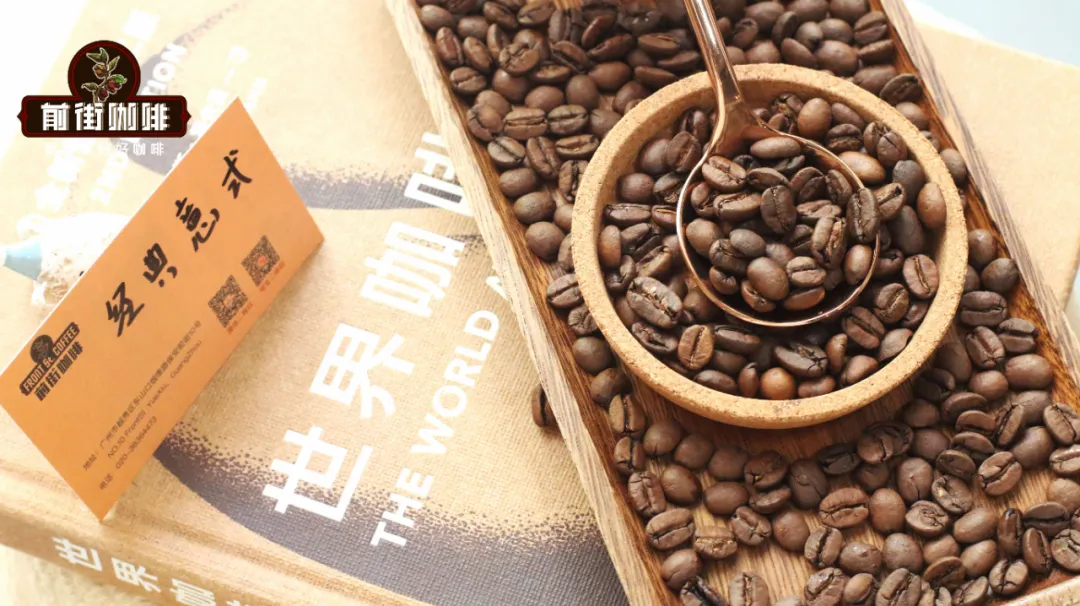
In addition, although in theory any beans from the same origin and same batch can be used as SOE, in practice, to allow consumers to perceive clear flavor characteristics, shops often choose beans with highly distinctive profiles—such as the citrus notes of Yirgacheffe, the berry aroma of Kenyan beans, or the honey sweetness of Costa Rican beans. These beans are inherently of higher value, and require adjustments to grind size, coffee-to-water ratio, and extraction time for each type. For cafés, this not only increases costs but also adds operational complexity.
Overall, SOE demands higher standards not only in raw material selection and processing, but also presents greater challenges in brewing technique and consistency. These factors collectively drive up its price, and also make it an excellent choice for coffee enthusiasts seeking to explore deeper flavor dimensions. If you enjoy trying the unique profiles of different origins, consider ordering an SOE next time—you might just discover the concentrated charm of single-origin espresso.
The above content is compiled by CoffeeHunters, a coffee news website.


