








Introduction:Even coffee beans from the same origin can exhibit vastly different flavor profiles simply due to differences in processing methods. This article provides an in-depth analysis of the full workflows of two classic processing methods—natural and washed—and through a direct comparison of Ethiopian Yirgacheffe natural and washed beans, helps you master identification techniques by examining aroma, acidity and sweetness levels, and structural components. It also offers practical pour over parameters to help you advance from everyday drinking to becoming a true coffee flavor connoisseur.
Even when sourced from the same origin, coffee beans can emit entirely different aromas and tastes depending on their processing method. Natural and washed are two of the most classic coffee bean processing techniques—not only do they influence the final flavor expression, but they also serve as foundational topics for many coffee enthusiasts starting their flavor appreciation journey. This article will guide readers from real-world tasting scenarios, step-by-step dissecting the operational procedures of both methods, and using Ethiopian Yirgacheffe’s natural Red Cherry and washed Kochere beans as examples, comparing their flavor differences under consistent brewing conditions to deeply understand the underlying causes.
 At in-person cupping events, it’s common to see visitors correctly identify the processing method of a coffee bean with just a single sip. This skill is not innate, but rather stems from a basic grasp of processing workflows and flavor characteristics. Once you understand the key factors, you too can quickly determine the processing type of your coffee beans and further deepen your tasting experience.
To distinguish between natural and washed coffee, it's first necessary to understand their basic processing procedures. A significant proportion of a coffee bean’s final flavor is set during the green bean processing stage. The following briefly outlines the characteristics of the two main processing methods.
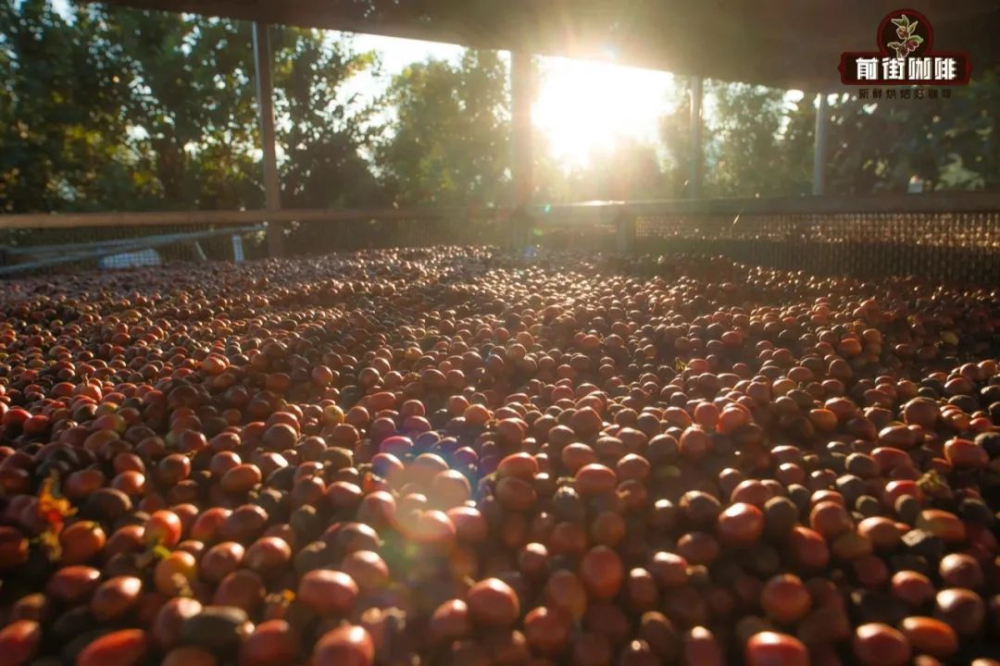
Natural Processing MethodThis is the most traditional and historically longest-used processing approach. Its defining feature is that the entire coffee fruit—including the skin, pulp, and parchment-covered green bean—is placed directly under the sun to dry for an extended period until the fruit’s moisture content drops to a safe level, after which the outer hard shell is removed to extract the inner green bean. Because this entire process retains the pulp and mucilage, fermentation is more thorough, often resulting in richer aroma layers and a sweeter taste. This method is ideal for those who seek a fuller body and fruity, fermented flavors. Commonly recommended beans include classic naturally processed Red Cherry, Alo Coffee, and others, all of which showcase a rich and bold character.

Washed Processing MethodThis method is more commonly seen in island regions or areas with abundant water resources. It involves removing the outer skin and pulp of the coffee fruit, then fermenting the parchment-covered green bean in water. Microbial action breaks down the remaining mucilage layer, which is then thoroughly rinsed clean with water, followed by sun drying to reach the target moisture content. This method effectively removes excess impurities, making the coffee’s flavor cleaner and brighter, with clear yet layered acidity. Recommended beans to try include washed-process offerings such as Fruit Ding Ding and Kenyan Little Tomato, which are characterized by bright citrus acidity and a clean finish.
Once you understand the processing workflows, how can you tell the processing method from just one sip of coffee? The key lies in capturing comprehensive characteristics such as aroma, acidity, sweetness, and structure. Beginners are advised to choose beans from the same origin but with different processing methods for comparative tasting—the most direct and effective way to learn. Taking Ethiopian Yirgacheffe as an example, its flavor profile is highly recognizable and widely accepted in the market, making it very suitable for practice and comparison.
This article selects two Ethiopian Yirgacheffe beans for practical testing: the naturally processed Red Cherry and the washed processed Kochere. Both beans were extracted using identical pour over parameters, specifically as follows: 20g dose, 1:15 brew ratio, Ek43 grinder setting at 10, water temperature at 92°C, using a V60 filter cone, and a three-pour brewing technique. While the details of the brewing process are not the focus here, maintaining consistent parameters helps ensure a fair comparison of how different processing methods impact flavor.
Under the same conditions, the naturally processed Yirgacheffe not only showcases the citrus, floral, and tea-like notes typical of the origin, but also exhibits distinct fruit fermentation aromas. Its acidity is relatively soft, sweetness is prominent, and the overall flavor structure is well-defined. In contrast, the washed Yirgacheffe has sharper and brighter citrus acidity, intense floral and tea-like notes, and gives an overall impression of being extremely clean and refreshing.
These differences stem from the inherent characteristics of the processing methods themselves. Because natural processing involves drying the whole fruit directly, fermentation takes longer and microbial activity is more diverse, producing richer aromatic compounds. Meanwhile, the sugars from the pulp seep into the green bean, helping to enhance sweetness and reduce the intensity of acidity. In contrast, during washed processing, some of the sugars are converted into acids as they ferment in water, resulting in a more pronounced acidity. Additionally, the removal of pulp and mucilage reduces interference from impurities, giving the overall flavor a cleaner quality.

In summary, natural coffee typically presents a sweeter, fruit-aroma-rich, and structurally complex flavor, occasionally accompanied by mild fermentation notes; whereas washed coffee is characterized by a clean and transparent mouthfeel, bright acidity, and distinct floral and tea-like notes. Mastering these basic differences can help you more quickly identify the processing method of coffee beans in your daily drinking and thereby improve your overall tasting ability.
Why not take out the coffee beans you drink at home right now, and re-taste them using the methods described above? Through repeated trying and observation, you too can gradually develop a keen ability to discern coffee flavors and become the go-to tasting expert among your friends.

The above content is compiled by CoffeeHunters, a coffee news website.


