







Introduction:Papua New Guinea coffee is often hailed as the "Little Blue Mountain" for its elegant acidity and fresh floral-fruit notes, but there are still significant differences between the two in terms of origin background and flavor profile. This article delves into its historical roots, growing environment, industry challenges, and focuses on the Sigri Heavenly Bird Estate to explore everything from variety and processing method to roasting and pour over recommendations—helping you grasp the unique charm and brewing secrets of this high-altitude specialty bean.
Among coffee enthusiasts, Papua New Guinea coffee is affectionately referred to as the "Little Blue Mountain." This nickname stems not only from its similar high-altitude and volcanic soil growing conditions as Jamaica Blue Mountain, but also because its coffee beans were originally introduced from Jamaica. However, the flavor profile of Papua New Guinea coffee is not entirely aligned with Blue Mountain; it showcases brighter fruit acidity and clearer floral-fruit aromas, reminiscent of certain premium producing regions in South America.
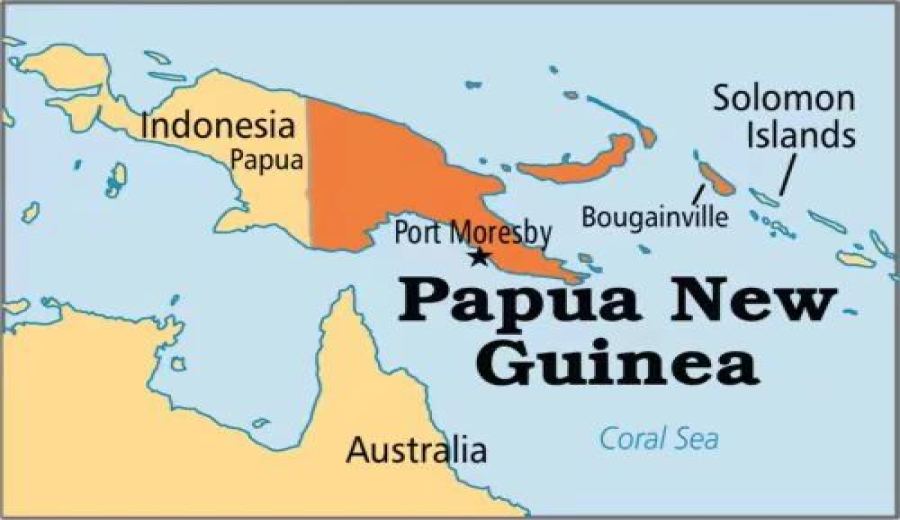
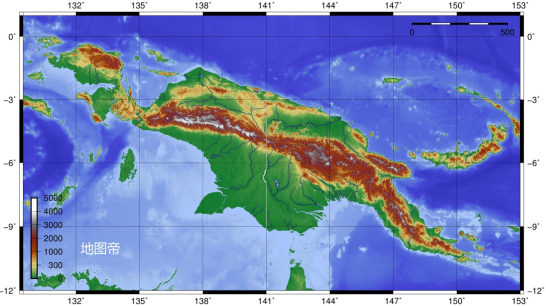
This island nation is located east of Indonesia, between the equator and 10 degrees south latitude, with a climate typical of tropical island regions. Its terrain includes tropical rainforests, plateaus, and volcanic rock landscapes, with main cultivation elevations ranging between 1,200 and 2,500 meters.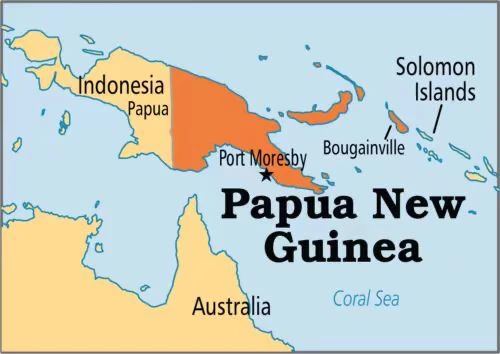 Such geographical and microclimatic conditions contribute to the uniqueness of its coffee flavors: unlike the heavy herbal, earthy, and spicy notes commonly found in Indonesian coffees, Papua New Guinea coffee is fresher, with bright acidity, delicate floral-fruit aromas, and honey-like sweetness.
Looking back at its planting history, as early as 1931, the Typica variety from Jamaica was introduced to Papua New Guinea, when the region was still an Australian trust territory. Due to historical background and British colonial ties, this classic Arabica variety was able to take root locally. In the 1950s, the Bourbon variety introduced from Kenya gradually joined the cultivation lineup. By 1962, the introduction of the New World and Caturra varieties from Brazil significantly improved overall quality.
However, the development of Papua New Guinea's coffee industry in the international market has not been smooth sailing. Before the 1970s, steady production was supported by substantial purchases from Australia. But after gaining independence in 1975, with the International Coffee Organization (ICO) abandoning the quota system, the local industry faced severe challenges and exports plummeted. Over the past decade, total coffee production has declined from approximately 1 million bags (60 kg/bag) in 2009 to around 800,000 bags currently, largely due to severe aging of coffee trees and a long-term lack of renewal and technical support.
Additionally, over 85% of coffee is grown by smallholder farmers, each with limited land area, making knowledge transfer difficult. This is compounded by communication barriers among more than 10,000 tribes and over 800 languages, as well as issues like unclear land ownership—all of which contribute to inconsistent product flavors and quality. Since 2010, the World Bank and the United Nations have driven recovery initiatives, successfully replanting over seven million coffee trees and gradually improving production conditions in the region.
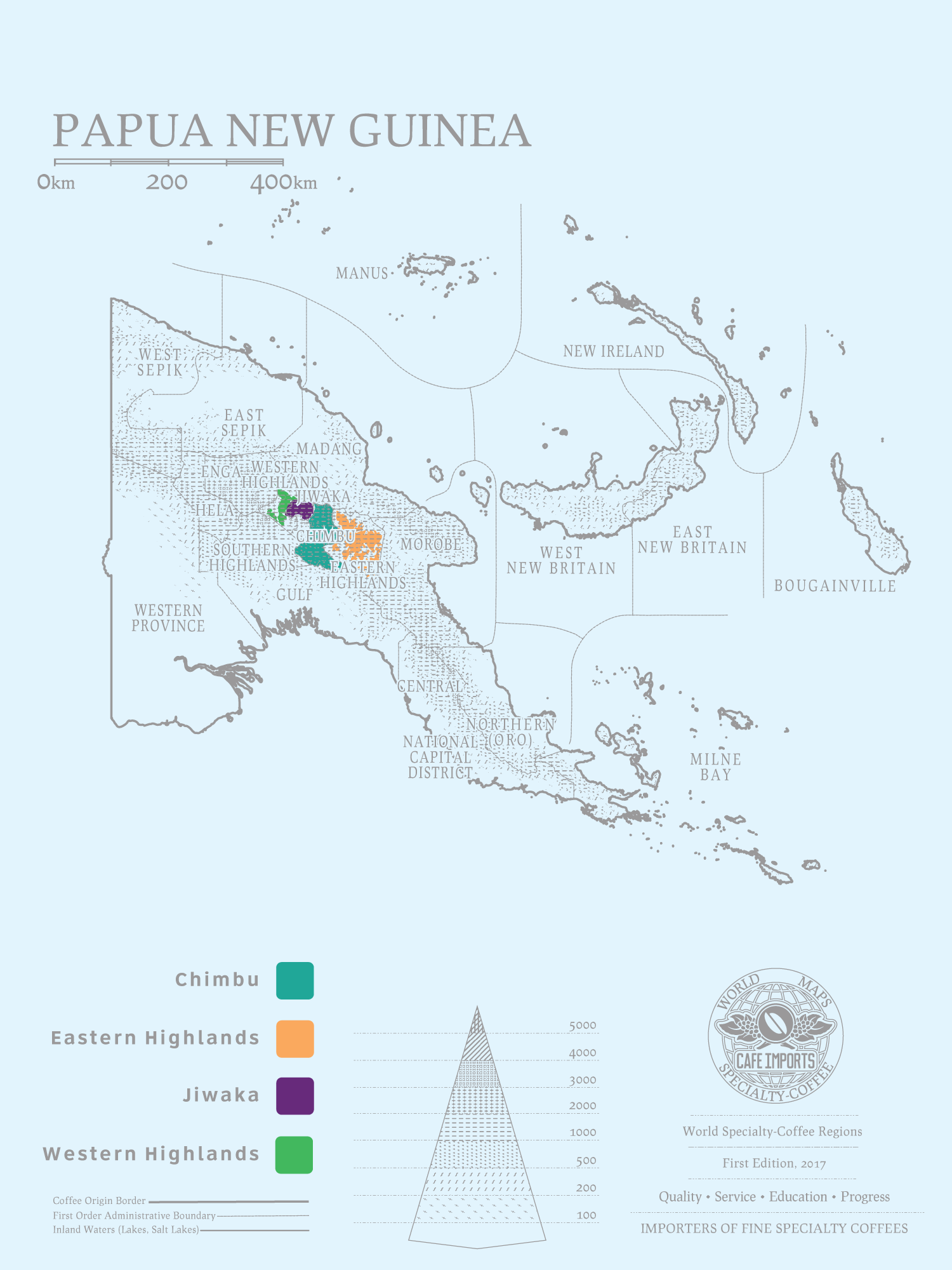
Among the many producing areas, theSigri Heavenly Bird Estatein the Waghi Valley of the Western Highlands Province is one of the most representative specialty coffee farms. Situated at an elevation of about 1,600 to 1,800 meters, it boasts fertile volcanic soil and a cool, stable climate—ideal for growing Typica, a variety that requires a long maturation period.
Established in 1950, the Heavenly Bird Estate is one of the pioneers in Papua New Guinea’s early foray into specialty coffee production. The estate has long adhered to pesticide- and chemical fertilizer-free practices, committed to preserving the ecosystem and bird habitats, while strictly controlling harvest timing—only picking fully ripe coffee cherries and ensuring quality consistency through daily cupping. Its washed processing is also highly meticulous, employing a triple-wash fermentation process, each lasting about 24 hours, with fresh water changes to precisely control fermentation flavors. After careful hulling and grading, it ultimately produces high-quality AA-grade Typica coffee beans.
This Typica variety is known for itsbronze-colored top leaves(commonly referred to as "red-top coffee"), slender and even-sized beans, and offers delicate clean flavors, balanced acidity and sweetness, and good body. Compared to its susceptibility to leaf rust and relatively weak disease resistance, Typica relies on proper management and suitable altitude to express its elegant potential.
In terms of processing and roasting, the washed method used at the Heavenly Bird Estate differs from common Central and South American processes, emphasizing multiple water changes and precise control—resulting in low defect rates and bright fruit acidity with delicate sweetness. Roasters are advised to usemedium roastto preserve its refreshing acidity and fruity notes, while making slight adjustments to the heat after the first crack to bring out the optimal aroma layers.
For pour over brewing, it is recommended to use aKono filter, whose low-rib design reduces airflow and extends water-coffee contact time. Brewing with a relatively low water temperature of 88°C helps avoid over-extraction of unwanted flavors. Suggested parameters include 15 grams of coffee, a 1:15 coffee-to-water ratio, medium-coarse grind (similar to 75% extraction through a Chinese No. 20 sieve), andpulse pouring: start with a 30-second bloom using 30 grams of water, then pour in small streams up to 125 grams for the first pour, followed by pouring to 225 grams to finish. Total brew time should be controlled between 2 minutes and 2 minutes 10 seconds.
The final cup typically presents a nutty base, accompanied by soft cocoa aromas, delicate fruit acidity, and pronounced caramel sweetness, with a hint of light smokiness in the aftertaste. The overall flavor profile is balanced with a long-lasting finish. This Typica from Papua New Guinea’s Heavenly Bird Estate not only carries the unique character of island-grown coffee but also showcases the refined potential of high-altitude specialty beans—well worth savoring by coffee enthusiasts.
The above content is compiled by CoffeeHunters, a coffee news website.


