







Introduction:Geisha coffee is renowned for its exceptional aroma and unique fruity acidity, but do you know where its premium pricing comes from? Panama’s Hacienda La Esmeralda and Ethiopia’s Gesha Village are two of the most famous growing regions, each with a rigorous grading system. From auction lots to everyday-drinking Green Label beans, there are clear differences in flavor and price. This article will guide you through the origins of the Geisha variety, the stringent conditions required for its cultivation, and break down the differences in grading—Red Label, Green Label, and auction lots—between these two estates, along with their flavor profiles, to help you choose the Geisha coffee beans that best suit your taste.
Geisha (Geisha) is universally recognized as a top-tier coffee variety in the specialty coffee world. It originated in the Gesha Forest in southern Ethiopia and was discovered there in 1931. It was later introduced to Uganda, Tanzania, and Costa Rica via the Kenya Coffee Research Institute before finally being brought to Panama in 1970. However, it wasn’t until 2004, when Panama’s Hacienda La Esmeralda won the Best of Panama (BOP) competition with this variety, that Geisha truly rose to fame. Since then, this variety has become a dream coffee for enthusiasts around the globe.
But why is Geisha coffee always so expensive? The key lies in its extremely demanding growing conditions. Geisha thrives at high altitudes, typically requiring elevations above 1600 meters, along with cloud cover, shade, and fertile volcanic soil to develop its distinctive delicate floral notes and bright fruity acidity. These exacting conditions result in both the rarity of Geisha production and its extraordinary flavor profile.
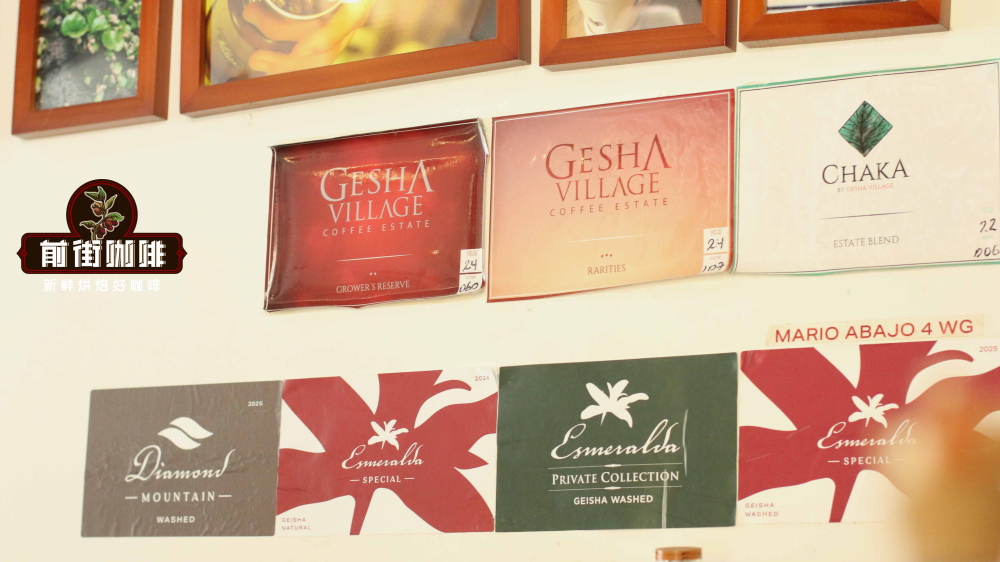
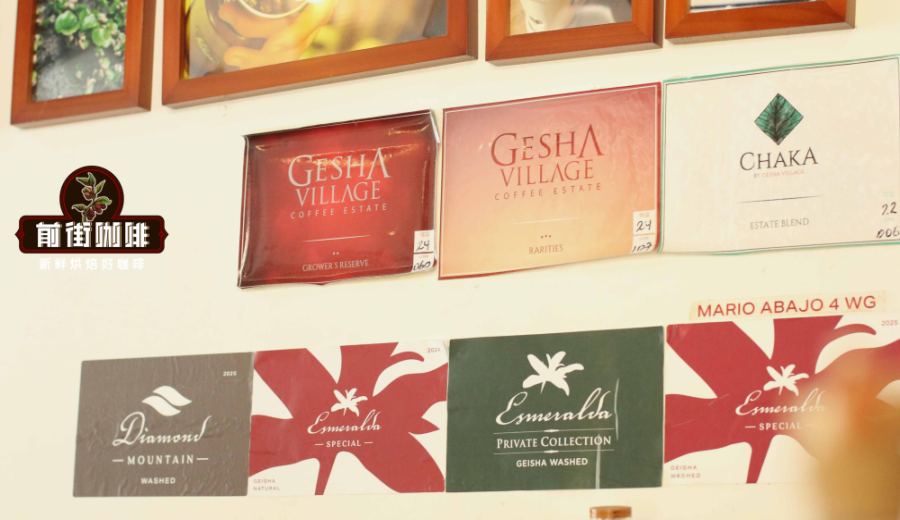
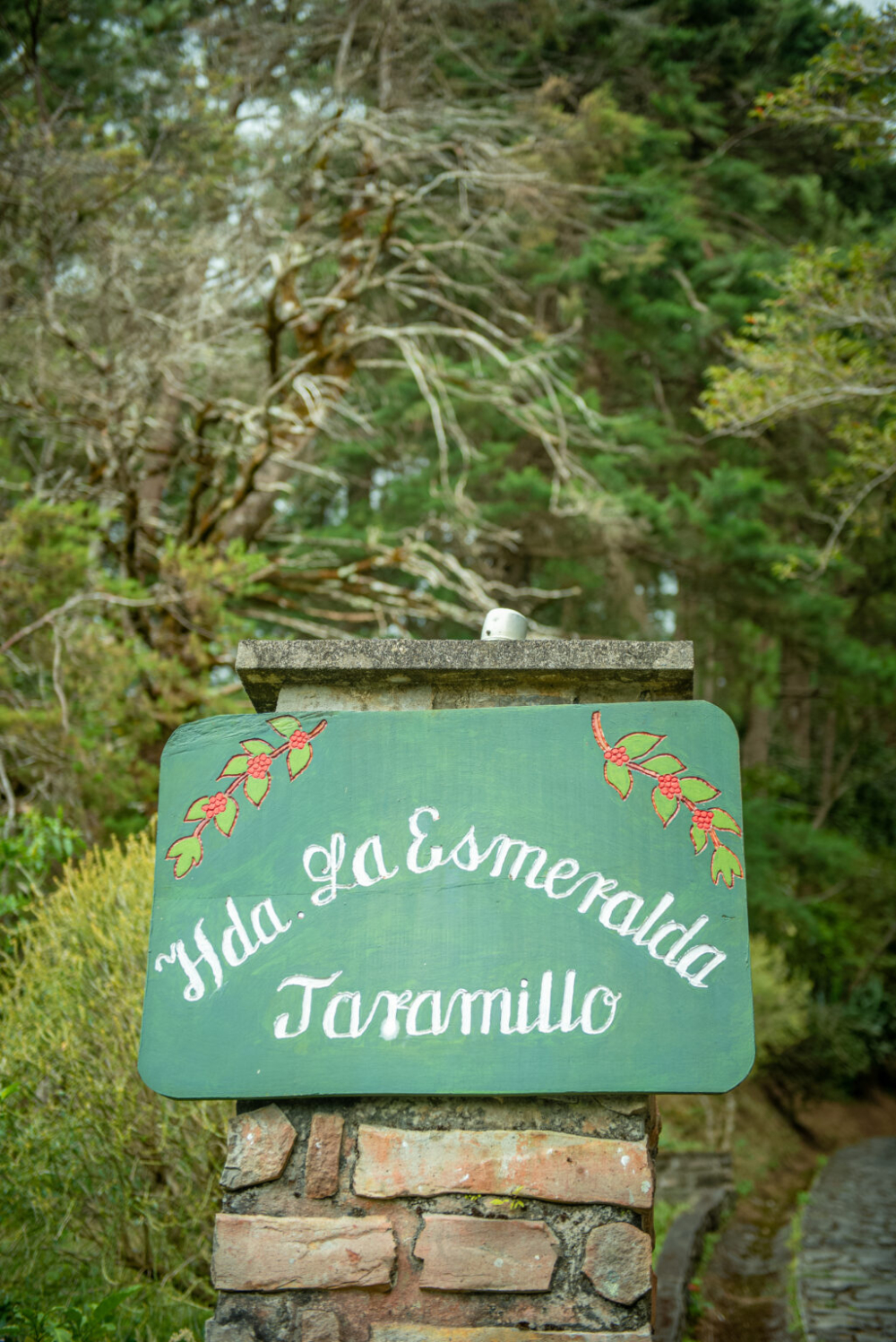
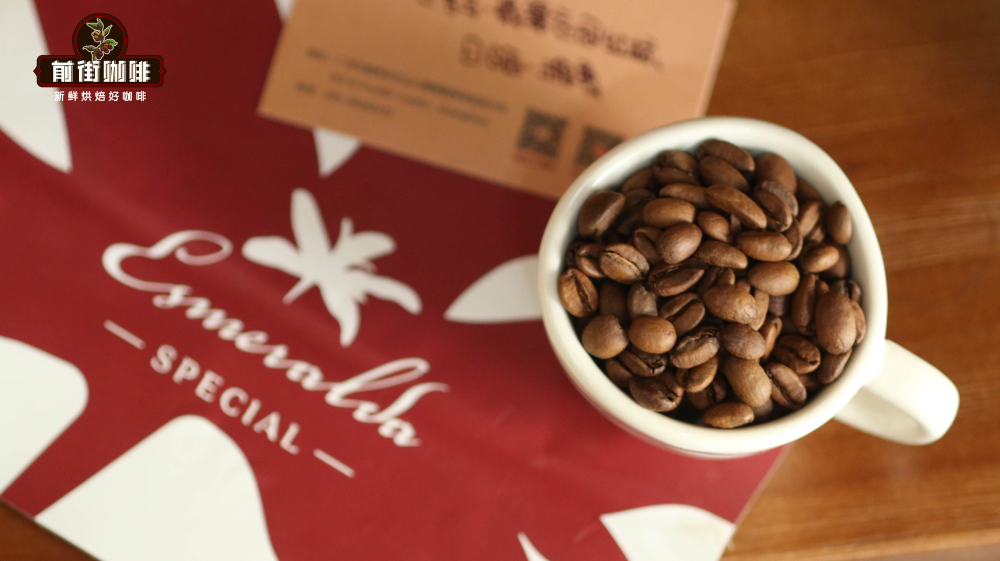
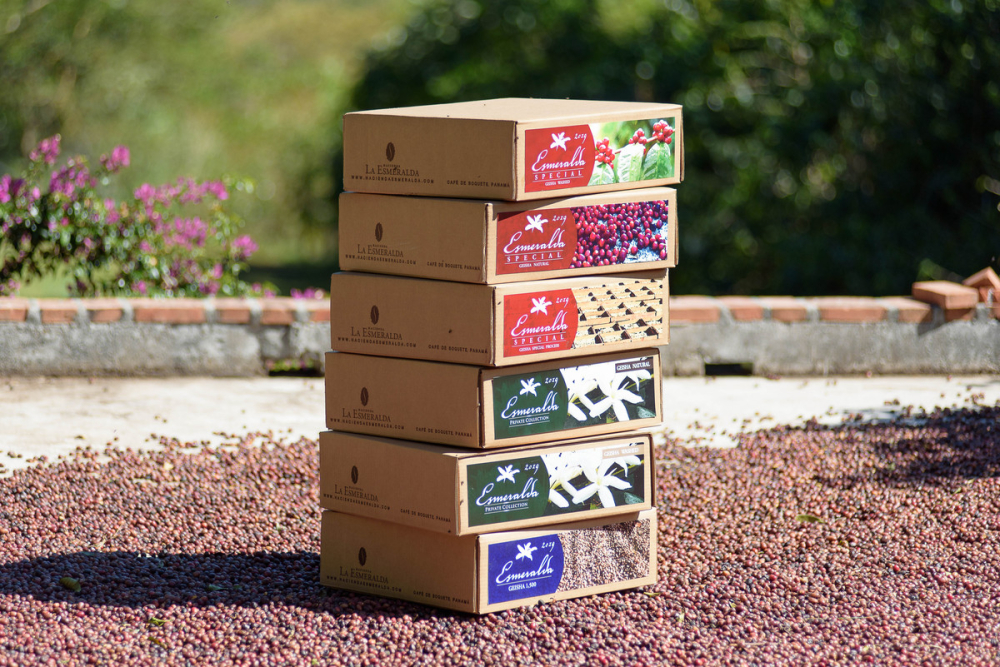
Among all producing regions, Panama’s Hacienda La Esmeralda is undoubtedly the most iconic advocate for Geisha. The estate categorizes its Geisha into three main grades: auction lots, Red Label, and Green Label (the former Blue Label has been discontinued). Among these, the auction lots are the highest grade, released in limited quantities only during the annual BOP competition, while Red Label and Green Label are more commonly available high-quality options on the market.
The main Geisha-growing plots at Hacienda La Esmeralda include Jaramillo, Cañas Verdes, and El Velo. Among them, Jaramillo and Cañas Verdes are considered the golden plots for Geisha, generally yielding coffees with very high cupping scores and refined flavors. The Red Label Geisha comes from the highest-performing micro-lots within these plots, grown at altitudes exceeding 1600 meters, with cupping scores consistently above 91, and complete traceability information including harvest dates, processing methods, and plot locations—making it the top choice for enthusiasts seeking ultimate flavor.
Auction lots are the crème de la crème, further selected from specific plots. These Geisha beans are only released during the BOP auction, and their prices have repeatedly hit new highs each year, making them highly sought after by collectors and top-tier cafes. Generally, auction Geisha beans are processed using either natural or washed methods, often exhibiting intense floral aromas, citrus notes, and honey-like sweetness, with complex and long-lasting flavor layers.
The Green Label Geisha, commonly known as “Private Collection,” is another popular grade from Hacienda La Esmeralda. This grade mainly blends beans from multiple plots at altitudes between 1600–1800 meters. Though not part of the auction, it still maintains a high standard of quality. Starting in 2022, the Green Label began indicating the origin plot information, allowing consumers to experience different thematic flavors—from jasmine and rose to lemongrass and tropical fruits—based on the unique terroir of each estate. It is a versatile and excellent value option.
As for the Blue Label, it was once the mid-tier Geisha product from Hacienda La Esmeralda, sourced from plots at 1400–1500 meters and blended from multiple lots. Its flavor profile mainly features mild fruity acidity and light melon-like sweetness, though with a relatively less robust structure. This grade has gradually phased out since 2019, replaced by an external brand offering a similar altitude and flavor profile—the Las Rocas volcanic rock Geisha—to meet ongoing market demand.
Equal in renown to Panama’s Hacienda La Esmeralda is the Gesha Village Coffee Estate in Ethiopia’s Bench Maji region. Spanning 471 hectares—with 320 hectares dedicated to coffee cultivation—the entire estate sits at altitudes exceeding 1900 meters, providing an ideal environment for growing Geisha. Gesha Village is divided into eight distinct plots, each planted with a single variety to ensure consistency and traceability in flavor.
Gesha Village primarily cultivates three varieties: Gori Gesha, Gesha 1931, and Illubabor Forest. Among them, Gesha 1931 was selected by estate owner Adam and expert Willem Boot, inspired by the appearance and flavor of Panamanian Geisha, and has become the estate’s flagship variety. Illubabor Forest is a disease-resistant local Ethiopian variety developed to balance ecology and yield.
Gesha Village’s grading system includes five tiers: auction, Gold Label, Red Label, Green Label, and CHAKA. Auction lots make up just 3.7% of annual production and are the highest-grade Geisha, selected through multiple screenings. They are available only through the annual global auction, with cupping scores ranging from 88.15 to 92.67. These beans offer an ultimate and rare flavor experience and are a popular choice for professional barista competitions.
Gold Label Geisha, also known as “Rarities,” though not part of the auction lots, is also a high-end grade, accounting for 10% of total production. Each batch provides detailed plot information, and its flavor profile is close to that of auction lots, making it the top choice for specialty coffee lovers seeking high quality in everyday enjoyment.
Red Label Geisha accounts for about 15% of annual production, with cupping scores exceeding 88. It offers clear traceability, and while its flavor is slightly less refined than Gold Label, it still showcases the distinctive and well-defined terroir characteristics of Gesha Village. It is an excellent value option. Most Red Label Geisha available through channels are of the Gori Gesha variety, with flavors reminiscent of native Ethiopian types—bright acidity paired with a unique foresty note.
The Green Label comes from a single plot and a single variety, with each batch fully traceable to specific processing dates and plot information, making it ideal for consumers wanting to deeply explore the flavor differences among various plots at Gesha Village.
Finally, the CHAKA batch is the most accessible option from Gesha Village, blending beans from all varieties and plots across the estate—including Gesha 1931, Gori Gesha, and Illubabor Forest—and offered in both natural and washed processing methods. A tested natural CHAKA batch showcases a rich array of floral, citrus, berry, creamy, oolong tea, and cane sugar notes in the finish, making it a flavorful yet approachable everyday Geisha.
The above content is compiled by CoffeeHunters, a coffee news website.


